A GoPro vs DJI action camera 2027 comparison comes down to a simple split: GoPro still leads on sheer image quality and its huge accessory system, while DJI wins on battery life, ease of use and value. If you want the sharpest, most flexible footage and you are happy to manage batteries and settings, buy a GoPro. If you want a camera that lasts longer on one charge, is simpler to operate and costs less for similar performance, buy a DJI.
That is the short answer, and for most buyers it is enough. The longer answer matters because the two brands now do the same job in different ways, and the right choice depends on where you shoot, how you edit and how much faff you will tolerate on a wet hillside. This guide compares the current flagships, the GoPro Hero 13 Black and the DJI Osmo Action 5 Pro, so you can see exactly where each brand pulls ahead.
Key takeaways
- GoPro leads on image quality, colour and the range of lens mods and mounts available.
- DJI leads on battery life, dual touchscreens, internal storage and straightforward handling.
- Both shoot sharp 4K and smooth stabilised video, and both are waterproof without a case.
- GoPro’s app and subscription add useful cloud features, but DJI’s Mimo app is simpler for quick edits.
- Buy GoPro for maximum quality and flexibility; buy DJI for longer days out and better value.
The two cameras at a glance
The GoPro Hero 13 Black is GoPro’s current flagship. It shoots 5.3K video, offers HyperSmooth stabilisation, and takes a set of magnetic lens mods that change its field of view, add an anamorphic look or give you a close-up macro option. It is waterproof to 10 metres without a housing, and it works with the enormous range of GoPro mounts built up over more than a decade. If you already own GoPro mounts, batteries or a Media Mod, staying with GoPro keeps all of that useful.
The DJI Osmo Action 5 Pro is DJI’s current flagship. It shoots 4K video at up to 120 frames per second, has front and rear touchscreens, and includes internal storage so you can keep filming even if you forget a memory card. It is waterproof to 20 metres without a housing, deeper than the GoPro, and its magnetic quick-release mount makes it fast to move between a chest mount, a helmet mount and a selfie stick. Its battery lasts noticeably longer than the GoPro’s in normal use, which matters on a full day out.
Video quality: GoPro has the edge, but it is close
Video quality is where GoPro still justifies its price. The Hero 13 Black records 5.3K video, which gives you room to crop, reframe and stabilise in editing without losing sharpness on a 4K timeline. Its colour is rich and punchy straight out of the camera, and its 10-bit colour and log profile give editors more to work with when grading. In bright daylight, the difference between the two cameras is small, but in mixed light and at the edges of the frame, GoPro footage tends to look cleaner and more detailed.
DJI is not far behind. The Osmo Action 5 Pro records 4K video with 10-bit colour and a log profile of its own, and its larger sensor helps in low light, where action cameras have always struggled. At dusk, indoors or under tree cover, DJI footage often looks less noisy than GoPro footage. If you film mostly in daylight, GoPro wins on detail. If you film at dawn, dusk or indoors, DJI closes the gap and sometimes passes it.
Battery life and storage: DJI wins clearly
Battery life is DJI’s clearest win. The Osmo Action 5 Pro runs noticeably longer than the Hero 13 Black on a single charge in normal filming, and the gap grows in cold weather, where GoPro batteries drain faster. If you film a full day of skiing, diving or riding, you will need spare batteries with a GoPro, while a DJI may get through the day on one battery plus a spare. Both cameras accept spare batteries and charge over USB-C, so the fix is cheap, but it is still a fix you have to plan for.
DJI also includes internal storage, which GoPro does not. The Action 5 Pro has built-in memory that holds a useful amount of footage, so a forgotten or full memory card does not end your day. That is a small feature with an outsized effect on real trips, where the card is always the thing you forgot. GoPro relies entirely on a microSD card, so pack a spare and check it before you leave. Both cameras need a fast card to record their highest settings reliably, so buy a card rated for video recording and format it in the camera before first use.
Screens, controls and ease of use: DJI is simpler
DJI’s dual touchscreens make it the easier camera to live with. The front screen is large and bright, so framing a selfie or a piece to camera is straightforward, and the rear screen is responsive and easy to read in sunlight. The menus are simple, the magnetic mount clicks on and off in seconds, and switching between mounts mid-activity is genuinely quick. If you hand the camera to a friend, they will work it out without a lesson.
GoPro’s interface has improved, but it still asks more of you. The Hero 13 Black has front and rear screens too, and its touch controls are good, but its menu system is deeper, with more modes and more settings to manage. That depth is a strength for experienced users who want control, and a hurdle for beginners who just want to press record. GoPro’s voice control helps when your hands are busy, and its Quik app can auto-edit clips and back up footage to the cloud if you pay for a subscription. DJI’s Mimo app is simpler and faster for everyday use, connecting quickly and producing clean auto-edits without pushing a subscription.
Waterproofing and durability: both are tough, DJI goes deeper
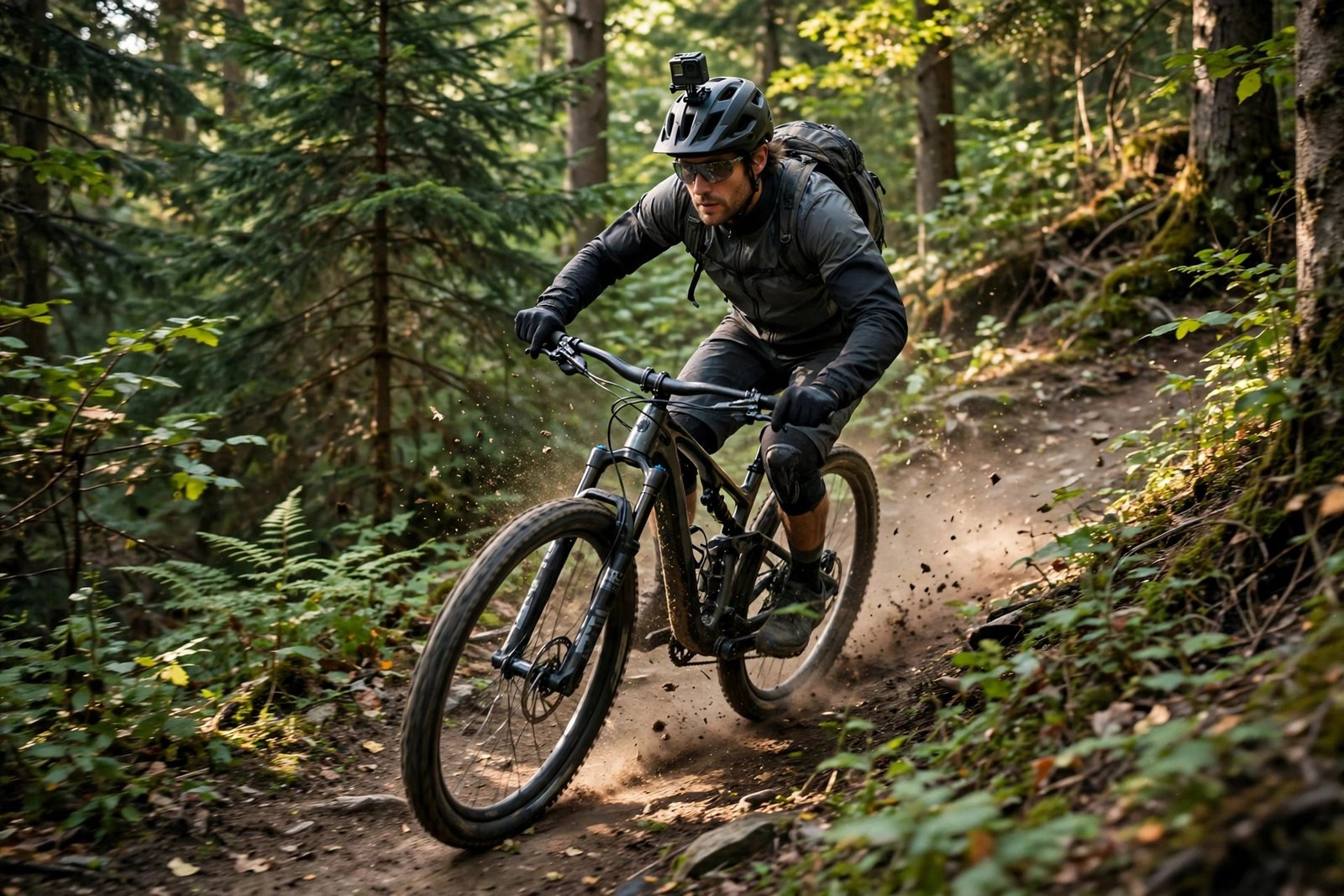
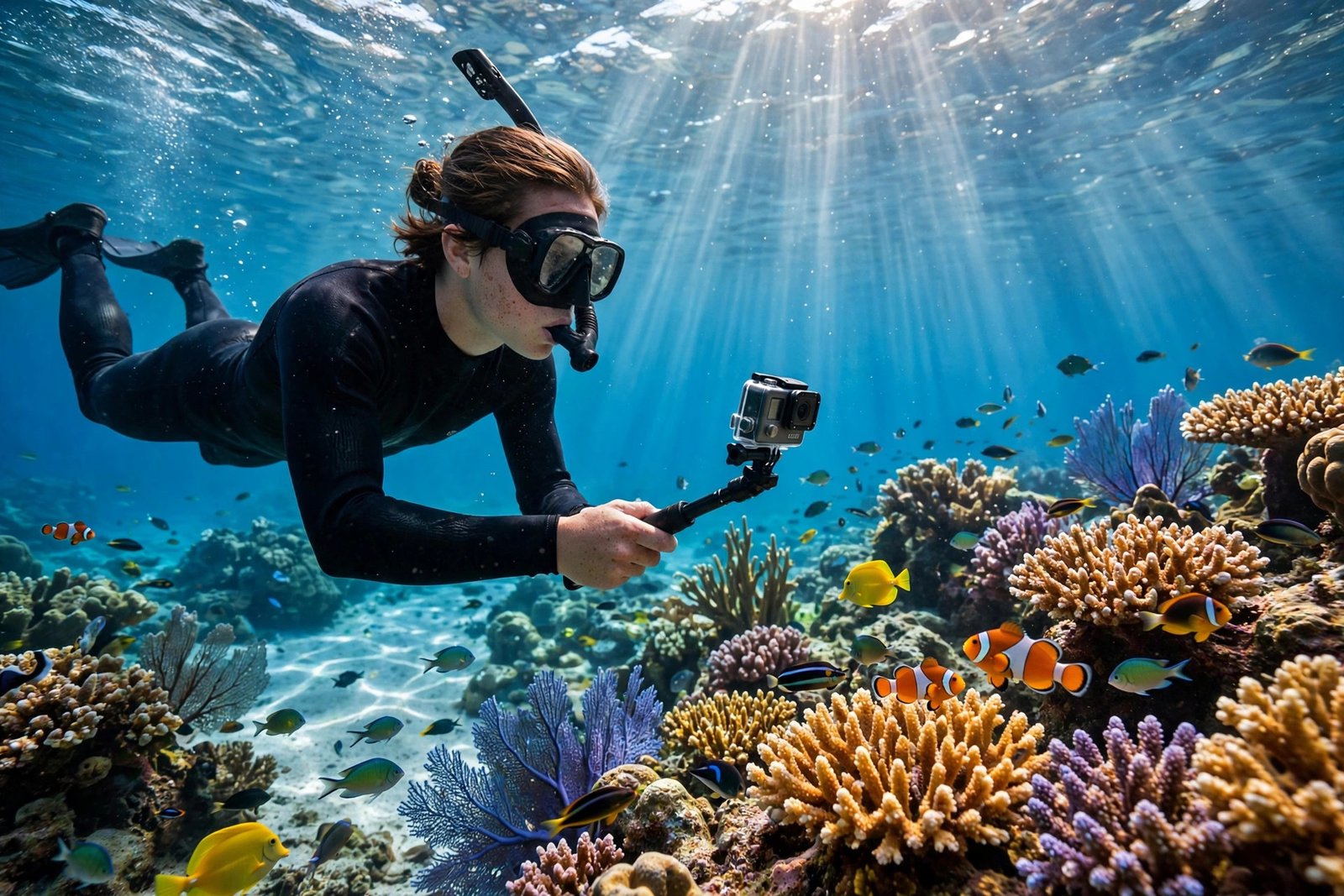
Both cameras are waterproof without a separate housing, which is a major practical advantage over older action cameras. The Hero 13 Black is waterproof to 10 metres, which covers swimming, snorkelling and surfing. The Osmo Action 5 Pro is waterproof to 20 metres, which covers deeper snorkelling and shallow dives. Neither depth rating is a reason to take the camera scuba diving without a proper housing; check the manufacturer’s guidance for diving, and rinse the camera in fresh water after salt water.
Comparison table
| Feature | GoPro Hero 13 Black | DJI Osmo Action 5 Pro |
|---|---|---|
| Maximum video | 5.3K | 4K at up to 120fps |
| Waterproofing | 10 metres | 20 metres |
| Screens | Front and rear touchscreens | Front and rear touchscreens |
| Battery life | Shorter; spares recommended | Longer; best in class |
| Internal storage | None; microSD only | Built-in storage included |
| Stabilisation | HyperSmooth with horizon lock | RockSteady with horizon balancing |
| Lens options | Magnetic lens mods | Standard lens; add-on filters |
| App | Quik, with subscription extras | Mimo, simpler and free |
Caption: GoPro Hero 13 Black vs DJI Osmo Action 5 Pro compared on video, waterproofing, battery and handling. Check the current price before buying, as both cameras are regularly discounted.
The table shows the real shape of the choice. GoPro leads on resolution and creative options; DJI leads on battery, depth and simplicity. Neither camera is weak in the areas where it loses. The decision is about which strengths match your filming.
How to choose: a five-minute decision framework
Work through these questions before you spend anything. They cut through the spec sheets and point at the camera you will actually enjoy using.
- Where will you film most? Daylight and action sports favour GoPro’s detail. Dawn, dusk and indoor filming favour DJI’s low-light performance.
- How long are your days out? Full days without charging favour DJI’s battery life. Short sessions with access to charging suit either camera.
- Will you go in the water? Snorkelling and swimming suit both. Deeper water favours DJI’s 20-metre rating, though neither replaces a dive housing.
- How much do you want to edit? Heavy grading and reframing favour GoPro’s 5.3K and log footage. Quick phone edits favour DJI’s simpler app.
- Do you already own mounts? Existing GoPro mounts argue for staying with GoPro. Starting from scratch argues for DJI’s magnetic system.
- What is your budget? Check the current price of both flagships and their predecessors. A discounted Action 4 or Hero 12 Black often beats a full-price flagship for value.
If you film in the water, our guide to the best action cameras for snorkelling compares waterproof options in detail. If you are starting a channel, see the best cameras for YouTube beginners for cameras that suit filming and talking to camera. For a different way to capture everything around you, read the best 360 cameras guide.
Frequently asked questions
Which is better, GoPro or DJI?
Neither brand is better in every way. GoPro wins on image quality, resolution and accessories; DJI wins on battery life, waterproof depth and ease of use. Choose GoPro for maximum quality and flexibility, and DJI for longer days and simpler handling.
Is the DJI Osmo Action 5 Pro waterproof?
Yes, it is waterproof to 20 metres without a separate housing, according to DJI. Rinse it in fresh water after use in the sea, and check the manufacturer’s guidance before taking it diving.
Can I use GoPro mounts with a DJI camera?
Not directly, as the mounting systems differ, though adapters exist. DJI uses a magnetic quick-release system, while GoPro uses its folding-finger mount. Check adapter compatibility before assuming your existing mounts will fit.
Do I need a GoPro subscription?
No. The camera works fully without one. A subscription adds cloud backup, auto-editing features and a camera replacement benefit, but it is optional and you can edit footage in any app without it.
Which action camera is best for beginners?
The DJI Osmo Action 5 Pro is the easier camera for a beginner, thanks to its simple menus, dual screens and long battery life. A GoPro is also fine for a beginner who is willing to spend a little time learning the settings.
Is 5.3K worth it over 4K?
It is worth it if you crop, reframe or stabilise heavily in editing, as the extra resolution gives you room to work. If you upload straight to social media without reframing, 4K is enough and uses less storage.
The bottom line
The GoPro vs DJI action camera question has no single winner, but it does have a right answer for you. GoPro gives you the sharpest footage, the widest creative options and the biggest accessory system, and it asks you to manage batteries and settings in return. DJI gives you longer battery life, deeper waterproofing, simpler handling and usually a lower price, and it asks you to accept 4K instead of 5.3K.
For most buyers in 2027, the DJI Osmo Action 5 Pro is the smarter purchase: it lasts longer, is easier to use and costs less for footage that looks excellent in almost every situation. If you grade footage seriously, reframe in editing or already own GoPro mounts, the Hero 13 Black is worth the extra effort and expense.
Your next step is simple: decide where you will film most, check the current price of both flagships and their discounted predecessors, and buy the camera whose strengths match your days out. Then take it somewhere wet, muddy or fast, and test it properly before the trip that matters.