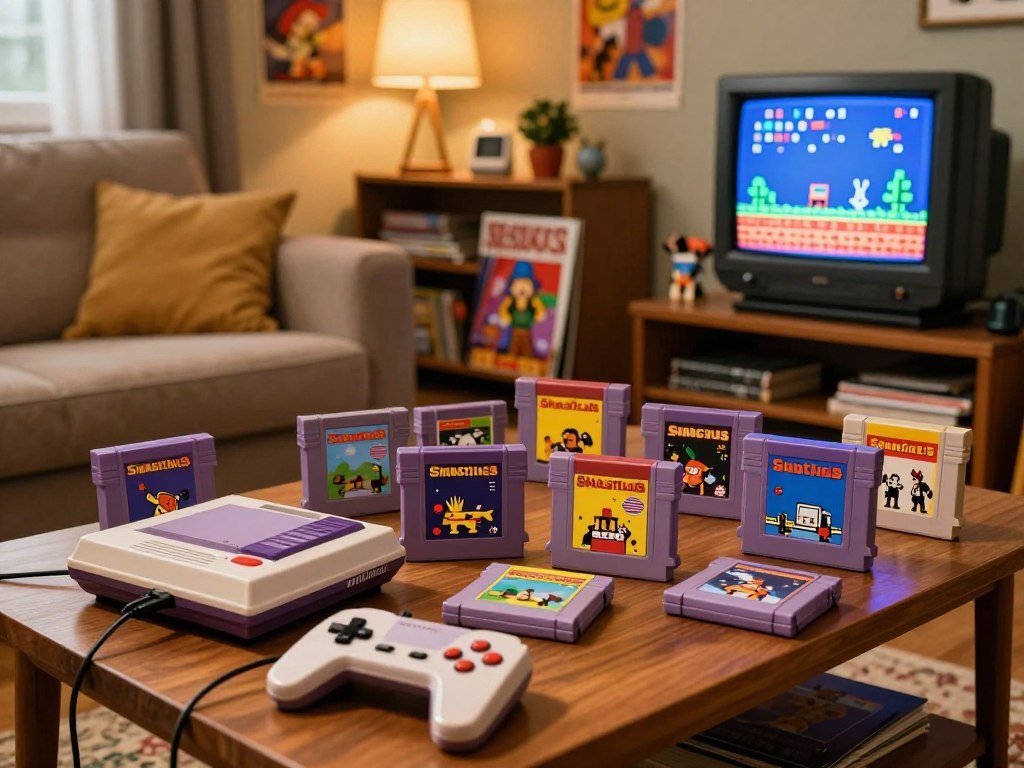
The SNES library is full of games that are still easy to recommend, whether you want a quick race or a long adventure. People return to these games for clear controls, memorable worlds, and the fun of learning a new challenge over time. This ranking balances lasting gameplay, variety, and each game’s place in gaming history.
You’ll find 30 picks across adventure, platforming, racing, fighting, role-playing, and puzzle games. Jump to a genre that suits your mood, or start at the top and see which style catches your eye. An on-rails shooter is a shooter that moves the player along a set route while the player aims and fires.
Key Takeaways
- The ranking weighs gameplay, variety, and historical importance.
- Adventure, racing, fighting, and puzzle games all have a place.
- Choose by genre if you already know what you enjoy.
- Check the current game catalog before planning a digital play session.
- Treat the ranking as a starting point, then choose the game whose style sounds fun to play today.
Which Best SNES Games deserve an early spot in the ranking?
Donkey Kong Country takes the first spot here for its memorable platforming, while A Link to the Past is the stronger choice for a longer adventure. These different strengths make them useful entry points for players with different tastes.
The best SNES games of all time are a matter of taste, but these two offer distinct, accessible ways into the library. The top 10 picks are spread through the first five ranking sections, so the opening pair is only the start.
Pick a game for the kind of play you want, not only for its place in a ranking.
1. Donkey Kong Country
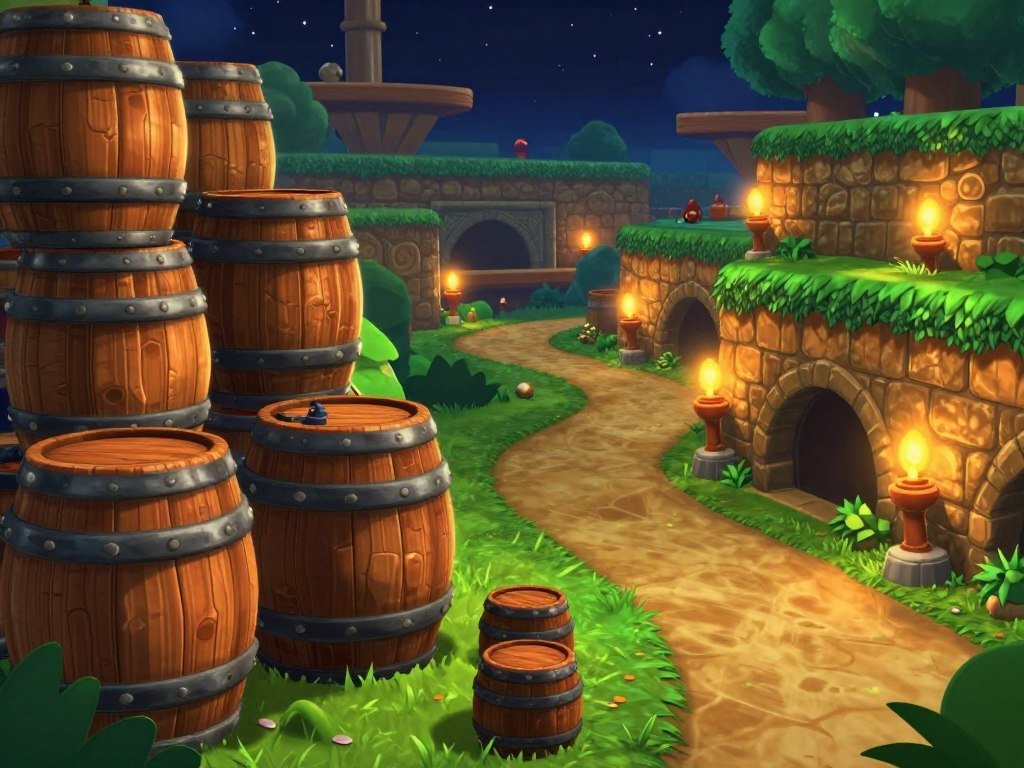
Donkey Kong Country earned the top spot through tight movement and levels that invite another run. Barrel cannons launch Donkey Kong and Diddy Kong between platforms, while hidden paths reward a careful look around.
Its pre-rendered 3D artwork was converted into 2D sprites and background tiles. That approach gave the game a striking look, and its clear stage goals still make it easy to return to.
In a 25-game SNES list, Donkey Kong Country ranked No. 1. Its estimated average playtime is 6-10 hours, and its score is 9.8. The estimated 6-10-hour playtime suits a focused replay.
2. The Legend of Zelda: A Link to the Past
A Link to the Past trades quick stages for exploration, dungeons, and a light-and-dark world. Its map gives you room to test new routes, while its dungeons offer a steady stream of puzzles and battles.
The North American release arrived in 1992, after the Japanese release in 1991. It is listed for SNES, Game Boy Advance, and Nintendo Switch Online. Its estimated average playtime is 15-20 hours, with a score of 10.
That longer length gives the adventure more room to grow. Choose Donkey Kong Country for a shorter run, or set aside more time for Zelda’s estimated 15-20-hour journey.
A Link to the Past’s classic top-down design also suits readers comparing Zelda adventures by play style.
Which SNES adventures make exploration rewarding?
Super Metroid is the pick for players who want to uncover a connected world, while Chrono Trigger suits anyone drawn to time travel and branching endings. Both make discovery part of the main reward, but one centers on place and the other on story.
Choose Super Metroid for atmospheric exploration and Chrono Trigger for a time-spanning role-playing game (RPG). These two best SNES adventure games give you very different reasons to keep moving.
Super Metroid links rooms and regions in ways that reward attention. New tools open routes that once seemed out of reach, giving each return trip a purpose.
Chrono Trigger builds its story around time travel, with events across different eras shaping the adventure. Multiple endings give you a reason to revisit key choices after the first finish.
| Rank | Game | North American release year | Genre | Replay appeal |
|---|---|---|---|---|
| 3 | Super Metroid | 1994 | Exploration action-adventure | Connected areas and discovery |
| 4 | Chrono Trigger | 1995 | Time-travel RPG | Multiple endings |
| 5 | EarthBound | 1994 | Contemporary-setting RPG | Offbeat humor and characters |
| 6 | Final Fantasy III | 1994 | Ensemble RPG | Dramatic fantasy story and Kefka |
EarthBound moves its role-playing story into a modern setting, then fills it with odd humor and memorable characters. Its familiar surroundings make its strange events stand out.
Final Fantasy III is the North American title associated with Final Fantasy VI, its international title. Its ensemble cast and dramatic fantasy story build toward Kefka, one of the game’s central figures.
For a first exploration-heavy adventure, start with Super Metroid and let its sense of discovery set the pace.
Which platformers stay satisfying on repeat runs?
Super Mario World is the more immediate pick for clean platforming, while Yoshi’s Island offers a more unusual look and a different rhythm. Both reward practice, though they ask for different kinds of attention.
Choose Super Mario World for open route-finding, or Yoshi’s Island for a structured run through 48 levels. Each turns simple movement into a reason to replay.
7. Super Mario World
Super Mario World arrived in 1990 and gives Mario precise, approachable controls. Its jumps feel easy to read, but hidden routes and extra exits make familiar levels worth another look.
Yoshi adds another layer to those stages. Riding him can help Mario cross gaps and handle enemies, while secret paths reward players who explore beyond the obvious route.
Players who enjoy approachable platforming can compare these styles with other great platformer games to play today.
8. Yoshi’s Island
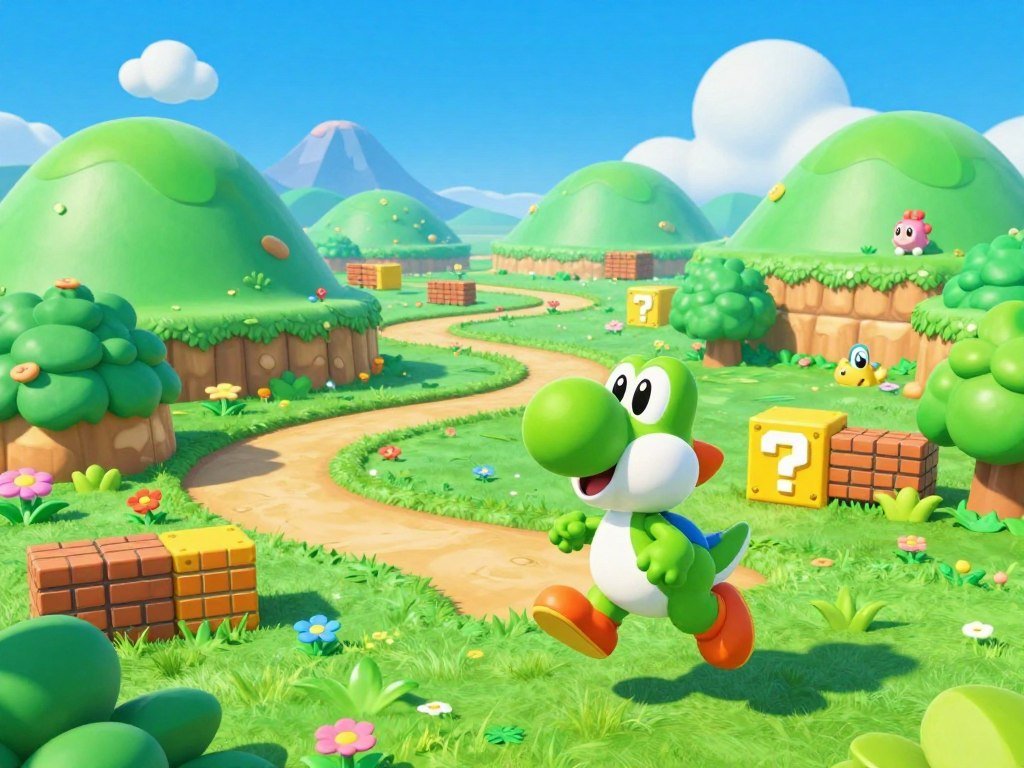
Yoshi’s Island arrived in 1995 with a hand-drawn look that resembles a coloring book. Yoshi throws eggs at targets, while the task of protecting Baby Mario adds pressure to each level.
That setup changes the pace from Mario’s direct jumps. Yoshi needs to aim carefully and manage eggs, so even a short stage can ask for patience.
The game’s 48 levels create a clear sense of progress. Its Super FX 2 chip supports the game’s visual style, but the hand-drawn presentation remains its most striking feature.
Pick Super Mario World for flexible route-finding, or Yoshi’s Island when you want a more structured level-by-level challenge.
Which Donkey Kong Country sequels add new challenges?
Diddy’s Kong Quest is the natural next step for players who want more of the original’s platforming style. Release order also gives you a clear path through the SNES trilogy.
Try the 1995 sequel before the 1996 entry if you want to follow how the series changed over time. Each game keeps the side-scrolling action while giving its lead characters a different role.
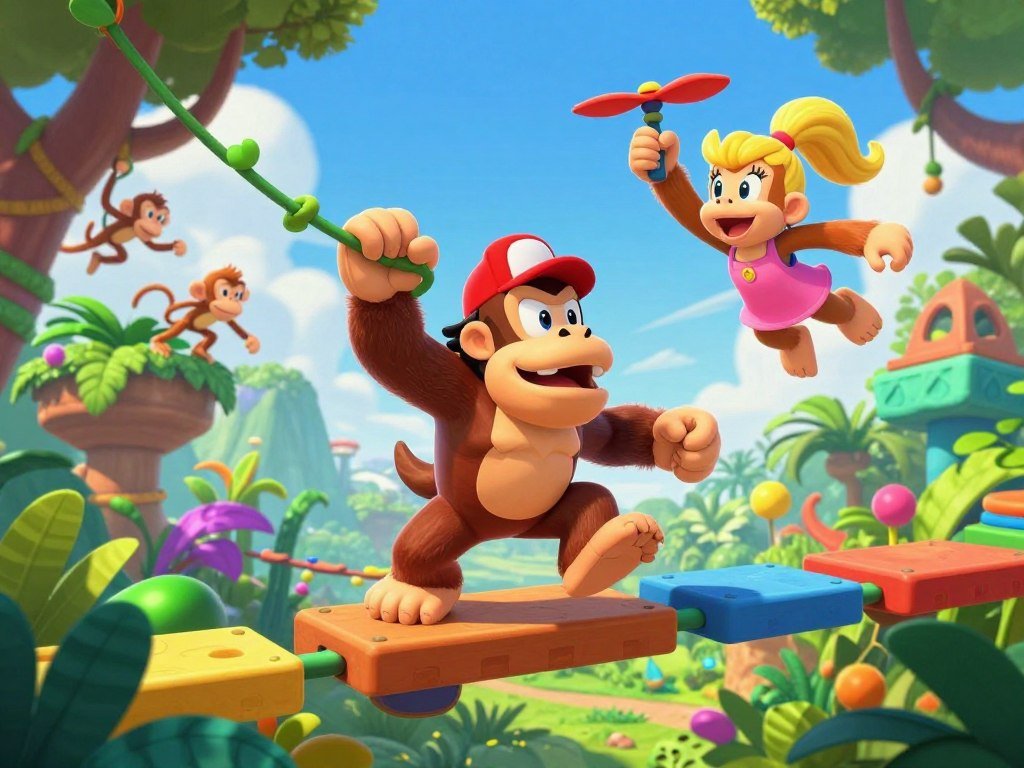
- 9. Donkey Kong Country 2: Diddy’s Kong Quest
- 10. Donkey Kong Country 3: Dixie Kong’s Double Trouble!
Diddy’s Kong Quest brings Diddy and Dixie together in a focused follow-up. Their different abilities give the stages a fresh feel, while the central goal keeps the adventure moving.
Dixie Kong’s Double Trouble! sends Dixie into a new adventure with Kiddy. Their partnership changes how you approach jumps, enemies, and the spaces between platforms.
The two sequels make good choices after the first game, but the 1995 entry comes first. Play the sequels in release order if you want to follow how the SNES trilogy developed.
Which SNES racers remain easy to pick up?
Super Mario Kart is the pick for friendly, item-filled races, while F-Zero is the more demanding speed challenge. The difference is clear as soon as you take the first turn.
Super Mario Kart adds character-based competition, while F-Zero asks you to control speed on tight courses. Both use Mode 7, which makes flat backgrounds appear to rotate and scale like three-dimensional tracks.
| Rank | Game | North American release year | Racing style | Replay appeal |
|---|---|---|---|---|
| 11 | Super Mario Kart | 1992 | Character-based kart racing | Items and Battle Mode |
| 12 | F-Zero | 1990 | Futuristic high-speed racing | Tight course control |
| 13 | NBA Jam | 1994 | Arcade basketball | Fast, exaggerated play |
| 14 | Super Punch-Out!! | 1994 | Timing-based boxing | Learning opponent patterns |
Super Mario Kart uses Mode 7 to make its tracks feel like open courses. Items give races a playful edge, and split-screen play makes local competition easy to follow.
F-Zero was a 1990 launch title, and its high speed puts more weight on clean turns than on attacks. Each course becomes a test of control rather than item timing.
NBA Jam brings exaggerated arcade basketball, while Super Punch-Out!! turns each bout into a study of opponent patterns. They broaden the racing group’s appeal beyond the track.
Choose the kart racer for multiplayer variety and F-Zero when mastering a course matters more than racing a friend.
For a newer family gathering, Nintendo Switch games for families offer more choices for shared play.
Which SNES fighters reward learning their moves?
Street Fighter II is the more direct recommendation for learning a fighting-game roster, while Mortal Kombat II stands out for its darker spectacle. Practice matters in both, since timing and move inputs shape each match.
Players willing to learn a character’s moves will get more from either fighter. Street Fighter II focuses on distinct fighting styles, while Mortal Kombat II leans into its dark look and finishing moves.
- 15. Street Fighter II: The World Warrior
- 16. Mortal Kombat II
Street Fighter II: The World Warrior arrived in 1991. Its roster gives each fighter distinct moves, so learning one character can change how you approach a matchup.
Players can test different tactics as they learn when to attack, block, or use a special move. That makes each match a small lesson in timing.
Mortal Kombat II arrived in 1993 and takes a darker path. Its recognizable fighters and dramatic finishing moves create a very different tone from Street Fighter II.
Neither game gives its best moments to button presses alone. Learn a few moves and watch your opponent’s timing before choosing a main character.
Try a few characters in each game before deciding which control style feels better.
Which SNES role-playing games mix story and action?
Super Mario RPG is the lighter entry point for readers who want a familiar cast and turn-based battles with active timing. Secret of Mana is the choice for real-time combat and cooperative play.
Super Mario RPG: Legend of the Seven Stars uses timed battle inputs, while Secret of Mana lets you fight in real time. Both bring color and movement to role-playing gameplay.
17. Super Mario RPG: Legend of the Seven Stars
Super Mario RPG: Legend of the Seven Stars arrived in 1996. It pairs an isometric view with turn-based battles that reward well-timed button presses.
Mario’s familiar cast gives the story an easy starting point. Humor keeps the adventure light, and party members bring different skills to battles.
The timing system gives you a small task during each turn. A well-timed input can make an attack feel active without changing the turn-based structure.
18. Secret of Mana
Secret of Mana arrived in 1993 and shifts to real-time combat. Its bright sprites make the world easy to read as players move and fight.
Cooperative play lets friends join the adventure, giving the action a social side. The soundtrack by Hiroki Kikuta adds a memorable musical voice to the journey.
The two games suit different moods: one is built around timed commands, and the other around movement and real-time attacks. Choose Secret of Mana if real-time combat and a sweeping soundtrack matter more than timed battle commands.
Which SNES games make the hardware feel ambitious?
Star Fox is the clearest pick for seeing the SNES attempt polygon-based 3D, while Axelay changes perspective from stage to stage. Each approach adds a different feel to its action.
Star Fox uses the Super FX chip for 3D polygon graphics, while the other games mix effects and viewpoints in their own ways. These SNES games make technical limits part of the play.
| Rank | Game | North American release year | Technical approach | What it adds to play |
|---|---|---|---|---|
| 19 | Star Fox | 1993 | Super FX polygon graphics | Fast on-rails space combat |
| 20 | Axelay | 1992 | Mode 7 and side-scrolling stages | Changing viewpoints |
| 21 | Stunt Race FX | 1994 | Super FX polygon graphics | Three-dimensional racing |
| 22 | Rendering Ranger R2 | 1995 | Large sprites and parallax effects | Run-and-gun and shoot-’em-up stages |
Star Fox turns its polygon graphics into fast space combat. The game moves your ship along a set route as you aim and fire, so route choices and targets shape each run.
Axelay shifts between pseudo-3D and side-scrolling stages. Those changing viewpoints keep its shoot-’em-up action from feeling locked to one angle.
Stunt Race FX uses the Super FX chip for polygon racing. Rendering Ranger R2 pairs large sprites and parallax effects with run-and-gun and shoot-’em-up stages.
Rendering Ranger R2 is a rare Super Famicom release, not a standard North American SNES release. Choose Star Fox for a playable glimpse of early console 3D rather than judging it by modern frame rates.
Which SNES action games make every run intense?
Contra III is the sharper choice for a fast, demanding run, while Super Castlevania IV rewards players who want a slower gothic action platformer. The pace sets them apart.
Contra III’s short completion time suits players who prefer a compact campaign. Super Castlevania IV takes more time to build tension through its stages, music, and visual effects.
- 23. Contra III: The Alien Wars
- 24. Super Castlevania IV
Contra III: The Alien Wars arrived in 1992. Its run-and-gun levels move between overhead and side views, changing how you avoid attacks and aim.
The game’s compact campaign makes it a strong choice when you want a complete burst of action. Its difficulty keeps each attempt tense without asking for a long commitment.
Super Castlevania IV arrived in 1991 and follows Simon Belmont through gothic stages. His whip gives you a flexible way to attack enemies and interact with the environment.
The haunting soundtrack helps set the mood, while creative Mode 7 effects bring rotating-room moments to the action. Pick Contra III for concentrated bursts of action and Castlevania when atmosphere is part of the appeal.
What makes The Lost Vikings a distinctive puzzle platformer?
The Lost Vikings stands apart because progress depends on coordinating three characters instead of controlling one hero. Planning first matters more than quick reflexes.
Rank 25 pairs three different abilities to solve each level’s problems. Baleog, Erik, and Olaf must work together to reach the exit, making the game feel like a string of small puzzles.
Baleog handles combat, Erik can run and jump, and Olaf uses his shield to block danger. Switching between them lets you match the right skill to each obstacle.
One Viking may need to hold a position while another crosses a gap. These steps make the level feel like a plan you can test, not a race to the door.
The game also uses humor to keep its puzzle-platforming light. Its three heroes give each stage a distinct shape, even when the goal stays simple.
Fast movement helps, but rushing can leave one Viking stranded. Choose it when you want each level to feel like a small problem to solve.
Which SNES games are best for puzzles or shared play?
Tetris Attack suits quick matching rounds, while Super Bomberman is the strongest choice here for a group. Different session styles make these four games easy to revisit.
Tetris Attack is not a Tetris-style falling-block game, despite its Western title. It raises puzzle pieces from the bottom, asking you to make matches before the board fills.
| Rank | Game | North American release year | Main style | Best reason to revisit |
|---|---|---|---|---|
| 26 | Tetris Attack | 1995 | Rising-panel puzzle game | Quick matching rounds |
| 27 | Tetris & Dr. Mario | 1994 | Two-puzzle-game collection | Versus mode alternates between games |
| 28 | Super Bomberman | 1993 | Multiplayer maze action | Play with up to three friends using a Super Multitap |
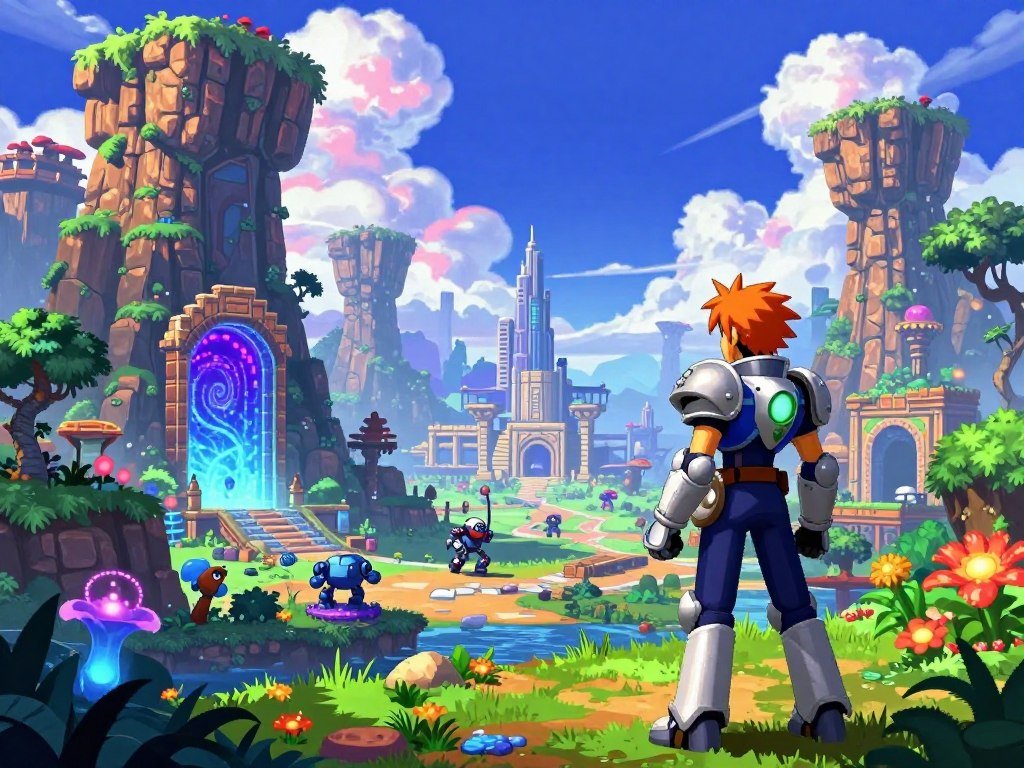
| 29 | Mega Man X | 1993 | Action platformer | Wall-jumping and dash mechanics |
Tetris & Dr. Mario offers two puzzle games, with a two-player versus mode that alternates between them. The change keeps a match from settling into one routine.
Super Bomberman turns a maze into a contest of timing and placement. A Super Multitap lets up to three friends join, making it the group pick in this set.
Mega Man X trades puzzle rounds for fast movement. Wall-jumping and dashing give its action platforming a precise feel. Pick Mega Man X instead when you want precise platforming and movement upgrades.
Which SNES game combines city building with action?
ActRaiser is the unusual pick for players who want a little city management between action stages. The shift in control is its defining feature.
ActRaiser is rank 30 and alternates between settlement planning and sword-based action. That mix gives the game a shape that differs from a standard action title or simulation.
In its overhead mode, you guide a settlement as it grows. The view makes the player think about the community, rather than only the next enemy.
Side-view stages then put the focus on direct combat. You use a sword to fight through dangers, with a clear change from the quieter settlement work.
Yuzo Koshiro composed the soundtrack, which gives both modes a strong musical identity. The music helps the game feel joined together despite its split design.
ActRaiser works best when you enjoy changing tasks instead of repeating one kind of play. Try it if switching between thoughtful planning and direct combat sounds more appealing than a single-mode game.
How can you play SNES games on original hardware or an emulator?
The easiest setup depends on whether you value original hardware, convenient access, or flexible controls. Three options cover most ways to play.
Original cartridges need compatible hardware, while emulators run game software on another device. The SNES is a 16-bit console, and Super Famicom is its Japanese name.
- Original SNES hardware with a compatible cartridge.
- A licensed modern service that offers selected games.
- An emulator on a compatible device.
Original hardware gives you the feel of using the console and its cartridges. A modern licensed service can be easier to access, while an emulator offers more control over the device and setup.
Clear, responsive games such as platformers, racers, and puzzle games are straightforward emulator choices. Check controller mapping and the specific game version before a longer session.
Emulators can use different settings and controller layouts, so a test run can reveal awkward buttons early. Guides to emulators by platform and use case can help you compare software.
Choose software that fits your device and the game you want to play. Test the controller mapping before starting a long session, especially for games that depend on precise movement.
How can you check which SNES games are on Switch?
A classic SNES release should not be assumed to appear in a current Switch catalog; verify each game by its exact title. Check each title rather than guessing from the console name.
Only selected titles are available through Nintendo Switch Online. A Link to the Past, Super Metroid, and Donkey Kong Country are listed for the service.
The full SNES library is not the same as a service catalog. Listings can also vary by region or by the version offered, so a game’s old release does not confirm current access.
- Search the exact title in the current catalog.
- Confirm the relevant service and region.
- Check the available version before planning to play.
Those steps help separate a game’s original release from a later version or collection. They also make it easier to spot when a title appears under a different name.
Readers looking for the best SNES games not on Switch can identify them only by checking each title against the current catalog. Check the catalog again before subscribing or choosing a game, since digital availability can change.
Which classic should you replay first?
Start with the genre you already enjoy, then use the ranking to choose a game that fits the time and company you have. Your preferred style is a better guide than a disputed rank.
The ranking is a guide, not a rule, and genre preference makes a better tie-breaker than arguing over positions. These five starting points cover different kinds of play.
Choose the game that fits your mood and the people beside you, then give it a real first session.
- Super Mario World for approachable platforming.
- A Link to the Past for exploration.
- Super Mario Kart for pick-up-and-play racing.
- Chrono Trigger for a story-led RPG.
- Super Bomberman for group play.
Each choice makes a different promise. Super Mario World offers clear jumps, while A Link to the Past gives exploration room to unfold.
Super Mario Kart works well when you want to start racing quickly. Chrono Trigger suits a longer story, and Super Bomberman gives a group a shared contest.
If you enjoy comparing classic Nintendo systems, the best Nintendo 64 games offer another broad set of genres. You can also compare ranked GameCube picks by style and play preference.
If you are undecided, begin with Super Mario World and switch to a longer adventure when you want a bigger commitment.
Conclusion
The most rewarding replay is the one that matches what you feel like playing now. The best SNES games offer different kinds of fun, from exploration and competition to a story or a quick session.
Choose one title that fits your mood and start its first level or race. A short first session can tell you whether its pace and controls feel right.
Give the game time to show what makes it work, especially if its opening asks you to learn new moves. Choose one game, start it, and give it a fair first session before deciding what to play next.
FAQ
How long does it take to finish A Link to the Past?
A Link to the Past takes an estimated 15-20 hours to finish on an average run. Your own time can change with exploration, optional content, and how quickly you solve dungeons. Players who follow the main path may move at a different pace from those who search every area. The game’s world rewards taking time to look around.
Which SNES games are good for two players?
Super Mario Kart, Tetris & Dr. Mario, and Super Bomberman are good SNES picks for two players. Super Mario Kart and Tetris & Dr. Mario offer versus play, while Super Bomberman supports multiplayer maze action. The right fit depends on whether you want a race, a puzzle contest, or a shared screen full of bombs. Check the game mode for the kind of play you want.
Is every SNES game available on Nintendo Switch Online?
No, Nintendo Switch Online offers selected SNES titles rather than every game from the console. A game’s original release does not mean it appears in the current service catalog. Search for the exact title and confirm the service and region before planning to play. Catalogs can change, so check the listing close to your play date.
What is the difference between the SNES and Super Famicom?
SNES and Super Famicom are North American and Japanese names for Nintendo’s 16-bit console. The systems belong to the same console generation, but game versions can differ by region. Differences may include a title’s name, language, or release details. Make sure the cartridge or game version matches the hardware you plan to use.
Do I need an original SNES controller to play these games?
No, you do not need an original SNES controller if you have a compatible controller. A modern gamepad can work, but its button layout may differ from the original design. Check the mapping before a session, especially for games with precise jumps, fast turns, or timed moves. A short test can help you adjust before a longer run.
Is Super Metroid a good first exploration game?
Yes, Super Metroid is a good first exploration game if you enjoy discovery and interconnected areas. Its estimated average playtime is 10-15 hours, giving you a clear commitment before you start. The game rewards looking for paths that open as you gain new tools. Players who prefer a straight route may want a more linear adventure instead.