A good espresso setup can be difficult to dial in if the grinder cannot make small, repeatable changes. Espresso needs fine settings, while many home baristas also want one grinder for other brewing methods.
Grind retention means the coffee that remains inside a grinder after a dose is ground. It can affect how much coffee reaches your cup, especially when you switch beans or brew styles.
We’ll look at practical picks for different budgets and routines, from manual grinding to weight-based dosing. The right choice is the grinder that fits both your espresso routine and the other coffee you make.
Key Takeaways
- The DF54 is a value-focused choice for espresso and filter brewing.
- The Baratza Encore ESP suits buyers near a $200 budget.
- Stepless adjustment helps you make small espresso changes.
- Weight-based dosing can reduce hands-on stopping.
- Manual grinders trade motorized convenience for portability.
- Choose by workflow, brew range, counter space, and budget.
Which Is the Best Espresso Grinder for Home Use?
For a home setup that needs to handle both espresso and filter coffee, start with the DF54. It is a value-focused pick for home baristas who want one electric grinder across those methods.
The best espresso grinder for home use depends on whether you prioritize budget, brew-method range, dose weighing, or manual portability. The Baratza Encore ESP is a clear entry-level electric option, while the Eureka Mignon Specialita offers stepless adjustment with flat burrs.
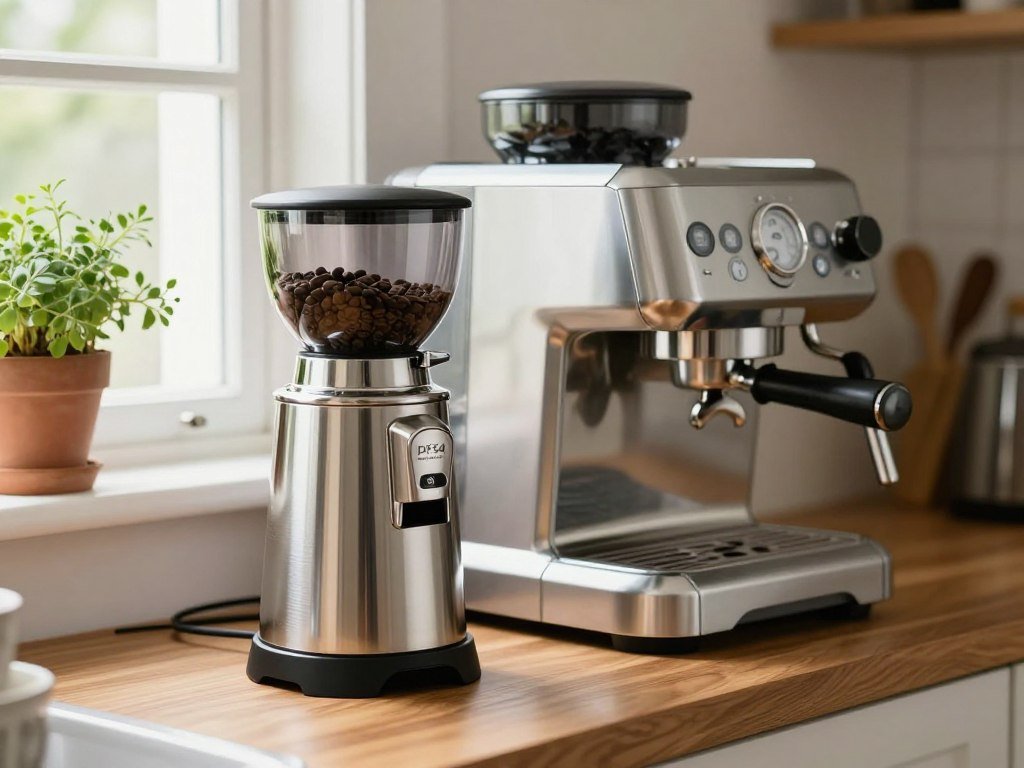
Eureka’s Mignon Libra and Atom W models fit people who want grind-by-weight dosing. The 1Zpresso K-Ultra is a manual option for espresso and filter brewing, especially when portability matters.
| Grinder | Best fit | Workflow advantage |
|---|---|---|
| DF54 | Espresso and filter on a value budget | Single-dose workflow across two methods |
| Baratza Encore ESP | Entry-level electric espresso setup | Espresso-focused adjustment with broader use |
| Eureka Mignon Specialita | Flat-burr espresso grinding | Stepless changes for fine tuning |
| Eureka Mignon Libra or Atom W | Grounds weighed during dosing | Weight-based dosing supports repeatable portions |
| 1Zpresso K-Ultra | Manual espresso and filter brewing | Portable grinding without a motor |
These coffee grinders solve different problems, so compare the price with the feature you will use each day. A low-cost option may suit a simple routine, while weight-based dosing can help when convenience matters more.
Choose the pick that solves the workflow problem you face most mornings.
How Should You Match a Grinder to Your Brewing Methods?
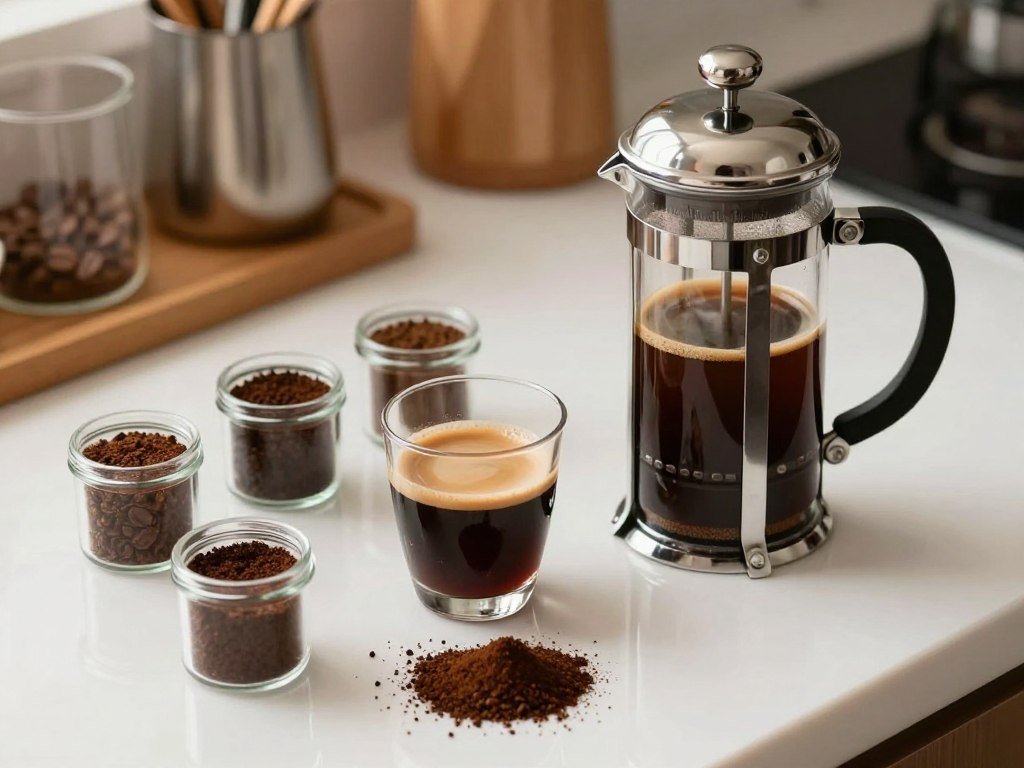
A person making espresso every morning has different grind-range needs from someone who switches between espresso and French press. Range matters because each method calls for a different particle size.
Choose a grinder that reaches the finest setting you need and repeats settings when you switch methods. Espresso uses a fine grind, pour-over uses a medium grind, and French press uses a coarse grind.
| Brewing method | Typical grind | What to prioritize |
|---|---|---|
| Espresso | Fine | Small, repeatable adjustments |
| Pour-over | Medium | Stable settings and even grounds |
| French press | Coarse | A useful coarse range |
Some coffee grinders cover several brewing methods, but they may feel less satisfying at the coarsest end. The Fellow Opus can cover espresso, pour-over, drip coffee, French press, and cold brew. The DF54 focuses on espresso and filter, with optional filter burrs available.
A grinder for switching methods needs useful range and settings you can return to. An espresso-only routine can place more weight on fine adjustment and less on the widest range.
- Check whether the grinder reaches espresso-fine settings.
- Check whether it reaches the coarser methods you use.
- Check whether you can repeat changes when switching settings.
Choose for the least forgiving method you brew regularly, not just the one you make most often.
Do Flat or Conical Burrs Suit Espresso Better?
Burr shape is one useful comparison, but it cannot tell you by itself how well a grinder will fit your espresso routine. Shape alone does not settle the choice.
Adjustment, alignment, and intended use matter alongside burr geometry. A burr grinder crushes beans between two burrs, while a blade grinder cuts them with spinning blades.
What a conical burr design offers
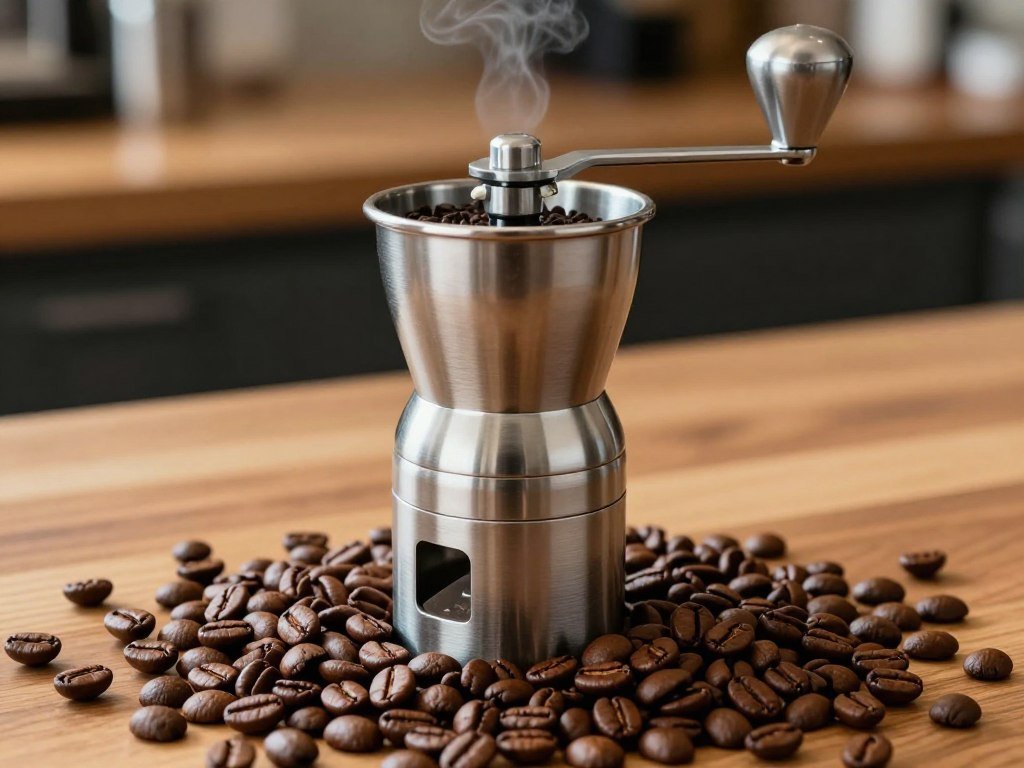
A conical burr set has a cone-shaped burr inside a ring-shaped burr. Beans move between those surfaces as the grinder turns, and the design appears in many home coffee grinders.
The Fellow Opus is one example, using conical burrs in a grinder made for several brewing methods. Its range makes it an option for households that move between espresso and brewed coffee.
When flat burrs fit the workflow
Flat burrs use two flat, ring-shaped surfaces to grind the beans. This design can work well for espresso, but the shape does not guarantee better coffee by itself.
A well-aligned burr set and useful grind settings matter in daily use. A blade grinder cannot control particle size in the same way, so it is not a practical substitute for espresso grinding.
Treat burr geometry as one buying factor, then judge the whole grinder by its adjustment and workflow.
Which Dosing System Fits Your Espresso Routine?
A home barista changing beans often will usually appreciate a single-dose workflow more than a full hopper. Frequent changes make weighed portions easier to manage.
Single-dose grinding suits weighed portions and bean changes, while a hopper can suit a steady daily routine. The best setup is one you can use consistently without slowing down every cup.

When single-dose grinding makes sense
Single-dose grinding means grinding a pre-weighed portion without leaving beans in a hopper. You weigh each dose before grinding, then catch the grounds in a cup or portafilter.
This routine appeals if you rotate coffee beans or want to control each portion closely. The Baratza Encore ESP Pro can work as a single-dose grinder or with a hopper.
When timed or weight-based dosing helps
A timed grinder runs for a set period, so the amount can shift as beans or settings change. Grind-by-weight dosing weighs grounds as they leave the grinder, which can reduce hands-on stopping.
The Eureka Mignon Libra has two programmable dosing options. Its built-in scale weighs the grounds as they are dispensed and stops at the target dose.
A hopper can make a regular bean and routine quicker to handle. Single dosing makes more sense when you change beans often or carefully weigh portions before each grind.
Pick the dosing method you can repeat accurately when you are making coffee half-awake.
Which Baratza Encore ESP Model Fits Your Budget?
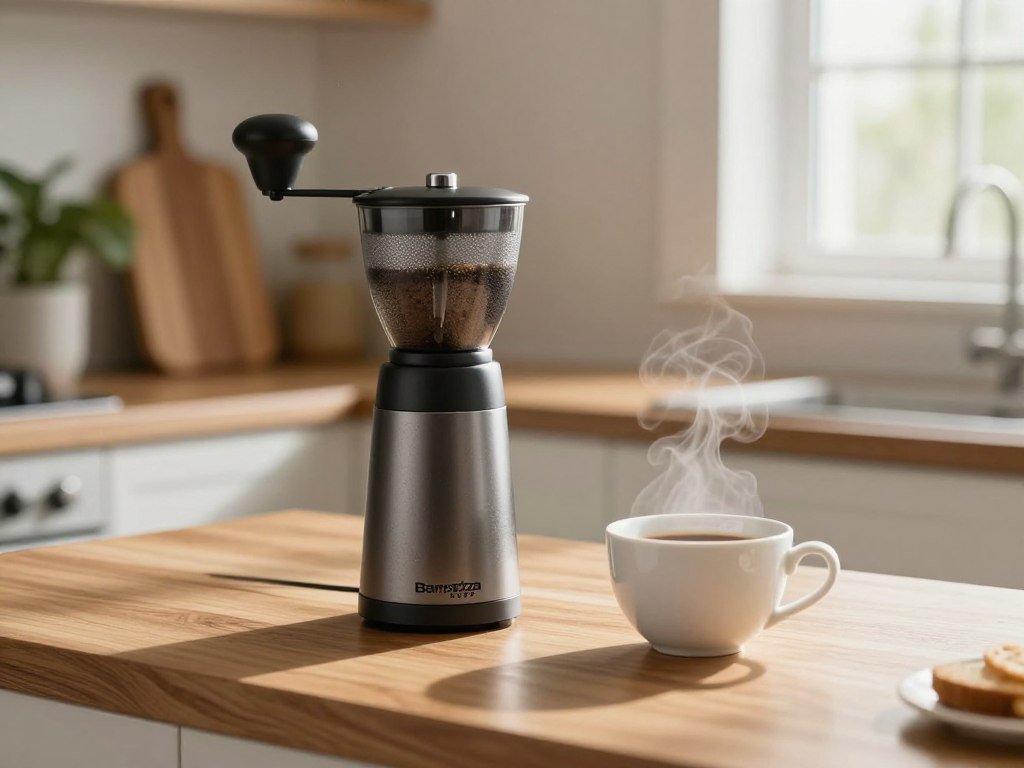
The standard Baratza Encore ESP is the straightforward choice when the budget is about $200. For entry-level espresso, it pairs espresso-focused adjustment with broader use for home coffee.
The standard Encore ESP is listed at $199.95, while the Pro is listed at $299.95. The standard model is the affordable coffee grinder for espresso closest to a $200 ceiling.
The Baratza Encore ESP under $200
The Baratza Encore ESP gives new home baristas an electric option without crossing that listed price. It can grind for espresso and other brew methods, so it need not stay beside an espresso machine alone.
Its espresso-focused adjustment helps you reach a fine enough setting for dialing in. The Baratza Encore family also gives buyers a familiar form, though the standard ESP is the model to compare at this budget.
What changes with the Encore ESP Pro
The Encore ESP Pro costs more, but its adjustment is much finer. It has 120 stepless adjustments, with 2.2-micron increments from 40 down to 0 in its espresso range.
That control gives you more room for small changes while dialing in. The listed price puts it above $200, so it is an upgrade rather than the under-$200 choice.
Compare the added adjustment precision with the price difference before choosing the Pro.
Is the DF54 a Good Value for Espresso at Home?
The DF54 stands out for home baristas who want an espresso-focused grinder that can also cover filter brewing. Its single-dose approach and compact workflow suit people who do not want a full hopper.
The DF54’s total grind retention measured 0.5 g after the grinding chamber was completely emptied. That is a specific test condition, not a promise that every unit will leave the same amount.
The grinder has 54 mm flat burrs, an aluminum body, and a powder-coated finish. Anti-static features and a low-retention design support cleaner handling, while optional filter burrs add another way to use it.
In a test period of around six months, the grinder had no major clogging or static-cling issues. A separate DF54 hands-on review reports lower typical retention after using the bellows, which uses a different measurement condition.
Before buying, make three practical checks:
- Look for local support you can use if a repair is needed.
- Check the grinder’s fit with your usual roast and brew methods.
- Decide whether optional burr changes are worth the added complexity.
Its value depends on how well its range fits your routine, not just its low-retention design. Treat low retention as one workflow advantage, not a substitute for checking the grinder’s range.
Who Should Choose the Eureka Mignon Specialita?
The Specialita makes the most sense for a home barista who wants stepless espresso adjustment in a flat-burr grinder. Fine tuning is its main workflow appeal.
Its listed price range is $499-$599, so it fits buyers comfortable spending more for that adjustment style. The Eureka Mignon Specialita has 55 mm flat steel burrs and stepless micrometric adjustment.
Stepless adjustment means the grind range has no fixed clicks. You can make small changes while dialing in espresso, rather than moving only between preset steps.
That freedom is useful when one click would be too large a change. It does not guarantee better-tasting coffee on its own, since good results still depend on beans, setup, and repeatable use.
The Specialita suits a buyer who prefers an electric grinder and wants to adjust by feel. Its price may be hard to justify if you rarely change settings or use only one simple routine.
Check the available counter space and your preferred adjustment style before committing.
Is Grind-by-Weight Worth It on the Eureka Mignon Libra?
The Libra is the scale-focused choice for a home barista who wants the grinder to stop at a target dose. Hands-free dosing can be useful when you make the same drinks each day.
A grinder with a scale is worthwhile when target-weight dosing matters more than a simpler setup. It is less useful if you already weigh each dose separately and want fewer built-in features.
The Eureka Mignon Libra has 55 mm hardened stainless steel burrs and around 0.3 g of grind retention. Its adjustable portafilter fork can fit most portafilters with a dosing funnel.
That combination can suit a home barista who wants grounds delivered straight into the portafilter. A separate scale may still make sense if you like checking each step yourself or use several brew methods.
- Choose the Libra if you want dosing by target weight.
- Choose a simpler grinder if you weigh each dose by hand.
- Check that your portafilter and funnel fit the adjustable fork.
The fork matters because a secure fit keeps the portafilter steady during grinding. Make sure your portafilter and dosing funnel sit securely in the adjustable fork.
Who Needs the Eureka Atom W 65 or Atom W 75?
The Atom W line is aimed at buyers who want weight-based dosing in a larger grinder format. Higher-volume routines may make that format easier to justify.
The Atom W 65 has 65 mm flat burrs, while the Atom W 75 has 75 mm flat burrs; both use weight-based dosing. The 65 is the smaller-burr option, and the 75 is the larger one.
A buyer seeking a professional coffee grinder for espresso should start with expected daily volume, counter space, and budget. A larger burr diameter alone does not show that a grinder suits a home routine.
Think about how many drinks you make and how the grinder will sit beside your espresso machine. A high-volume home setup may have different needs from a household pulling a few shots each morning.
The Atom W models suit buyers who want weight-based dosing and can support a larger grinder. The 75 is not automatically a better fit if its size or price strains the kitchen setup.
Choose between the 65 and 75 based on the workflow and space you can actually support.
Does the Shardor 64 Make Sense as an Upgrade Platform?
The Shardor 64 is most appealing to a buyer who already has a burr-upgrade plan. Its mount gives tinkers a path to consider different burr sets.
The grinder uses a standard 64 mm burr mount and a motor that spins at around 500 RPM. Those traits make it an upgrade platform, not an automatic recommendation for every espresso drinker.
A standard mount can appeal if you want to try a replacement burr set later. Yet the stock burrs may not suit every person’s espresso needs, so consider how you plan to use it before buying.
Total grind retention measured 0.5 g after the grinding chamber was completely emptied. That figure describes the tested condition and does not predict every routine or unit.
Replacement burrs can change the cost calculation, and the work of fitting them matters too. A lower grinder price may be less appealing after you add an upgrade you already expect to make.
Add the cost and effort of a burr change to the decision, not just the grinder itself.
Fellow Opus or Sage Smart Grinder Pro: Which Workflow Fits?
Choose the Fellow Opus for broad brew-method flexibility, or the Sage Smart Grinder Pro for a display-led timed workflow. Daily controls can matter more than extra settings you seldom touch.
The Opus covers several brewing methods, while the Sage puts grind settings, time, and dose selection on an LCD screen. Their workflows suit different kinds of home coffee routines.
The Fellow Opus can grind for espresso, pour-over, drip coffee, French press, and cold brew. The Sage Smart Grinder Pro includes portafilter support and an airtight grounds container, alongside its display controls.
| Model | Control approach | Useful fit |
|---|---|---|
| Fellow Opus | Grind adjustment for several brew methods | Homes switching between espresso and brewed coffee |
| Sage Smart Grinder Pro | LCD for settings, time, and dose selection | Users who want visible timed controls and a grounds container |
These details describe the original Fellow Opus, not the Opus 2. If you compare versions, keep each model’s controls and features separate.
The Sage support and container can help organize a countertop routine. The Opus makes more sense when one grinder needs to move between a wide range of brewing methods.
Let the controls you will use daily outweigh a feature you may rarely touch.
What Are the Alternatives for Manual or Grind-by-Weight Espresso?
A manual grinder is a real espresso option when portability matters more than pressing a button. Hand grinding trades motorized convenience for a portable routine.
The Baratza Sette 270Wi is the grind-by-weight espresso option, while the 1Zpresso K-Ultra is the manual choice. The Baratza Vario W+ offers flat burrs for espresso and French press.
| Model | Format and burr type | Best fit |
|---|---|---|
| Baratza Sette 270Wi | Electric, conical burrs, grind-by-weight | Espresso dosing by target weight |
| Baratza Vario W+ | Electric, flat burrs | Espresso and French press in one grinder |
| 1Zpresso K-Ultra | Manual, external grind adjustment | Portable espresso, drip coffee, and French press |
The Sette 270Wi centers on espresso and weight-based dosing. The Vario W+ brings a different mix, with flat burrs and a range that includes French press.
The K-Ultra has external grind adjustment, so you can reach the setting without opening the grinder. A related 1Zpresso K-Max can grind a 20 g dose in about 30-40 seconds, though the K-Ultra is the manual model in this comparison.
Manual grinding takes effort for every dose, even when the grinder travels easily. A manual routine is worth choosing only if you are willing to supply the effort for each dose.
How Do You Dial In Espresso Consistently?
Start with a repeatable recipe, then let shot time and taste guide the next adjustment. Repeatability makes each change easier to judge.
A useful starting target is a 25-30 second extraction for a 1:2 yield, then adjust for taste. The target gives you a place to begin, not a rule that overrides the cup.
Set a repeatable starting recipe
Beans can benefit from 5-7 days of degassing after roasting before you start dialing in. Use a consistent dose and aim for a 1:2 yield, which means twice as much brewed coffee as dry grounds.
Keep the same recipe as you test grind settings. A shot that tastes good may fall outside the time target, so taste can justify a different result.
Change one variable and record the result
If a shot runs under 25 seconds and tastes sour, grind finer. If it runs over 35 seconds and tastes bitter, grind coarser.
Keep a short log so you can see which change helped. Record these details for each test:
- Dose
- Extraction time
- Puck and cup weights
- Tasting notes
Small changes are easier to read when your dose and other steps stay steady. Change only one variable at a time so you can tell what improved the shot.
What Should You Check Before Buying and Setting Up?
Before ordering, check that the grinder’s output and your portafilter can meet cleanly. A clean transfer can make daily espresso less messy.
Confirm fit, stable placement, and the path grounds take into your portafilter. Espresso, pour-over, and French press use different grind sizes, so check the grinder’s intended range too.
A dosing cup’s size does not ensure that it fits your portafilter. For example, the Baratza Encore ESP Pro dosing cup fits 54 mm and 58 mm portafilters, but that does not make those sizes universal.
Check these three details before setup:
- Confirm portafilter and dosing-cup fit.
- Check that the grinder can sit level and stable.
- Consider how grounds move from the outlet into the portafilter.
The outlet and cup shape affect how easily grounds reach the basket. A grinder that fits your counter but spills grounds during transfer can make a simple routine frustrating.
A quick fit check can prevent a messy or awkward first week at the counter.
What Everyday Grinder Problems Are Worth Checking?
A grinder can look convenient on paper and still create friction in the daily routine. Small details can matter once you make coffee each morning.
Check for setup needs such as chute placement, adjustment access, and a level, steady surface. These are workflow considerations, not problems that happen with every unit or in every kitchen.
The Baratza Encore ESP Pro’s grounds outlet can sit far from the dosing cup. That gap may let grounds scatter outside the cup, depending on placement and the way you grind.
The original Fellow Opus requires you to remove its upper burr to reach the internal adjustment ring. That extra step may matter if you change settings often.
The Eureka Mignon Libra’s scale can show an error or an inaccurate reading if the grinder sits tilted or faces vibration. A steady, level counter helps avoid that setup issue.
If a feature depends on stable placement or extra access steps, make sure that tradeoff suits your kitchen.
Conclusion
A good home choice is the grinder that makes your espresso routine repeatable without adding steps you dislike. Grind adjustment and dosing habits matter more than buying the largest or most feature-heavy model.
Think about how you use coffee beans, which grind settings you need, and how much counter space you can spare. A grinder that fits those needs is easier to use day after day.
Before buying, write down your must-have workflow and use it to make the final choice.
FAQ
Can one grinder handle espresso and French press?
Yes, some grinders cover espresso and French press, but check the coarse end as well as the espresso range. Multi-method capability does not mean equal performance at every setting. A grinder may reach both ends yet feel less satisfying for coarse grounds. If you use both methods every week, test whether the settings are easy to switch and repeat.
Is a flat-burr grinder automatically better for espresso than a conical-burr grinder?
No, a flat-burr grinder is not automatically better for espresso than a conical-burr grinder. Compare adjustment precision, consistency, and the flavor style you prefer instead of choosing by burr shape alone. A good grinder needs useful settings for your espresso machine and routine. Burr alignment and the way you use the grinder also affect the result.
Does a built-in grinder scale replace a separate coffee scale?
A built-in grinder scale can weigh grounds as they leave the grinder and stop at a target, but it does not replace every use for a separate scale. A separate scale remains helpful for checking the dose and weighing the finished drink. It can also serve other brewing methods. Keep one if you want to check both sides of the espresso recipe.
Should I keep espresso beans in a hopper or weigh each dose?
A hopper suits a steady daily bean choice, while single dosing helps when you weigh portions or switch beans often. A hopper can make a repeated morning routine quicker because beans are ready to grind. Single dosing gives you control over each portion and avoids keeping a full hopper loaded. Choose the method that matches how often your beans change.
How often should I clean an espresso grinder?
Brush away loose grounds regularly, then follow the grinder’s manual for burr access and deeper cleaning. Oily beans and heavier use can call for more frequent attention. Avoid taking parts apart unless the manual explains how to do it safely. A clean outlet also helps keep old grounds from mixing with a fresh dose.
Can I use a brew-only grinder for espresso?
Only if its adjustment range reaches settings fine enough for espresso. Some brew-focused grinders are not designed for espresso and may stop before the grounds become fine enough. Even when a grinder reaches a fine setting, check whether its adjustments let you make small changes. Espresso often needs more precise control than drip coffee.
What matters more, burr size or grind adjustment?
Grind adjustment and repeatability matter more directly when you are dialing in espresso. Burr diameter alone does not establish whether a grinder suits your machine and routine. Check whether the grinder reaches the settings you need and lets you return to them. Then weigh burr size alongside counter space, dosing style, and the kinds of coffee you make.