
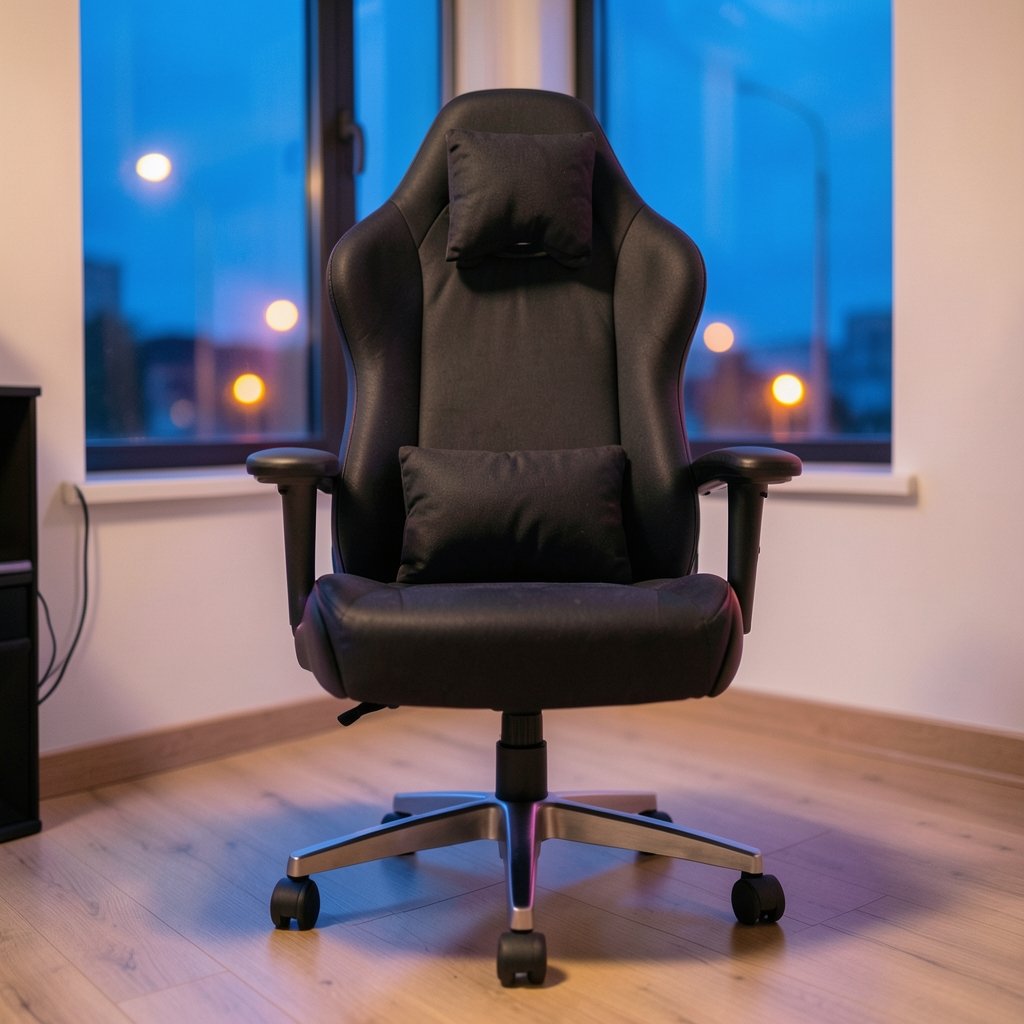
The average gamer now sits in front of a screen for more than six hours a day, and that number climbs for anyone who works from home. Yet most people still buy chairs based on how they look in a streamer’s background. That mismatch is why so many racing-style seats end up creaking, peeling, or flat after eighteen months.
This guide takes a different angle. Instead of ranking chairs by hype, it looks at what separates a chair that survives years of daily use from one that looks good for a season. The 2026 market has matured, and the smartest buys are no longer always the loudest ones.
Why the “Gaming Chair” Label Matters Less Than You Think
Here is the first thing that surprises people: there is no separate safety or ergonomics standard just for gaming chairs. Office seating is measured against general furniture and ergonomics standards, and gaming chairs are rarely certified against any of them. That means the label on the box tells you almost nothing about build quality. (Ergonomics)
What actually matters is adjustability. A chair that lets you set seat height, seat depth, armrest position, and lumbar support to match your body will outperform a fancier-looking chair that locks you into one posture. According to OSHA’s computer workstation guidance, the goal is a neutral posture with feet flat, thighs roughly parallel to the floor, and the lower back supported. A chair either helps you reach that or it doesn’t.
This is also why ergonomics researchers and reviewers keep pointing people toward mesh task chairs with deep adjustment ranges. If you want the broader hardware picture for a full desk rebuild, our roundup of the best wireless gaming headsets 2026 pairs well with any chair upgrade.
The Specs That Actually Predict Whether a Chair Lasts

Most product pages bury the numbers that matter under marketing copy. These are the specs worth hunting for before you spend anything.
| Spec | What to look for | Why it matters |
|---|---|---|
| Seat height range | Roughly 16 to 21 inches | Determines whether your feet reach the floor |
| Seat depth | Adjustable, or matched to thigh length | Prevents pressure behind the knees |
| Weight capacity | Well above your body weight | Cheap gas lifts fail under load |
| Armrest type | 4D (height, width, depth, angle) | Shoulder and wrist comfort |
| Recline | 90 to 135 degrees minimum | Real breaks between matches |
| Warranty | 3 to 5 years on frame and mechanism | Signals confidence in the build |
The gas lift is the quiet failure point. On budget chairs it is the first component to sag, and a sagging cylinder cannot be fixed cheaply. A five-year warranty that covers the mechanism is worth more than a fancy logo stitched into the headrest.
Racing-Style vs. Ergonomic: The Real Trade-off
The bucket-seat look borrowed from motorsport is genuinely comfortable for the first hour. The side bolsters hug you, the tall back feels supportive, and the whole thing signals “gamer.” The problem is that bolsters push your shoulders forward and limit how much you can shift position over a long day.
Ergonomic mesh chairs do the opposite. They breathe better, flex with movement, and usually offer more granular adjustment. The trade-off is style and, often, price. Neither design is universally better, and honest reviewers on both sides admit it.
A practical middle path has emerged: hybrid chairs with a racing silhouette but flatter bolsters, adjustable lumbar, and a mesh or breathable fabric option. If you are weighing where to spend your setup budget, it helps to know how much you can save elsewhere. Our comparison of Humble Bundle vs Fanatical vs Green Man Gaming 2026 shows how far a game library budget can stretch, which frees up cash for the chair that actually carries your spine.
What the 2026 Market Looks Like
Brand lineups shift every year, so treat any specific model list as a starting point rather than gospel. The names that dominate reviews remain familiar: Secretlab, Herman Miller’s Logitech G collaboration, Razer, AndaSeat, DXRacer, Noblechairs, Steelcase, and Autonomous. What changes is the materials story.
Three trends define this year’s field:
- Breathable fabrics are replacing PU leather at the mid tier. Peeling polyurethane has been the most common long-term complaint for years, and manufacturers have noticed.
- Lumbar support is going from a pillow to a built-in mechanism. A strap-on cushion slides out of place; an integrated curve does not.
- Warranty terms are becoming a selling point. Brands that cover the gas lift and frame for five years are effectively advertising their own confidence.
One caution: price tiers move every year, so a chair that was a bargain in a previous season may now sit in a different bracket. Always check the current listing rather than relying on an older review’s verdict.
How to Test a Chair Before You Commit
You cannot properly evaluate a chair from photos. If a showroom or a friend’s setup is available, sit in it for at least fifteen minutes and run through this sequence:
- Set the seat height so your feet rest flat and your knees sit near a right angle.
- Check that the seat edge does not press into the back of your thighs.
- Adjust the armrests so your shoulders stay relaxed, not shrugged.
- Recline and confirm the backrest follows your spine without a gap at the lower back.
- Shift your weight side to side and listen for creaks in the frame.
If you are buying blind, order from a retailer with a genuine return window and keep the packaging until you are sure. The most common mistake buyers make is assembling a chair, tossing the box, and then discovering the seat depth is wrong. Returns get expensive fast without original packaging.
The second most common mistake is buying for the aesthetic of a streamer’s room rather than for your own body dimensions. A chair that fits a six-foot reviewer may leave a five-foot-four buyer with dangling feet and no lumbar contact.
Matching the Chair to Your Actual Day
A chair does not exist in isolation. If you game for two hours and work at a desk for eight, the chair is primarily office furniture. That changes the calculus.
For mixed-use setups, prioritize lumbar support and armrest adjustability over recline range. For pure gaming sessions, a deeper recline and a headrest become more valuable. For small rooms, check the footprint and caster type, because hard-floor casters and carpet casters are not interchangeable.
There is a broader lesson in how hardware categories mature. When a product line bets on several form factors at once, buyers get more choice but also more confusion. The same dynamic shows up in our breakdown of Tesla’s website, robotaxi, semi, and roadster hardware bets in 2026, where three product directions compete for the same attention. Chairs are simpler, but the principle holds: pick the form factor that fits your daily use, not the one with the best marketing.
Budget Tiers and What You Get at Each
Spending more buys adjustment range and material durability, not comfort magic. Here is a realistic map of the tiers.
| Tier | Typical range | What you get | What to watch |
|---|---|---|---|
| Entry | Under $250 | Basic tilt, 2D armrests, PU leather | Gas lift quality, peeling fabric |
| Mid | $250 to $550 | 4D armrests, adjustable lumbar, fabric options | Warranty terms |
| Premium | $550 to $1,000 | Built-in lumbar, breathable mesh, solid frame | Whether the brand’s support is real |
| Flagship | $1,000+ | Full ergonomic adjustability, long warranty | Diminishing returns past a point |
The honest take: a well-chosen mid-tier chair beats a poorly chosen flagship for most people. The extra money at the top buys refinement and longevity, not a different experience on day one.
The Maintenance Habits That Extend Chair Life
A chair that lasts a decade is usually a chair that was looked after. A few habits make a real difference.
- Tighten fasteners quarterly. Bolts work loose with rocking and reclining.
- Clean fabric with a damp cloth, not solvent. Harsh cleaners break down coatings.
- Keep casters clear of hair and carpet fibers. Most “broken” casters are just jammed.
- Avoid direct sun. UV degrades both fabric and foam over years.
None of this is glamorous, but it is the difference between a chair that survives five years and one that gets replaced in two. If you enjoy optimizing a setup on a budget, the same discipline applies to timing your purchases. Our guide to Black Friday car deals: best offers and prices illustrates how seasonal windows can shift pricing dramatically, and gaming furniture follows a similar calendar.
Conclusion
The best gaming chair in 2026 is not the one with the most aggressive styling or the biggest streamer endorsement. It is the one that matches your body, your daily hours, and your budget, and that comes with a warranty covering the parts that actually fail. Focus on adjustability, materials, and the gas lift. Sit in it if you can, keep the box if you cannot, and prioritize a chair that supports a neutral posture over one that photographs well. Your back will notice the difference long after the novelty of a new chair wears off.
FAQ
What is the most important feature in a gaming chair?
Adjustability. Seat height, seat depth, armrest position, and lumbar support all need to fit your body, because a chair that cannot be tuned to your frame will cause discomfort no matter how much it costs. Materials and warranty come next.
Are gaming chairs bad for your back?
They are not inherently bad, but racing-style bolsters can restrict movement and encourage slouching over long sessions. A chair with real lumbar support and a neutral posture performs better, whether it is marketed as a gaming chair or an office chair.
How much should I spend on a gaming chair in 2026?
Most people get the best value in the mid tier, roughly $250 to $550. That range typically includes 4D armrests, adjustable lumbar support, and breathable fabric. Spending more buys durability and refinement rather than a fundamentally different experience.
How long should a gaming chair last?
A well-built chair with a solid frame and quality gas lift should last five to ten years with basic maintenance. Budget chairs with PU leather and cheap cylinders often show wear within two to three years, usually starting with peeling fabric or a sagging seat.
Is mesh better than leather for a gaming chair?
Mesh breathes better and tends to hold up longer without peeling, which makes it a strong choice for long sessions and warm rooms. Leather and PU leather feel plusher initially but are more prone to cracking and flaking over time.
Can I use a gaming chair for work as well as gaming?
Yes, and many people do. If work dominates your day, prioritize lumbar support and armrest adjustability over deep recline. A chair that supports eight hours of desk work will handle a gaming session comfortably; the reverse is not always true.
One last consideration: assembly and after-sales support. Most chairs ship flat-packed and take thirty to sixty minutes to build, so check whether the tools and instructions are included and whether the brand offers replacement parts individually. A chair is only as good as the company standing behind it when a caster snaps or a gas lift fails in year three. Read the warranty’s fine print for what is excluded, and confirm the return window covers assembly time. With those checks done, you can buy with confidence and get back to what matters: the game in front of you.



