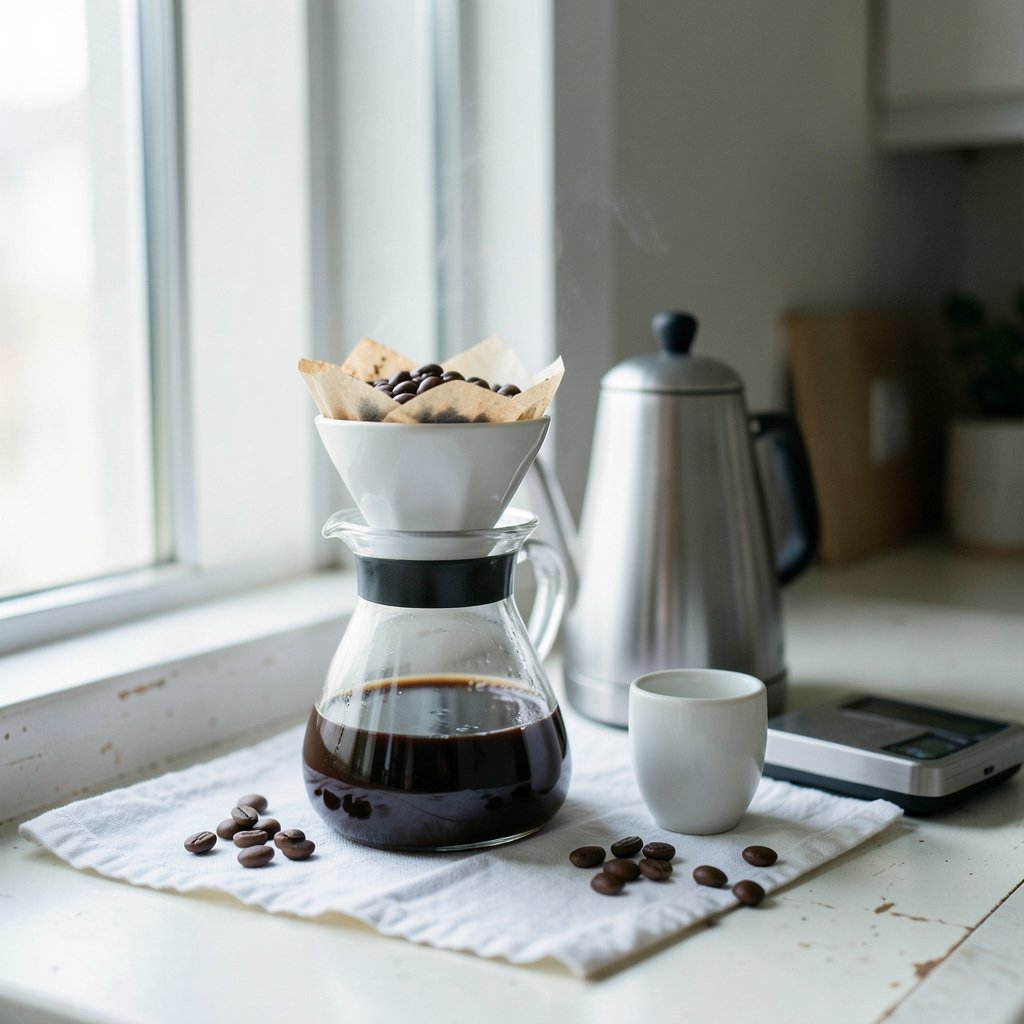
What if the difference between a forgettable morning cup and one that tastes like the café down the street comes down to a single piece of gear? It often does. Pour over brewing is gravity at work: hot water hits ground coffee in a filter, dissolves flavor as it passes through, and drips into the cup below. The brewer you choose shapes everything from extraction speed to how clearly those tasting notes come through. That is why the shortlist below focuses on specific, named brewers rather than vague advice. Each pick suits a different drinker, and each has one honest drawback worth knowing before you buy.
The Shortlist at a Glance
| Brewer | Best for | What it does well | Main limitation |
|---|---|---|---|
| Hario V60 02 | Single-cup precision | Fast flow, easy to tweak technique | Unforgiving of sloppy pouring |
| Chemex Classic 6-Cup | Small groups, clean cups | Thick filters, very clean flavor | Slow brew, pricey filters |
| Kalita Wave 185 (Mino Yaki) | Beginners wanting consistency | Forgiving flat bed, fixed drain holes | Older steel versions stalled |
| Melitta wedge cone | Budget simplicity | Cheap, easy, one or two pours | Simple, drip-style cup |
| Bodum pour over | Paper-free brewing | Permanent metal filter | Sediment in the cup |
| KitchenAid KCM0802 | Push-button pour over | Bloom-and-pulse automation | Not on the current SCA list |
| OXO (solo drinkers) | One-cup ease | Good for single servings | Limited batch size |
| YETI Rambler Pour Over | Camping and travel | Sturdy steel, V60 02 filters | Heavy, mug sold separately |
1. Hario V60 02: The Benchmark for Single-Cup Precision
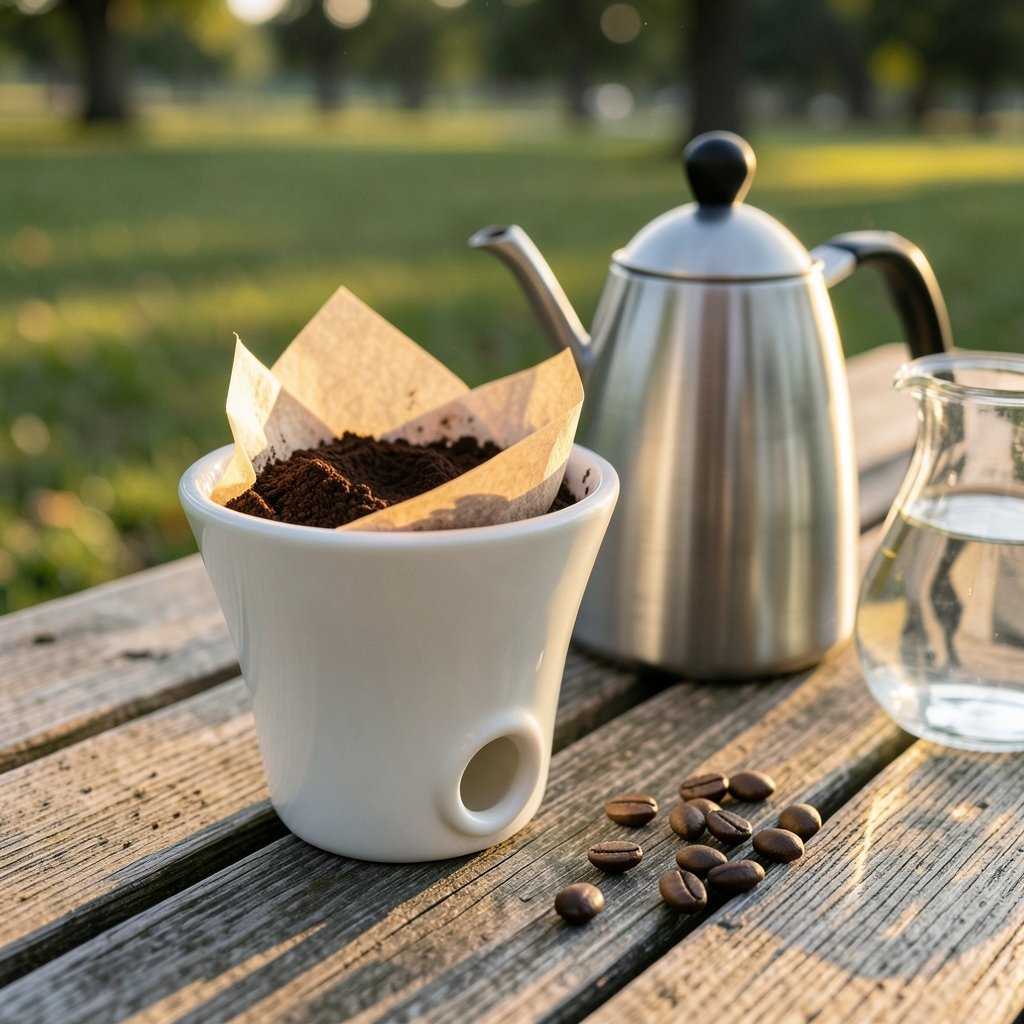
The V60 is the brewer most home baristas end up owning first, and for good reason. It is an open cone with one big hole, which means the pour sets the speed. Fast water movement gives a bright, clear cup, and small changes to grind size or pouring rhythm produce noticeable differences. That makes it the best pick for anyone who wants to experiment.
The trade-off is forgiveness. The V60 has low tolerance for uneven pouring, so a gooseneck kettle helps a lot. Filters are widely available, but buyers need the correct 02 size, and that recurring cost is easy to overlook. For a deeper look at where manual brewing fits next to electric options, the roundup of the best pour over coffee maker setups covers cup sizes and carafe formats side by side.
Who it suits: a solo drinker or a two-person household that enjoys dialing in technique.
2. Chemex Classic 6-Cup: Clean Flavor for a Small Group
If the goal is a pot that serves several people without sacrificing clarity, the Chemex is the classic answer. It holds 30 fluid ounces, which Chemex counts as six five-ounce cups, so check ounces rather than trusting the word “cup.” Its thick paper filters hold back more than a standard cone, producing a very clean, light cup.
The thick filter is also the limitation. Brews run slow, and the proprietary filters are a recurring expense. The 6-cup borosilicate glass model is the versatile size most buyers should start with. It is also the pick for anyone avoiding plastic in the brew path, since the brewer is glass with a wood or glass collar.
Who it suits: small groups, and drinkers who prize clarity over body.
3. Kalita Wave 185: The Beginner-Friendly Flat Bed
The Wave’s flat bottom and three small drain holes are designed to be forgiving of uneven pouring, and the newer Mino Yaki version finally fixes a real design flaw. Older steel models let the filter sit flush against the bottom, clog, and stall the brew, and the larger 185 size suffered most. The Mino Yaki replaces the Y-shaped ribs with a protruding circular platform and grows the drain holes from 2mm to 4mm, which essentially solves the stalling.
That makes the current Wave the steadiest choice for someone who wants consistency without mastering a kettle. One caveat: the classic Wave is trickier than the V60 in the wrong hands, so buy the updated version, not old stock. Filters are size-specific, so match paper to the 185.
Who it suits: beginners and anyone who values repeatability over tinkering.
4. Melitta Wedge Cone: The Budget Workhorse
Melitta’s wedge cone is the least intimidating brewer on this list. The small exit slows the flow, so one or two big pours get the job done, and the cup lands in simple, familiar drip territory. It is cheap, widely stocked, and hard to ruin.
What buyers give up is control. The wedge design offers less room to chase brightness or adjust extraction, so it is not the tool for someone who wants to taste the difference between two pour patterns. For a first brewer or a spare for guests, though, it earns its place.
Who it suits: budget-first buyers and casual drinkers who want a no-fuss cup.
5. Bodum Pour Over: Paper-Free Brewing
Bodum’s pour over uses a permanent metal mesh filter, which means no paper to buy and no paper to run out of. Sizes and band materials vary, so confirm the 34-ounce capacity and the permanent-filter configuration before ordering.
The mesh lets oils and fine particles through, so the cup carries more body and some sediment. One practical workaround reported in testing: leave the last 10% or so of the brew in the carafe, and most of the grit stays behind. That single habit makes the paper-free trade-off much easier to live with.
Who it suits: drinkers who want fuller body and zero filter restocking.
6. KitchenAid KCM0802: Push-Button Pour Over
KitchenAid’s manual for the KCM0802 spells out what an automatic pour over machine takes off your hands. It heats all its water before brewing, then alternates between showering the grounds and letting them steep in stages, rather than flooding the basket continuously. That is the bloom-and-pulse rhythm you would otherwise produce by hand.
The KCM0802 earned SCAA certification in 2015, though it is not on the SCA’s current list, so treat the badge as history rather than a live endorsement. It heats water to 198–204°F and brews 2 to 8 cups. If you already pour steadily, this machine solves a problem you do not have. If mornings are chaos, it solves a real one.
Who it suits: households that want pour over character without standing at the counter.
7. OXO and Other Solo Brewers: One Cup, Done Right
For a single drinker, a 10-ounce brewer like the Fellow Stagg [X] is a serving, not a family pot, and that distinction matters more than brand loyalty. Solo-focused options such as the OXO and the Melitta suit one-cup routines, while the V60 02 covers one or two people depending on technique.
The limitation is obvious: small brewers cannot scale. Hosting brunch with a 10-ounce dripper means brewing in rounds. Buy for the mornings you actually have, not the ones you imagine.
Who it suits: solo drinkers with a tight counter and a single daily cup.
8. YETI Rambler Pour Over: Built for Camping and Travel
Glass and campsites are a bad combination, which is where the YETI Rambler Pour Over earns its spot. It uses double-wall 18/8 stainless steel, sits on most Rambler drinkware, and accepts V60 size 02 cone filters, so home and trail can share the same paper. It is dishwasher safe and backed by a five-year warranty.
At about 0.6 pound it is heavier than a plastic travel dripper, but that weight buys durability and heat retention. The matching mug sells separately, so budget for the complete setup. This is a purpose-built pick, not the best value for a kitchen counter.
Who it suits: campers, travelers, and outdoor drinkers who refuse bad coffee.
Automatic or Manual? Match the Machine to Your Morning
Automatic pour over machines copy what a skilled barista does: heat water to the right temperature, wet the grounds evenly, let them bloom, and pour at a steady rate. The results taste cleaner and brighter than many basic drip machines. SCA-certified batch brewers, programmable precision brewers, and plastic-free machines each target a different buyer.
The honest question is whether automation solves your problem. If you already pour steadily with a gooseneck kettle, an electric machine mostly removes a ritual you enjoy. If you are rushing out the door, it removes the reason you stopped brewing pour over in the first place. Machines also add maintenance: water filters, descaling, and carafe care. If yours starts acting up, the fixes for when a coffee maker overflows filter basket usually trace back to grind size and basket load, not the machine itself.
How to Choose: Five Checks Before You Buy
- Check ounces, not cups. Chemex defines a cup as five fluid ounces, and a 10-ounce brewer is a single serving. Fluid ounces and milliliters tell the truth.
- Budget for filters. The brewer is the first purchase. V60 02, Wave 185, and Chemex papers are not interchangeable, and thick Chemex filters cost more per brew.
- Match the design to your technique. Open cones reward precision; flat beds and wedges forgive mistakes. Pick the one that matches your patience at 6 a.m.
- Decide on paper. Metal mesh means no restocking and a fuller cup with some sediment. Paper means a cleaner cup and a recurring cost.
- Plan for water and cleaning. Hard water scales every brewer, electric or manual, so factor in descaling. A machine that survives hard water still needs periodic cleaning to keep tasting right.
Common Mistakes That Ruin a Good Brewer
The most common error is buying a brewer that does not match the drinker. A V60 in the hands of someone who wants one-button mornings becomes a shelf ornament. The second is skipping a scale: pour over rewards precision, and eyeballing doses hides the variable that matters most. The third is stale, pre-ground coffee, which no dripper can rescue. The fourth is ignoring filter compatibility until the box arrives. Finally, many buyers chase a bigger brewer than they need, then brew weak batches to fill it.
Conclusion
The best pour over coffee maker for 2027 depends less on hype and more on your morning. The Hario V60 02 rewards anyone who wants to learn. The Chemex serves a small group with remarkable clarity. The updated Kalita Wave 185 is the safest start for beginners. Melitta and Bodum cover budget and paper-free lanes, while the KitchenAid KCM0802 and YETI Rambler handle automation and travel. Pick the brewer that fits the routine you actually have, buy the right filters on day one, and the cup takes care of itself.
Frequently Asked Questions
Which pour over coffee maker is best for beginners?
The Kalita Wave 185 in its current Mino Yaki version. Its flat bed and fixed drain holes forgive uneven pouring, and the redesigned platform and larger 4mm holes solve the stalling that plagued older steel models. The Melitta wedge cone is the cheapest forgiving alternative.
Is the Hario V60 hard to use?
It is less forgiving than flat-bottom brewers because the open cone and single large hole let your pour set the brew speed. That same responsiveness is why experienced brewers love it. A gooseneck kettle and a scale close most of the gap.
Do I need an automatic pour over machine?
Only if mornings are rushed. A machine heats all its water first, then alternates showering and steeping to mimic a barista’s bloom-and-pulse rhythm. If you already pour steadily by hand, an electric model mostly automates a ritual you enjoy.
How many cups does a Chemex Classic 6-Cup actually make?
About 30 fluid ounces, which Chemex counts as six five-ounce cups. That is closer to three standard mugs. Always check fluid ounces or milliliters rather than relying on the word “cup” on the box.
Are paperless metal filters worth it?
They save money and produce a fuller-bodied cup, but fine particles reach the glass. Leaving the last 10% of the brew in the carafe handles most of the sediment. Choose paper if clarity matters more than body.
What else do I need besides the brewer?
A burr grinder, a scale, fresh beans, and, for manual cones, a gooseneck kettle. For electric machines, add filters and descaling supplies. If you later move to pods, the picks in this best k cup coffee maker guide follow the same match-the-machine logic.