

Which stick vacuum should you buy? It sounds like a simple question, and the internet answers it with a hundred confident lists. Then you notice those lists disagree. One site crowns a model the next one calls a disappointment. One calls a vacuum quiet; another says it whines. So what is a shopper supposed to do with a “best rated” label that seems to change with the weather?
The honest answer is that ratings are only as good as the test behind them. This guide explains what stick vacuum ratings actually measure, why the numbers on the box rarely match real life, and how to read reviews like someone who tests vacuums for a living. By the end, you should be able to spot a trustworthy rating from across the room, and you will know exactly which specs matter for your home.
Why “Best Rated” Is a Harder Label Than It Looks
Stick vacuums are cordless, battery-powered uprights built around a handheld body and a wand. That is the whole definition. There is no industry certification body that anoints a “best stick vacuum,” and no shared test standard that every brand must pass. So when a retailer slaps a “best rated” badge on a product page, that badge usually reflects customer star averages, not lab performance.
That distinction matters more than most shoppers realize. Customer ratings measure satisfaction with a purchase, which includes price, delivery, and how the box looked on arrival. Lab ratings measure cleaning performance on specific floor types under specific conditions. A vacuum can score five stars from buyers who mostly tidy up crumbs and still finish mid-pack on embedded pet hair in carpet.
The most defensible ratings come from independent consumer organizations that publish their test methods. Their rankings still conflict with each other, because a German lab and a British magazine may weight noise, filtration, and carpet pickup differently. None of that makes ratings useless. It just means you need to know what a rating measured before you trust it.
The Spec Sheet Trap: Runtime and Suction Numbers
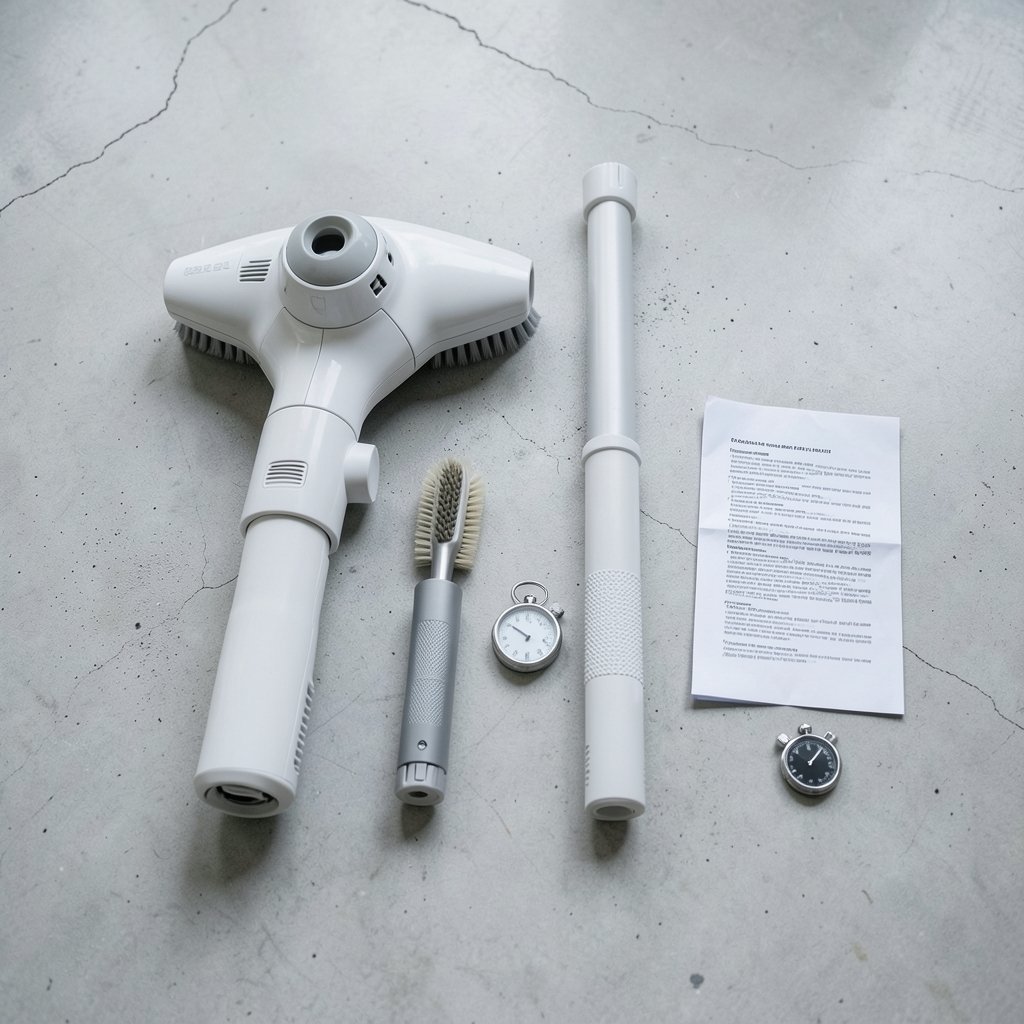
Manufacturers love big numbers, and two of them cause the most confusion: runtime and suction.
Runtime is usually quoted at the lowest power setting, often with a non-motorized tool attached. A vacuum advertised at 60 minutes might run 6 to 8 minutes in its top boost mode. Both numbers are technically true. Neither tells you how long you can clean a three-bedroom house on a setting that actually picks up anything. When you compare models, compare runtime at the same suction setting, and assume the boost mode is for spot duty, not whole-home cleaning.
Suction is quoted in air watts or pascals, and those figures are not directly comparable across brands. No mandatory disclosure standard forces cordless vacuum makers to use a common metric, so a pascal figure from one brand and an air watt figure from another tell you almost nothing side by side. Treat suction numbers as marketing until an independent test confirms real pickup.
What about energy labels?
Shoppers sometimes look for an energy label to compare efficiency. For vacuums in the EU, that route is closed. The EU General Court annulled the vacuum cleaner energy label regulation in November 2018 in a case brought by Dyson, ruling that the test method did not reflect real-use conditions. In plain terms: the label’s figures were not a reliable cross-brand comparison, and the regulation behind them was struck down. In the US, federal EnergyGuide labeling requirements do not cover cordless stick vacuums the way they cover refrigerators or washing machines, so there is no government efficiency rating to lean on either.
That leaves independent testing and your own reading of the specs. Not ideal, but workable once you know where the traps are.
How to Read a Stick Vacuum Rating Like a Tester
Here is a practical way to sort signal from noise when every list claims the top spot.
- Check the date. Model lineups change yearly, and batteries and firmware get revised without a new model number. A rating from three years ago describes a vacuum you probably cannot buy anymore.
- Find the test conditions. Look for the power mode, the floor type, and whether the filter was clean. Ratings that hide these details are guesses with a byline.
- Separate carpet and hard floor scores. Many stick vacuums are excellent on hard floors and merely adequate on carpet. If your home is mostly carpet, a hard-floor champion may not be your champion.
- Weigh the vacuum’s mass and balance. Most stick vacuums land between roughly 2.5 and 4 kilograms. A heavy unit with the battery mounted high gets tiring during overhead cleaning, no matter what the pickup score says.
- Check whether the battery is user-replaceable. Lithium-ion cells fade. A replaceable battery can add years to a vacuum’s life; a sealed one turns a working machine into e-waste when the cells die.
If you want to go deeper on how navigation and sensors affect real-world cleaning, the differences between lidar and camera systems are worth understanding before you pay for features you will not use. And if you are weighing a machine that mops as well, it helps to know which robot vacuum mop combos actually clean the floor rather than just smear it.
Carpet, Hard Floor, and Pet Hair: Match the Rating to Your Home
The single most common mistake shoppers make is buying the top-rated vacuum for someone else’s home. A reviewer in a city apartment with hardwood floors will rank a light, nimble stick vacuum highly. Put that same vacuum in a house with two dogs and wall-to-wall carpet, and the rating falls apart.
For carpet-heavy homes, prioritize sustained suction in the mid power mode, a motorized brush roll, and a dust bin big enough that you are not emptying it twice per room. The best vacuum for carpet is rarely the lightest one. For hard floors, weight, maneuverability, and edge cleaning matter more than raw power.
Pet hair adds a third dimension. Long human hair and pet hair wrap around brush rolls, and some designs handle it far better than others. If hair tangles are your daily battle, it is worth checking which designs actually cope with long hair before you commit.
Filtration Claims Deserve Skepticism
Many stick vacuums advertise HEPA filtration. True HEPA is a defined standard: H13 and H14 classes under EN 1822, the European standard for high-efficiency air filters. But a vacuum carrying a “HEPA filter” badge is not automatically sealed to that standard. Air can bypass the filter through gaps in the housing, and “HEPA-like” is a marketing phrase with no fixed meaning.
If allergy relief is your reason for buying, look for wording about a fully sealed system and independently verified filtration rather than only the word HEPA on the bin. A certified filter in a leaky body does less than the label suggests.
Weight, Balance, and the Features That Actually Help
Spec sheets rarely capture the things you notice in week two: how the handle feels, whether the bin empties cleanly, and whether the vacuum fits under the sofa.
A few practical checks before buying:
- Hold it at arm’s length if you can. Balance matters more than total weight.
- Look at bin capacity and emptying method. Small bins with fiddly latches get annoying fast.
- Confirm the included tools. A crevice tool and a motorized mini brush do more for stairs and cars than a fancy display.
- Check the charging setup. Wall-mounted docks save floor space; plug-in cables get lost.
Owners also run into maintenance quirks that reviews skip. Cliff sensors on robot vacuums, for instance, can misbehave on dark carpet, and stick vacuums have their own small failure points, like wheels jammed by hair. Knowing that robot vacuum wheel stuck errors happen and are usually fixable fast is a good reminder that most vacuum problems are maintenance problems, not terminal ones.
Common Mistakes That Skew Your Own Verdict
Even careful shoppers sabotage their own comparisons. Watch for these:
- Testing a new vacuum against a clogged old one. Of course the new one wins. Clean the filter on your current machine before you judge it.
- Leaving the vacuum in max mode for everything. Boost mode drains the battery and adds noise; auto or mid mode usually cleans just as well on hard floors.
- Ignoring filter washing schedules. A clogged filter mimics a dying battery. Many “my vacuum lost suction” complaints end with a rinsed filter.
- Buying for the showroom, not the storage closet. Measure where the vacuum will live, including the dock.
If you are also comparing robot options, the same logic applies: robot vacuum cleaning solution alternatives that actually work are usually the boring ones, and the same goes for stick vacuums. Simple maintenance beats exotic accessories every time.
A Realistic Buying Framework
Instead of chasing a single “best rated” model, build a shortlist around your home:
| Your priority | What to weight heavily | What to deprioritize |
|---|---|---|
| Mostly carpet | Mid-mode suction, motorized brush roll, large bin | Ultra-light weight, fancy displays |
| Mostly hard floor | Maneuverability, edge cleaning, low weight | Maximum boost power |
| Pets and long hair | Anti-tangle brush design, easy bin emptying | Slim profile |
| Allergies | Sealed system, verified filtration | Peak airflow claims |
| Stairs and cars | Handheld mode, included tools, balance | Large bin capacity |
Then check two or three independent reviews from different organizations, confirm the review date, and read the test conditions. If the same model keeps surfacing across sources with similar caveats, that is a genuine signal. If one outlet loves it and everyone else shrugs, treat the outlier with suspicion.
It also helps to think about repairability. Batteries, brush rolls, and filters are the parts that wear out. A vacuum with available replacement parts and a user-replaceable battery will outlast one that is sealed shut, even if the sealed one scored slightly higher on day one. For households that also run a robot, the same durability logic applies to combo machines, which is why it pays to check how a vacuum mop combo holds up over months rather than minutes.
Finally, set a budget before you read any list. Ratings shift dramatically once price enters the picture, and a mid-priced vacuum that scores well on your priority floor type usually beats a premium model that scores brilliantly on someone else’s.
Conclusion
The best rated stick vacuum is not a single model. It is the vacuum whose test results match your floors, your pets, your storage space, and your tolerance for emptying a bin. Ratings from independent labs are the best starting point available, but only when you check the date, the test conditions, and whether the reviewers weighted the things you care about. Ignore the badge on the product page, read the method behind the score, and buy for the home you actually clean. Do that, and the “best rated” label stops being a marketing claim and starts being a decision you can defend.
Frequently Asked Questions
Are stick vacuum ratings trustworthy?
They can be, if you know what they measure. Independent consumer organizations with published test methods are the most reliable source, but their rankings often conflict because they weight factors differently. Retailer badges based on customer star averages measure satisfaction, not cleaning performance, so treat them as a starting point rather than a verdict.
Why do stick vacuum runtime claims seem exaggerated?
Because runtime is typically quoted at the lowest power setting, sometimes with a non-motorized tool attached. High-power boost modes often run only a fraction of the advertised time. When comparing models, compare runtime at the same suction setting, and plan on boost mode for spot cleaning rather than whole-home sessions.
Is a higher air watt or pascal number always better?
No. Suction figures are not directly comparable across brands because there is no mandatory common metric for cordless vacuums. A big number from one manufacturer tells you little about real pickup compared with a different brand’s figure. Independent testing on your floor type is a far better guide than the spec sheet.
Do I need a HEPA filter in a stick vacuum?
Only if filtration is a real priority for you, and even then, check the details. True HEPA refers to defined filter classes under the EN 1822 standard, but a vacuum with a HEPA filter is not automatically a sealed system. Look for verified, sealed filtration rather than relying on the word HEPA alone.
How long should a stick vacuum last?
That depends heavily on the battery. Most use lithium-ion cells that fade over time. A model with a user-replaceable battery and available replacement parts can serve for many years, while a sealed battery effectively ends the vacuum’s life when it degrades. Check repairability before you buy.
Should I buy a stick vacuum or a robot vacuum?
They solve different problems. Stick vacuums handle stairs, cars, spills, and quick targeted cleans, while robots handle routine whole-floor maintenance. Many households end up with both. If you are choosing one, match it to how you actually clean rather than to which category has the flashier ratings.



