
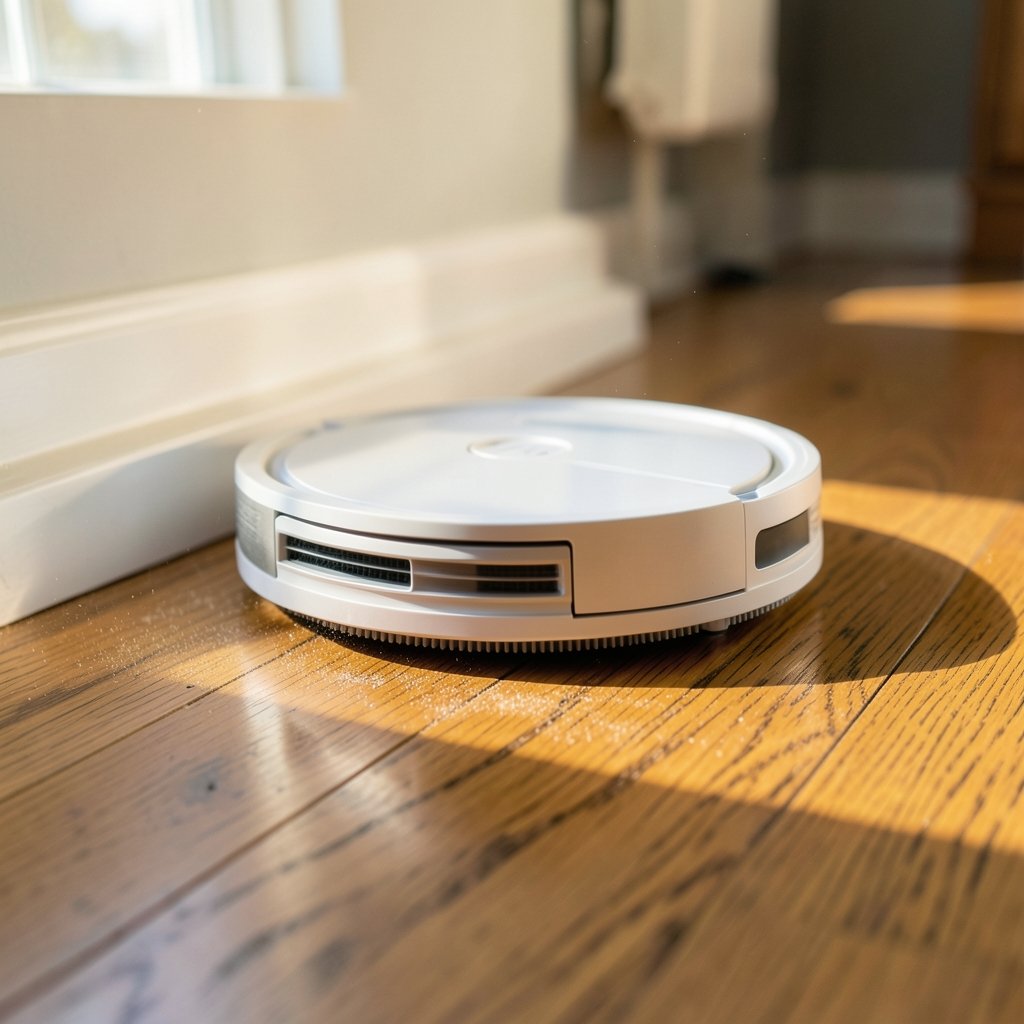
What good is a robot vacuum if it leaves a gritty film on your oak planks or scratches the finish you paid thousands to refinish? Hardwood floors are forgiving in some ways and brutally unforgiving in others. A robot that excels on carpet can be a poor match for wood, and vice versa. The differences come down to brush design, water control, navigation, and how well a machine handles edges and obstacles.
This guide breaks down what genuinely matters when shopping for hardwood, where most buyers go wrong, and how to match a robot to your floor finish and lifestyle.
Why Hardwood Floors Are a Different Cleaning Job
Hardwood is a flat, hard surface, so most robots pick up visible debris on it without much effort. That is the good news. The real challenges are subtler.
First, fine dust. On carpet, dust gets trapped in fibers. On sealed wood, dust sits on top and gets pushed around by airflow and brushes. A robot with weak airflow or a poorly designed brush can scatter a dust plume from one end of the room to the other.
Second, finish damage. Some wood finishes are sensitive to abrasion and to standing moisture. Bristle brushes can flick grit across the surface, and a wet mop pad left in one spot can dull a finish or leave a haze. Manufacturers and flooring professionals generally advise against soaking wood floors, so water control matters more than mopping power.
Third, edges and corners. Hardwood rooms often have baseboards, thresholds, and furniture legs. A robot that cleans the middle of the room beautifully but leaves a two-inch strip along every wall is only doing half the job.
Brush Type: The Most Overlooked Spec on Wood
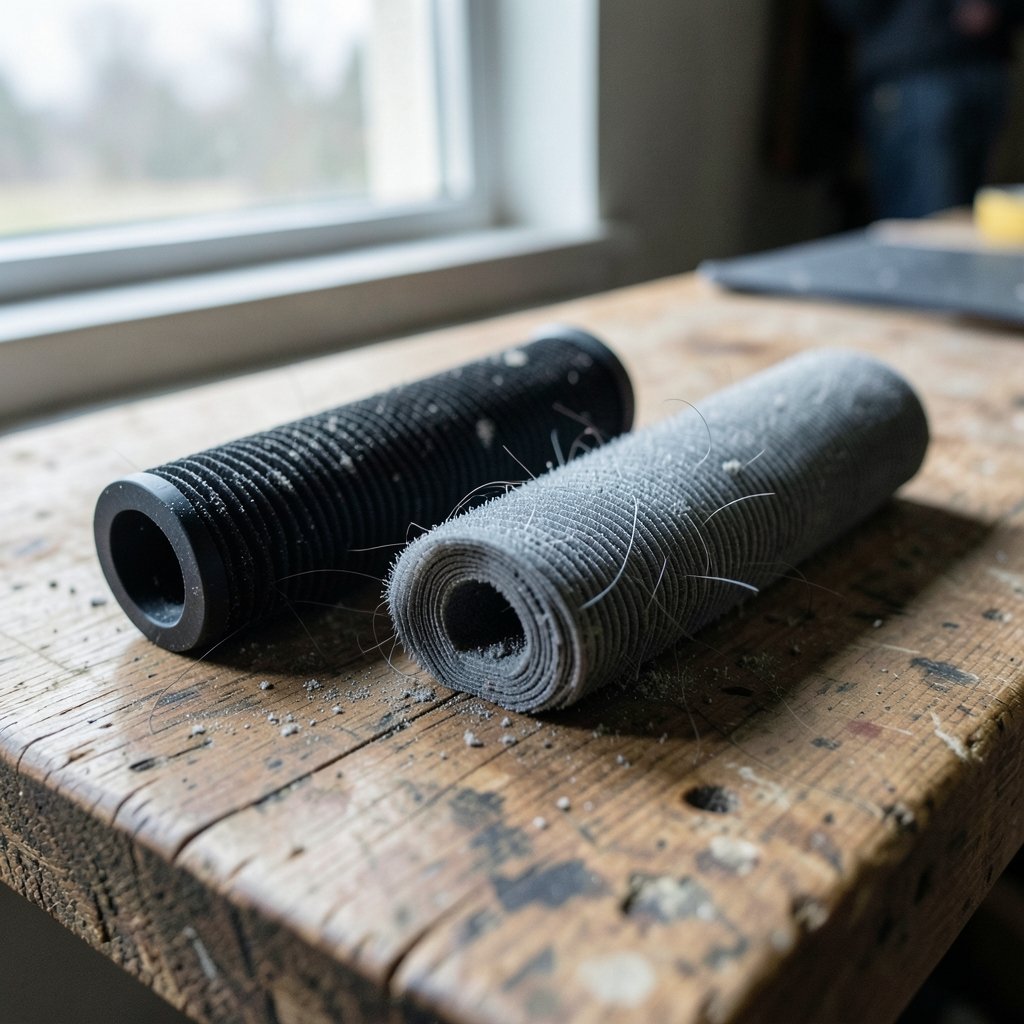
If a shopper reads only one specification before buying, it is usually suction power. On hardwood, that is the wrong priority. Brush design matters more.
Bristle brushes are effective at agitating carpet, but on hard floors they can scatter debris and, in the worst cases, drag abrasive grit across a finish. Rubber or combo brushes sweep debris more predictably and are gentler on sealed wood. Many manufacturers now offer swappable main brushes, so you can run a rubber roller on wood and a bristle brush on rugs in the same home.
A practical tip: check whether the brush is easy to remove and clean. Hair and dust wrap around rollers constantly, and a tangled brush loses cleaning effectiveness within weeks. If your household has long hair, read up on robot vacuum long human hair actually works before committing to a model, because brush design and tangle resistance vary enormously.
Suction, Airflow, and Fine Dust on Sealed Wood
Suction numbers sell robots, but on hardwood the more useful question is how well the machine captures fine dust without blowing it around. Airflow path design, filter quality, and brush geometry all play a role.
A HEPA filter helps keep fine particles inside the bin rather than recirculating into the room. For allergy sufferers, this is a meaningful feature, and it is worth checking that replacement filters are affordable and easy to find. A robot with excellent filtration but unobtainable filters becomes a paperweight within a year.
The practical takeaway: do not chase the biggest suction figure. Look for a machine with solid filtration, a rubber or combo brush, and a dustbin that is easy to empty. On sealed hardwood, that combination cleans well without the drama.
Mopping on Wood: Useful, But Handle With Care
Mopping robots are everywhere now, and on hardwood they can be genuinely handy for light refreshment. The risk is water. Excess moisture is the enemy of wood floors, and a robot that drags a soaked pad or drips as it turns can leave dull patches over time.
What works in practice:
- Check your floor finish manufacturer’s guidance on wet cleaning before letting any robot mop.
- Choose a model with adjustable water flow and start at the lowest setting.
- Use the mop only for light maintenance, not for spills or sticky messes that need a real mop.
- Never leave a wet pad sitting on the floor after a run; remove and dry it.
- Skip mopping altogether on oiled or waxed finishes unless the finish maker explicitly allows it.
If you are weighing combo units, a closer look at best robot vacuum mop combos actually cleans floor helps separate models that control water well from those that simply wet the floor. And if you plan to use cleaning solutions in the tank, be careful: many manufacturers require water only, and the wrong additive can leave residue or damage seals. The guide to robot vacuum cleaning solution alternatives that actually covers what is safe to use.
Navigation: LiDAR vs. Camera on Open Wood Floors
Hardwood rooms are often open-plan, with long sightlines and few landmarks. That layout rewards reliable mapping. LiDAR-based robots generally map and navigate well even in low light, while camera-based systems may need reasonable lighting to perform consistently. The trade-offs go beyond lighting, though, and the comparison in robot vacuum lidar vs camera navigation key differences pick is worth reading before you decide.
A related headache: map loss. Some robots forget their saved floor plan after firmware updates, moves, or docking errors, which means re-mapping and re-drawing no-go zones. If that happens to you, robot vacuum keeps deleting map it happens fix it walks through the usual causes. On hardwood, a stable map matters because it is how you protect area rugs, keep the robot out of the kitchen during mopping, and ensure consistent coverage.
Obstacle Avoidance: The Real-World Differentiator
In a real home, the biggest gap between robots is not cleaning power. It is how they handle cables, socks, pet toys, and the occasional pet accident. A robot that drags a charging cable across a freshly cleaned floor, or worse, smears a mess across the room, undoes its own good work.
Obstacle avoidance quality varies widely by model and improves with each generation. Before buying, look for tests that specifically cover small objects and cables, along with furniture. On hardwood, cables are a particular nuisance because they slide easily and get pulled rather than triggering a stop.
Edge and Corner Cleaning on Wood
Baseboards and cabinet toe-kicks are where hardwood floors show dust first. Many robots leave a strip along walls because their round shape cannot reach. Some models solve this with an extending side brush or a mop pad that swings out. Others rely on a side brush alone, which helps but does not eliminate the gap.
A practical workaround: run the robot along walls with edge mode if the model offers it, and accept that a quick pass with a handheld vacuum along baseboards every couple of weeks is still part of life. No robot replaces that entirely.
Matching the Robot to Your Floor Finish
Not all hardwood is the same, and the finish changes the calculus. Here is a rough guide.
| Floor finish | Main risk | What to prioritize |
|---|---|---|
| Factory-finished sealed wood | Surface scratches, dust scattering | Rubber or combo brush, good filtration, gentle wheels |
| Site-finished polyurethane | Abrasion, dulling from moisture | Low water flow if mopping, soft brush, no wet pad left standing |
| Oiled or waxed wood | Water damage, residue buildup | Dry cleaning only unless finish maker allows damp mopping |
| Engineered hardwood | Similar to sealed wood, plus edge wear | Reliable navigation, edge cleaning, wheel traction |
Wheel traction deserves a mention. On smooth wood, some robots slip or spin, especially with wet pads attached. If you see traction errors, the fixes in robot vacuum wheel stuck error it happens fix it fast cover the common causes, from debris in the wheel well to slick surfaces.
Area Rugs and Transitions
Most hardwood homes have at least one rug, and transitions between wood and rug are where robots stumble. Low-pile rugs are usually fine. Deep-pile and shag rugs are a different story: robots can bog down, tangle, or drag the rug. If you have high-pile rugs, check how a model handles them before buying; the practical notes in robot vacuum shag rugs actually works deep pile explain what to expect.
One more hardware quirk worth knowing: cliff sensors. Some robots struggle on very dark flooring because the sensor reads dark wood as a drop-off and refuses to move. It sounds absurd until it happens. The explanation and fixes are covered in robot vacuum cliff sensors fail black carpet works, and the same logic applies to dark-stained hardwood.
Maintenance Costs and Consumables
A robot vacuum is a subscription in disguise. Filters, brushes, side brushes, mop pads, and sometimes dust bags all need replacing. On hardwood, brushes tend to last longer than on carpet, but filters still clog and mop pads still wear out.
Before buying, check three things: the price of a filter multi-pack, whether the main brush is replaceable separately, and whether mop pads are washable or disposable. A cheap robot with expensive consumables costs more over three years than a mid-range model with affordable parts.
Common Mistakes Buyers Make
- Buying on suction alone. On wood, brush and filtration matter more.
- Mopping oiled floors. Water and oiled finishes do not mix without the finish maker’s blessing.
- Ignoring edge cleaning. The dust line along baseboards is the first thing guests notice.
- Skipping obstacle avoidance tests. Cables and pet accidents are the top cause of robot regret.
- Forgetting dark floors. Very dark wood can confuse cliff sensors on some models.
- Not checking filter availability. A great robot with no filters is a doorstop.
How to Choose in Practice
Start with your floor finish and whether you want mopping at all. Then filter models by brush type and filtration. Next, look at independent testing for obstacle avoidance and edge cleaning. Finally, check consumable prices and app reliability, including whether the robot holds its map.
If you follow that order, you will avoid the most common trap: paying for suction you do not need while ignoring the features that actually keep hardwood clean.
Conclusion
The best robot vacuum for hardwood floors is not the one with the highest suction rating or the flashiest mopping feature. It is the one with a wood-friendly brush, reliable filtration, sensible water control, dependable navigation, and consumables you can actually buy. Get those basics right, match the machine to your finish, and hardwood becomes one of the easiest floors in the house to keep clean. Get them wrong, and you will spend more time rescuing the robot than the robot spends cleaning.
Frequently Asked Questions
Can a robot vacuum scratch hardwood floors?
It can, though it is uncommon with the right setup. The main risks are bristle brushes dragging grit and hard wheels catching debris. Rubber or combo brushes and regular brush cleaning reduce the risk substantially. Deep scratches usually come from trapped grit, not the robot itself.
Is mopping safe for hardwood floors?
Only if your floor finish allows it. Sealed polyurethane finishes generally tolerate light damp mopping, while oiled and waxed floors often do not. Always check the finish manufacturer’s guidance, use the lowest water setting, and never leave a wet pad on the floor.
Do I need high suction for hardwood floors?
No. Suction matters more on carpet, where debris is trapped in fibers. On sealed hardwood, airflow, brush design, and filtration have a bigger effect on fine-dust pickup. A mid-range machine with good filtration often outperforms a high-suction model with a poor brush.
Why does my robot vacuum stop on dark wood floors?
Some robots use cliff sensors that detect drop-offs by bouncing light off the floor. Very dark surfaces absorb that light, so the robot reads them as a ledge and stops or backs away. Cleaning the sensors and adjusting settings sometimes helps; otherwise, it is a hardware limitation.
How often should I replace filters and brushes?
It depends on use and pet hair, but filters typically need replacing every two to three months and main brushes every six to twelve. On hardwood, brushes tend to last longer than on carpet because there is less fiber wear. Check prices before buying.
Do robot vacuums work on engineered hardwood?
Yes, generally well. Engineered hardwood behaves much like sealed solid wood for cleaning purposes. Watch for edge wear near transitions and make sure the robot’s wheels have traction on smooth surfaces, especially when a mop pad is attached.



