
Quick Answer: What should I check before paying for racing wheels?
Before paying for racing wheels, confirm the wheelbase torque rating and whether you are buying a full bundle or a rim-only product, because those two facts change both the price and what you can actually use on day one. Buyers should also verify platform compatibility, pedal contents, mounting requirements, and the seller’s return terms in writing.
Direct-drive wheels differ sharply from gear- and belt-driven models in weight, force output, and rig demands, so the same checklist does not apply equally to every tier. Console licensing adds another layer that PC-only buyers never face.
Key factors to compare include torque, platform support, included pedals, quick-release standard, mounting pattern, software support, warranty length, return window, and authorized-dealer status.
Why the Pre-Purchase Check Matters More Than the Spec Sheet
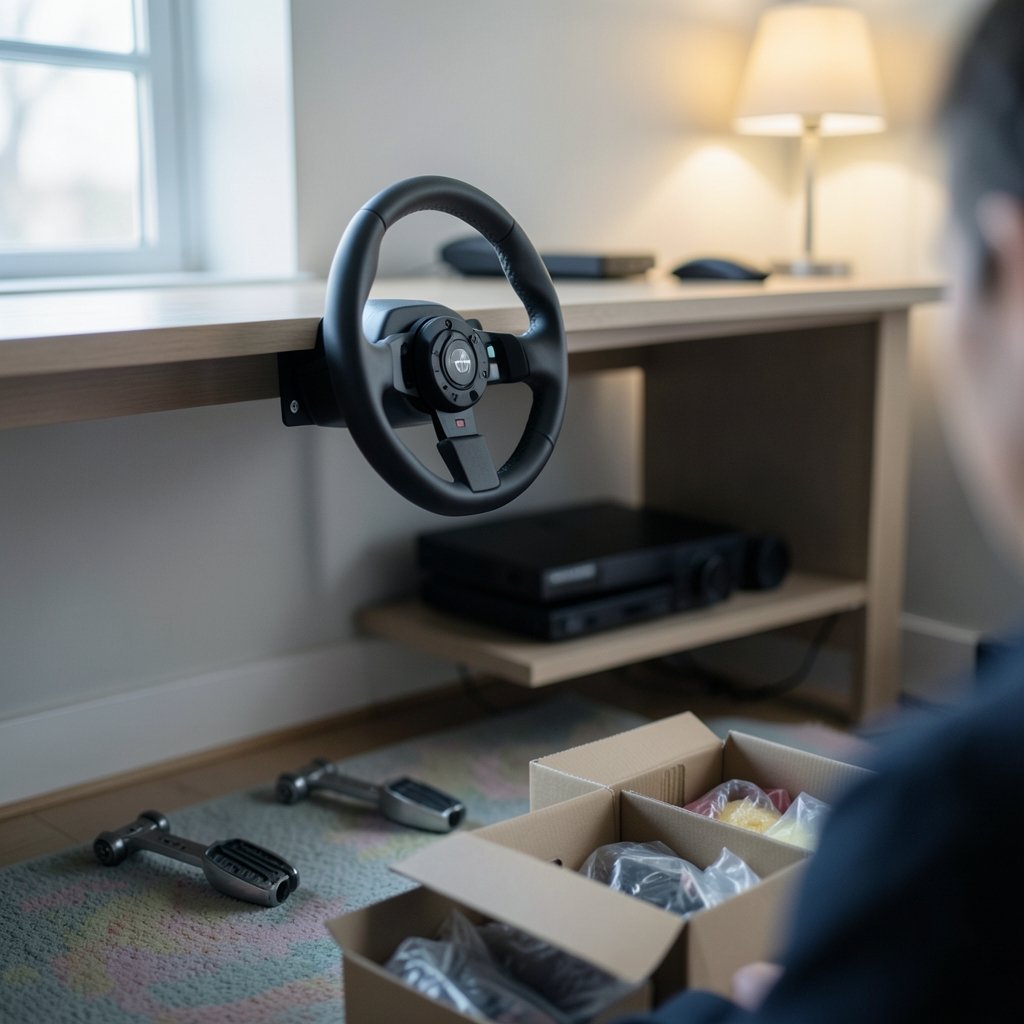
Ever noticed how a racing wheel listing can look perfect until you open the box and realize the pedals are missing, the clamp won’t fit your desk, or the whole thing refuses to talk to your console? That gap between the marketing page and the living room is exactly where most buyer regret is born.
Racing wheels sit in an awkward category. They are computer peripherals, mechanical hardware, and gaming accessories all at once. That means the things that matter most are rarely the things printed in the biggest font on the product page. Torque numbers get bolded. Compatibility footnotes get buried. Bundle contents get photographed in ways that imply more than the box contains.
A slow, methodical check before payment takes maybe twenty minutes. Skipping it can cost hundreds and leave you with a wheelbase that fights your furniture. The checklist below walks through what to verify, in roughly the order that saves the most pain. If you are also weighing other big tech purchases this year, the same discipline pays off when you compare an amd vs intel cpu check compatibility before upgrade 2027 situation, where socket and chipset mismatches cause the same kind of expensive surprise.
Confirm What Is Actually in the Box
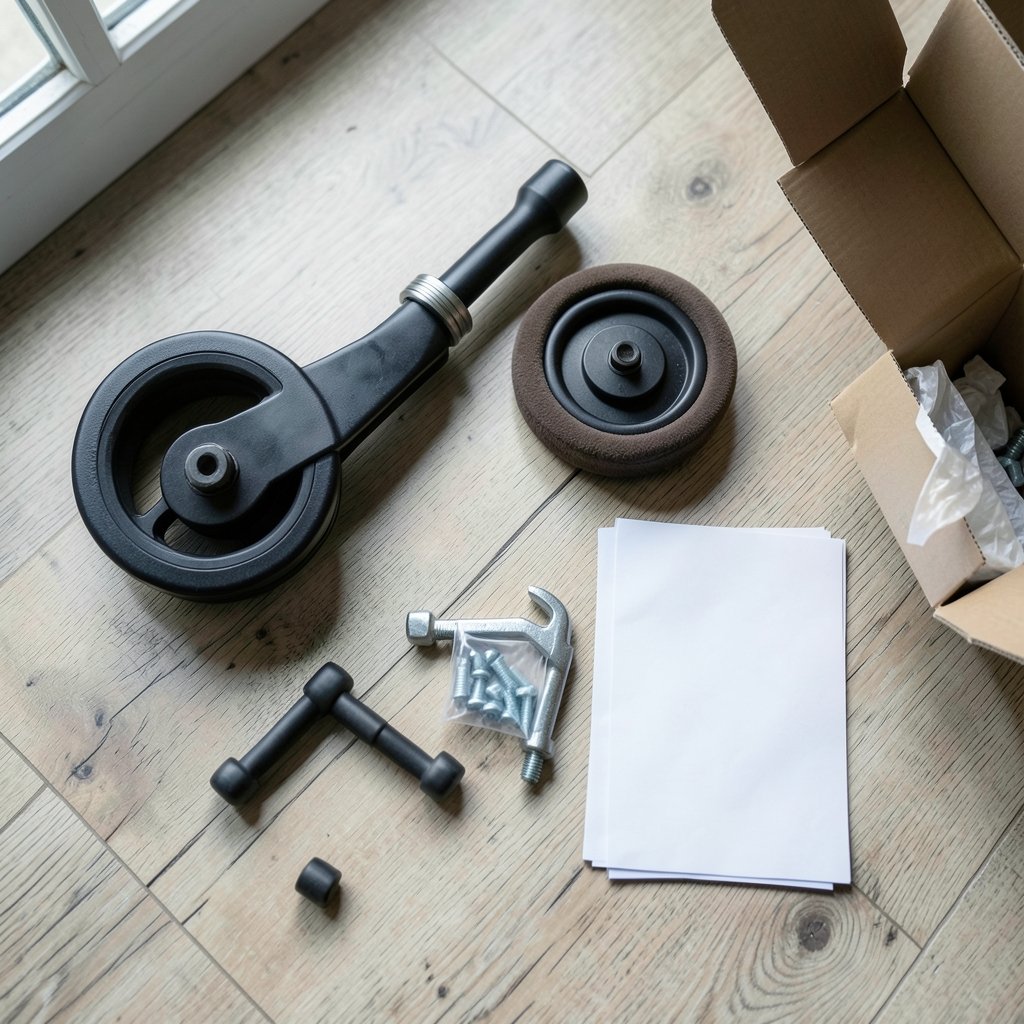
This is the single most common mistake, and it costs people the most money. Many listings sell a wheelbase and rim as one product and pedals as a separate line item. Others sell a rim alone with no quick-release hub. Still others bundle a two-pedal set that has no clutch, which quietly rules out certain driving styles and titles.
Before paying, read the “what’s in the box” section line by line and match it against what you need. Ask three questions: Does it include pedals? How many? Does it include a table clamp or mounting bracket? Does the rim come with the quick-release adapter, or is that sold separately?
A practical habit that works well: write down the exact part numbers of everything you believe you are buying, then check that each one appears in the box contents list. If a part number is missing from that list, assume it is not included until the seller confirms otherwise in writing.
Understand Torque Ratings Before You Compare Prices
Direct-drive wheelbases are rated in newton-metres, and the spread is enormous, from roughly 5 Nm at the entry level to well over 20 Nm on high-end units. That number drives everything else: how heavy the base is, how strong your rig must be, and how much the whole setup will cost once you add a proper mount.
Do not state or trust a single torque figure pulled from a review of a different model year. Ratings shift between revisions, and bundle contents change with them. Check the manufacturer’s current spec sheet for the exact model you are buying.
There is also a common misconception worth clearing up. Higher torque is not automatically better for a beginner. A 5 Nm base clamped to a flimsy desk will feel more controlled than a 15 Nm unit that shakes the furniture apart. Match the torque to your mounting solution, not to a leaderboard of numbers.
Check Platform Compatibility and Connection Standards
A wheel that works beautifully on PC may refuse to connect to a PlayStation or Xbox without the right licensed hardware inside. Console support is licensing-dependent, and it can change with firmware updates, so the manufacturer’s compatibility list for your exact console generation is the only source worth trusting.
Most wheels connect to a PC over USB, which is why PC compatibility is usually broader and simpler. The Wikipedia entry on USB is a reasonable primer if you want background on why the interface itself is rarely the bottleneck. The real friction is driver and firmware support for your operating system version.
Two practical checks here. First, confirm your Windows version is listed as supported, rather than a general “Windows” label. Second, look for the specific racing titles you play on the manufacturer’s or community’s supported-games list. A wheel with great hardware and thin software support is a frustrating ownership experience.
Match the Wheel to Your Rig, Desk, and Room
Direct-drive bases are heavy, often several kilograms, and they push back hard. A desk clamp rated for a lighter gear-driven wheel may not survive a direct-drive unit at full force. Before paying, measure your desk thickness against the clamp’s stated range, and check the base’s physical dimensions against the space you actually have.
Then think about noise and vibration. Load-cell brake pedals need to be pushed hard, which means they need something to push against. A pedal set resting on a carpet will slide, and a rig bolted to a floor will not. If you live in a flat with neighbours below, this is not a minor detail.
The same principle applies to other hardware categories where the accessory quietly decides the experience. Anyone shopping for a sim setup and a new display at the same time should read up on whether a steam frame vs meta vr glasses check compatibility before purchase, because the pattern is identical: the headline device is fine, and the supporting hardware is where the money leaks.
Verify the Quick-Release Standard and Mounting Pattern
If you ever plan to buy a second rim, the quick-release standard matters enormously. Some ecosystems use proprietary quick releases; others follow a more common pattern. A proprietary system is not automatically bad, but it locks your future upgrades to one brand’s catalogue.
Mounting patterns work the same way. Check the bolt pattern on the base and on any rig or wheel stand you are considering, and confirm they match. Buyers who skip this step sometimes discover their new base will not bolt to the stand they already own, turning a straightforward purchase into a drilling project.
Read the Return Terms and Warranty Before You Pay
Return windows and restocking fees are not standardized, and they vary wildly between sellers. Some offer generous no-questions returns; others charge a percentage for opened boxes. Read the terms on the checkout page itself, not the marketing page, and screenshot them before paying.
In the EU, distance sales generally carry a 14-day right of withdrawal, and goods must conform to the contract under the Sale of Goods Directive (EU) 2019/771. That right has exceptions, including customized goods, so check the official consumer pages for your country rather than assuming blanket coverage.
Warranty length is a separate question from the return window, and it is usually tied to buying from an authorized dealer. Grey-market imports can arrive without regional warranty coverage, which means a repair becomes your problem and your expense. If the price is dramatically lower than every other seller, that is often the reason.
This is the same trap that catches borrowers and gadget buyers alike, and it is worth reading a bmg money reviews borrowers should check before signing breakdown to see how the pattern plays out in finance. The lesson transfers directly: the terms you did not read are the terms that cost you.
Compare Wheel Types Side by Side
Different drive technologies suit different buyers, and the checklist shifts with each one. Here is how the main categories stack up on the factors that matter before payment.
| Factor | Gear-driven | Belt-driven | Direct drive |
|---|---|---|---|
| Typical torque | Low | Moderate | Roughly 5 Nm to 20+ Nm |
| Weight and mounting demand | Light, desk clamp usually fine | Moderate, sturdier clamp advised | Heavy, rig or reinforced mount strongly advised |
| Force feedback feel | Noticeably mechanical | Smoother, slightly damped | Most detailed and immediate |
| Price tier | Entry | Mid | Premium |
| Best for | Casual play, tight spaces | All-round home setups | Serious sim racing with dedicated space |
The table is a starting point, not a verdict. A belt-driven wheel on a solid stand often beats a direct-drive unit clamped to a wobbling desk, simply because the mounting is part of the experience.
Check Firmware, Drivers, and Community Support
Software support is the least glamorous item on this list and one of the most important. Before paying, look for the manufacturer’s driver download page and confirm it lists your operating system and is actively maintained. A page last updated several years ago is a warning sign.
Community resources fill in the gaps that official pages miss. Sim-racing forums and wikis track which titles work well with which bases, and they flag firmware quirks that no product page mentions. Spending ten minutes reading recent threads about your specific model is one of the highest-value steps in the whole process.
Practical Tips That Actually Work in Practice
A few habits separate smooth purchases from painful ones. None of them require technical expertise.
- Buy the mount before the wheel. Decide where the wheel will live and confirm the clamp or rig supports the torque rating. This single step prevents the most common return.
- Screenshot the listing. Bundle contents and return terms change; a saved copy settles disputes.
- Check the seller’s authorized-dealer status on the manufacturer’s own dealer locator, not the seller’s claims.
- Budget for the extras. A rig, a shifter, a handbrake, and a load-cell brake upgrade can easily exceed the base price.
- Ask about firmware updates in writing if console compatibility is critical to you.
The broader principle is that accessories deserve the same scrutiny as the main purchase. Buyers eyeing a new console should read why a rillabox review buyers should know before ordering matters, because the same accessory-and-terms logic applies. And if you are planning a full room upgrade around the rig, a best racing wheels 2026 actually matters before you buy comparison is a sensible next stop after you have settled the basics.
Conclusion
Buying racing wheels rewards patience far more than it rewards enthusiasm. The buyers who end up happiest are rarely the ones who found the biggest discount. They are the ones who confirmed the torque rating, checked the box contents line by line, verified console licensing and driver support, measured their desk, and read the return terms before entering card details.
Work through the checklist in order: contents, torque, compatibility, mounting, quick-release standard, software, warranty, and seller status. Each item takes minutes. Together they turn a gamble into a decision you can defend, and they leave you free to spend your energy on the part that actually matters, which is driving.
FAQ
Is it worth buying a wheelbase and rim separately?
Sometimes, yes. Buying separately lets you choose a rim that suits your driving style and upgrade later without replacing the base. The catch is that a rim sold alone may not include a quick-release hub or mounting adapter, so the total cost can exceed a bundle. Add up every required part before deciding.
Do I need a rig, or will a desk clamp do?
It depends on the torque rating. Light gear-driven wheels usually work fine with a desk clamp. Heavier direct-drive bases, especially those rated well above 5 Nm, generally need a sturdy rig or a reinforced mount, because the force feedback will move a desk and strain the clamp.
Can a PC wheel work on a console?
Only if the specific model is licensed and supported for that console generation. Console compatibility depends on hardware inside the base rather than the USB connection alone, and it can change with firmware. Check the manufacturer’s compatibility list for your exact console before paying.
What is the difference between a two-pedal and three-pedal set?
A two-pedal set gives you throttle and brake only. A three-pedal set adds a clutch, which some driving styles and titles use. Many entry bundles ship two-pedal sets, and load-cell brake upgrades are usually sold separately, so confirm what the box actually contains.
How long should I have to return a racing wheel?
Return windows are set by the seller and are not standardized, so read the checkout terms rather than the marketing page. In the EU, distance sales generally carry a 14-day right of withdrawal, with exceptions such as customized goods. Warranty length is a separate matter and often depends on buying from an authorized dealer.
Does a higher torque rating always mean a better wheel?
No. Higher torque delivers more detailed force feedback, but it also demands a stronger mount, more space, and more money. A moderate-torque wheel on a solid rig usually feels better than a high-torque unit clamped to a wobbling desk. Match the rating to your setup, not to the biggest number available.



