
What if the best vacuum for your home isn’t the one with the biggest number on the box? Walk through the vacuum aisle and you’ll see bold claims about air watts, “unlimited” runtime, and filters that sound like they belong in a hospital. Strip away the marketing, and picking a vacuum comes down to a handful of practical questions: what’s on your floor, who’s doing the cleaning, and how much hassle you’ll tolerate every single week.
This guide breaks down how the major types actually differ, where the specs mislead, and which features earn their keep in daily use.
Start With the Floor, Not the Spec Sheet
Floor type is the single biggest factor in vacuum choice, and it’s the one shoppers skip most often.
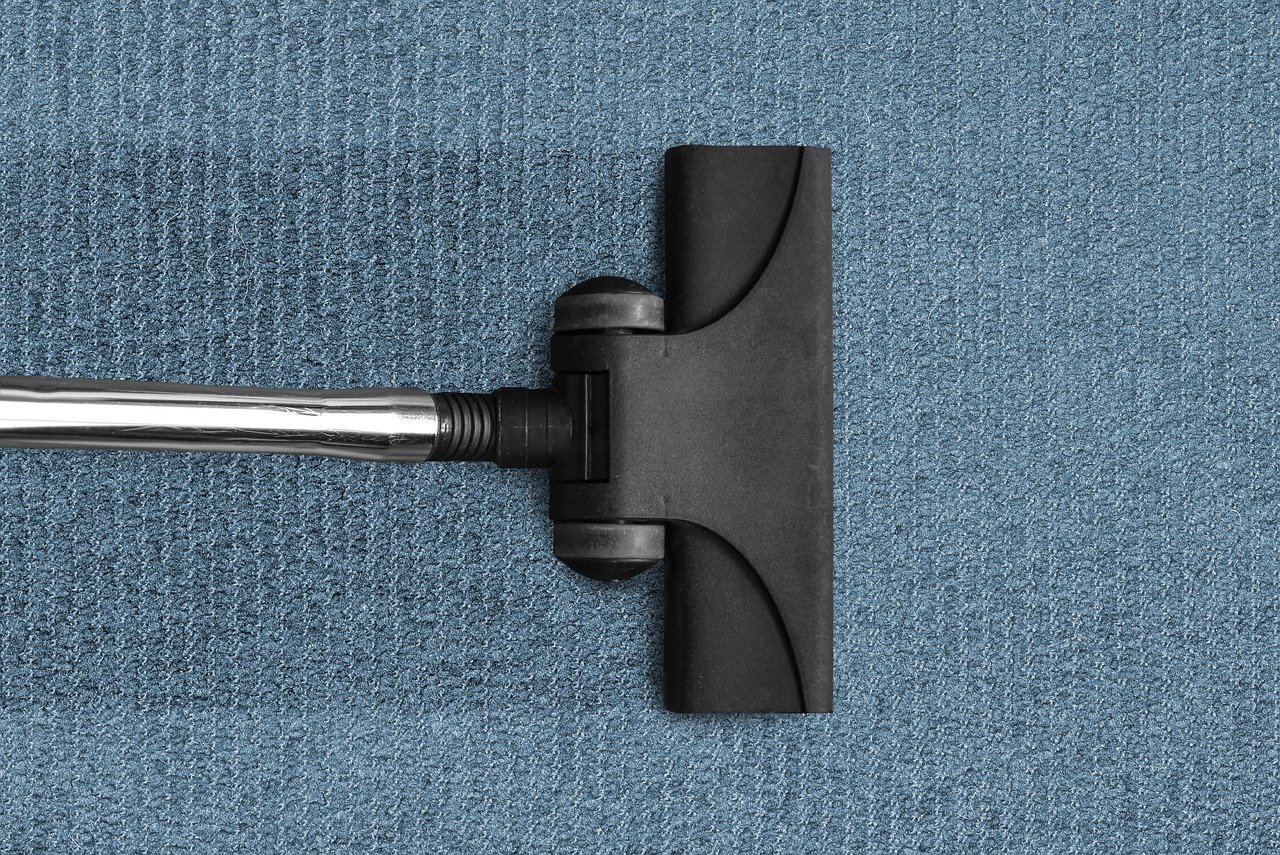
Carpet rewards a powered brush roll. The rotating bristles agitate fibers and lift embedded dirt that suction alone leaves behind. On plush or deep-pile carpet, height adjustment matters too; a head set too low drags and stalls, while one set too high barely touches the surface. If carpet covers most of your home, a machine built around carpet performance should top your list. A closer look at what separates the best vacuums for carpet helps narrow the field before you compare prices.
Hard floors flip the priorities. A spinning bristle brush can scatter crumbs and scratch delicate finishes. Soft rollers or suction-only heads handle tile, wood, and vinyl more gracefully, and many machines now switch between the two with a flip of a lever or a swapped head.
Mixed flooring is the norm in most homes, so versatility beats specialization. The practical test: can you move from a rug to a hardwood hallway without changing heads, losing suction, or spraying debris backward?
The Main Vacuum Types and Who They Suit
There are two classic architectures, plus a few hybrids worth knowing.
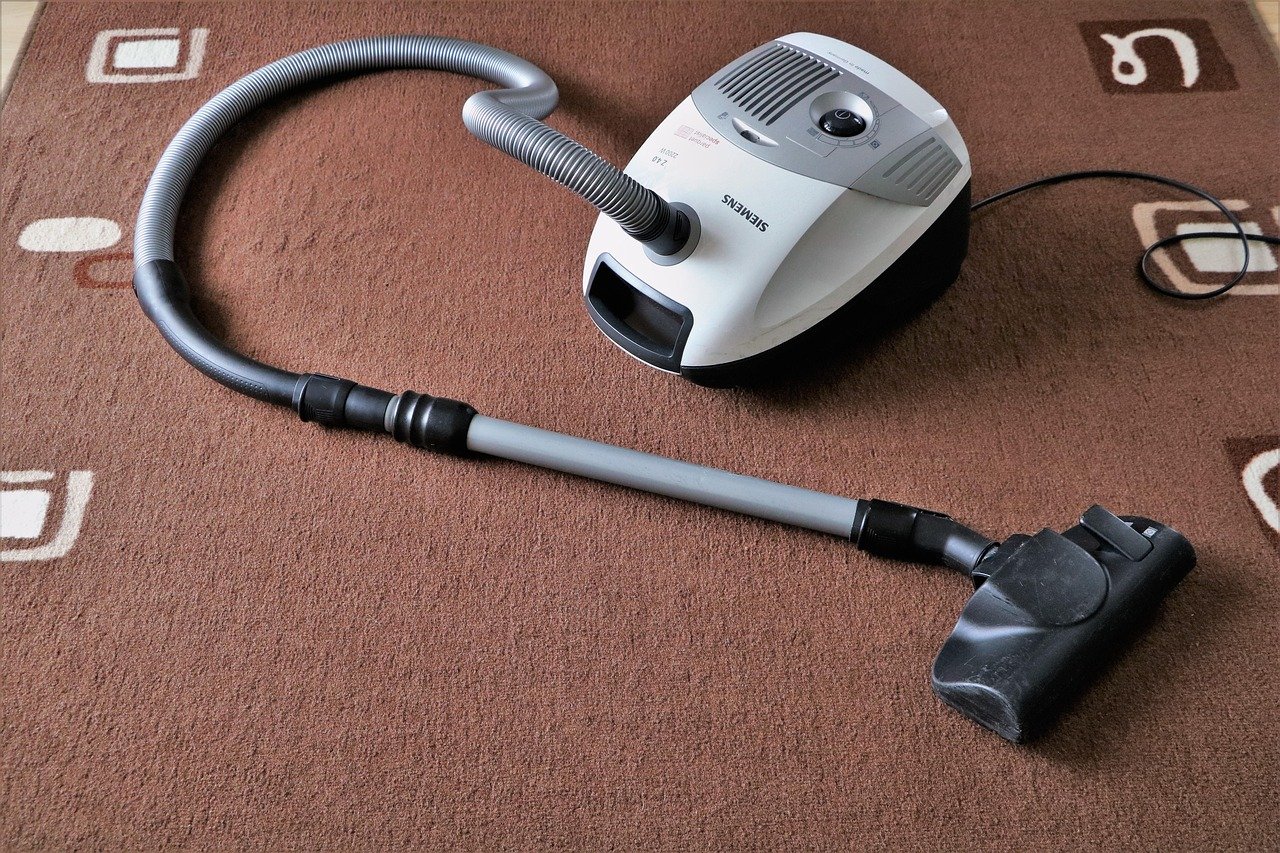
Uprights carry the motor and bin in the handle and body. They’re fast to grab, store upright in a closet, and dominate the US market. Canisters put the motor and bin on a wheeled unit with a hose and wand; they’re more common in Europe and easier to maneuver under furniture and up stairs because only the wand moves.
Cordless stick vacuums have become the default quick-clean tool in many homes. They’re light, often roughly 1.5 to 3 kg, and easy to grab for a spill. The trade-off is runtime: most run about 20 to 60 minutes on low power and often under 10 minutes at maximum power, with capacity dropping as batteries age. Those figures are usually manufacturer claims, not independently tested, so treat them as rough guides.
Robot vacuums are a separate category entirely. They suit maintenance cleaning on hard floors and low-pile carpet, but they generally have less suction and smaller bins than full-size machines. If you’re weighing a robot as a supplement rather than a replacement, it’s worth reading up on which robot vacuum and mop combos actually clean the floor rather than trusting the box.
| Type | Best for | Main trade-off |
|---|---|---|
| Upright | Whole-home carpet, fast storage | Heavy; awkward under low furniture |
| Canister | Stairs, cars, mixed flooring | Bulkier to store; hose can snag |
| Cordless stick | Quick daily cleans, stairs | Short runtime at high power |
| Robot | Maintenance cleaning, hard floors | Less suction; small bin |
Why Suction Numbers Don’t Tell the Whole Story
Vacuum specs are a minefield of incomparable figures. Suction gets quoted in air watts (AW) and kilopascals (kPa), and the two aren’t directly interchangeable. More importantly, a higher number doesn’t reliably predict better cleaning on carpet. Airflow, brush design, and how well the head seals against the floor often matter more than a headline figure.
There is a standard for measuring air performance, ASTM F558, but manufacturers don’t all report to it in the same way, and a lab number rarely matches what happens in a lived-in room with pet hair and tracked-in grit.
Practical takeaway: ignore the biggest number and look for consistency. A machine that holds steady suction as the bin fills usually outperforms one with a showy peak that collapses after five minutes.
Filtration, Bags, and the Allergy Question
HEPA is one of the most abused words in vacuum marketing. A true HEPA filter is rated to capture 99.97% of particles at 0.3 micrometers, a definition that dates back to mid-century standards. Labels like “HEPA-type” or “HEPA-like” are not standardized, so they mean very little on their own.
For allergy sufferers, public-health guidance generally points toward HEPA filtration and reducing dust exposure overall. The vacuum itself can be part of the problem: emptying a bagless bin releases a puff of fine dust right back into the air.
That’s the real bagged-versus-bagless divide. Bagless bins save on consumable costs but require emptying, which is a dust-exposure moment. Bagged models seal debris away and are often the calmer choice for sensitive households. There’s no strong independent evidence that either design cleans better, so pick based on how you’ll feel on emptying day.
Corded or Cordless? The Runtime Reality
Cordless convenience has a hidden cost: batteries degrade over years, and a sealed-in battery can turn a working vacuum into e-waste. Replaceable-battery designs extend product life considerably, and repairability rules in some regions are shifting to encourage exactly that.
The honest math for most homes is a corded machine for deep weekly cleans and a cordless stick for daily touch-ups. If you go cordless-only, check two things before buying: the runtime on the setting you’ll actually use, and whether the battery is user-replaceable.
Weight, Noise, and the Details That Decide Daily Use
A vacuum you dread hauling out won’t get used, no matter how well it scores in a lab.
Typical vacuums run around 70 to 80 dB(A), roughly the volume of a lively conversation to a busy street. Lighter sticks are easier on stairs and overhead work. Hose length, cord length, and how the bin releases all shape whether a chore feels like thirty seconds or five minutes.
Common mistakes worth avoiding:
- Buying on peak suction alone. Check sustained performance and bin capacity instead.
- Skipping the head swap test. Confirm the machine handles both your rugs and hard floors without scattering.
- Ignoring filter maintenance. Clogged filters quietly kill suction; washable filters need a regular rinse-and-dry routine.
- Forgetting storage. Measure your closet before falling for a bulky canister.
- Overlooking consumables. Bags and filters are a recurring cost; factor them in.
Robot owners face their own quirks. Navigation technology shapes how thoroughly a robot covers a room, and the differences between lidar and camera navigation are worth understanding before you spend. Dark carpets can also confuse cliff sensors and cause strange behavior, which is why some robot vacuums struggle on black carpet until you fix the sensor issue. And long hair? It wraps around brush rolls on any machine, robot or not, so it pays to know which designs handle long human hair without constant untangling.
Matching the Machine to the Household
The “best” vacuum changes with the people and pets in the home.
Pet households need strong brush agitation, a bin that’s easy to empty, and tangle-resistant rollers. Hair wrap is the number one maintenance complaint, and a machine that fights it saves real time.
Allergy sufferers should prioritize sealed HEPA filtration and bagged or well-sealed bins.
Small apartments often do fine with a cordless stick plus a handheld for crevices; a full upright may be overkill.
Large homes with mostly carpet usually justify a corded upright with a powered head and a generous bin.
Families with toddlers benefit from lighter machines that come out easily for spot cleans, plus washable filters to keep running costs down.
Where Robot Vacuums Fit In
Robots have earned a permanent place in many homes, but as maintenance tools rather than replacements. They keep hard floors and low-pile carpet tidy between deep cleans, and they’re excellent at getting under beds where full-size machines rarely reach.
They also come with their own upkeep. Wheels jam on cords and rug fringes, and a stuck wheel error is one of the most common complaints; most cases are quick to resolve once you know why the wheel gets stuck and how to fix it fast. Mop tanks need cleaning solution that won’t clog lines or leave residue, so it helps to know which cleaning solution alternatives actually work in practice.
If you want one machine to do both jobs, check how the combo handles transitions and whether the mop lifts on carpet. A well-chosen vacuum and mop combo can genuinely replace two appliances, but only if the mopping isn’t an afterthought.
A Simple Buying Checklist
Before you commit, run through these questions:
- What percentage of your floors is carpet, and how plush is it?
- Do you have pets or long-haired residents?
- Will the machine live in a closet, or does it need to stand out?
- How much runtime do you need per session, honestly?
- Are bags and filters affordable and easy to find?
- Is the battery replaceable?
- Can you lift it up the stairs?
If a machine passes all seven, the spec sheet matters far less than the label suggests.
Conclusion
The best vacuum isn’t a single model or a single number. It’s the machine that matches your floors, your tolerance for maintenance, and the way you actually clean. Prioritize a powered brush roll for carpet, a soft roller for hard floors, honest filtration if allergies are in play, and a weight you’ll happily lift every week. Ignore the loudest claims about suction and runtime, check whether the battery and filters are replaceable and affordable, and treat robots as helpful teammates rather than replacements. Get those basics right, and almost any well-matched vacuum will outperform a flashier one that sits in the closet.
Frequently Asked Questions
Is an upright or canister vacuum better?
It depends on your home. Uprights are fast, store easily, and suit whole-home carpet cleaning. Canisters are easier to maneuver under furniture and up stairs because only the wand moves. Neither design cleans inherently better; the head and brush roll matter more than the body style.
Do higher air watts mean a better vacuum?
Not necessarily. Air watts and kilopascals aren’t directly interchangeable, and higher numbers don’t reliably predict better cleaning on carpet. Airflow, brush design, and how well the head seals against the floor often matter more. Look for steady suction as the bin fills rather than a big peak number.
How long do cordless vacuums actually run?
Most cordless sticks run roughly 20 to 60 minutes on low power and often under 10 minutes at maximum power. Runtime drops as batteries age, and these figures are usually manufacturer claims rather than independent tests. If runtime is critical, check whether the battery is replaceable.
Is a bagless vacuum worse for allergies?
Not automatically, but emptying a bagless bin releases a puff of fine dust into the air, which matters for sensitive households. Bagged models seal debris away. If you choose bagless, empty it carefully outdoors or into a lined bin, and keep the filter clean.
What does HEPA actually mean on a vacuum?
A true HEPA filter is rated to capture 99.97% of particles at 0.3 micrometers, a definition dating back to mid-century standards. Labels like “HEPA-type” or “HEPA-like” are not standardized and mean little on their own. Look for clear claims of true HEPA filtration and a sealed system.
Can a robot vacuum replace a full-size vacuum?
Usually not. Robots suit maintenance cleaning on hard floors and low-pile carpet, but they generally have less suction and smaller bins than full-size machines. Most homes do best with a robot for daily tidying plus a full-size vacuum for deep weekly cleans.



