
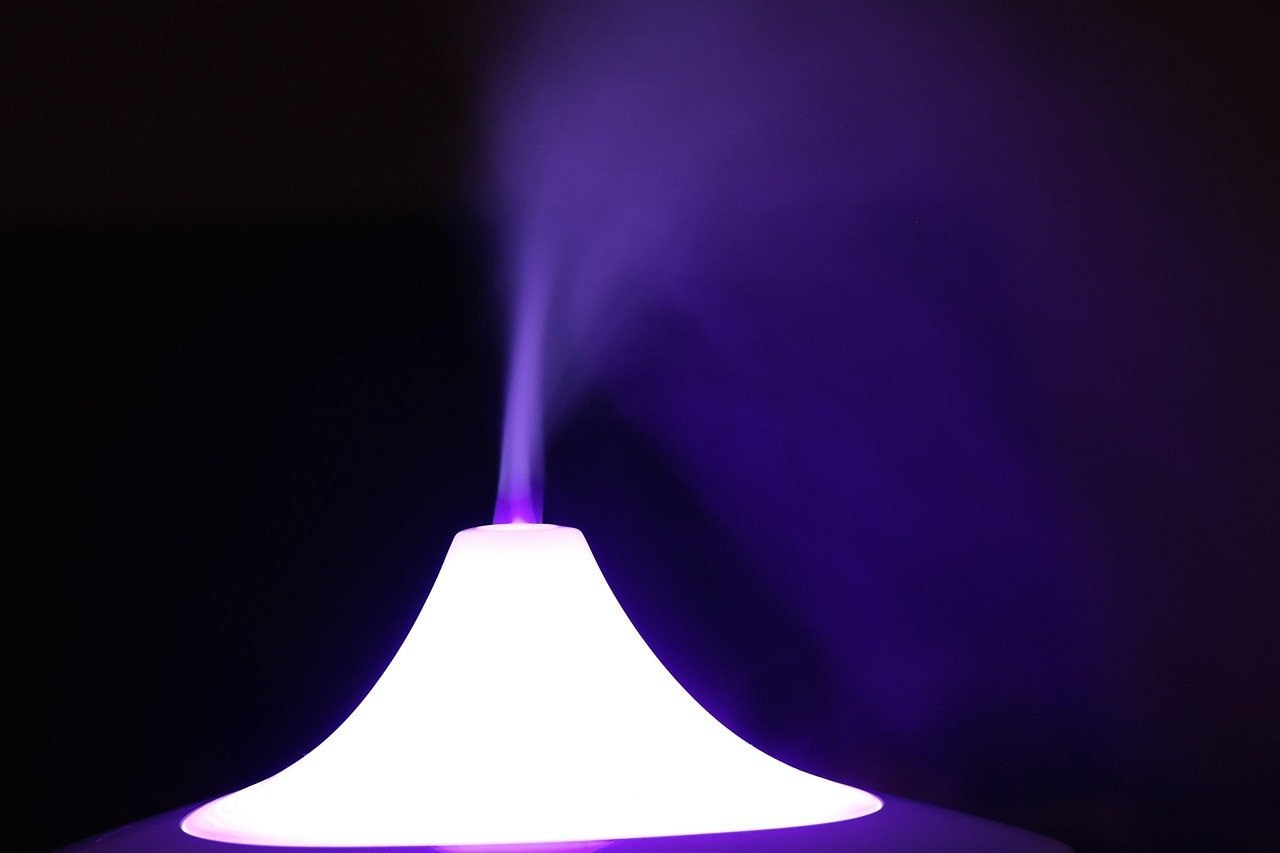
Is your humidifier starting to smell like a damp basement, even though you clean it every week? Many people reach for a bottle of white vinegar out of habit. But vinegar is not the only option, and for some households it is not the best one. The smell lingers, the acid can be harsh on certain plastics and seals, and some manufacturers explicitly warn against it. (Humidifier)
The good news is that you do not need vinegar to keep a humidifier clean. A few common household products, plus a reliable routine, do the job just as well, and sometimes better. This guide walks through what actually works, what to avoid, and how to build a cleaning habit that keeps your air fresh and your machine running longer.
Why People Look for Vinegar Alternatives in the First Place
Vinegar has a solid reputation as a natural cleaner, and for good reason. Acetic acid breaks down mineral scale and kills many types of bacteria. But it comes with real drawbacks in a humidifier context.
First, the smell. A vinegar rinse can leave a sour note in the water tank that lingers for days, especially in ultrasonic models that aerosolize whatever is in the water. Second, material compatibility. Some manufacturers caution that repeated acid exposure can degrade silicone gaskets, rubber seals, and certain plastics over time. Third, and most importantly, vinegar does not dissolve every type of deposit equally well. Hard water scale responds to acid, but biofilm and mold need a different approach.
That is why so many people search for alternatives. The goal is not to avoid cleaning. The goal is to clean effectively without the downsides.
The Three-Step Framework That Replaces Vinegar
Most humidifier cleaning advice boils down to three separate jobs that people often blur together. Separating them makes the whole process simpler and more effective.
| Step | What It Removes | Best Agents | Frequency |
|---|---|---|---|
| Clean | Dirt, dust, film, loose debris | Mild dish soap and warm water | Weekly |
| Descale | White mineral crust and chalky buildup | Citric acid mixed with water | Every 1 to 2 weeks |
| Disinfect | Bacteria, mold spores, biofilm | Diluted bleach or a manufacturer-approved disinfectant | Weekly to biweekly |
If you only do one step, you will either leave scale behind or leave microbes behind. Doing all three in sequence is what actually keeps a humidifier fresh. The order matters too: clean first, descale second, disinfect third, then rinse thoroughly and dry completely.
Step 1: Clean With Soap and Warm Water
This is the least glamorous step and the one most people skip. Before any descaling or disinfecting, take the tank and base apart and wash them with a few drops of mild dish soap and warm water. Use a soft brush or a dedicated bottle brush to get into corners and crevices.
Rinse well. Soap residue that dries on the tank can create a film that feeds mold later. A soft toothbrush works well for narrow channels around the mist outlet and the base of the transducer in ultrasonic units.
Step 2: Descale With Citric Acid Instead of Vinegar
Citric acid is the quiet hero of vinegar-free humidifier cleaning. It is a weak organic acid sold as a white powder, often in the canning aisle of grocery stores or online. It dissolves mineral scale effectively, rinses clean, and leaves no vinegar odor.
The typical approach is to dissolve a tablespoon or two of citric acid powder in a quart or liter of warm water, pour it into the tank, and let it sit for 20 to 30 minutes. For stubborn scale on the base, a paste of citric acid and a little water applied with a soft brush helps. Then rinse thoroughly.
A few practical notes from experience:
- Warm water speeds up the reaction, but do not use boiling water, which can warp plastic tanks.
- Do not overdo the powder. More is not better, and undissolved crystals can scratch surfaces.
- If you cannot find citric acid, a dedicated descaler made for humidifiers or coffee machines works on the same principle.
Step 3: Disinfect With Diluted Bleach or an Approved Alternative
Disinfection is where opinions diverge most. Diluted household bleach is a widely used approach for humidifier tanks, typically a small amount of plain, unscented bleach mixed into a gallon or liter of water, followed by a soak and a very thorough rinse. The exact ratio varies between sources, so check your model’s manual before mixing anything.
Hydrogen peroxide is sometimes suggested as a gentler alternative, but guidance is inconsistent and some manufacturers warn against it. If you go that route, confirm it is acceptable for your specific unit first.
Whatever you use, the rinse matters as much as the soak. Residual disinfectant in a tank gets aerosolized into the air you breathe. Rinse until the water runs clear and you cannot detect any smell, then let everything air-dry completely before reassembly.
What to Avoid When You Skip Vinegar
Skipping vinegar does not mean reaching for something stronger. Some common substitutes cause real problems.
- Rubbing alcohol can dry out and crack rubber seals and gaskets over repeated use.
- Aromatic plant oils are a frequent mistake. Many such oils degrade plastic, and aerosolized oils are a known irritant, particularly for people with asthma. Never add them to humidifier water.
- Harsh bathroom cleaners containing chlorine combined with other chemicals can release dangerous fumes. Keep dedicated cleaners out of the tank.
- Hot water from the tap on a full-blast setting can deform thin plastic components.
One more mistake worth naming: cleaning only the tank and forgetting the base, the mist nozzle, and the cap. Mold loves the damp, warm base of an ultrasonic unit. If you have ever pulled apart a humidifier and found black specks around the transducer, you know exactly what this looks like.
How Often Should You Clean a Humidifier?
There is no universal schedule, but a workable rhythm looks like this:
- Empty and rinse the tank daily. Do not let water sit in it between uses.
- Wash with soap and water weekly.
- Descale every one to two weeks, or more often if you have hard water.
- Disinfect weekly during cold and flu season, and biweekly otherwise.
- Deep clean the entire unit, including the base and nozzle, monthly.
Hard water is the biggest variable. If you see white dust settling on furniture near the humidifier, that is aerosolized mineral content, and it means scale is building up faster than your cleaning schedule accounts for. Distilled water solves this problem almost entirely, though it costs more.
For anyone who wants to monitor indoor conditions alongside their cleaning routine, tools like the best outdoor security cameras without subscription are a separate category entirely, but the same principle applies: regular maintenance beats emergency repairs every time.
The Drying Rule Most People Get Wrong
Here is the single most overlooked step: dry everything completely before you put it back together. Mold and biofilm need moisture to establish. A tank that is 95 percent dry still gives microbes a foothold.
Set parts on a clean towel in a well-ventilated spot, ideally upside down so water drains out. Give them a few hours, not a few minutes. If you reassemble a damp humidifier and refill it right away, you have essentially undone your work.
This matters even more if you store the unit seasonally. A humidifier packed away with residual moisture will greet you with a musty smell next winter. Clean it, dry it fully, and store it with the tank off and the cap loose.
Matching Your Cleaning Method to Your Humidifier Type
Not all humidifiers respond the same way to the same cleaners. The table below summarizes the practical differences.
| Humidifier Type | Scale Risk | Disinfectant Caution | Best Descaler |
|---|---|---|---|
| Ultrasonic | High (white dust) | High, since minerals and microbes aerosolize | Citric acid |
| Evaporative (wick) | Moderate | Moderate; wicks need replacing, not merely cleaning | Citric acid |
| Warm mist / steam | High | Lower, since boiling kills most microbes | Citric acid |
| Whole-house | Varies | Follow HVAC guidance closely | Professional service often best |
Ultrasonic models deserve special attention. Because they create a fine mist from the water itself, anything dissolved or suspended in that water ends up in the air. That is why distilled water and thorough rinsing matter more here than anywhere else. If you have ever wondered how to search for images without copyright issues when documenting a cleaning routine for a rental property or shared home, the same care applies to record-keeping: be precise about what you used and when.
When to Replace Rather Than Clean
Some problems are not solvable with citric acid. Replace the unit or its parts when:
- The tank has visible cracks or cloudy, etched plastic that will not clear.
- Mold has penetrated porous parts like wicks or foam filters.
- The base shows corrosion around electrical contacts.
- A persistent smell returns within a day or two of cleaning.
Wicks and filters are consumables. Trying to clean them beyond their lifespan usually spreads contamination rather than removing it.
Building a Routine You Will Actually Keep
The best cleaning schedule is the one you follow. A few habits make that easier. Keep a small caddy with citric acid powder, a soft brush, and a measuring cup near where you store the humidifier. Empty the tank every morning as part of your existing routine, the same way you would check a best video doorbells without subscription setup or wipe down a kitchen counter. Set a phone reminder for the weekly deep clean. Small friction points are what kill maintenance habits.
If you enjoy small home rituals that pay off, the same mindset behind learning how to make cold foam at home applies here: a little technique beats a lot of expensive equipment. (Use and Care of Home Humidifiers)
Conclusion
Cleaning a humidifier without vinegar is not a compromise. It is often an upgrade. Citric acid handles scale cleanly and without the smell, mild soap removes the film that feeds mold, and a properly diluted disinfectant, used according to your manual, keeps the tank hygienic. The real secret is not any single product. It is separating cleaning, descaling, and disinfecting into distinct steps, rinsing thoroughly, and drying completely every time.
Start with one change this week: swap the vinegar for citric acid and see how much fresher the tank smells. Your lungs, your furniture, and your machine will notice the difference.
Frequently Asked Questions
What can I use instead of vinegar to clean a humidifier?
Citric acid powder dissolved in warm water is the most reliable substitute for descaling. For disinfecting, properly diluted bleach or a manufacturer-approved disinfectant works well. Mild dish soap and warm water handle the basic cleaning step. Always check your model’s manual before mixing any cleaner.
Is citric acid safe for all humidifier tanks?
Citric acid is generally gentle on plastics and rinses clean, which makes it a popular choice. That said, some manufacturers specify particular cleaning agents, and following those instructions protects your warranty. Dilute the powder fully and avoid boiling water, which can warp tanks.
Can I use bleach to clean my humidifier?
Diluted household bleach is a widely used disinfectant for humidifier tanks, but concentration ratios vary between sources and some manufacturers prohibit it. Use plain, unscented bleach only, never mix it with other cleaners, and rinse the tank thoroughly until no odor remains. Check your manual first.
How often should I clean my humidifier if I do not use vinegar?
A practical schedule is a daily rinse, a weekly soap-and-water wash, descaling every one to two weeks, and disinfection weekly during cold and flu season. Hard water speeds up scale buildup, so increase the descaling frequency if you notice white dust on nearby surfaces.
Why does my humidifier still smell after cleaning?
The usual culprits are incomplete drying, missed parts like the base or nozzle, or a worn wick or filter that needs replacing rather than cleaning. Mold can also penetrate porous components. If the smell returns within a day or two, replace the consumable parts and deep clean the entire unit.
Can I add aromatic plant oils to the water instead of cleaning products?
No. Aromatic plant oils can degrade plastic components, and aerosolized oils are a known respiratory irritant, especially for people with asthma or allergies. They do not clean anything. Keep the tank filled with clean water only, and rely on proper cleaning and disinfection instead.



