Can a grinder really give you a clean, repeatable shot when you weigh out one dose of beans at a time, with almost nothing left behind? That is the whole promise of single dosing, and the answer depends far more on design details than on marketing claims. Anyone chasing consistency, zero waste, and the freedom to swap beans between shots needs to understand what separates a true single-dose machine from a hopper grinder with a fancy label.
What Single Dosing Actually Means
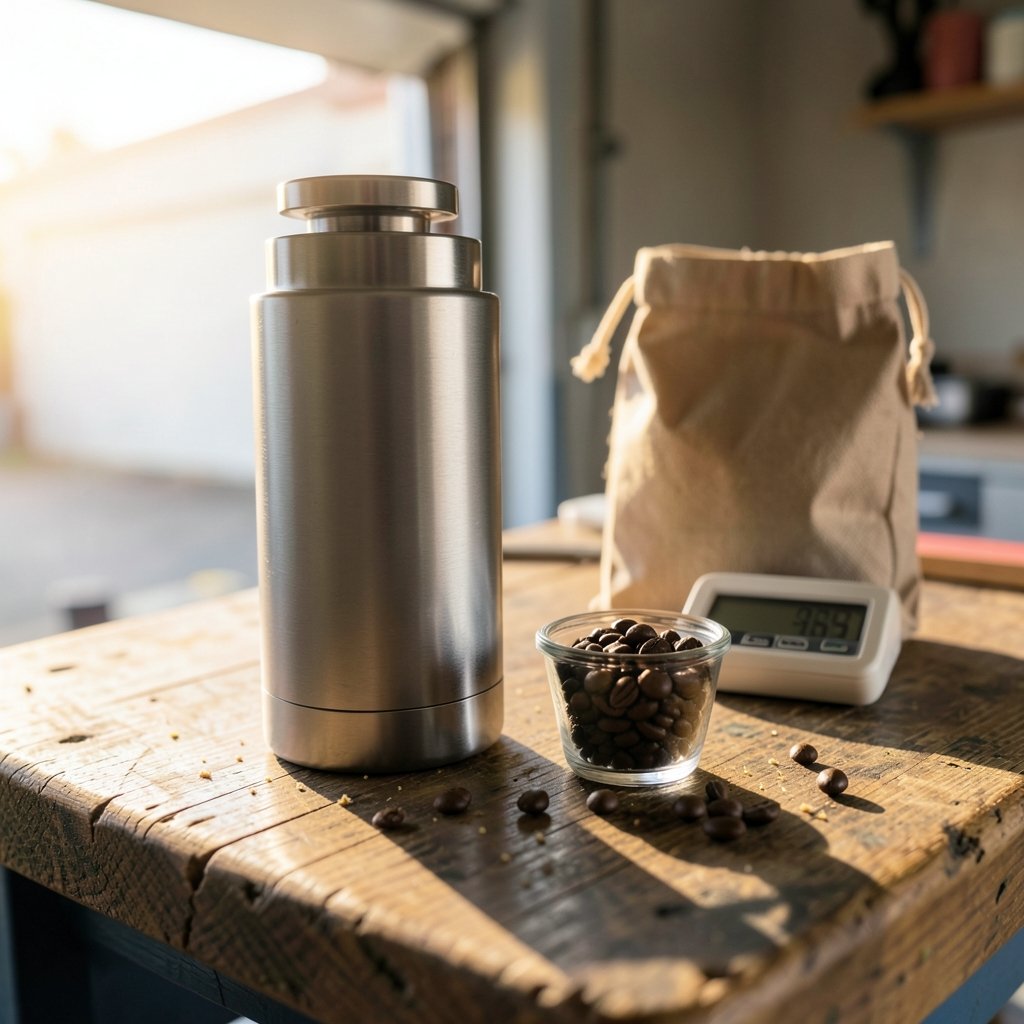
Single dosing is a workflow, not a formal engineering standard. Instead of filling a hopper with beans that sit and slowly stale, you weigh a precise dose (say 18 grams), drop it into the grinder, and grind it fresh for that one shot. The term has been common in enthusiast circles since roughly the mid-2010s, though its exact origin is murky. There is no official definition, and manufacturers use the phrase loosely.
The core design goal behind single-dose grinders is low retention: minimizing the ground coffee left inside the chamber and chute, and minimizing exchange between one dose and the next. If half a gram of yesterday’s dark roast lingers in the chute, your delicate light roast today picks up that flavor. Enthusiasts have debated retention and exchange for years on forums like Home-Barista, where the topic generates thousands of detailed posts.
Here is the catch that trips up almost everyone: retention figures are not standardized. Manufacturers and reviewers measure them differently, with or without bellows, using different beans, under different humidity and static conditions. A quoted “0.1 gram retention” from one brand and “0.3 grams” from another are not directly comparable. Treat every number as a rough signal, not a spec sheet fact.
Why Single Dosing Has Grown So Popular
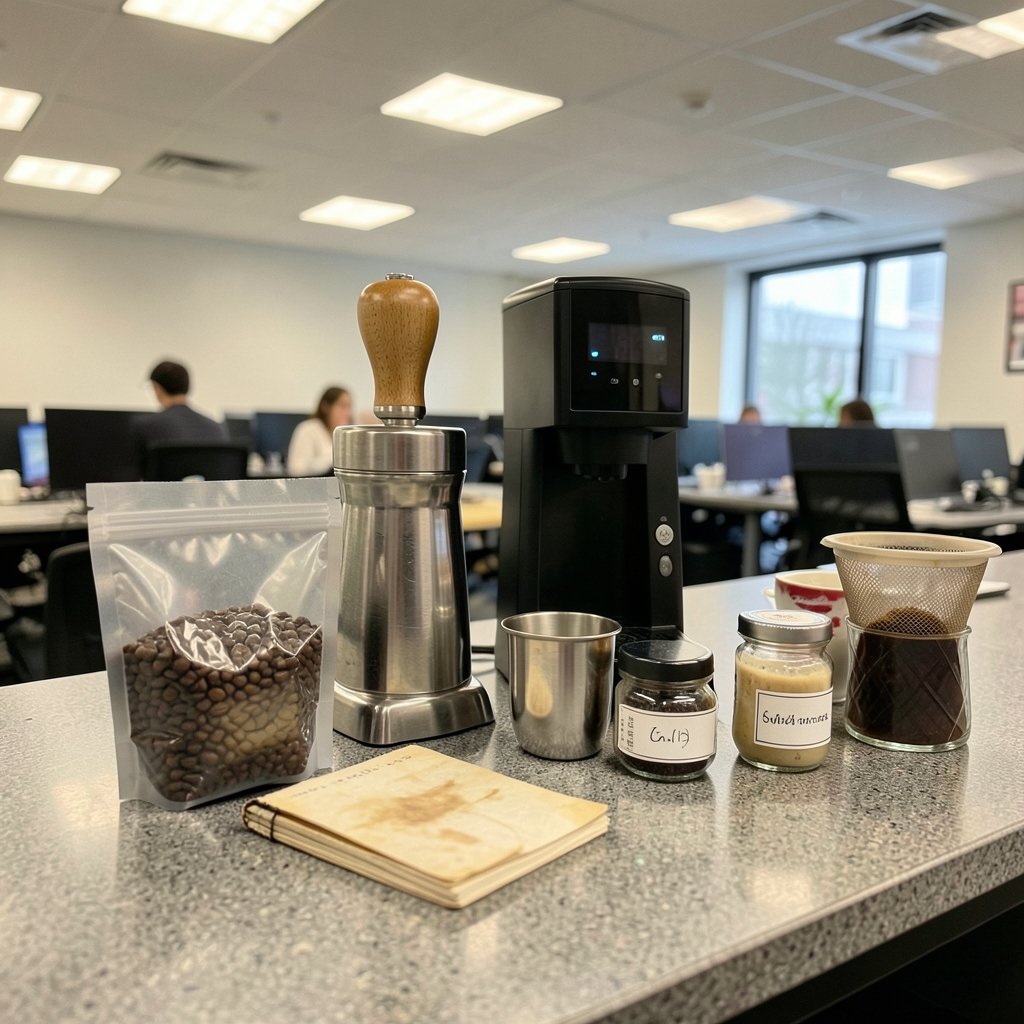
The appeal comes down to three practical wins.
First, freshness. Whole beans start losing aromatics the moment they are exposed to air. A hopper full of beans might sit for days. Single dosing means every shot uses beans ground seconds after leaving the bag.
Second, bean swapping. If you want an espresso in the morning and a pour-over in the afternoon, or you are comparing two roasts side by side, single dosing lets you switch without purging a hopper’s worth of coffee. That matters whether you are dialing in a best coffee grinder for espresso or a best pour over coffee maker setup.
Third, waste control. Specialty beans are expensive. Purging 20 grams every time you change settings adds up fast. For anyone buying premium best coffee beans for espresso, single dosing protects that investment.
The trade-off is speed and rhythm. Weighing each dose adds steps, and in a busy cafe that slows throughput. This is why single dosing is dominant at home and in low-volume settings, while high-volume cafes often stick with hopper-fed grinders.
The Design Features That Matter Most
Not every grinder labeled “single dose” is built for it. A few design elements separate the real thing from the pretenders.
Low-retention grind chamber and chute
The path from burrs to exit should be short and steep. Long horizontal chutes trap grounds. Vertical or near-vertical drops clear better. Look for minimal internal ledges and a clean exit.
Bellows and blowers
A bellows accessory lets you puff air through the chamber to push out retained grounds. These became popular in the enthusiast community around the late 2010s and are now standard on many single-dose models. They work, but they are not magic: you still get some exchange, and over-pumping can send fines flying.
Burr type and geometry
Flat versus conical burrs change the grind profile and how grounds behave in the chamber. Single-dose designs often use specific burr sets tuned for clarity and low retention. The burr choice affects flavor as much as workflow, so it deserves attention whether you are shopping for a best espresso grinder or a general-purpose machine.
Anti-static features
Static is the quiet enemy of single dosing. Dry conditions and light roasts make grounds cling to walls and chutes, defeating low-retention design. Some grinders add ionizers or grounding to fight this. In practice, a light spritz of water on the beans (the “Ross droplet” trick among enthusiasts) reduces static dramatically and costs nothing.
Adjustment mechanism
Stepless adjustment lets you dial in espresso with fine control. Stepped grinders are easier to return to a known setting for brew methods. Single dosers who switch between espresso and filter often prefer stepless with a reliable zero point.
A Practical Comparison of Grinder Styles
| Feature | Single-dose grinder | Hopper-fed grinder |
|---|---|---|
| Retention | Low by design | Higher, varies widely |
| Bean swapping | Easy, no purge needed | Requires emptying hopper |
| Freshness | Excellent | Declines as hopper sits |
| Speed per dose | Slower (weighing each time) | Faster in volume |
| Best for | Home, testing, variety | Cafes, high volume |
| Waste | Minimal | Purge waste when changing |
The table makes the trade-off clear. Neither style is “better” in the abstract; they serve different needs. Most home users who care about consistency lean toward single dosing, while volume operations accept retention in exchange for speed.
Common Mistakes People Make
Even a great grinder underperforms when the workflow is sloppy. These are the errors that show up again and again.
Trusting retention numbers blindly. As noted, there is no standard. Test your own grinder: grind a dose, weigh the output, then run a second dose and compare. The difference tells you more than any spec sheet.
Skipping the bellows routine. If your grinder has bellows, use them consistently. Inconsistent pumping means inconsistent exchange, which means inconsistent shots.
Ignoring static. In dry months, grounds cling and retention spikes. A tiny water spritz or a grounded mat solves most of it.
Overfilling the chamber. Single dosing works because the dose is small. Dumping in extra beans “for next time” defeats the purpose and reintroduces staleness.
Forgetting to clean. Residual oils build up and turn rancid. A quick brush-out weekly keeps flavors clean and retention low.
Chasing zero retention as a religion. Perfect zero is a myth. What matters is consistency: the same small amount of exchange every time is fine; a variable amount is not.
What Actually Works in Practice
The grinders that earn praise in single-dosing communities tend to share traits: short grind paths, effective bellows, stable burr alignment, and honest retention behavior. Models from Niche, Weber Workshops, Option-O, and various Mazzer and Compak lines come up often, though specs and launch dates should always be confirmed on official pages rather than taken from memory.
A few practical habits make any single-dose setup perform better:
- Weigh your dose to 0.1 gram accuracy before grinding.
- Grind, then use the bellows with a consistent number of pumps.
- Weigh the output to confirm what actually landed in the basket.
- Adjust the grind, not the dose, when dialing in flavor.
- Brush the chamber weekly and deep-clean monthly.
This routine turns a good grinder into a reliable one. It also reveals problems early: if output weight drifts shot to shot, something in the chamber or chute is misbehaving.
One more consideration: single dosing pairs naturally with brew methods that reward precision. If you are using a best keurig coffee maker or a best k cup coffee maker, the workflow is different, but the underlying principle holds: fresh, measured coffee beats stale, guessed coffee every time. And for anyone weighing the bigger picture of best coffee quality, the grinder is usually the highest-leverage upgrade. (Coffee preparation)
Who Should Consider Single Dosing
Single dosing suits people who value consistency and variety over speed. That includes home espresso enthusiasts, filter brewers who rotate beans, and anyone testing roasts side by side. It also suits small households where a hopper would go stale before it emptied.
It suits cafes less well, unless they run a dedicated single-dose grinder for special offerings. In high-volume service, the per-dose weighing and bellows routine costs time that adds up over a shift. (Research)
The honest answer: if you weigh your coffee anyway, single dosing costs you almost nothing extra and gains you freshness and flexibility. If you want to press a button and walk away, a hopper grinder may serve you better.
Conclusion
Single dosing is less about a label on a box and more about a design philosophy: short grind paths, low retention, effective clearing, and honest behavior shot after shot. The grinders that do it well share those traits, and the people who get the most from them follow a consistent routine. Retention numbers will keep being quoted and disputed, static will keep causing trouble in dry weather, and bellows will keep earning their place on the counter. None of that changes the core truth: if you want fresh, repeatable coffee with minimal waste, a grinder built for single dosing, paired with a disciplined workflow, is one of the most satisfying upgrades you can make. Weigh the dose, clear the chamber, and let the cup tell you whether it worked.
Frequently Asked Questions
What is single dosing in coffee grinding?
Single dosing means weighing one dose of whole beans and grinding it fresh for a single drink, rather than filling a hopper. It keeps coffee fresher and lets you switch beans without purging, but it adds a weighing step to each shot.
Is a single-dose grinder really zero retention?
No grinder is truly zero retention. Designers aim for very low retention and low exchange between doses, but some grounds always remain. What matters is that the retained amount stays consistent, so each shot behaves predictably.
Do I need bellows on my grinder?
Bellows help push retained grounds out of the chamber and chute, and most single-dose users find them worthwhile. Use them consistently, with the same number of pumps each time, so the exchange stays predictable rather than variable.
Why does static make my grinder retain more coffee?
Static causes grounds to cling to chamber walls and chutes, especially with light roasts and dry air. A tiny spritz of water on the beans before grinding, or a grounded surface, reduces static and improves output consistency.
Can I use a hopper grinder for single dosing?
You can, but results vary. Hopper grinders often have longer chutes and higher retention, so exchange between doses is larger. Some work acceptably with bellows and careful cleaning, but purpose-built single-dose models usually perform better.
Is single dosing good for cafes?
It depends on volume. Single dosing shines for special offerings, testing, and low-volume service, where freshness and flexibility matter most. In busy service, the extra weighing and clearing steps can slow throughput enough that hopper-fed grinders make more sense.
Will single dosing change the taste of my coffee? Indirectly, yes—and usually for the better. Because each dose is ground fresh from whole beans and the chamber is cleared between uses, you avoid the stale, oxidized grounds that can dull flavor in a hopper setup. The bigger gain is repeatability: consistent exchange means consistent extraction, so the cup you dial in today is the cup you get tomorrow.
How much does a single-dose grinder cost? Prices span a wide range, from budget hand grinders to premium flat-burr machines. The low-retention features that matter—short grind paths, bellows, solid alignment—appear at many price points, so set a budget and prioritize burr quality and build over marketing claims.
Whatever you choose, the principle stays the same: measure fresh, grind clean, and let consistency do the rest.