

Have you ever opened your grinder after a fresh grind only to watch half the coffee cling to the walls like it’s been magnetized? You tap the lid, shake the machine, and still end up brushing grounds off the burrs with your finger. That mess is static electricity, and it’s one of the most annoying parts of home coffee brewing. The good news is that a coffee grinder static fix is usually simple, cheap, and doesn’t require buying a new machine. In most cases, you can tame the cling with a few drops of water, a small change in routine, or a better-grounded setup. This guide walks through what actually causes the problem, which fixes work in real kitchens, and which popular tricks are mostly hype.
What Causes Static in a Coffee Grinder?
Static builds up when two materials rub together and electrons move from one surface to the other. In a grinder, dry coffee grounds slide against plastic hoppers, glass catch cups, and metal burrs at high speed. That friction creates a charge, and the charged grounds stick to whatever surface holds the opposite charge. This process is called triboelectric charging, and it’s the same effect that makes a balloon stick to a wall after you rub it on your hair.
Two conditions make it worse. The first is low humidity. Dry air can’t carry charge away, so it builds up on the grounds and the grinder parts. This is why so many people notice the problem in winter, when indoor heating drops humidity to desert levels. The second is fine grinding. Espresso-style grinds have far more surface area than coarse French press grinds, so there’s more friction and more clinging powder. That’s also why people shopping for a best coffee grinder for espresso often run into static complaints right away.
Plastic parts are the biggest offender. A plastic hopper or catch cup holds a charge well, while metal parts that are properly grounded tend to shed it. If your grinder has a plastic grounds bin, expect more cling than a model with a grounded metal cup.
The Water Drop Method: The Fix That Actually Works
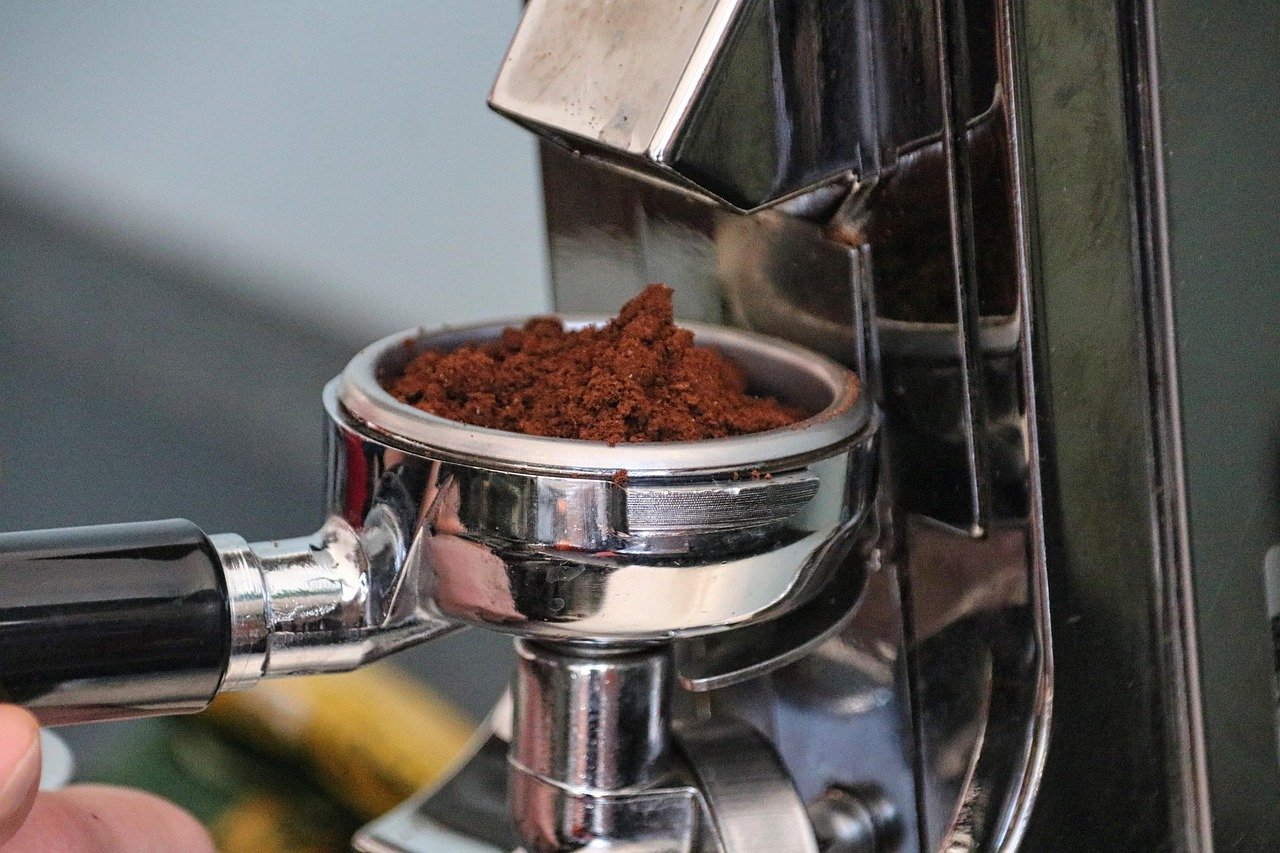
The most effective coffee grinder static fix is almost embarrassingly simple: add a tiny amount of water to the beans before grinding. Coffee hobbyists call this the Ross Droplet Technique, or RDT. You measure your dose of whole beans, then add a few drops of water, stir, and grind as usual.
How to do it right
- Weigh your beans into a small cup.
- Dip a spoon or your finger in water and flick two or three drops onto the beans. For a typical 18-gram espresso dose, that’s plenty.
- Stir the beans so the water spreads evenly.
- Let them sit for a few seconds, then grind.
- Wipe the burrs and bin dry afterward if you’re grinding again soon.
The key word is tiny. One or two drops is enough for a single dose. A wet spoon or a full teaspoon of water will gum up the burrs, cause clumping, and potentially rust steel components over time. The goal is a barely perceptible dampness, not a soak. If the grounds come out clumpy and paste-like, you used too much.
The method works because a thin film of water on the bean surface conducts charge away before it can build up. It’s the same principle behind anti-static sprays in industrial settings, scaled down for a kitchen. It also pairs well with any best coffee beans for espresso you’re dialing in, since the water has no meaningful effect on flavor at that dose.
Why Some Grinders Suffer More Than Others
Machines differ in how they handle static. A few design factors make a real difference.
| Factor | Higher Static Risk | Lower Static Risk |
|---|---|---|
| Hopper material | Plastic | Metal or anti-static coated |
| Grounds bin | Plastic cup | Grounded metal cup |
| Burr type | Flat steel, high speed | Conical, lower speed |
| Grind setting | Fine (espresso) | Coarse (French press) |
| Room humidity | Below 40% | 50% or higher |
If you’re comparing machines, it’s worth checking whether the manufacturer mentions anti-static treatment. Some brands now ship grinders with ionizing components or grounded metal cups specifically to cut cling. That said, no grinder is completely immune, and even premium models benefit from the water drop trick. If you’re weighing a purchase, reading up on options like a best pour over coffee maker alongside grinder reviews helps you match the grind size to your brew method, which in turn affects how much static you’ll see.
Other Fixes Worth Trying
The water drop method is the headline act, but a few supporting habits help.
Ground the grinder properly
If your grinder has a metal body or a metal grounds cup, make sure it sits on a grounded outlet and isn’t isolated on a rubber mat. Grounding gives stray charge a path to dissipate. This is a small factor, but it costs nothing to check.
Stir the grounds before you dump them
A quick stir with a toothpick or a dosing tool inside the catch cup can break the charge bond and release grounds from the walls. Many espresso fans do this anyway to break up clumps, so it’s a two-for-one habit.
Keep humidity in a reasonable range
A small humidifier in the kitchen during winter can reduce static across the board. You don’t need tropical conditions. Anywhere in the 40 to 60 percent relative humidity range tends to help. This also keeps your beans from drying out too fast, which is a bonus for flavor.
Clean the burrs regularly
Old coffee oils and fine dust create a sticky layer that makes grounds cling even without static. Brushing the burrs every week or two keeps the grinder running clean. It’s a bit like the routine maintenance behind a how to fix antimalware service executable high cpu usage guide: small, regular upkeep prevents bigger problems later.
Skip the anti-static guns
Industrial ionizing air guns do neutralize static, and they’re used in manufacturing. For a home kitchen, they’re overkill, expensive, and awkward to use around food. A two-dollar spray bottle or a wet finger does the same job.
Common Mistakes People Make
A lot of static advice online is well-meaning but wrong. Here are the traps to avoid.
Using too much water. This is the number one mistake. People read “add water” and pour in a teaspoon. The result is a clogged grinder and clumpy, uneven extraction. Stick to drops.
Spraying water directly into the hopper. Water in the hopper can seep into the burr chamber and cause rust or mold over time. Always add water to the measured dose of beans, not to the machine.
Assuming a new grinder will fix it. Static is a physics problem, not a defect. A more expensive grinder may reduce it, but it won’t eliminate it. Fix the conditions first.
Ignoring humidity. If your kitchen is bone dry in January, no grinder will stay clean. Address the environment before blaming the equipment.
Rinsing the burrs under the tap. Never do this. Burrs are precision parts, and water plus steel equals rust. Brush them dry instead.
Does Static Affect the Taste of Your Coffee?
Static itself doesn’t change flavor, but the mess it causes can. Grounds stuck to the walls of the catch cup mean you’re dosing less coffee than you weighed. If you weigh 18 grams of beans and only 16 grams make it into the portafilter, your shot runs fast and tastes thin. That’s a real problem for anyone chasing consistency, and it’s a common reason espresso shots taste different from day to day.
The water drop method solves this by getting nearly all the grounds into the basket. A quick check: weigh your dose before grinding and weigh the grounds after. If you’re losing more than half a gram, static is eating your coffee. That small loss matters more than most people realize, especially with light roasts that produce more fines. It’s a bit like the hidden performance drags covered in a decky loader not working steam deck fix 2026 walkthrough: small inefficiencies add up to a noticeably worse experience.
Static and Different Brew Methods
The grind size you use changes how much static you’ll fight.
For espresso, the fine grind and high burr speed produce the most cling. This is where the water drop method pays off most, and where a grounded metal dosing cup helps. For pour over, a medium grind produces moderate static, and a quick stir usually handles it. For French press, the coarse grind generates very little static, so you may not need any fix at all. Drip machines and single-serve brewers that use pre-ground coffee sidestep the issue entirely, which is one reason a best k cup coffee maker or a best keurig coffee maker appeals to people who don’t want to deal with grinding at all. If you’re curious about the broader category, browsing best coffee reviews can help you decide whether grinding fresh is worth the extra step.
When to Consider a Different Grinder
If you’ve tried the water drop method, kept humidity reasonable, and cleaned regularly, and grounds still fly everywhere, the grinder itself may be the issue. Look for models with metal grounds cups, anti-static coatings, or lower-speed burrs. Conical burr grinders tend to run slower and generate less friction than high-speed flat burr models. Some newer machines also include ionizing elements near the chute.
That said, don’t rush to replace a working grinder over static alone. The fix is usually a few drops of water, not a new purchase. Upgrade when you want better grind consistency or a quieter motor, not solely to stop the cling.
A Simple Routine That Keeps Static Away
Here’s what actually works in practice, condensed into a repeatable habit.
- Weigh your beans into a small cup.
- Add two or three drops of water and stir.
- Grind as usual.
- Stir the grounds in the catch cup before dumping.
- Brush the burrs weekly and keep the kitchen from getting too dry.
That’s it. No gadgets, no sprays, no special equipment. The whole routine adds about ten seconds to your morning, and it eliminates most of the mess. Once it becomes habit, you’ll wonder why you ever fought with clingy grounds.
Conclusion
Static in a coffee grinder is a normal side effect of friction, dry air, and fine grinding, not a sign that your machine is broken. The most reliable coffee grinder static fix is the water drop method: a couple of drops on your measured beans before grinding, stirred in, then ground as usual. Pair it with decent kitchen humidity, a quick stir of the grounds, and regular burr cleaning, and the cling mostly disappears. Skip the expensive anti-static gadgets and the temptation to over-wet your beans. A tiny amount of water, applied consistently, does more than any product on the market. Fix the conditions, not the machine, and your grinder will stay clean and your doses will stay accurate.
Frequently Asked Questions
How much water should I add to beans to stop static?
For a single dose of about 18 grams, two or three drops is plenty. You want the beans barely damp, not wet. If the grounds come out clumpy or paste-like, you used too much, so cut back to one or two drops next time.
Will adding water to my beans damage the grinder?
A few drops won’t hurt a grinder, but too much water can. Excess moisture can cause clumping, clog the burr chamber, and eventually rust steel components. Always add water to the measured beans, never directly into the hopper, and keep the dose small.
Why does my grinder only produce static in winter?
Cold outdoor air holds less moisture, and indoor heating dries it out further. Low humidity lets static charge build up instead of dissipating, so grounds cling more. A small humidifier or a bowl of water near the grinder can help during dry months.
Does the water drop method change the taste of my coffee?
At two or three drops per dose, the water has no noticeable effect on flavor. It does improve consistency, because more of your weighed dose actually makes it into the brewer instead of sticking to the walls. That means more predictable shots and cups.
Are anti-static grinder accessories worth buying?
Most home users don’t need them. Ionizing devices and anti-static guns work in industrial settings, but they’re overkill for a kitchen. A wet finger or a small spray bottle costs almost nothing and handles the same job. Spend the money on better beans instead.
Can I use a dryer sheet or anti-static spray in my grinder?
No. Dryer sheets and anti-static sprays leave chemical residue that can affect flavor and aren’t meant for food-contact surfaces. Stick with clean water, regular brushing, and reasonable humidity. Those methods are safe and effective without adding anything questionable to your coffee.
