
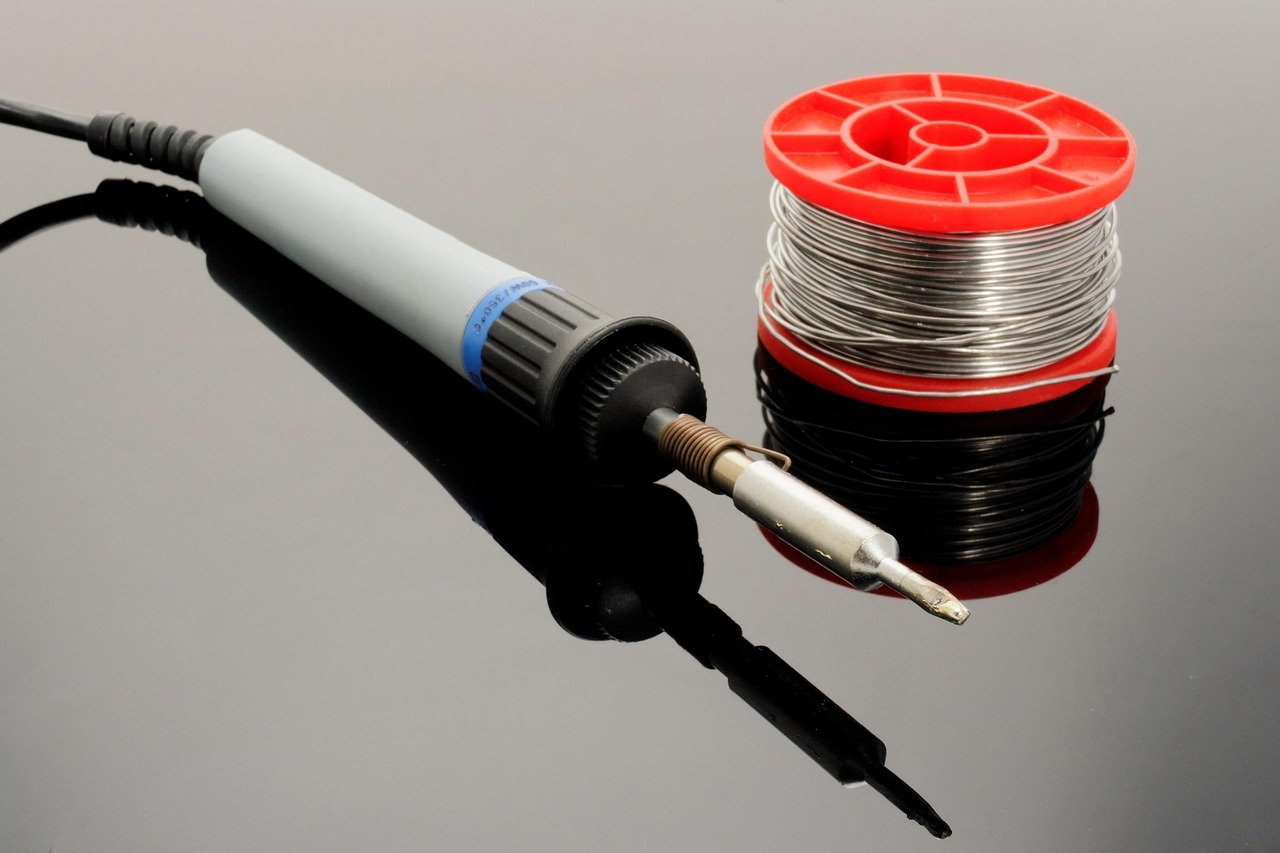
Quick Answer: Are expensive soldering stations worth it?
It depends. For production work, lead-free alloys, fine-pitch surface-mount parts, or regulated jobs that demand documented tip temperatures, a premium station earns its price through faster heat recovery, tighter control, and long-term tip durability. For hobby repairs, through-hole projects, and occasional use, a mid-priced temperature-controlled station does the same job for far less. The difference between tiers is mostly about recovery speed and repeatability, not whether the iron gets hot. Before buying, compare temperature stability, heater and sensor design, tip cost and availability, ESD grounding, calibration access, and what rework gear you still need separately.
So, Does a $400 Iron Solder Better Than a $60 One?
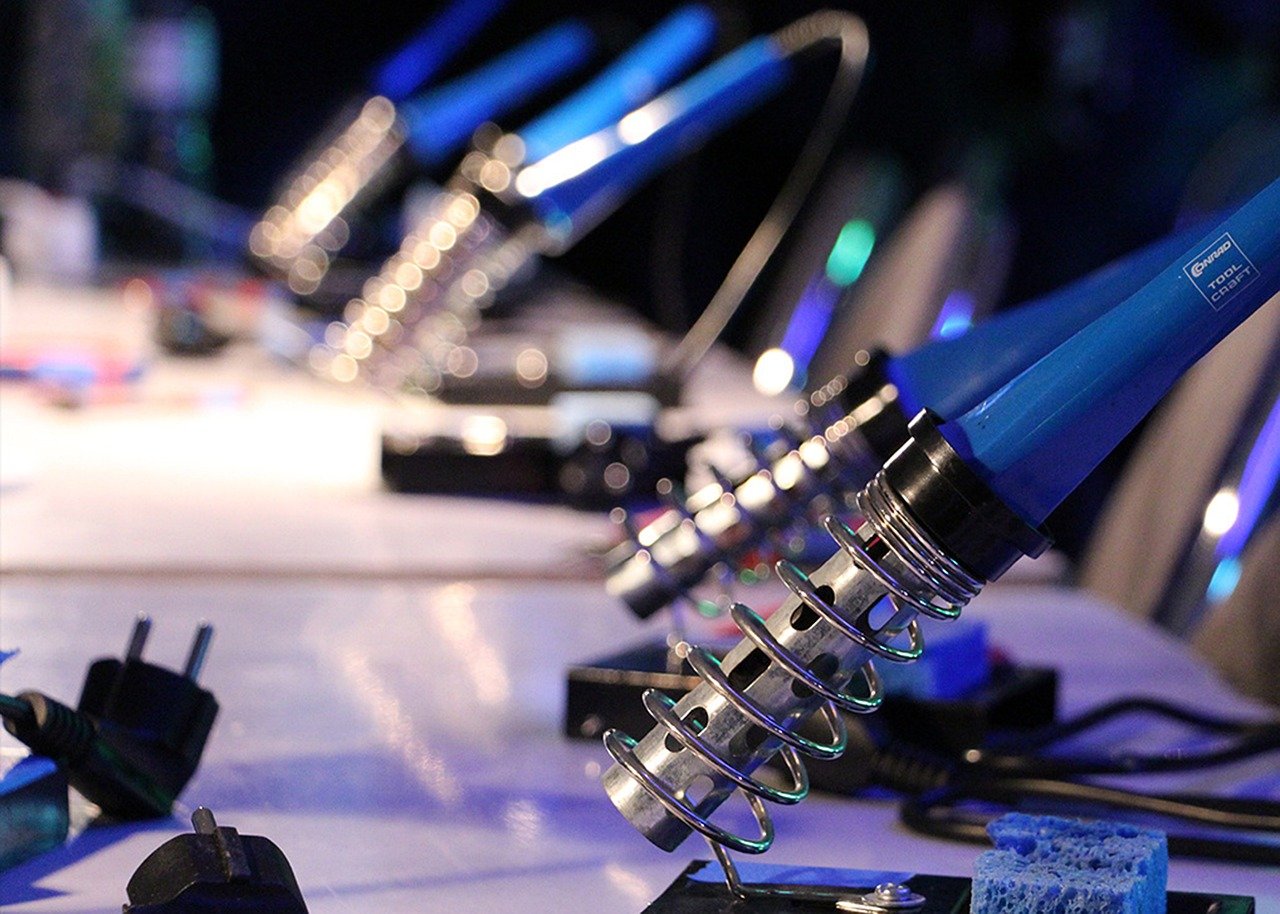
Here is the uncomfortable truth that veteran technicians learn the hard way: a soldering station does not make joints. The person holding it does. A skilled hand with a modest temperature-controlled iron will outperform a beginner with a flagship model every single time.
But that is not the whole story, and anyone who has fought a stubborn ground plane with a cheap pencil iron knows it. There is a real, measurable gap between budget and premium stations. The question is whether that gap matters for the work you actually do. This guide breaks down what you pay for at each price tier, where the returns drop off, and the mistakes that cost people money regardless of which station they buy.
What You Are Actually Paying For
Strip away the branding and a soldering station is a heater, a temperature sensor, a control circuit, and a tip. Price differences come down to how well those four parts work together.
Temperature stability is the headline spec. Entry-level stations typically hold tip temperature within roughly ±5 to ±10 °C. Premium stations claim tighter control and, more importantly, faster recovery when a cold joint sucks heat out of the tip. Treat any “±1 °C” marketing claim with caution unless it has been independently measured, because most comparisons come from manufacturer datasheets rather than rigorous third-party testing.
Heater and sensor design matters more than the price tag alone. Ceramic heaters with integrated sensors respond faster than older nichrome-element designs. Curie-point RF heating, used in Metcal and similar systems, recovers heat almost instantly because the tip self-regulates at its Curie temperature. This is the technology that genuinely changes how large thermal masses behave.
Tip quality and availability drive your long-run cost. Genuine tips from major brands cost more upfront but hold their geometry and plating far longer than cheap clones, which vary wildly in quality. Over several years of regular use, a mid-range station with affordable genuine tips often beats both extremes on total cost of ownership.
ESD safety and grounding are standard on reputable stations, but you should verify rather than assume. Anti-static construction and a grounded tip protect sensitive components. Check the datasheet for the specific model instead of trusting that a high price guarantees it.
The Budget Tier: What $40 to $80 Buys
Cheap stations get a bad reputation, and some of it is deserved. But the budget tier has improved, and for some buyers it is genuinely the right call.
What you typically get is a temperature-controlled iron with a ceramic heater, a basic stand, and a knob or digital setpoint. Temperature swings are wider, recovery is slower, and the included tip is often mediocre. The weak point is usually the handpiece and cable, which wear out first.
Where budget stations work well:
- Through-hole work on older boards with generous pads
- Occasional repairs where you solder a few joints a month
- Learning, where technique matters far more than hardware
- Situations where the station will sit in a drawer for months at a time
Where they fall short is anything with thermal mass. Large ground planes, thick wire, and connector shells pull heat out faster than a budget heater can replace it. You end up cranking the temperature up, which risks lifted pads and damaged components.
The Mid-Range Sweet Spot
This is where most buyers should land. A temperature-controlled station in the class of the widely recommended Hakko FX-888 sits in a comfortable middle: solid temperature control, a durable handpiece, widely available genuine tips, and a price that does not require justification.
For hobbyists and through-hole work, a station at this level is broadly considered sufficient, and the returns diminish quickly beyond it for occasional use. That consensus comes from the maker community rather than a formal study, but it holds up in practice. The mid-range buys you reliability and a tip ecosystem, which matters more than a spec sheet number.
If you are weighing whether a purchase justifies itself, the same logic that applies to other “is it worth it” decisions applies here: match the tool to the actual workload, not to the most demanding job you might theoretically attempt. The reasoning behind choices like whether Xbox Game Pass is worth its 2025 price is a useful mental model, because both come down to usage frequency against upfront cost.
The Premium Tier: Where the Money Goes
Premium stations earn their price in specific, identifiable situations.
Production and lead-free work. Lead-free alloys like SAC305 run hotter and are less forgiving of temperature swings than traditional tin-lead solder. Stable, repeatable temperature control is not a luxury here; it is the difference between consistent joints and a rework pile.
Fine-pitch SMT and thermal challenges. When you are soldering to a multilayer board with heavy copper, fast recovery is the whole game. A station that drops 40 °C the moment you touch the joint will force you to dwell longer, which raises the risk of damage.
Regulated or contract work. Workmanship standards such as IPC J-STD-001 and IPC-A-610 set expectations for joint quality, and some contract manufacturers require documented tip-temperature calibration. Stations with digital setpoints and accessible calibration simplify compliance. Confirm which edition of the standard is currently in force before you build a process around it.
Daily professional use. Ergonomics, cable quality, and handpiece comfort stop being niceties when you hold the iron six hours a day. A premium station that reduces fatigue pays for itself in output.
| Tier | Typical price band | Temperature behavior | Best for | Weak point |
|---|---|---|---|---|
| Budget | $40 to $80 | Wider swing, slower recovery | Occasional through-hole, learning | Handpiece and cable wear |
| Mid-range | $100 to $250 | Solid control, decent recovery | Hobbyists, most repair work | Struggles with heavy thermal mass |
| Premium | $300 and up | Tight control, fast recovery | Production, lead-free, fine-pitch SMT | Upfront cost, expensive tips |
The Mistake That Costs More Than the Station
Here is the thing nobody puts on the box: most people who buy a premium station to fix bad joints are solving the wrong problem.
Common mistakes that no price tier fixes:
Running the iron too hot. Cranking to 400 °C to compensate for a weak heater accelerates tip oxidation and damages pads. A hotter iron is not a faster iron.
Skipping tip maintenance. Tips oxidize, stop wetting, and get replaced prematurely. Regular tinning and cleaning extends tip life dramatically, and genuine tips reward that care far more than clones do.
Buying the wrong tip shape. A fine conical tip is useless on a ground plane. A chisel tip is clumsy on fine-pitch work. Tip selection often matters more than station model.
Ignoring the joint, not the tool. Cold joints, insufficient flux, and contaminated surfaces cause most failures. No station compensates for dirty pads.
Forgetting rework gear. A premium iron does not replace hot-air rework and preheaters for BGA and QFN work. Budget for those separately, because they are separate purchases entirely.
If you enjoy thinking about where money actually delivers value, the same skeptical lens used in this breakdown of which coins actually hold value applies nicely to tools: the headline number rarely tells the whole story, and condition plus provenance matter more than the label. (State quarters worth money which ones actually hold value)
Matching the Station to the Job
A simple decision path works better than a spec sheet comparison.
- Count how many hours per week the iron will actually run. Under five hours, mid-range is plenty.
- Identify your solder alloy. Lead-free work raises the value of stable temperature control.
- Look at your boards. Heavy copper and ground planes demand fast recovery.
- Check whether your work requires documented calibration. If yes, buy a station that supports it.
- Price the tips before you buy the station. Tip cost over five years can exceed the station itself.
- Confirm ESD grounding on the specific model’s datasheet.
- Budget separately for hot air and preheat if you do SMT rework.
That last point trips up a lot of people who assume a flagship iron covers everything. It does not. A premium station is a precision tool for one job, and it does that job well.
Conclusion
Expensive soldering stations are worth it when the work demands them and a waste when it does not. The honest dividing line is thermal demand and repeatability: production runs, lead-free alloys, fine-pitch components, and regulated work all justify the premium, while hobby repairs and occasional through-hole projects are served perfectly well by a mid-priced temperature-controlled station. Buy for the work in front of you, not the work you imagine. Spend the difference on good tips, proper flux, and practice, and you will get better joints than someone who spent it all on the iron.
Frequently Asked Questions
Can a cheap soldering station produce professional-quality joints?
Yes, within limits. A skilled technician with a budget temperature-controlled station can produce clean, reliable joints on through-hole work and moderate boards. The limitation shows up on heavy thermal masses, where slow recovery forces longer dwell times and raises the risk of damage. Technique carries most of the result; hardware sets the ceiling.
How often should soldering tips be replaced?
It depends on usage and care, not on a fixed schedule. Tips that are regularly tinned, cleaned, and kept below excessive temperatures can last many months of daily use. Tips that run hot and dry oxidize quickly and lose wetting ability. Watch for pitting, deformation, and solder that beads instead of flowing; those are the signals to replace.
Does a higher wattage rating mean a better soldering station?
Not on its own. Wattage describes how much power the heater can draw, but recovery speed depends on how efficiently that heat reaches the tip and how quickly the sensor responds. A well-designed lower-wattage station with an integrated sensor can outperform a poorly designed higher-wattage one. Look at recovery behavior and heater design, not the wattage number alone.
What is the difference between Curie-point heating and ceramic heaters?
Curie-point systems use RF induction, and the tip alloy self-regulates at a fixed temperature, delivering extremely fast recovery with no sensor lag. Ceramic heaters use a resistive element with an integrated sensor and a control loop. Curie-point tips are typically fixed-temperature and brand-specific, while ceramic systems offer adjustable setpoints and broader tip variety. Both are capable; the choice depends on workflow and budget.
Do I need a separate hot-air station for SMT work?
For most surface-mount rework, yes. A soldering iron handles individual pads and leads, but removing and replacing multi-pin packages, QFN parts, and BGAs requires hot air, and often a preheater to bring the board up to temperature evenly. Treat them as separate purchases and budget accordingly rather than expecting one tool to cover everything.
How do I know if a station meets ESD safety requirements?
Check the manufacturer’s datasheet for the specific model rather than assuming price guarantees it. Look for anti-static construction, a grounded tip, and specified tip-to-ground resistance. Reputable brands publish these figures. If the datasheet does not state ESD specifications clearly, treat that as a warning sign, especially if you work with sensitive components.



