
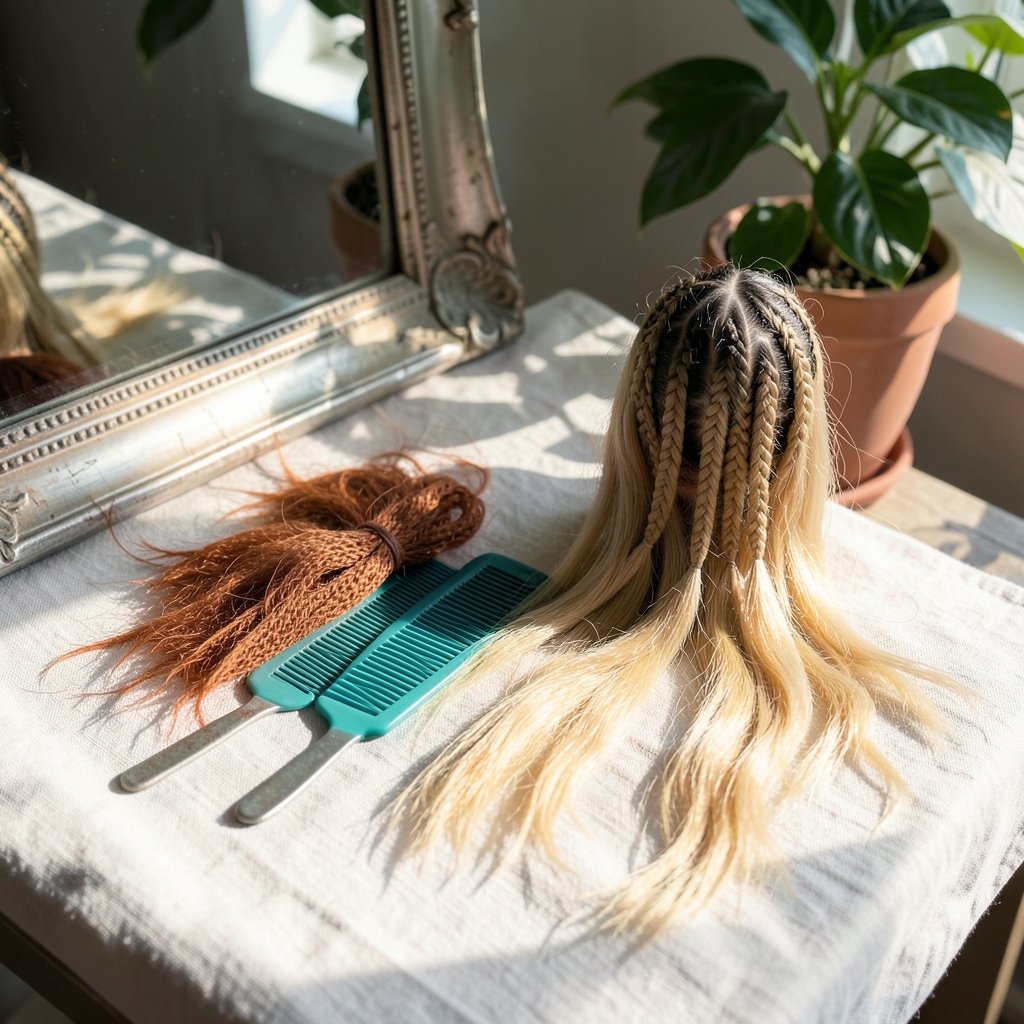
What exactly is feather crochet hair? Search the term and you will find soft, wispy crochet installs, feather-shaped accessories, and plenty of marketing copy that never quite explains the product. The honest answer is that “feather crochet hair” is not a standard term in hair science or professional cosmetology. It is a descriptive label, most often used for feather-light crochet extensions or feather-textured pieces worked into a crochet style. That ambiguity matters, because knowing which version you are buying changes how you install it, how long it lasts, and how you protect your own hair underneath.
This guide breaks down what the term usually means, how the underlying crochet technique works, what to check before you buy, and the mistakes that turn a cute protective style into a scalp problem.
What “Feather Crochet Hair” Usually Means
Because the phrase is not standardized, it helps to sort it into the two products people are actually shopping for.
The first is featherweight crochet hair: synthetic or human-hair extensions sold in pre-looped strands that feel light and airy rather than bulky. Brands lean on words like “feather,” “cloud,” and “wispy” to signal low weight and soft texture. The fiber itself is usually a textured synthetic, and the exact composition varies by brand. Check the fiber label on the pack rather than assuming, because “feather” describes the feel, not the material.
The second is feather-textured or feather-shaped pieces: thin, tapered sections, sometimes with a distinct feather silhouette, used as accents within a crochet install. Some of these are synthetic fiber styled to mimic a feather. Others are closer to the feather hair extensions that had a mainstream moment around 2010 and 2011, when rooster saddle feathers attached with micro-links or silicone beads became a festival-season trend.
A third, looser use of the term refers to actual feather accessories tucked into a finished crochet style. Those are decoration, not extensions, and they behave very differently on the head.
If a stylist or a product listing uses the phrase, ask one direct question: is this a lightweight crochet extension, a feather-shaped accent, or a real feather? The answer tells you almost everything about care and longevity.
How Crochet Braids Actually Work
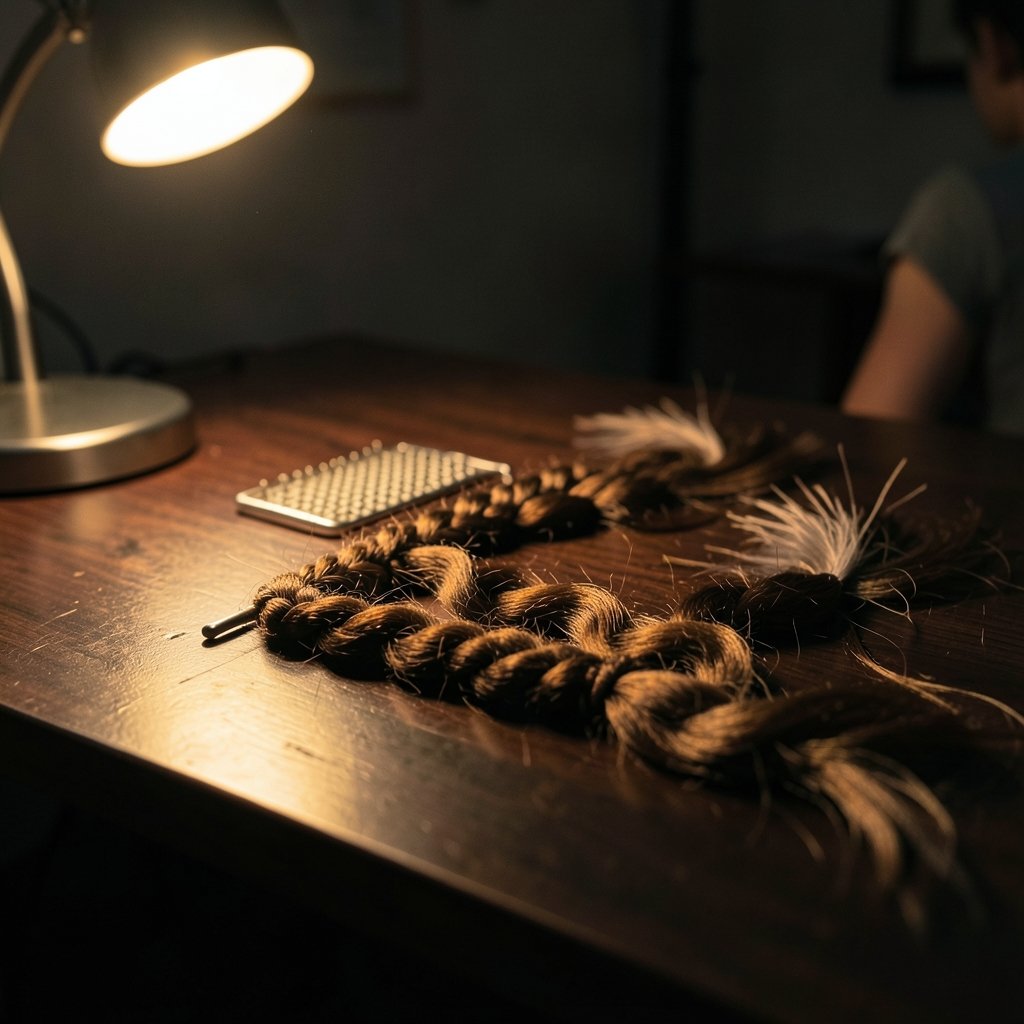
Underneath any “feather” label, most of these styles rely on crochet braids, also called latch-hook braids. The method is straightforward in principle. Natural hair is braided into cornrows, and extension hair is attached to those braids with a latch hook, looping and knotting the extension along the braid line. The braided base anchors everything, which is why the install can look full while your own ends stay tucked away.
The technique is widely described as a revival of older latch-hook methods, though precise dating is uncertain and sources disagree on the timeline. What is not in dispute is why people choose it. Crochet methods fall under the broad umbrella of protective styles, because the ends of your natural hair are hidden and manipulation drops sharply once the style is in.
That protective reputation comes with a caveat worth stating plainly. Much of the evidence for protective styling benefits is practitioner consensus and client experience rather than controlled clinical trials specific to crochet braids. The logic is sound, and many wearers genuinely see less breakage. But “protective” is not a guarantee, especially if the braided base is tight or the extensions are heavy.
Featherweight Fiber Versus Real Feathers
This is where buyers get tripped up most often, so a direct comparison helps.
| Feature | Featherweight synthetic crochet hair | Real feather extensions |
|---|---|---|
| Material | Textured synthetic fiber, varies by brand | Rooster saddle feathers |
| Attachment | Latch hook through braided base | Micro-links or silicone beads |
| Typical wear time | Weeks, depending on install and care | Often shorter, trend-driven |
| Care needs | Low manipulation, gentle cleansing | Avoid crushing, keep dry |
| Main concern | Tension and fiber quality | Sourcing and animal welfare |
| Label check | Fiber content on the pack | Origin and sourcing claims |
Real feather extensions raise animal-welfare and sourcing questions, since the feathers come from roosters. Standards vary, and the rules are not collected in one easy place, so ask the seller where the feathers come from if that matters to you. Some salons and jurisdictions have debated restrictions, and the specifics should be checked locally rather than assumed.
Synthetic “feather” hair avoids that question entirely, but it introduces a different one: fiber quality. Cheap synthetic fiber can tangle, mat, and shed. Better fiber holds a curl pattern and resists frizz. Since composition varies by brand, the fiber label is your only reliable guide. If a listing will not state what the hair is made of, treat that as a warning sign.
Why Tension Is the Real Risk
Here is the part that deserves more attention than it usually gets. Tight braiding and heavy extensions are associated with traction alopecia, a form of hair loss caused by sustained pulling on the follicle. Dermatology literature documents this pattern for braided and extension styles generally, and crochet installs are not exempt.
The practical signs are easy to miss at first. Tenderness at the hairline, small bumps along the part, a headache in the first day or two, or a scalp that feels “tight” rather than “snug.” Any of those means the base is too tight, and the fix is to take it down, not to wait it out.
A few habits make a real difference in practice:
- Ask for a base braid that feels snug but never painful, and speak up during the install rather than after.
- Keep extension weight reasonable. Feather-light fiber helps, but volume still adds load.
- Give your scalp rest days between installs instead of reinstalling back to back.
- Watch the hairline and nape closely, since those areas thin first.
- Never sleep on a wet, heavy install without support.
Wearers who rotate styles and leave recovery time between installs tend to keep their edges. Those who live in back-to-back tight styles often learn the lesson the hard way.
Buying Checklist Before You Pay
A little scrutiny at checkout saves a lot of regret. Before buying any feather crochet hair, run through these checks.
Read the fiber label. Synthetic fiber types vary widely, and the label is the only place a brand has to be honest about composition. If the pack lists nothing, ask.
Confirm the loop style. Pre-looped strands install faster and are friendlier for beginners. Loose bulk hair is cheaper but demands more skill and time.
Weigh the bundle. Feather-light claims are marketing until you hold the hair. A bundle that feels dense and heavy in the pack will feel heavier on your head.
Check the return policy. Texture and color rarely match the photo exactly, and a no-return policy on a product you have not touched is a gamble.
Ask about sourcing if you are buying real feathers. Welfare standards vary, and a seller who cannot answer is telling you something.
Match the fiber to your goal. If you want a soft, natural drape, lighter fiber wins. If you want definition and hold, a slightly denser texture may serve you better. The same logic applies when people chase a bold color contrast at the front of a style: the money piece hair color guide walks through how placement and tone choices change the whole look.
Installation and Care That Actually Works
A feather crochet install lives or dies on aftercare. The fiber itself is forgiving. The braided base and your scalp are not.
Keep cleansing gentle. Diluted shampoo applied between the braids, rinsed thoroughly, and a scalp that is dried properly will prevent the buildup that causes itching and odor. Heavy conditioners and oils sitting at the root are a common mistake, because they trap debris against the braid line.
At night, protect the style. A satin scarf or a loose bonnet reduces friction and keeps wispy ends from frizzing into a halo. Sleep on a smooth pillowcase if you skip the scarf. If you want a broader look at how friction and shedding interact with textured hair, the breakdown of robot vacuums and long human hair is a surprisingly useful read on where shed hair actually ends up.
Avoid over-manipulating the feathery sections. The whole appeal of a feather-light install is movement, and constant finger-combing destroys it. A light mist of water in the morning revives curl pattern without weighing the fiber down.
Plan the takedown. Most wearers get a few weeks out of a crochet install before the base starts to loosen or the new growth makes it uncomfortable. Take it down at the first sign of tension rather than stretching the timeline, and detangle gently with fingers and a wide-tooth comb rather than pulling through knots.
Common Mistakes and How to Avoid Them
The same handful of errors shows up again and again.
Chasing the cheapest bundle. Low-grade synthetic fiber mats quickly, and the cost saving disappears once you replace it. Mid-range fiber usually outperforms bargain hair over a full wear cycle.
Ignoring the base braid. People spend hours choosing extension hair and five minutes on the foundation. The braid pattern and tension decide comfort, and comfort decides whether the style lasts.
Skipping a patch test. If you are sensitive to synthetic fiber or to any product used during installation, test a small area first. This is general guidance rather than a rule specific to feather crochet hair, but it prevents a miserable week.
Overwashing or underwashing. Too much washing roughens synthetic fiber; too little leaves buildup at the scalp. A gentle middle rhythm works best.
Expecting a protective style to be maintenance-free. It reduces daily manipulation, but it still needs scalp care, night protection, and rest periods. Treating it as “install and forget” is how edges get lost.
If you are layering a crochet look with a bold front section, the practical advice on money pieces and getting them right covers placement and upkeep so the contrast reads intentional rather than accidental. And because fresh color and fresh installs both cost money, the rundown of what it costs to keep a money piece looking fresh is worth a look before you commit to a maintenance schedule.
Styling Feather Crochet Hair for Different Looks
Feather-light crochet hair is unusually versatile, which is much of its appeal. The low weight means you can wear it loose and swingy without the heaviness of a denser install.
For a soft everyday look, leave the ends free and let the natural taper do the work. For something more defined, pin the sides back and let the feathery texture frame the face. Half-up styles work well because the fiber is light enough to hold a loose knot without pulling. If you want a sharper, more structured silhouette, a denser curl pattern or a shorter cut reads cleaner than long wispy layers.
Color is the other lever. Feather textures catch light differently than smooth fiber, so a subtle highlight or a two-tone blend can look richer than a flat shade. If you are working with dark natural hair and want real contrast at the front, the guidance on money piece hair for dark hair with bold contrast explains what actually shows up against a dark base.
One practical note: feathery ends tangle more than blunt cuts. Keep a wide-tooth comb nearby and detangle from the ends upward, never from the root down.
Conclusion
Feather crochet hair is best understood as a descriptive label rather than a fixed product category. It usually means featherweight crochet extensions, feather-textured accents, or occasionally real feather pieces worked into a style. The underlying technique, crochet braiding over a cornrow base, is well established and genuinely useful as a low-manipulation protective option.
What separates a good experience from a bad one is rarely the fiber. It is the tension of the base, the weight of the bundle, the honesty of the fiber label, and whether you give your scalp real rest between installs. Buy with a checklist, install with a light hand, care for the base as carefully as the hair, and the style will look as good in week three as it did on day one.
Frequently Asked Questions
Is feather crochet hair made of real feathers?
Usually not. Most products sold under this name are feather-light synthetic fiber, and the word “feather” describes the feel and texture rather than the material. Real feather extensions do exist and are typically made from rooster saddle feathers attached with micro-links or silicone beads. Always check the fiber label on the pack rather than assuming.
How long does a feather crochet install last?
Most wearers get a few weeks before the braided base loosens or new growth makes the style uncomfortable. Longevity depends on the braid pattern, the weight of the extensions, how gently you cleanse, and how well you protect the style at night. Take it down at the first sign of tension rather than stretching the timeline.
Can feather crochet hair cause hair loss?
Tight braiding and heavy extensions are associated with traction alopecia, a hair loss pattern caused by sustained pulling on the follicle. Dermatology literature documents this for braided and extension styles generally. Tenderness, bumps along the part, or a headache after installation are signs the base is too tight and should be redone or removed.
What is the difference between feather crochet hair and regular crochet braids?
The technique is the same. Both use a latch hook to attach extension hair to a braided base. The difference is the product: feather crochet hair is marketed as lighter, wispier, and softer in texture. Some versions are feather-shaped accents rather than full bundles, so confirm what you are buying before you install.
How should feather crochet hair be washed?
Use diluted shampoo applied between the braids, rinse thoroughly, and dry the scalp properly to prevent buildup. Avoid heavy conditioners and oils sitting at the root, since they trap debris against the braid line. Wash gently and on a moderate rhythm: too much washing roughens synthetic fiber, and too little leaves residue.
Are real feather extensions a welfare concern?
They raise legitimate sourcing questions, since the feathers come from roosters. Standards vary, and the rules are not collected in one convenient place, so ask the seller where the feathers come from if this matters to you. Some salons and jurisdictions have debated restrictions, and local rules should be checked rather than assumed.



