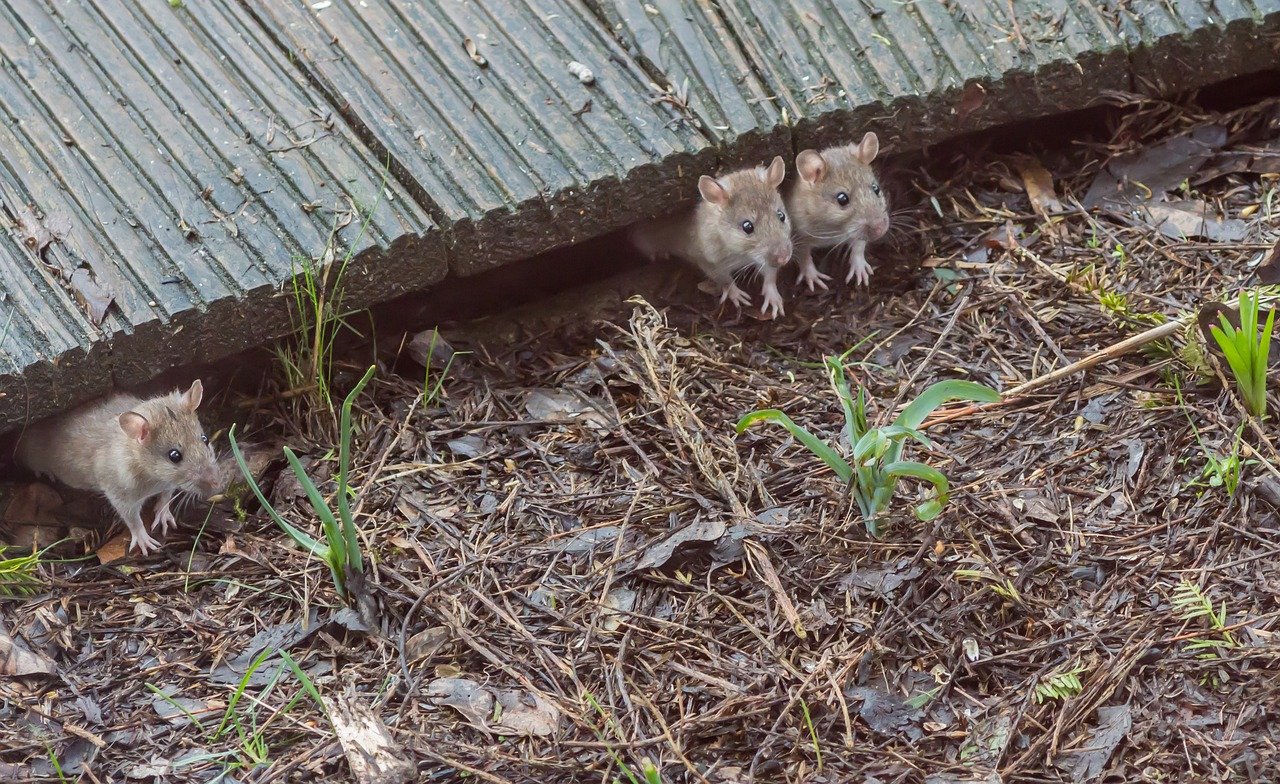
Have you ever switched on the kitchen light at 2 a.m. and caught a small gray blur diving under the fridge? That single glimpse is usually the moment a homeowner’s calm disappears. Mice are tiny, fast, and stubbornly good at surviving. But here is the encouraging part: they are also predictable. They follow the same routes, need the same three things (food, water, and shelter), and squeeze through gaps you would swear are too small for a coin.
This guide walks through a realistic plan built on integrated pest management (IPM), the approach public-health agencies and university extension services recommend: clean up, seal up, trap, and treat poison as a last resort rather than a first move. It also covers the mistakes that make infestations worse and the moments when calling a professional is the smarter choice.
Why Mice Are So Hard to Eliminate
A house mouse is a small animal with a big survival toolkit. It breeds quickly, eats almost anything, and can live comfortably inside walls, attics, and crawl spaces. Females can produce multiple litters per year, so a couple of mice left alone in a warm basement can turn into a serious population problem within months.
The other reason mice win is their bodies. They are excellent climbers, strong jumpers for their size, and capable of squeezing through openings roughly 6 mm (about ¼ inch) wide, which is close to the width of a pencil. That single fact explains why so many people trap mice for weeks and still see droppings. The mice are not coming back through the same door. They are living in the building. (Best mice macbook actually works macos)
Recognizing the signs early saves a lot of frustration. Look for:
- Droppings the size of rice grains, usually along walls, inside drawers, or under sinks
- Grease marks where fur rubs against baseboards and pipes
- Gnaw marks on food packaging, cables, and wooden trim
- Nesting material such as shredded paper, insulation, and fabric scraps
- A musky smell or the sound of scratching behind walls at night
If you spot several of these at once, assume there is more than one mouse. Single-mouse thinking leads to single-mouse solutions. (House mouse)
Step 1: Cut Off Food, Water, and Shelter

Before buying a single trap, remove the reasons mice stay. This is the least glamorous step and the one most people skip, which is exactly why infestations drag on.
Start with food. Store cereal, flour, rice, pasta, pet food, and snacks in metal or thick glass containers with tight lids. Mice chew through plastic bags and thin plastic bins without much effort. Wipe down counters and sweep floors nightly, and do not leave dirty dishes in the sink overnight. Pet bowls are a common oversight: a bowl of kibble left out is an all-you-can-eat buffet.
Next, water. Fix dripping taps, insulate sweating pipes, and empty pet water bowls at night. A mouse can survive on very little moisture, but easy water still makes a building more attractive.
Then, shelter. Clear clutter from garages, basements, and sheds, especially cardboard boxes, old newspapers, and fabric piles. Trim vegetation back from the foundation and keep firewood stacked away from the house. Mice love a quiet, undisturbed corner, and clutter gives them exactly that.
One more tip from experience: work room by room rather than trying to overhaul the whole house in a weekend. People who try to do everything at once usually give up halfway, and half-finished sanitation does not reduce a population.
Step 2: Seal Every Entry Point
Exclusion is the step that turns a temporary fix into a permanent one. Walk the outside of the building and look for gaps around pipes, vents, utility lines, doors, and the foundation. Check the garage door seal, the gap under exterior doors, and the corners where siding meets the ground.
Seal small gaps with steel wool or copper mesh packed tightly and then covered with caulk or expanding foam. The mesh matters. Mice gnaw through foam and plastic on their own, but they dislike the texture of metal wool and generally will not chew through a dense plug. Use weather stripping and door sweeps for gaps under doors, and repair torn vent screens with hardware cloth rather than window screen.
Inside, look at where pipes and wiring pass through walls and floors. Those openings are highways between rooms. Sealing them limits movement and makes trapping far more effective.
This is also where a lot of DIY efforts quietly fail. People seal the obvious hole by the back door and ignore the gap behind the dishwasher or the open weep vent. If mice are still getting in, the inspection was not thorough enough. A second pass with a flashlight, ideally at dusk when activity picks up, often reveals openings you missed in daylight.
Step 3: Trap Strategically, Not Randomly
Trapping is the core of non-chemical control, and placement matters more than the type of trap. Mice travel along edges, usually within a foot or two of a wall, because open floor feels exposed. Put traps along walls, behind appliances, under sinks, and in corners, with the bait side facing the wall. Traps set in the middle of a room mostly catch dust.
Snap traps remain the standard for good reason: they are cheap, effective, and easy to check. Set several at once, spaced a few feet apart along a known run, and check them daily. Peanut butter, chocolate, or a dab of nesting material works well as bait. Handle trapped mice with gloves, and dispose of them in a sealed bag.
Glue boards catch mice but raise real welfare concerns and are restricted or banned in some places, so check local rules before buying them. Live-catch traps exist, but releasing mice outdoors often just moves the problem to a neighbor’s shed, and released mice frequently die anyway. (Best gaming mice 2026 actually matters when you buy)
A few practical habits make trapping work better:
- Set traps before bedtime, since mice are most active at night.
- Wear gloves when baiting, because human scent on a trap can make mice wary.
- Move traps every few days if nothing is caught.
- Keep trapping until you have gone two full weeks with no captures and no new droppings.
That last point trips up a lot of people. One quiet week does not mean the infestation is over.
Step 4: Handle Rodenticides With Real Caution
Poison is where enthusiasm often outruns good judgment. Rodenticides carry serious risks: pets and children can be exposed, and poisoned mice are often eaten by owls, hawks, and other wildlife, which can then be harmed too. Because of these secondary poisoning risks, consumer sales of several second-generation anticoagulant rodenticides were restricted to tamper-resistant bait stations, and many products are now limited to professional use. (Rodenticides)
If you use bait at all, use it as a supplement to trapping and exclusion, never as the whole plan. Place bait only in tamper-resistant stations in areas pets and kids cannot reach, follow the label exactly, and never move bait into open spaces. Keep a record of where stations are placed so you can find them later.
Honestly, for most home infestations, trapping plus sealing works well enough that poison is unnecessary. Save it for situations where a professional recommends it.
Step 5: Clean Up Safely After the Mice Are Gone
Mice leave behind more than droppings. Their urine, saliva, and nesting material can carry diseases, including hantavirus, which is why cleanup deserves its own step.
Do not dry-sweep or vacuum droppings. That sends contaminated dust into the air. Instead, put on gloves, ventilate the area, spray droppings and nesting material with a disinfectant or a diluted bleach solution, and let it sit before wiping up with paper towels. Seal everything in double bags and wash your hands afterward. Wear a mask if you are cleaning a confined space like an attic or crawl space.
Once the area is clean, replace insulation or cardboard that was heavily soiled rather than trying to salvage it. And keep monitoring: fresh droppings mean fresh activity.
What Actually Works and What Usually Doesn’t
Plenty of folk remedies circulate, and it helps to know which ones hold up.
| Method | Realistic Verdict |
|---|---|
| Snap traps along walls | Highly effective when placed correctly |
| Sealing entry points | Essential for long-term control |
| Food storage in metal or glass | Strong preventive value |
| Ultrasonic repellents | Weak, inconsistent evidence; not a standalone fix |
| Peppermint oil and similar scents | Unproven; may briefly deter, does not remove mice |
| Poison bait without stations | Risky to pets, children, and wildlife |
| Glue boards | Effective but welfare concerns and some local bans |
| Professional pest control | Best choice for large or wall/attic infestations |
The pattern is clear: mechanical methods plus exclusion do the heavy lifting. Repellents and gadgets feel satisfying to buy but rarely solve the underlying problem.
When to Call a Professional
DIY works for small, recent infestations in accessible areas. Call in a licensed pest control professional when:
- Mice are active inside walls, ceilings, or attics
- Droppings are widespread across multiple rooms
- You have trapped consistently for two to three weeks with no decline
- The building is large, older, or full of hard-to-reach voids
- You have pets or young children and are considering rodenticides
A professional brings inspection tools, knowledge of building construction, and access to restricted products. Ask for a written plan that includes exclusion work, not just baiting, and confirm what happens on follow-up visits.
Mistakes That Make Infestations Worse
Some of the most common missteps are worth naming directly, because avoiding them saves weeks.
- Trapping before cleaning up. Mice keep coming back to the same food source.
- Setting one or two traps. A real infestation needs a dozen or more in the right places.
- Ignoring the exterior. If entry points stay open, the cycle never ends.
- Stopping too early. Two weeks of no activity is the realistic finish line.
- Using poison as the first move. It creates hazards without solving access problems.
- Forgetting the car, garage, and shed. Mice relocate rather than disappear.
Conclusion
Getting rid of mice is less about finding a magic product and more about thinking like a mouse. Cut off food and water, seal the gaps that let them in, trap along the routes they actually use, and clean up safely once activity stops. Poison and gadgets have their place, but they are supporting actors, not the lead.
The homeowners who succeed are the ones who treat this as a two-part job: remove the mice you have, then make the building unwelcoming so new ones do not move in. That second half is the part people forget, and it is the part that decides whether you are writing this same article search again next winter. Start with the kitchen and the exterior walls this weekend, keep traps set until the droppings stop for two full weeks, and you will likely win the standoff.
Frequently Asked Questions
How long does it take to get rid of mice?
For a small infestation with good exclusion work, most people see activity drop sharply within one to two weeks. Plan on trapping for at least two weeks after the last capture, since young mice may still be present. Larger infestations inside walls or attics can take a month or more, and professional help often shortens that timeline considerably.
What is the fastest way to get rid of mice?
The fastest reliable combination is aggressive trapping along known travel routes plus immediate sealing of entry points. Snap traps set along walls, checked daily, usually produce results within days. Poison may seem faster, but it introduces risks to pets and wildlife and does not fix the access problem, so mice often return.
Does cheese actually work as bait?
Cheese works, but it is not the best choice. Mice are drawn to foods with strong smells and high energy content, so peanut butter, chocolate, dried fruit, and even a bit of nesting material tend to outperform cheese. The bigger factor is trap placement: a well-placed trap with ordinary bait beats a poorly placed trap with a gourmet menu.
Do ultrasonic pest repellents really keep mice away?
The evidence is weak and inconsistent. Some studies show brief avoidance, while others show mice adapting quickly or ignoring the devices entirely. Extension services generally do not recommend them as a standalone solution. They are not harmful, but relying on one instead of trapping and sealing usually wastes time and money.
Will mice leave on their own if I stop leaving food out?
Rarely. Removing food and water makes a building less attractive and slows reproduction, but mice already nesting inside walls or insulation have shelter and will usually stay. Cleaning up is a necessary first step, not a complete solution. Pair it with sealing and trapping for real results.
Are mice dangerous to have in the house?
Yes, they carry real risks. Their droppings and urine can spread diseases, and their gnawing damages wiring, which is a fire hazard. They also contaminate food and trigger allergies in some people. The danger is manageable, but it is a good reason to act quickly rather than wait and see whether the problem resolves itself.