
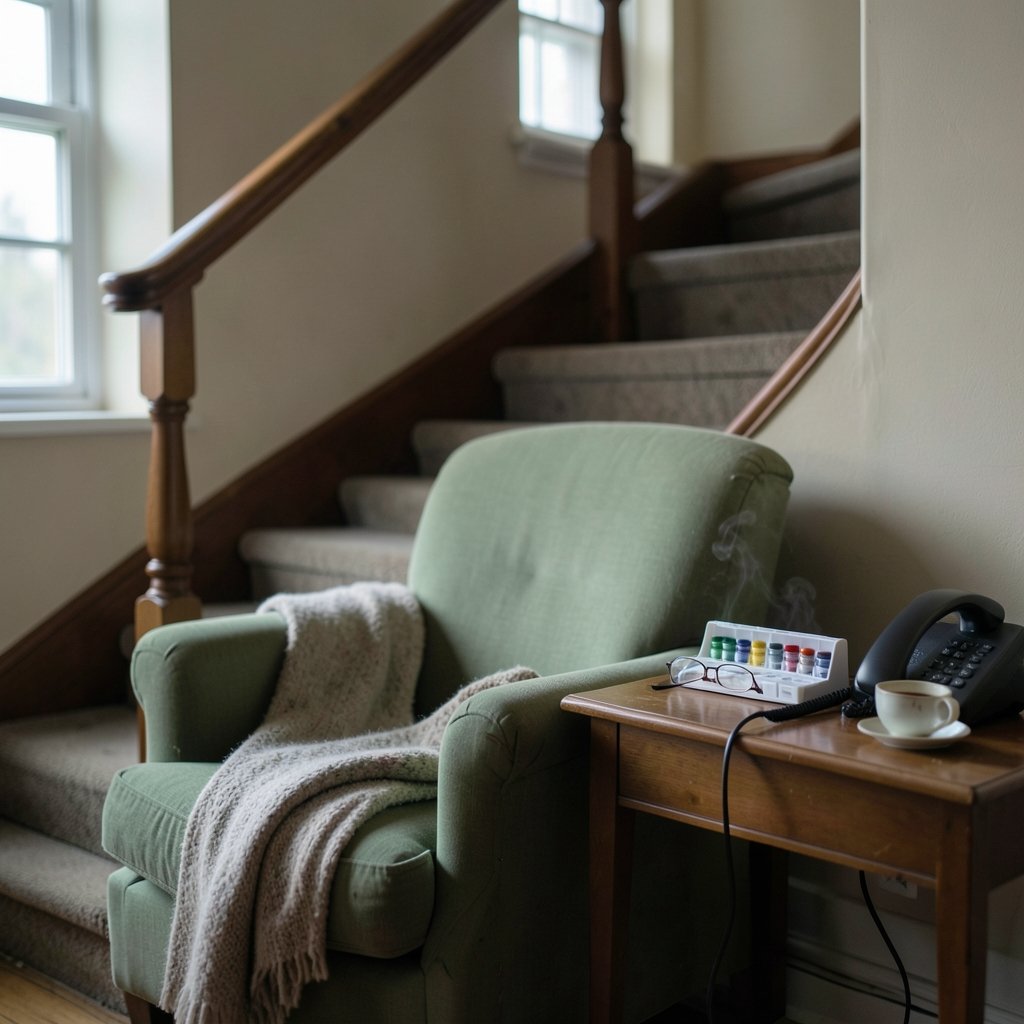
What happens when a parent can no longer safely manage stairs, medication, or a hot stove alone, but refuses to leave the house they have lived in for forty years? That question lands on millions of families at once, usually after a hospital stay or a fall, and the answer almost always involves a home care service. The trouble is that the phrase covers wildly different things depending on where you live and who is paying. Some agencies send a nurse to change a dressing. Others send a companion to make lunch and play cards. Confusing the two can cost a family thousands of dollars or leave a vulnerable person without the clinical oversight they need. (How to fix antimalware service executable high cpu usage)
This guide sorts out what home care is, how it is funded and regulated in the United States and the United Kingdom, what it realistically costs in effort and money, and the practical mistakes that trip families up again and again.
Home care, home health care, and domiciliary care: same words, different jobs
The single biggest source of confusion is terminology. In the United States, home health care means skilled clinical services: nursing, physical therapy, wound care, medication management ordered by a physician. Home care, by contrast, usually means non-medical support with daily living, such as bathing, dressing, meal preparation, and companionship. In the United Kingdom, the same non-medical support is called domiciliary care or simply homecare.
| Feature | Home care (non-medical) | Home health care (skilled) |
|---|---|---|
| Typical tasks | Bathing, dressing, meals, transport, company | Nursing, therapy, wound care, monitoring |
| Who provides it | Aides, care workers, companions | Nurses, therapists, clinical aides |
| Ordered by a doctor | No | Yes, via a plan of care |
| US Medicare coverage | Generally no | Yes, if strict rules are met |
| UK social care funding | Means-tested in England | Free at point of use in Scotland |
A family that books a non-medical aide expecting clinical monitoring is heading for disappointment. A family that needs a nurse but hires a companion is taking a real safety risk. Decide which category you need before you start calling agencies, and write the answer down.
Who pays? The rules differ sharply by country

Funding is where home care policy gets genuinely complicated, so it helps to separate the clinical pathway from the social care pathway.
The US Medicare route
Medicare covers home health care only when a doctor certifies that the person needs skilled care, that the person is homebound, and that a formal plan of care is in place. Coverage is intermittent, meaning visits, not round-the-clock shifts. Custodial care, the everyday help with bathing and dressing, is generally not covered. The official Medicare publication on home health care explains the homebound definition and the certification requirements in plain language, and it is worth reading before assuming a visit will be reimbursed. (How to stop snoring at night home remedies) (Home care)
The UK social care route
In England, an agency providing personal care must be registered with the Care Quality Commission, which inspects services and publishes ratings. Checking a provider’s rating is one of the few genuinely free, fast, and reliable quality signals available to families. The CQC’s guidance on homecare agencies explains what registration covers and what inspectors look at.
Funding is separate from regulation. Adult social care in England is means-tested, so people with savings and assets above a threshold pay for their own care. The threshold and the surrounding rules have been subject to reform, and the exact figures should always be confirmed on current government pages rather than taken from a neighbour’s recollection. Scotland is different again: personal care for adults assessed as needing it is free at the point of use, a policy that has been in place since 2002.
The scale of the workforce tells you something important
Home health and personal care aides are among the fastest-growing occupations in official US projections, driven almost entirely by an ageing population. That growth has two consequences families should plan around. First, demand outstrips supply in many regions, so the best agencies have waiting lists and good aides get booked solid. Second, turnover is high, which means the person who starts with your mother in March may not be there in September, no matter how well the agency is run. (Ageing and health)
The practical lesson: ask every agency how they handle staff changes, how much notice they give, and whether they guarantee a consistent regular carer. Agencies that dodge the question usually have a reason to.
What good home care looks like in practice
Quality in home care is less about glossy brochures and more about unglamorous systems. Here is what actually matters, based on how services are inspected and what families consistently report going wrong.
- A written care plan that gets updated. It should name specific tasks, times, medication prompts, food preferences, and what to do in an emergency. If nobody reviews it after three months, it is decoration.
- Consistent carers. Familiarity reduces medication errors and builds trust. Rotating strangers through a house is a red flag.
- Clear reporting. You want a daily log, however brief, and a phone number that reaches a supervisor rather than only the office receptionist.
- Background checks and training records. Ask what training is mandatory and how often it is refreshed. Vague answers are answers.
- A safeguarding process. Every reputable provider has a written procedure for reporting concerns about a client’s safety or wellbeing.
The World Health Organization frames long-term care as part of universal health coverage and notes that most of it is still delivered informally by family members, disproportionately women, without pay. That statistic matters because it explains why paid care often supplements family care rather than replacing it. The paid hours fill the gaps the family cannot cover, and planning works best when both sides are honest about capacity.
The hidden costs families underestimate
The hourly rate is the number everyone compares. It is rarely the number that determines the final bill. Watch for these:
- Minimum visit lengths. Many agencies charge a minimum of two or three hours per visit. A 45-minute medication prompt may be billed as two hours.
- Travel and weekend premiums. Evenings, weekends, and public holidays often carry a higher rate.
- Cancellation policies. Late changes can trigger charges.
- Assessment fees. Some agencies charge for the initial care needs assessment.
- Equipment and supplies. Not always included.
The sensible move is to request a written quote covering a typical week, including one weekend day, before signing anything. Compare like with like.
Safety risks that are specific to the home
Home care carries risks that simply do not exist in a care home. Staff work alone, without a colleague to double-check a medication or notice a change in condition. Aides often lack the clinical training to spot early warning signs. Supervision is thinner, because a manager cannot be in ten houses at once.
That does not make home care unsafe by default. It makes the selection process more important. Ask directly how the agency supervises lone workers, how medication prompts are documented, and what happens if an aide arrives and finds the client unresponsive. A provider that has crisp answers has thought about it. One that improvises has not.
There is also a quieter risk: isolation. A person who sees an aide for one hour a day may interact with nobody else for the remaining twenty-three. Families should treat social contact as a care need in its own right, not a bonus. Technology can help here, and some households use voice assistants or smart speakers to make calls and reminders easier, though setup and privacy trade-offs vary by platform.
Practical tips that hold up
Families who navigate this well tend to do a few things differently.
Start earlier than feels necessary. Waiting for a crisis removes all your leverage. You take the first agency that answers the phone instead of the best one.
Involve the person receiving care. Resistance usually comes from fear of losing control, not from the care itself. Framing help as a trial period, not a permanent decision, lowers the temperature considerably.
Keep records. A simple notebook of who came, when, and what was done resolves most billing disputes and gives doctors useful information.
Check the regulator first, reviews second. Inspection reports are dull and useful. Online reviews are lively and unreliable.
Plan for the what-if. What happens if the carer is sick, or the family caregiver is hospitalised? A backup plan written down in advance is worth more than any brochure.
Making the decision
The right home care service is the one that matches the actual need, is transparent about cost, is accountable to a regulator, and communicates like a professional outfit. That sounds obvious, and yet most complaints trace back to a mismatch in one of those four areas. A family that defines the need precisely, checks registration and inspection records, demands a written quote, and insists on a named regular carer will avoid the majority of problems. The rest is patience and regular review, because care needs change and the plan should change with them. For households managing several moving parts at once, from care schedules to the technology that supports them, keeping the practical systems simple pays off more than any single choice.
FAQ
What is the difference between home care and home health care?
Home care is non-medical help with daily living, such as bathing, dressing, meals, and companionship. Home health care is skilled clinical care delivered by nurses or therapists under a doctor’s plan of care. In the US, Medicare generally pays for the second but not the first.
Does Medicare pay for home care?
Medicare covers home health care only when a doctor certifies a need for skilled care, the person is homebound, and a plan of care exists. Coverage is intermittent, not round-the-clock. Custodial help with bathing and dressing is generally not covered.
How do I check whether a home care agency is legitimate?
In England, check the Care Quality Commission register and read the inspection rating. In the US, ask for licensing details, insurance certificates, background check policies, and training records. Any provider that hesitates on these questions deserves scrutiny.
How much does home care cost?
Rates vary widely by region and by the level of skill required, and minimum visit lengths, weekend premiums, and cancellation fees can push the real bill well above the headline hourly rate. Always request a written quote covering a typical week including a weekend day.
Can I get help paying for care in the UK?
It depends on where you live. Adult social care in England is means-tested, with people above a capital threshold funding their own care, while Scotland provides personal care free at the point of use for adults assessed as needing it. Check current government guidance for exact figures.
What should I do if I am unhappy with a carer?
Raise it with the agency’s supervisor first and ask for a written response. If the concern is about safety or neglect, report it to the relevant regulator or local authority safeguarding team. Keep a dated record of what happened and who you told.
Underpinning all of this is a simple principle: paid care works best when it is treated as a partnership between the person receiving it, their family, and the provider. Contracts and inspection ratings set the floor, but the day-to-day quality of life depends on clear communication and mutual respect. A good aide notices the small changes — a missed meal, a new bruise, a withdrawal from conversation — that no inspection framework can capture. Families who stay engaged, ask questions, and review the plan regularly turn a service into genuine support. That, ultimately, is what home care is for.



