Apple’s Spring iPhones Are Reportedly Heading Into Mass Production
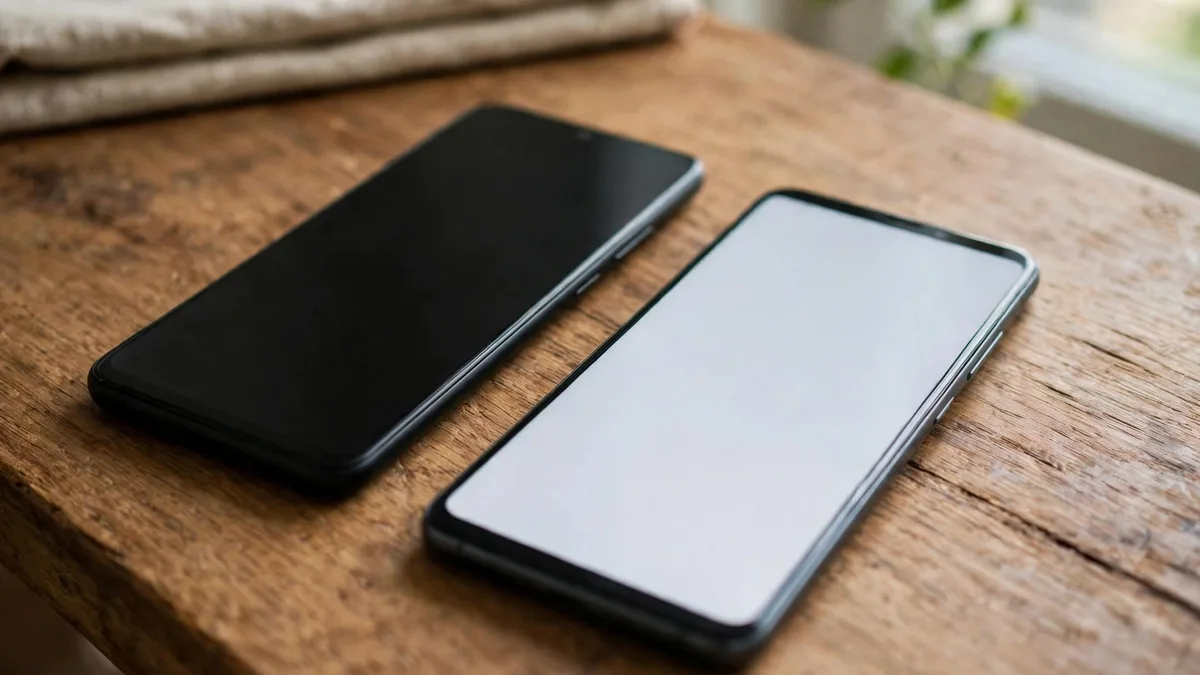
The iPhone 18 and iPhone Air 2 are reportedly moving from rumour to reality, with Apple’s display suppliers preparing to begin mass production of their OLED panels. According to South Korean publication ETNews, cited by MacRumors and Geeky Gadgets, Samsung Display and LG Display are aligning production around a March 2027 launch for the standard iPhone 18, the iPhone 18e and the iPhone Air 2 — about six months after the iPhone 18 Pro models and iPhone Duo launched in September 2026.
The timing matters because it would confirm the biggest change to Apple’s release calendar in years: for more than a decade, Apple has launched its new iPhones in a single September wave. The reports say that pattern is now splitting: the expensive Pro models and the foldable Duo arrived in the autumn, while the standard models — the ones most people actually buy — are being held for spring. Bloomberg’s Mark Gurman repeated the spring timing in his Power On newsletter, saying Apple planned to unveil the iPhone 18e, the iPhone 18 and the iPhone Air 2 around February or March 2027.
None of this has been confirmed by Apple. Everything here comes from supply-chain reporting, analyst notes and leaked dummy models, and every specification should be read as reported, not announced. What makes the production reports interesting is that factories do not retool on a rumour: when panel makers start mass production in late December and early January, a spring launch stops being a guess and starts being a schedule.
Key takeaways
- ETNews reports that LG Display will begin mass production of iPhone 18 OLED panels in late December 2026, with Samsung Display following in January 2027.
- The standard iPhone 18, iPhone 18e and iPhone Air 2 are reported to launch around March 2027, six months after the iPhone 18 Pro and iPhone Duo arrived.
- Samsung Display is reported to be the sole supplier for the iPhone Air 2, with Apple reusing the first-generation Air’s display specifications.
- The iPhone Air 2 is reported to gain a second rear camera, an A20 Pro chip and Apple’s C2 modem, while the standard iPhone 18 is reported to get an A20 chip and C2 modem.
- Apple has confirmed none of this, and the reported specifications — including memory, battery capacity and pricing — remain unconfirmed.
What the production reports actually say
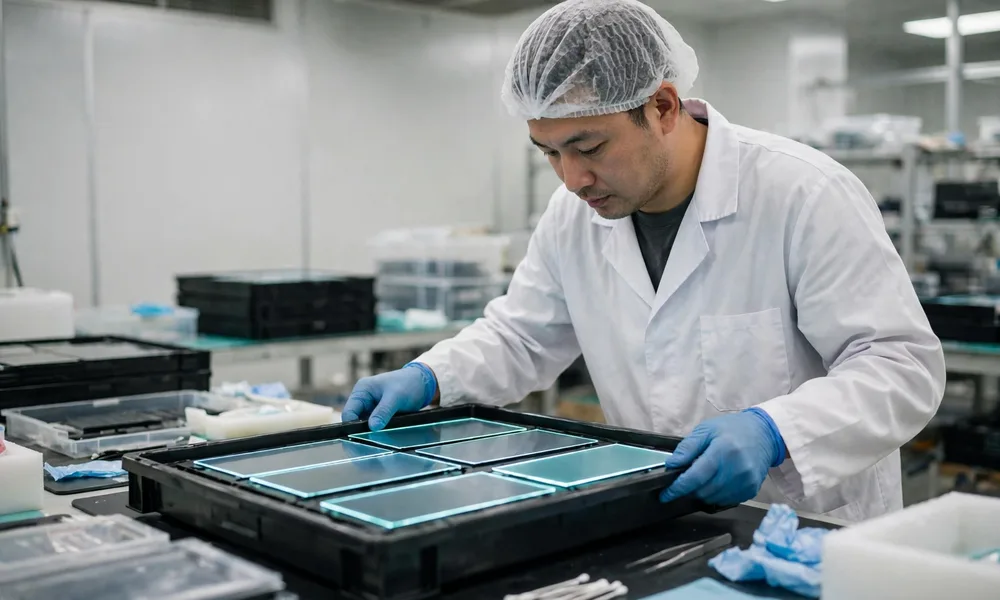
The core report comes from ETNews, published on 18 November 2026: Apple’s display suppliers are preparing to begin mass production of OLED panels for the iPhone Air 2 and the iPhone 18, for an expected March 2027 launch. LG Display is tipped to begin in late December 2026, followed by Samsung Display in January 2027. Samsung is said to be the sole supplier for the iPhone Air 2, while both companies supply panels for the standard iPhone 18.
The reports agree on the spring lineup: the standard iPhone 18, the more affordable iPhone 18e, and the iPhone Air 2. Gurman’s 22 November newsletter added that Apple has more products planned for the first half of 2027, including new iPad Air and iPad Pro models, an updated entry-level iPad and new MacBook Neo and MacBook Air models.
The production reports say nothing about pricing, sales volumes or the final specifications of either phone. Panel production is a leading indicator of timing, not a guarantee of features: a March launch is the expectation the suppliers are working to, not a date Apple has announced. For the design side of the story, our earlier report on the iPhone 18 and iPhone Air 2 dummy-unit images covers what the leaked mockups show about the two phones’ shapes and camera layouts.
Why Apple is reportedly reusing the Air 2’s display
One telling detail in the ETNews report is that Apple is leaving the iPhone Air 2’s display specifications unchanged to use up existing iPhone Air panels. The Air 2 is reported to keep the first-generation Air’s 6.5-inch 120Hz LTPO OLED display, with Samsung Display as the exclusive supplier. ETNews linked that decision to a lukewarm market response to the first model.
The first iPhone Air was a striking phone with an obvious compromise. At roughly 5.6 millimetres thick it was the slimmest iPhone Apple had ever made, but it carried a single 48-megapixel Fusion camera, and buyers saw that lone lens as the price of the thin design. Sales were softer than Apple had hoped. Reusing the display avoids writing off a stockpile of expensive panels and lets Apple spend its effort on what buyers complained about — the camera and the battery — rather than on a new screen nobody asked for.
What the reports say about the two phones
The iPhone Air 2 is reported to be the bigger story of the two. Leaked dummy models shared on 20 November by Sonny Dickson show two lenses side by side on the Air 2’s wide camera plateau, up from one on the first model, corroborated by leaked CAD drawings obtained by Engadget. The second lens is reported to be an Ultra Wide camera: analyst Jeff Pu expects a 48-megapixel Ultra Wide to sit alongside the 48-megapixel main sensor. To accommodate the upgraded optics, the camera bump is reported to grow slightly thicker, to roughly 3.8 millimetres from 3.45 millimetres.
Inside, the Air 2 is reported to get the 2-nanometre A20 Pro chip — the same flagship processor as the iPhone 18 Pro — paired with Apple’s in-house C2 5G modem and N2 wireless networking chip. Pu expects this version of the A20 Pro to skip a GPU core, as the A19 Pro on the first iPhone Air did. A bigger battery is also rumoured, although no capacity figure has been reported with any confidence.
The standard iPhone 18, by contrast, is reported to play it safe. The dummy models show it looking almost identical to the iPhone 17, with two vertically stacked lenses in a pill-shaped bump and the same 6.3-inch display. It is reported to run on the base A20 chip alongside the C2 modem, and it may inherit a slightly smaller Dynamic Island from the iPhone 18 Pro models. The one genuine dispute is memory: analyst Ming-Chi Kuo expects 9GB of RAM, while Jeff Pu predicts 12GB.
The two phones tell a coherent story. The standard iPhone 18 is the steady seller — familiar, safe, and aimed at the mass market. The Air 2 is the experiment, now in its second iteration, with the first model’s weaknesses addressed. If the reports are right, the iPhone 18e would be left as the only phone in the range with a single rear camera. Our look at how Tim Cook built Apple into the world’s most valuable firm explains why the ecosystem around the iPhone is the engine of the company’s success.
The caveats that matter
Every claim here carries the same qualification: Apple has confirmed none of it. The production reports come from ETNews, a South Korean industry publication, as relayed by MacRumors and Geeky Gadgets. The timing comes from Gurman’s newsletter and the supply-chain reporting, which agree but are still second-hand. The design details come from dummy models, which show shape and camera layout well but say nothing about screens, software or final specifications. The chip and modem details come from analysts, who disagree — the 9GB versus 12GB memory dispute is the clearest example.
There are also reasons a March launch could slip. Production schedules are plans, not promises, and the winter ramp-up depends on the Pro and Duo orders wrapping up on time. The foldable iPhone Duo is a new product category for Apple, and any production problem there could ripple into the spring schedule.
| Detail | What is reported (unconfirmed) |
|---|---|
| Expected launch | March 2027, with the iPhone 18e; Gurman says February or March |
| Panel production | LG Display from late December 2026, Samsung Display from January 2027 (ETNews) |
| Air 2 display | Same 6.5-inch 120Hz LTPO OLED as the first Air; Samsung sole supplier |
| Air 2 cameras | Dual 48MP (main + Ultra Wide), shown on dummy models; bump growing to about 3.8mm |
| Air 2 chip | A20 Pro (2nm), C2 modem, N2 wireless chip |
| iPhone 18 | A20 chip, C2 modem, 6.3-inch display, design similar to iPhone 17; RAM disputed at 9GB or 12GB |
| Launch strategy | Split launch: Pro models and iPhone Duo in September 2026, standard models in spring |
| Confirmed by Apple | Nothing: no date, no specifications and no pricing have been announced |
Checklist: reading iPhone reports honestly
Use these checks before treating any iPhone 18 or iPhone Air 2 report as fact:
- Ask who reported it: supply-chain reporting, analyst notes and dummy models differ.
- Check whether Apple has confirmed it: if not, the detail is a report, however many outlets repeat it.
- Look for disagreement between analysts: the 9GB versus 12GB dispute shows even good sources differ.
- Remember what dummy models can show: shape and camera layout, not screens, software or final specifications.
- Ignore any price you see before Apple announces one: no pricing has been reported for either phone.
- Panel mass production starting is a stronger signal than a single leak.
Frequently asked questions
When will the iPhone 18 and iPhone Air 2 be released?
Reports point to a launch around March 2027, with Bloomberg’s Mark Gurman suggesting February or March. ETNews reports that LG Display will begin mass production of OLED panels in late December 2026 and Samsung Display in January 2027. Apple has not announced a date.
Why are the standard iPhones launching in spring instead of September?
Apple is reported to have split its launch schedule: the iPhone 18 Pro models and the foldable iPhone Duo launched in September 2026, while the standard iPhone 18, iPhone 18e and iPhone Air 2 are held for spring 2027.
Will the iPhone Air 2 have two cameras?
That is what the reports say. Dummy models shared by leaker Sonny Dickson on 20 November show two lenses side by side on the Air 2’s camera plateau, and analyst Jeff Pu expects a 48-megapixel Ultra Wide alongside the main sensor. It remains unconfirmed.
What chip will the iPhone Air 2 use?
Jeff Pu reports the A20 Pro chip, built on a 2-nanometre process, paired with Apple’s C2 5G modem and N2 wireless chip. He expects this version to skip a GPU core, as the A19 Pro on the first iPhone Air did. The standard iPhone 18 is reported to use the base A20 chip.
Is Apple reusing the first iPhone Air’s screen?
According to ETNews, yes. Apple left the Air 2’s display specifications unchanged — the same 6.5-inch 120Hz LTPO OLED panel — so it can use up existing panel inventory, with Samsung Display as the sole supplier.
Should I wait for the iPhone 18 or buy a current iPhone now?
That depends on your timing. If your current phone works and you want the standard iPhone 18 or the Air 2, the reports suggest a wait of around four months. If you need a phone now, the iPhone 18 Pro models are already on sale. No pricing has been reported for the spring models.
For a broader sense of how Apple’s hardware compares with its rivals, our comparison of the MacBook Air M5 and the Lenovo ThinkPad X1 Carbon shows how the company’s latest machines stack up.
The bottom line
The production reports are the strongest evidence yet that Apple’s spring iPhone launch is real. Panel makers do not start mass production on a whim, and the reported late-December and January start dates line up neatly with a March 2027 launch for the iPhone 18, the iPhone 18e and the iPhone Air 2. The picture that emerges is of a pragmatic second-generation Air — same screen, second camera, faster chip — and a standard iPhone 18 that plays it safe.
But the qualification still stands: Apple has confirmed nothing, and the details that matter most to buyers — price, battery life and the final camera specification — are the ones nobody has reported with confidence. Read the spring of 2027 as a plan, not a promise, and treat every specification here as reported until Apple puts it on a stage.