

Quick Answer: How many ounces in a pint?
A US liquid pint contains exactly 16 US fluid ounces. That is the number most American recipes, beer labels, and kitchen measuring cups assume, and it converts to roughly 473 milliliters.
The number changes once you leave the US liquid system. An imperial pint in the UK holds 20 imperial fluid ounces, about 568 milliliters, so it is roughly 20 percent larger. A US dry pint also contains 16 dry ounces, but a dry ounce is a different unit, so that pint works out to about 18.6 US liquid ounces.
Before you measure, check which system the recipe or label uses, whether the ounce refers to volume or weight, which country published the source, and whether the ingredient is a liquid or a dry good.
Why This Small Question Trips Up So Many People
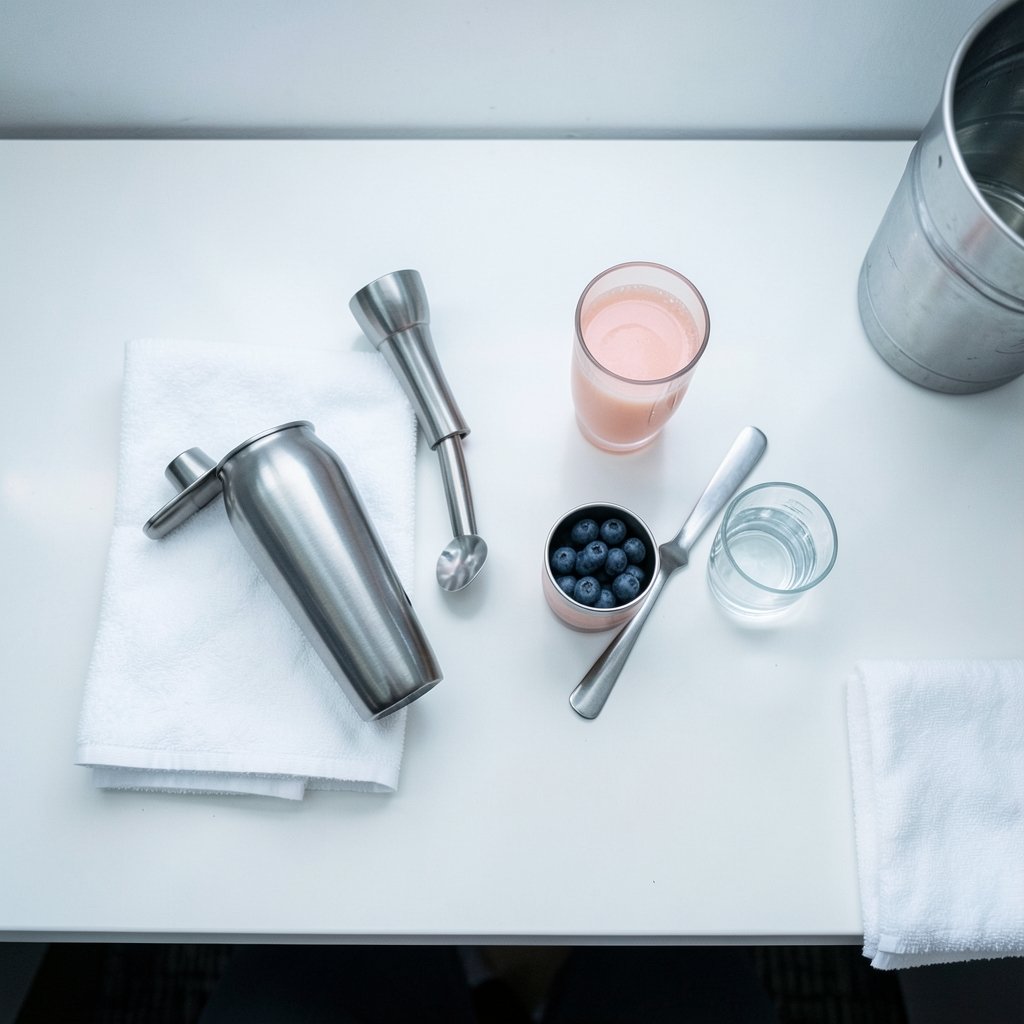
Picture this: someone follows a British recipe for a batch cocktail, pours 16 ounces of gin instead of 20, and wonders why the punch tastes thin. Or a homebrewer buys a “pint” glass online and finds it holds noticeably less beer than the pub down the street. Nobody made an arithmetic error. They just mixed up two measurement systems that share the same words.
The confusion is built into the language. A pint is a pint, an ounce is an ounce, and yet the same three words describe different amounts depending on which side of the Atlantic you stand on and whether you are pouring milk or scooping blueberries. Once you know the rules, the conversions become automatic. Until then, they are a quiet trap in kitchens, bars, and grocery stores everywhere.
The US Liquid Pint: 16 Fluid Ounces, by Definition
In the United States, a liquid pint equals exactly 16 US fluid ounces. This is not a rough convention; it falls straight out of how the US gallon is defined. A US fluid ounce is 1/128 of a US gallon, and the gallon itself is fixed at 231 cubic inches. Divide that gallon into eight parts and you get a pint of 16 fluid ounces, or about 473.176 milliliters.
The US government publishes the commercial rules for these units in a document called Handbook 44, which you can browse through the National Institute of Standards and Technology’s page on Handbook 44 covering commercial weighing and measuring devices. That is the reference inspectors use when they check the accuracy of a measuring cup, a fuel pump, or a bottle of soda.
For everyday cooking, the practical rule is simple: if a US recipe calls for a pint of liquid, measure 2 cups. A standard US cup holds 8 fluid ounces, so two cups make one pint. This is why so many American ice cream containers, cream cartons, and takeout soup bowls land at 16 ounces.
The Imperial Pint: 20 Fluid Ounces and a Whole Different Scale
Cross the Atlantic and the math shifts. An imperial pint holds 20 imperial fluid ounces, which is 568.26125 milliliters exactly. The UK’s Weights and Measures Act 1985 fixes the pint at 0.56826125 liters, so this is law, not custom. The Act’s text is available through the UK’s Weights and Measures Act 1985 on the national legislation archive if you want to see the definition in its original wording.
The gap between the two pints is large enough to notice. A UK pint is about 20 percent bigger than a US pint. If a London pub serves you a pint of lager and an American bar serves you a pint of the same beer, the British glass holds roughly 95 milliliters more. (Pint)
That difference is not trivia in Britain. Draft beer and cider sold in pubs are legally required to be served in pints or half-pints, which is why the British pint has become a cultural symbol as much as a measurement. The next time someone jokes about ordering “a pint” abroad, they are unknowingly making a units conversion.
US Dry Pint vs Liquid Pint: Same Word, Different Ounce
Here is where even careful cooks get caught. The US also has a dry pint, used for things like berries, peas, and other produce. It contains 16 US dry ounces, just as the liquid pint contains 16 fluid ounces. The catch is that a dry ounce is not the same size as a fluid ounce.
A US dry pint comes out to about 33.6 cubic inches, or roughly 550.6 milliliters. Convert that to liquid ounces and you get about 18.6. So a dry pint is meaningfully larger than a liquid pint even though both are called pints and both contain “16 ounces.”
In practice, most home cooks never touch dry ounces. Recipes measure dry ingredients by weight in grams or by volume in cups. The dry pint mostly shows up on produce packaging and in agricultural contexts. Still, if a recipe from an older American cookbook specifies a dry pint of something, it is not the same as 16 fluid ounces, and treating it that way will throw off the proportions.
| System | Ounces per pint | Milliliters | Common use |
|---|---|---|---|
| US liquid pint | 16 US fluid ounces | ~473 mL | Milk, beer, recipes, bottles |
| US dry pint | 16 US dry ounces (~18.6 fl oz) | ~550.6 mL | Berries, produce, dry goods |
| Imperial (UK) pint | 20 imperial fluid ounces | 568.26125 mL | UK beer, cider, milk |
Fluid Ounces vs Ounces: Volume and Weight Are Not the Same Thing
The single most common mistake is treating “ounce” as one unit. It is not. A fluid ounce measures volume, the space a liquid takes up. An ounce on its own, technically the avoirdupois ounce, measures weight, and it equals about 28.3495 grams.
That distinction matters because “16 ounces in a pint” is only true for fluid ounces. A pint of water weighs close to 16.7 ounces, a pint of honey weighs far more, and a pint of whipped cream weighs much less. The volume stays the same; the weight floats.
This is why serious bakers weigh ingredients on a kitchen scale instead of scooping them. A cup of flour can weigh anywhere from 4 to 5.5 ounces depending on how it was packed, and a pint of the same flour would swing just as widely. Volume measurements of dry goods are approximate by nature. Weight measurements are not.
A useful mental check: if the ingredient pours, the ounce is probably a fluid ounce. If it piles, the ounce is probably a weight. When a label is ambiguous, look for “fl oz” on the package.
Converting Pints and Ounces Without Doing Mental Gymnastics
Most of the time, people need to move between pints, ounces, cups, quarts, and liters. The conversions are straightforward once the base unit is settled. NIST’s Special Publication 811 on SI conversion factors is the official source for turning US customary units into metric ones, and it is worth knowing it exists if you ever need a precise figure. (NIST Unit Conversion)
Here is the practical cheat sheet for US liquid measures:
- 1 pint = 16 fluid ounces = 2 cups = 473 milliliters.
- 1 quart = 2 pints = 32 fluid ounces = 946 milliliters.
- 1 gallon = 8 pints = 128 fluid ounces = about 3.785 liters.
- 1 imperial pint = 20 imperial fluid ounces = 568 milliliters.
- 1 US pint = about 0.83 imperial pints.
For rough kitchen work, the rule of thumb is that a US pint is a bit less than half a liter and a UK pint is a bit more than half a liter. If you are scaling a British recipe down for American cups, multiply the pint figure by 1.25 to get the US fluid ounce equivalent. A recipe calling for one imperial pint of stock needs about 20 US fluid ounces, not 16.
Where the Pint Shows Up in Real Life
The pint is a kitchen unit. It also shapes packaging, pricing, and portion sizes in ways most shoppers never think about.
Ice cream is a classic example. In the US, a “pint” of ice cream is 16 fluid ounces by volume, but because ice cream is aerated and dense, the carton’s net weight is usually around 14 ounces. That is not shrinkage; it is the difference between volume and weight showing up on the label. A shopper comparing two cartons by weight alone may walk away with less ice cream than expected.
Beer tells the same story from the other direction. A US pint of beer is 16 fluid ounces, but many American bars serve “pints” in glasses that hold 14 or 15 ounces when filled to a reasonable level. In the UK, the pint is a protected measure, and short pours can be reported to trading standards.
Paint, cream, oysters, and even blood donations all get measured in pints somewhere. Each industry has its own convention about which pint it means. When a number matters, the safe move is to check whether the source is American or British and whether the ounce is fluid or weight. (Who owns pinterest)
Common Mistakes and How to Avoid Them
The errors people make with pints and ounces tend to fall into a few predictable patterns. Knowing them in advance saves a lot of ruined recipes and disappointing pours.
The first mistake is assuming every “pint” is 16 ounces. British recipes, Irish pubs, and imported products often mean 20. The second is confusing fluid ounces with weight ounces, which quietly breaks baking conversions. The third is ignoring the dry pint when a produce recipe calls for one. The fourth is trusting a measuring cup that was printed with decorative rather than accurate markings, which is more common than it should be.
The fix is unglamorous but effective. Use a liquid measuring cup with a clear spout for wet ingredients and a scale for dry ones. Read the country of origin on a recipe before starting. And when a conversion feels off by about 20 percent, suspect the imperial system before suspecting your own math.
Conclusion
The answer to how many ounces are in a pint depends entirely on which pint you mean. A US liquid pint is 16 fluid ounces, a US dry pint works out to about 18.6 fluid ounces, and a UK imperial pint is 20 imperial fluid ounces, roughly 20 percent larger than its American cousin. The ounce itself splits into volume and weight, and that split causes most of the confusion in kitchens and bars.
None of this is hard once the distinctions are clear. Check the system, check the ounce type, and check the country. Do those three things and the pint stops being a trap and becomes what it was always meant to be: a reliable, handy measure.
Frequently Asked Questions
Is a pint of beer 16 or 20 ounces?
It depends on the country. A US pint of beer is 16 US fluid ounces, while a UK pint is 20 imperial fluid ounces, about 568 milliliters. British pubs are legally required to serve draft beer in pints or half-pints, so the 20-ounce figure is the standard there.
How many ounces are in a half pint?
A US half pint is 8 US fluid ounces, and an imperial half pint is 10 imperial fluid ounces. Half-pint cartons of cream and milk in the US are 8 ounces, while a British half of beer is about 284 milliliters.
Is 16 ounces of water the same as a pint?
By volume, yes, 16 US fluid ounces of water equals one US liquid pint. By weight, a pint of water weighs slightly more than 16 ounces, about 16.7 ounces, because a fluid ounce of water does not weigh exactly one ounce.
Why does a pint of ice cream weigh less than 16 ounces?
Ice cream is sold by volume, not weight. A US pint carton holds 16 fluid ounces of ice cream, but the product is whipped with air and is less dense than water, so the net weight printed on the label is usually around 14 ounces.
How do I convert a British recipe that uses pints?
Multiply the imperial pint figure by 20 to get imperial fluid ounces, then convert to US fluid ounces by multiplying by roughly 0.96. In practice, a British pint of liquid is close to 2.5 US cups, so use about 2.5 cups instead of the 2 cups a US pint would call for.
Does the dry pint apply to liquids?
No. The US dry pint is used for dry commodities like berries, peas, and grains. It contains 16 dry ounces, which is about 18.6 fluid ounces, so it is larger than a liquid pint and should not be swapped for one in a recipe.



