
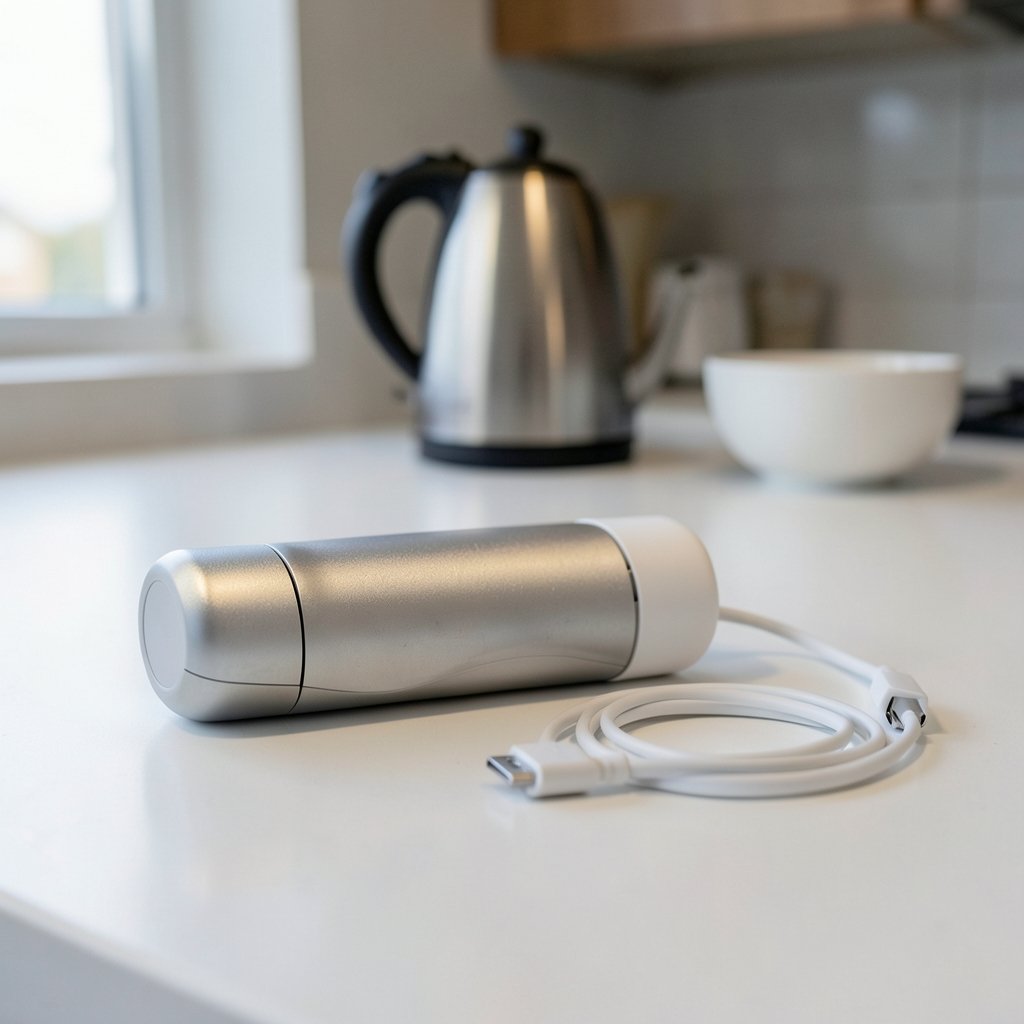
Have you ever picked up a power bank and noticed the casing felt strangely tight, or that the plastic had started to bulge along one edge? That small change is one of the clearest warning signs that something inside the battery has gone wrong. A swollen power bank battery is not a cosmetic problem. It is a safety issue that deserves immediate attention. (Lithium-ion battery)
This guide explains the physical and behavioral signs of a swelling lithium-ion cell, why it happens, what to do the moment you spot it, and which everyday habits quietly cause the problem in the first place. It also covers the mistakes people make most often, because those mistakes are usually what turn a manageable situation into a dangerous one. (EPA: Used lithium-ion batteries)
What a Swollen Power Bank Battery Actually Is
Almost every portable power bank runs on lithium-ion cells. Inside each cell, thin layers of electrode material sit tightly stacked and soaked in a liquid electrolyte. When the cell degrades, is overcharged, is over-discharged, or gets physically damaged, chemical side reactions can produce gas. That gas has nowhere to go, so it pushes outward against the cell’s sealed pouch or metal can.
The result is a battery that physically expands. Engineers often call this gassing or outgassing. The important point for anyone holding the device is simple: the swelling is a symptom, not the disease. The gas is a byproduct of a cell that is no longer behaving the way it was designed to behave.
A swollen cell does not always fail catastrophically. Many swollen power banks sit in drawers for months without incident. But swelling is widely treated as a clear signal to stop using and stop charging the device, because a damaged cell carries a higher risk of thermal runaway, a self-heating reaction that can lead to fire.
The Physical Warning Signs You Can See and Feel
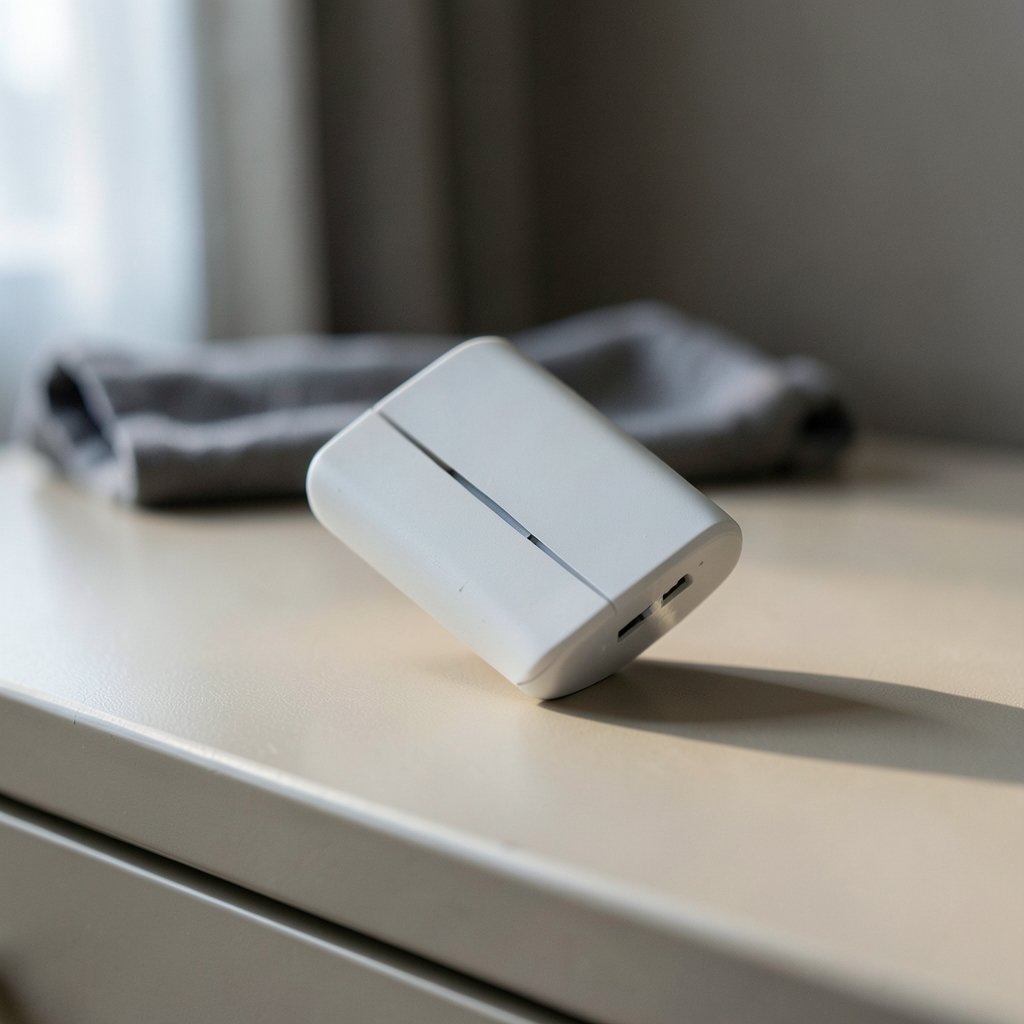
Most swelling is detectable long before anything dramatic happens. The trick is knowing where to look.
A Bulging Case or Lifted Panel
This is the most commonly reported sign. Run your eyes along the seams of the power bank. On a healthy unit, the two halves of the housing sit flush. On a failing one, you may see a gap open up along one edge, a seam that no longer lines up, or a flat side that has become noticeably convex.
A Screen, Cover, or Sticker That Pops Up
Many power banks have a small display, a rubberized cover, or a printed label. If any of these start lifting away from the body, treat it as a swelling indicator. The expanding cell is pushing against whatever is above it, and the weakest bond gives way first.
The “Rocking Table” Test
A subtle but useful check: place the power bank on a flat, hard surface. A device that used to sit perfectly still and now rocks gently is telling you one side has grown. This is an easy habit to build into your routine, and it catches early swelling that a glance might miss.
Unusual Warmth
A power bank that feels warm while idle, or noticeably hotter than normal during charging, is worth watching closely. Heat and swelling often appear together because both point to a cell under stress. Note that some warmth during fast charging is normal. Persistent warmth when the device is doing nothing is not.
Dents, Cracks, and Crush Damage
Physical damage is a swelling trigger in its own right. A power bank that has been dropped onto concrete, sat on in a bag, or had something heavy pressed against it can develop internal damage that leads to gassing weeks later. Inspect the casing for cracks and deformation after any significant impact.
| Sign | What It Usually Means | Urgency |
|---|---|---|
| Slight case bulge | Early gassing | Stop charging, monitor, replace soon |
| Seam gap or lifted panel | Moderate cell expansion | Stop using, plan disposal |
| Rocking on a flat surface | One-sided swelling | Stop using, plan disposal |
| Warm when idle | Cell stress | Stop using, isolate the device |
| Strong odor or hissing | Possible venting | Isolate, ventilate, contact local fire service advice line |
| Visible smoke or heat spike | Thermal event underway | Evacuate and call emergency services |
Warning Signs You Cannot See
Not every problem announces itself physically. Some behavioral clues show up first.
Charging that never completes. If a power bank that used to fill up in three hours now sits at partial charge for six, the cells may be struggling to accept charge.
Capacity that collapses. A unit that once charged a phone three times and now manages one is showing signs of cell degradation, which is the same process that produces gas.
Frequent shutdowns mid-discharge. The device cutting out while it still shows capacity is a red flag for internal cell imbalance.
Odd smells. A sweet, solvent-like, or sharp chemical odor near the device is a serious warning. Venting gas from a lithium-ion cell can be flammable. Move the device away from anything combustible and let the area ventilate.
None of these signs alone confirms swelling, but two or more together justify retiring the device.
Why Power Banks Swell in the First Place
Understanding the causes helps you avoid repeating them with the next unit.
Overcharging and heat. Leaving a power bank plugged in for days on a windowsill, in a hot car, or under a pillow combines two stressors at once. Heat accelerates the side reactions that generate gas.
Deep discharge. Draining a power bank to zero and leaving it there for months causes internal damage. Lithium-ion cells prefer to sit at roughly half charge during storage.
Cheap or mismatched chargers. A power bank is only as good as the circuitry protecting its cells. Cut-rate units often skip proper protection against overvoltage and overcurrent. If you are comparing power options for your home and want to understand how serious backup hardware is built, a look at the best home generators shows how much protection circuitry matters at larger scales too.
Physical abuse. Drops, punctures, and crush loads damage the internal separator between electrodes. Once that separator is compromised, gas generation and short circuits become far more likely.
Age. Every lithium-ion cell degrades. A five-year-old power bank that has been through hundreds of cycles is simply closer to the end of its safe life.
What to Do the Moment You Notice Swelling
The correct response is boring, fast, and non-negotiable.
- Stop charging immediately. Unplug it and do not plug it back in, even to “check.”
- Stop using it. No topping up your phone, no testing, no curiosity.
- Do not puncture, squeeze, or press the bulge. People sometimes try to flatten a swollen case to make it fit in a bag. This is one of the most dangerous things you can do, because piercing the cell can trigger a fire.
- Move it to a safe location. Place it on a non-flammable surface, away from curtains, bedding, paper, and anything else that burns easily. A metal tray, a ceramic dish, or a bare concrete floor works.
- Keep it cool and ventilated. Avoid direct sunlight and heat sources.
- Arrange proper disposal. Swollen lithium-ion batteries belong in hazardous waste or e-waste collection, not the household trash. Local rules vary, so check your municipal waste service.
- Replace, do not repair. There is no safe home fix for a swollen cell.
If the device becomes hot, starts hissing, or emits smoke, get away from it and call emergency services. Do not attempt to smother a lithium battery fire with water alone if the device is still plugged in, and never handle a burning power bank with bare hands.
Common Mistakes That Make Things Worse
A few habits show up again and again, and each one turns a manageable problem into a risky one.
Storing the swollen unit in a drawer “for now.” Out of sight is not out of risk. A swollen battery left in a bag with keys, cables, and other metal objects can be punctured.
Charging it “one last time.” Charging is the highest-stress moment for a failing cell. This is the single most common mistake.
Trying to deflate it. There is no valve. Pressing or piercing the casing does not release gas safely; it creates a puncture path.
Putting it in regular recycling. Standard kerbside recycling is not equipped for damaged lithium cells and has caused fires in collection trucks.
Buying the cheapest replacement. Price matters, but protection circuitry matters more. The same logic applies when people compare solar generators for home backup power, where safety features separate reliable units from risky ones.
How to Prevent Swelling in the First Place
Prevention is mostly about heat, charge level, and handling.
Keep it out of hot cars. A power bank on a dashboard in summer can hit temperatures that accelerate cell damage within a single afternoon.
Store at around half charge. If a power bank will sit unused for months, charge it to roughly 50 percent and check it every few months.
Use the charger it came with. Or at least a reputable one with proper certification.
Avoid full discharge as a habit. Top up before it hits zero when convenient.
Do not stack heavy items on it. A power bank at the bottom of a crowded backpack is a power bank under constant load.
Track its age. Write the purchase date on the unit with a marker. Most power banks give good service for two to four years of regular use.
There is a financial angle here too. Replacing a failed unit is a small cost compared with the alternatives, and if a swollen battery has damaged a device you rely on, understanding your repair budget helps. A home equity loan calculator is a useful tool for anyone weighing a larger household tech or safety upgrade against their borrowing capacity.
When to Replace Versus When to Investigate
Not every warm power bank is failing. A unit that gets warm during fast charging and cools down afterward is behaving normally. A unit that is warm an hour after being unplugged is not.
Use this simple decision rule. If the case is flat, the seams are flush, the device cools down after charging, and capacity is close to what it was a year ago, keep using it and keep an eye on it. If you can see or feel any bulge, retire it. There is no middle ground worth the risk.
Conclusion
A swollen power bank battery is one of those problems that is easy to ignore and expensive to ignore wrongly. The signs are usually visible: a bulging case, a lifted panel, a device that rocks on a flat table, or warmth that should not be there. When you spot them, the response is straightforward. Stop charging, stop using, do not puncture, isolate the device on something that will not burn, and get it to proper hazardous waste disposal.
The larger lesson is that power banks are consumable safety equipment, not permanent furniture. Heat, deep discharge, physical damage, and age all push a cell toward gassing. Treat the device well, watch for the signs, and replace it without hesitation when the casing starts to change shape. A twenty-dollar power bank is never worth a fire.
Frequently Asked Questions
Is a slightly swollen power bank still safe to use?
No. Any visible swelling means the cell has already undergone chemical change, and the safe assumption is that it should not be charged or used again. Even a small bulge can grow quickly once the cell is under load or heat.
Can a swollen power bank battery explode?
Explosion in the dramatic sense is rare, but a swollen cell can vent hot gas, catch fire, or trigger thermal runaway. The risk rises sharply if the device is punctured, crushed, or charged after swelling appears.
How should I dispose of a swollen power bank?
Take it to a household hazardous waste facility or a dedicated e-waste drop-off that accepts damaged lithium batteries. Do not put it in kerbside recycling or household trash, and do not leave it loose in a bag with metal objects.
Can I flatten a swollen power bank to make it fit?
Never. Pressing, squeezing, or piercing the casing can breach the cell and cause a fire. There is no safe way to release the internal pressure at home.
Does swelling always mean the battery will catch fire?
No. Many swollen cells never ignite, and the outcome depends on the cell’s condition and how it is handled afterward. That uncertainty is exactly why the standard advice is to stop using the device rather than gamble on it.
How long do power banks last before swelling becomes likely?
Most quality units give two to four years of regular use before noticeable capacity loss. Swelling is more likely in units that have been exposed to heat, deep discharge, or physical impact, and it can happen much sooner in those cases.



