When was the last time a review actually changed how you work? Not a rating, not a checkbox, not a meeting where everyone nodded and moved on. A real review, the kind that made you pause and rethink something. If you’re struggling to remember, you’re not alone. Review culture, in code, in performance, in almost every workplace ritual, has quietly become theater. The forms get filled. The green checkmarks appear. And nothing improves.
The short verdict: review culture isn’t broken because the process is wrong. It’s broken because the culture around it rewards speed, comfort, and compliance over honesty. Fixing it means rebuilding the feedback loop, not redesigning the form. This article breaks down how reviews stopped working, what the research actually shows, and the practical fixes that hold up in real teams.
The Green Checkmark That Means Nothing
Picture a familiar scene. A production bug slips through. A simple missing check, a wrong variable name. The team digs through logs and finds the code was merged weeks ago. It had been approved. Three senior engineers signed off. The tests passed.
How does that happen? Because everyone typed “LGTM” and moved on. As one widely shared developer essay on the “LGTM” epidemic puts it, approving a 500-line pull request in 45 seconds while rushing to the next meeting is a common experience, not an outlier. The essay calls code review the safety net that catches what the author missed, then notes it often becomes a performative ritual instead.
That’s the core problem in a nutshell. The “four eyes” principle assumes two people actually looked. In practice, one person skimmed and the other trusted the first.
Why Reviews Became Theater

Review culture didn’t collapse overnight. It eroded through a series of small, reasonable-seeming compromises.
Speed became the only metric
When review turnaround time is what gets tracked, reviewers optimize for speed. A fast approval looks like efficiency. A slow, thoughtful one looks like a bottleneck. So the incentive quietly pushes people toward rubber-stamping.
Feedback got confused with judgment
Many workplaces treat reviews as verdicts rather than conversations. One workplace discussion describes a common pattern: years of stellar reviews with no negative feedback, followed by a job change where real constructive criticism finally arrived. The person admitted it stung at first, then became the most useful input they’d ever received. The lesson is uncomfortable. A review with no critique isn’t a good review. It’s an absent one.
The rating scale rewards safe mediocrity
The five-point scale is a case study in unintended consequences. Five is the mythical “exceptional” that nobody gets. Managers avoid it because nobody’s perfect. HR discourages it because it skews the data. Employees stop expecting it. The result, as one analysis of broken performance reviews puts it, is a culture of safe mediocrity wrapped in the language of excellence.
Annual feedback arrives too late
If feedback only shows up once a year, it’s already too late to act on it. A podcast episode titled “When Performance Reviews Lie” frames the annual ritual bluntly: it often drifts from development into performance theater, shaped by politics, fear, and compensation pools rather than genuine growth.
What the Research Actually Says
The pattern isn’t anecdotal. Several sources converge on the same diagnosis.
| Review type | What it’s supposed to do | What it often does |
|---|---|---|
| Code review | Catch defects before merge | Rubber-stamp approvals |
| Annual performance review | Grow the employee | Protect the company |
| Peer feedback | Improve collaboration | Avoid discomfort |
| Self-assessment | Surface honest reflection | Game the rating |
One organizational case study on HR culture notes that the perception of favoritism, even when investigations find no discriminatory decisions, produces real harm: disengagement, attrition, and formal complaints. Perception left unaddressed does the same damage as bias itself. That’s a crucial insight for anyone redesigning reviews. How the process feels matters as much as what it technically does.
There’s also a structural point worth naming. Performance reviews are a corporate and government tool, not a universal one. Freelancers, gig workers, and project-based teams often have no formal review process at all, because feedback is constant and immediate. You deliver or you don’t. That contrast is telling. The environments with the least formal review machinery sometimes have the healthiest feedback loops.
The Fix Starts With Frequency, Not Format
Here’s the counterintuitive part. Most organizations try to fix review culture by changing the form. New competencies, new rating scales, new calibration meetings. It rarely works, because the problem was never the form.
The fix is frequency. Feedback that arrives weekly, in small doses, close to the work, doesn’t need to be softened. It becomes normal. A correction in the moment is a conversation. The same correction saved for eleven months becomes a verdict.
Practical teams tend to adopt a few habits that make this work:
- Separate growth conversations from compensation decisions. When the same meeting determines both your development and your raise, honesty loses every time.
- Require specificity in reviews. “Good work” and “needs improvement” are both useless. A useful review names a behavior, an example, and a suggested next step.
- Make critique the default, not the exception. If a review contains zero constructive points, treat that as an incomplete review, not a kind one.
- Shorten the cycle. Monthly or quarterly check-ins beat annual reviews for the same reason daily commits beat a giant quarterly merge.
Apply the same logic to tools
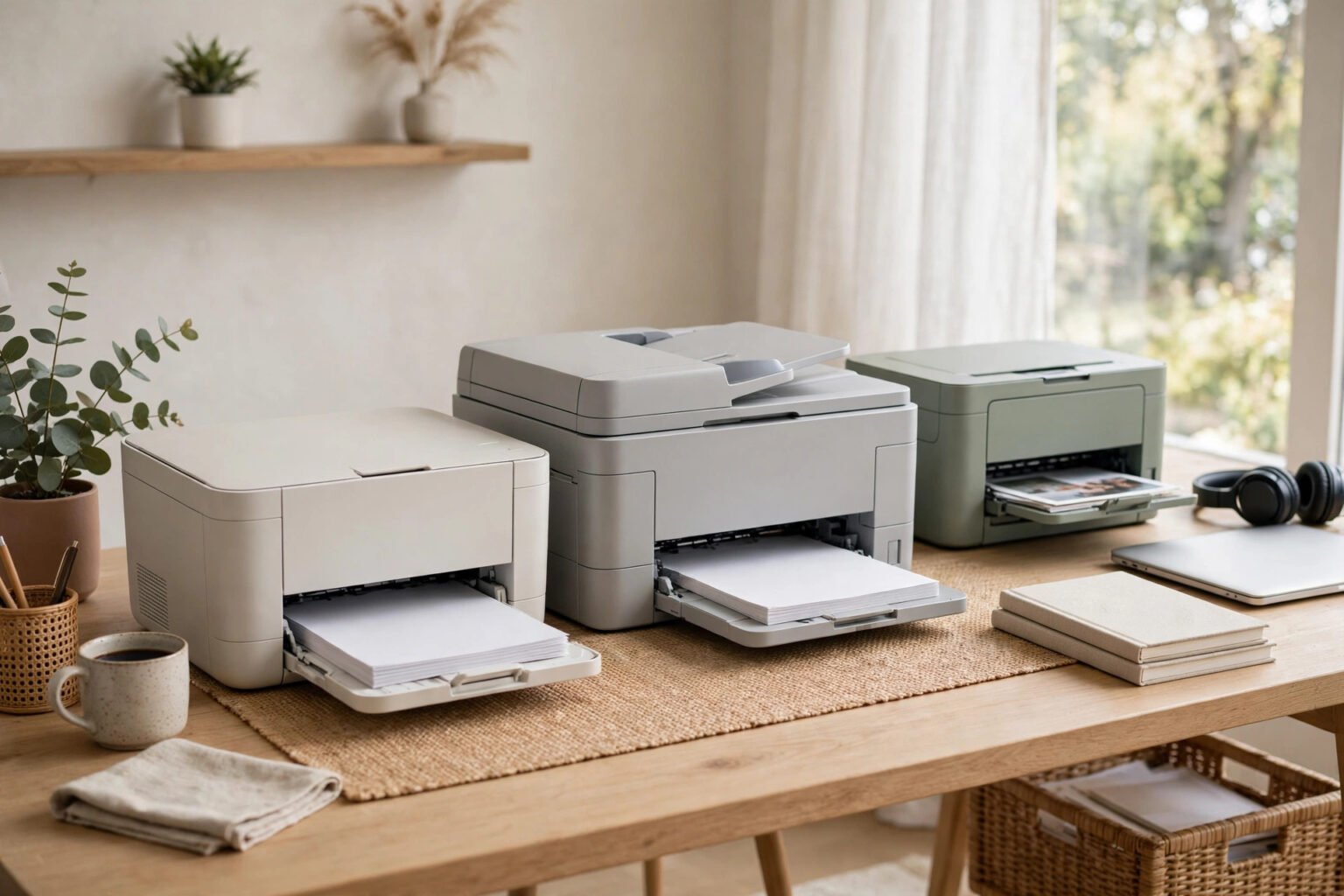
This pattern shows up far beyond HR. Anyone evaluating software runs into the same trap: review pages that read like marketing, and tools that look free until the real cost lands. If you’re weighing a purchase, it helps to read a breakdown of what free tools actually cost you before trusting the sticker price. The same skepticism applies to subscription services; a Revolut review on whether the super app is worth the risk is a good example of weighing convenience against real trade-offs. And for hardware, an Epson EcoTank ET-2800 review covering real printing costs shows how the honest number rarely matches the headline one.
Fixing Code Review Without Slowing Down
Code review deserves its own section because it’s where the “LGTM” problem is most visible and most fixable.
The first fix is size. A reviewer can genuinely engage with a 50-line change. A 500-line change invites skimming. Teams that cap pull request size, or split large changes into reviewable slices, get better reviews without adding process.
The second fix is intent. Reviewers should know what they’re looking for. Is this a correctness review, a design review, or a style pass? Mixing all three produces shallow attention on all three.
The third fix is accountability without blame. When a bug slips through, the useful question isn’t “who approved this?” It’s “what did our review process miss?” That reframing turns a failure into a process improvement instead of a hunt for a scapegoat.
The fourth fix is the hardest: give reviewers permission to say no. A review culture where “request changes” feels socially costly will always default to approval. Leaders have to model blocking a change for a real reason, and thank the person who raised it.
The Role of AI in Reviews
AI tools are entering both code review and document review, and they cut both ways. Used well, they handle the mechanical checks, formatting, obvious bugs, missing test coverage, so human reviewers can spend their attention on design and judgment. Used badly, they become another layer of automated rubber-stamping, generating confident approvals nobody reads.
The same caution applies to legal and contract work. Teams evaluating AI contract review tools and what they really cost quickly learn that the tool is only as good as the human who reviews its output. The same is true for the best AI legal document review software and for anyone building a custom bot with something like Chatbase. Automation amplifies whatever culture it lands in. In a healthy review culture, it removes drudgery. In a broken one, it accelerates the theater.
Common Mistakes People Make When Fixing Reviews
Even well-intentioned fixes go wrong. A few recurring mistakes are worth flagging.
Adding process instead of removing friction. More forms, more sign-offs, more calibration meetings. None of it helps if people still don’t feel safe giving honest feedback.
Treating training as the fix. A workshop on giving feedback doesn’t change behavior if the incentives still punish candor. Culture follows incentives, not slides.
Ignoring the perception gap. Leadership often believes reviews are fairer than employees experience them. That gap is itself a problem, and it needs to be measured and addressed directly.
Confusing kindness with silence. The most damaging review is the one that spares feelings today and leaves someone blindsided later. Honest, specific, timely feedback is the kinder option, even when it’s uncomfortable.
Forgetting the reviewer. Reviewers need feedback too. If nobody ever tells a reviewer their feedback was useful or off-base, the quality of reviews drifts with no correction.
What a Healthy Review Culture Looks Like
A working review culture has a few recognizable features. Feedback is frequent and low-stakes. Ratings, where they exist, are tied to specific evidence. Leaders give and receive critique in public. And the process is judged by outcomes, not by how smoothly the meetings ran.
It also accepts a hard truth: some reviews will be uncomfortable. That’s not a bug. The goal isn’t comfort. The goal is a loop where information flows, people adjust, and the work gets better. The moment a review process optimizes for everyone feeling fine, it stops doing its job.
Conclusion
Review culture broke for understandable reasons. Speed got rewarded, discomfort got avoided, and the forms survived long after the substance left. But the fix isn’t a new form. It’s a rebuilt loop: frequent feedback, specific critique, separation of growth from compensation, and leaders who model honest review instead of performative approval. The green checkmark isn’t the goal. The goal is that someone actually looked, and said something worth hearing. Start with one change this quarter, make critique normal, and the rest of the culture tends to follow.
Frequently Asked Questions
What does “LGTM” mean and why is it a problem?
LGTM stands for “looks good to me,” the shorthand reviewers use to approve a change. It becomes a problem when it’s typed reflexively, without real inspection. A reviewer who approves a large change in under a minute provides the appearance of oversight without the substance, and defects slip through.
Why do annual performance reviews often fail?
Annual reviews compress a year of feedback into one high-stakes meeting, often tied to pay. That combination makes honesty costly for both sides. Feedback arrives too late to act on, ratings get inflated to avoid tough conversations, and the process drifts toward protecting the company rather than growing the employee.
How can teams make code review more effective?
Cap the size of changes so reviewers can genuinely engage, clarify what kind of review is being requested, and make it socially safe to request changes. Track review quality rather than just turnaround speed, and treat missed bugs as process lessons rather than individual failures.
Is AI making review culture better or worse?
Both, depending on the culture it lands in. AI handles mechanical checks well, freeing human attention for judgment and design. But it can also generate confident approvals nobody reads, which accelerates rubber-stamping. The tool amplifies the existing culture rather than replacing it.
How do you give critical feedback without damaging trust?
Be specific, timely, and focused on behavior rather than character. Name the example, explain the impact, and suggest a next step. Deliver it close to the event rather than saving it up. Frequent small feedback feels like coaching; rare large feedback feels like a verdict.
What is the single most effective fix for a broken review culture?
Increase frequency and separate growth conversations from compensation decisions. When feedback is routine and low-stakes, people stop defending and start adjusting. Everything else, better forms, training, and tools, works far better once that foundation is in place.