

What makes a rocky little bay on Oahu’s North Shore draw snorkelers by the thousands, scare lifeguards half to death, and empty out completely when winter swells roll in? Shark’s Cove is one of those places that rewards people who understand it and punishes people who don’t. It is beautiful, accessible, and genuinely tricky. This guide covers what the cove actually is, how the marine protection works, when to go, what can go wrong, and the mistakes visitors make again and again.
Where Shark’s Cove Is and What Makes It Different
Shark’s Cove sits at Pūpūkea on Oahu’s North Shore, a short drive from Waimea Bay and right next to a smaller site called Three Tables. The shoreline here is made of raised reef limestone and basalt, which is why the cove looks like a natural swimming pool carved out of rock rather than a sandy beach. There is no long stretch of sand to stroll. Instead you get tide pools, boulder-strewn entries, and a shallow rocky shelf that opens into deeper water.
That geology is the whole appeal. The limestone platform creates ledges, crevices, and caverns that shelter fish, octopus, and other marine life. It also creates sharp edges, slippery surfaces, and surge channels that can knock a standing person off their feet. The cove is popular for snorkeling and shore diving precisely because so much life sits in such shallow water. The same shallow water is what makes it hazardous when conditions turn.
One important clarification: this article is about the Oahu site. Other places around the world share the name, including a snorkeling and dive site in the Galápagos Islands, and the name shows up at dive sites elsewhere. If someone mentions Shark’s Cove and you’re not sure which one they mean, ask.
The Marine Life Conservation District Explained
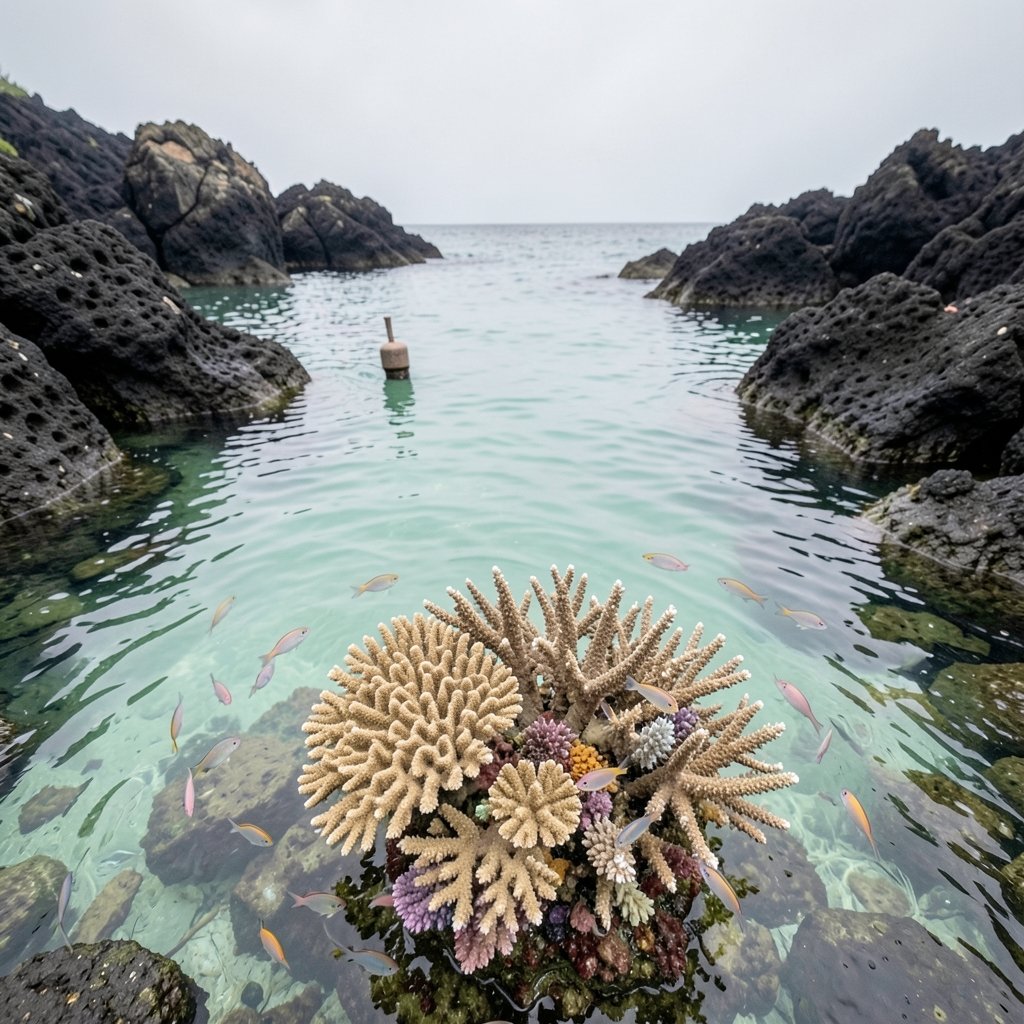
Shark’s Cove lies inside the Pūpūkea Marine Life Conservation District, a protected area established by the State of Hawaii. An MLCD is not a park in the usual sense. It is a management designation that restricts fishing and the taking of marine life so that populations can recover and stay healthy.
What does that mean for a visitor? Practically, it means the cove is not a place to collect shells, pocket rocks, or chase fish. It also means the underwater life you see there is unusually approachable, because generations of fish have grown up without being hunted. That is a big part of why the snorkeling is so good.
The protection cuts both ways for the visitor experience. More fish means more people want to see them, and heavy visitation puts pressure on a fragile reef. Standing on coral, kicking up sediment, and touching marine life all cause damage that takes years to undo. The practical rule that actually works: float, don’t stand. If you need to rest, find sand or bare rock, never live coral.
Snorkeling and Diving: What You Will Actually See
The cove rewards patience. On a calm day with good visibility, snorkelers can drift over rocky ledges and see schools of reef fish, sea turtles, and the occasional octopus tucked into a crevice. Shore divers go deeper along the outside edge, where the terrain drops away and the surge becomes a real factor.
A few practical points that separate a good visit from a frustrating one:
- Enter where you can see the bottom. Watch the water for a few minutes before getting in. If you can’t see the rocks under the surface, you can’t judge the entry.
- Snorkel the inside of the cove first. The sheltered, shallow water is where beginners belong. The outside edge is for confident swimmers and divers.
- Wear reef-safe protection. A rash guard and fins beat sunscreen-slathered skin, both for you and for the water.
- Go early. Parking is limited and roadside, and the cove fills up fast on calm days.
If you’re the type who likes to plan a trip around a single activity, the cove is worth building a morning around. Just don’t treat it as a guaranteed swim. Conditions decide that, not your itinerary.
The Real Hazards: Surge, Rock, and Changing Water
Here is the part that deserves the most attention. Shark’s Cove is not a swimming pool, and it does not behave like one.
Surge is the biggest issue. Even on days that look calm from the highway, water pushes through the rocky channels with real force. Surge can knock you into rock, sweep you off a ledge, or pin you against the limestone. It changes minute to minute, and it is worst close to the rocks, which is exactly where snorkelers tend to hover.
Sharp rock is the second issue. The limestone is abrasive and unforgiving. Cuts and scrapes are common, and they happen most often at the entry and exit point, when people are tired and careless. Booties or sturdy water shoes help a lot.
Winter surf is the third. On Oahu’s North Shore, large northwest swells arrive mainly between roughly November and March. During big swells the cove can become dangerous or effectively unusable for casual snorkeling. Locals know this and stay out. Visitors who booked their trip months in advance often don’t, and that mismatch causes problems.
Lifeguards and ocean safety agencies consistently advise caution here and warn that conditions change quickly. That advice is not boilerplate. It reflects a pattern of rescues and injuries at a site that looks tamer than it is. If you want a broader picture of how quickly a bad screen or a bad assumption can derail a day, the same principle of preparing for failure applies to tech problems too, as this step by step recovery plan for a black screen on Windows 11 illustrates. Preparation beats panic, whether you’re on a reef or at a keyboard.
A Simple Conditions Checklist
Before you get in the water, run through this:
- Check the surf forecast for the North Shore for the day and the next.
- Look at the water for several minutes from shore. Count the sets.
- Ask a lifeguard if one is present. If none is present, be more conservative, not less.
- Decide on an exit point before you enter, not after you’re tired.
- Never enter alone, and never enter if you’re unsure.
When to Go and When to Stay Out
Timing is the single biggest factor in whether Shark’s Cove is a delight or a mistake. Summer months generally bring calmer water on the North Shore, which is why the cove is busiest then. Winter brings the famous surf that makes the North Shore a pilgrimage site for surfers and a no-go zone for casual snorkelers.
| Season | Typical Water Conditions | Best For | Caution Level |
|---|---|---|---|
| Summer (roughly May–September) | Calmer, clearer, smaller swell | Snorkeling, families, beginners | Moderate |
| Shoulder months | Mixed, changeable | Flexible swimmers | Moderate to high |
| Winter (roughly November–March) | Large northwest swells, strong surge | Watching surf, not entering | High |
Even in summer, a single day can flip. A distant storm can send swell energy that arrives without warning. This is why checking the forecast on the morning of your visit matters more than any seasonal rule of thumb.
There is a broader lesson here about assumptions and risk that shows up in lots of contexts. People tend to plan for the average day and get caught by the outlier. The same thinking that sinks a cloud disaster recovery plan that looked fine on paper sinks a snorkeling trip: nobody planned for the day the conditions were unusual. Good cloud disaster recovery best practices that actually survive contact with reality start with assuming things will go wrong. So does a good day at the cove.
Common Mistakes Visitors Make
A few errors come up over and over at rocky North Shore sites like this one.
Treating the cove as a beach. There is no lifeguard-patrolled sandy bottom to wade into. The entry is rock, and the water gets deep fast in places. People arrive expecting a gentle lagoon and get a rocky, surging inlet.
Ignoring the forecast because the sky is blue. Sunny skies say nothing about swell. A gorgeous day with a big northwest swell is a dangerous day at the cove.
Going in alone or without fins. Fins give you control in surge. A buddy gives you a second set of eyes and a rescue option.
Standing on the reef. It damages the very thing you came to see, and it’s how people get cut.
Arriving late and parking badly. Roadside parking near the cove is limited. Late arrivals end up walking farther and sometimes making unsafe choices about where to leave the car.
Underestimating the exit. Getting out of surging water onto slippery rock is harder than getting in. Save energy for it.
If you’re traveling with a phone full of photos and a habit of relying on it, it’s also worth knowing how to handle a device failure mid-trip. A guide to recovering deleted photos on Android with realistic expectations is more useful before you lose them than after. And if a device gets compromised while you’re traveling, knowing how to remove malware from an Android phone step by step saves a lot of grief.
Respecting the Protected Area
The Pūpūkea Marine Life Conservation District exists because the reef here is worth protecting. Visitors who understand that tend to have better experiences, because they slow down and look instead of splashing through.
Practical respect looks like this: don’t feed fish, don’t touch turtles, don’t take anything, and don’t chase marine life for a photo. Keep your distance and let animals come to you. Use reef-safe sun protection. Pack out everything you bring. And if the water is crowded, wait or come back another day. The reef isn’t going anywhere, but the pressure on it is real.
This is also a good place to mention that the cove’s popularity has costs. Heavy foot traffic on limestone, sediment kicked up by hundreds of fins, and occasional careless handling of wildlife all add up. Small choices by many people determine whether the protection designation actually means anything.
Getting There and What to Expect
The cove is reached from Kamehameha Highway (Route 83) on the North Shore, near the Pūpūkea area and close to Waimea Bay. Parking is roadside and limited, so arriving early matters. Facilities are minimal compared with a full-service beach park. Bring water, sun protection, and anything you need, and carry out your trash.
Expect crowds on calm summer days, especially late morning onward. Expect the cove to be nearly empty during big winter swells, and understand that the emptiness is a warning, not an invitation.
Conclusion
Shark’s Cove is one of the most rewarding shore snorkeling sites in Hawaii, and one of the least forgiving if you show up unprepared. The formula that works is simple: go in the calmer months, arrive early, check the surf forecast the morning of your visit, enter where you can see the bottom, float instead of standing, and leave the reef exactly as you found it. The cove sits inside a protected marine district, which is why the fish are abundant and approachable. That protection only holds if visitors treat it as a privilege rather than an attraction. Go with respect and good timing, and the cove will show you why it earned its reputation.
Frequently Asked Questions
Is Shark’s Cove safe for beginners?
It can be, but only under the right conditions. On calm days with good visibility, the sheltered inside of the cove is manageable for confident beginners who can swim. On days with surge or winter swell, it is not a beginner site at all. Check conditions first, watch the water before entering, and never go alone.
What is the best time of year to snorkel at Shark’s Cove?
The calmer months, roughly May through September, generally offer the best snorkeling conditions on Oahu’s North Shore. Winter brings large northwest swells that can make the cove dangerous or unusable for casual snorkeling. Conditions can still change on any given day, so check the forecast the morning of your visit.
Can you swim at Shark’s Cove?
Yes, but it is a rocky inlet rather than a sandy swimming beach. There is no gentle sandy entry, and the water can surge strongly against the rocks. Swimmers should be comfortable in open water, use fins for control, and stay inside the more sheltered parts of the cove.
Why is it called Shark’s Cove?
The origin of the name is not firmly documented, and popular accounts differ. Visitors should treat the various explanations they hear as folklore rather than settled fact. The name does not mean sharks are a particular hazard there; the real risks are surge, sharp rock, and changing surf.
Is fishing allowed at Shark’s Cove?
The cove lies within the Pūpūkea Marine Life Conservation District, which restricts fishing and the taking of marine life. Visitors should not collect shells, rocks, or marine life, and should not feed or touch animals. Check current state rules before any activity that involves taking anything from the water.
What should I bring to Shark’s Cove?
Bring water shoes or booties for the rocky entry, fins for control in surge, a rash guard for sun protection, drinking water, and a plan for carrying out your trash. Parking is limited and roadside, so arrive early. A buddy matters more than any piece of gear.



