
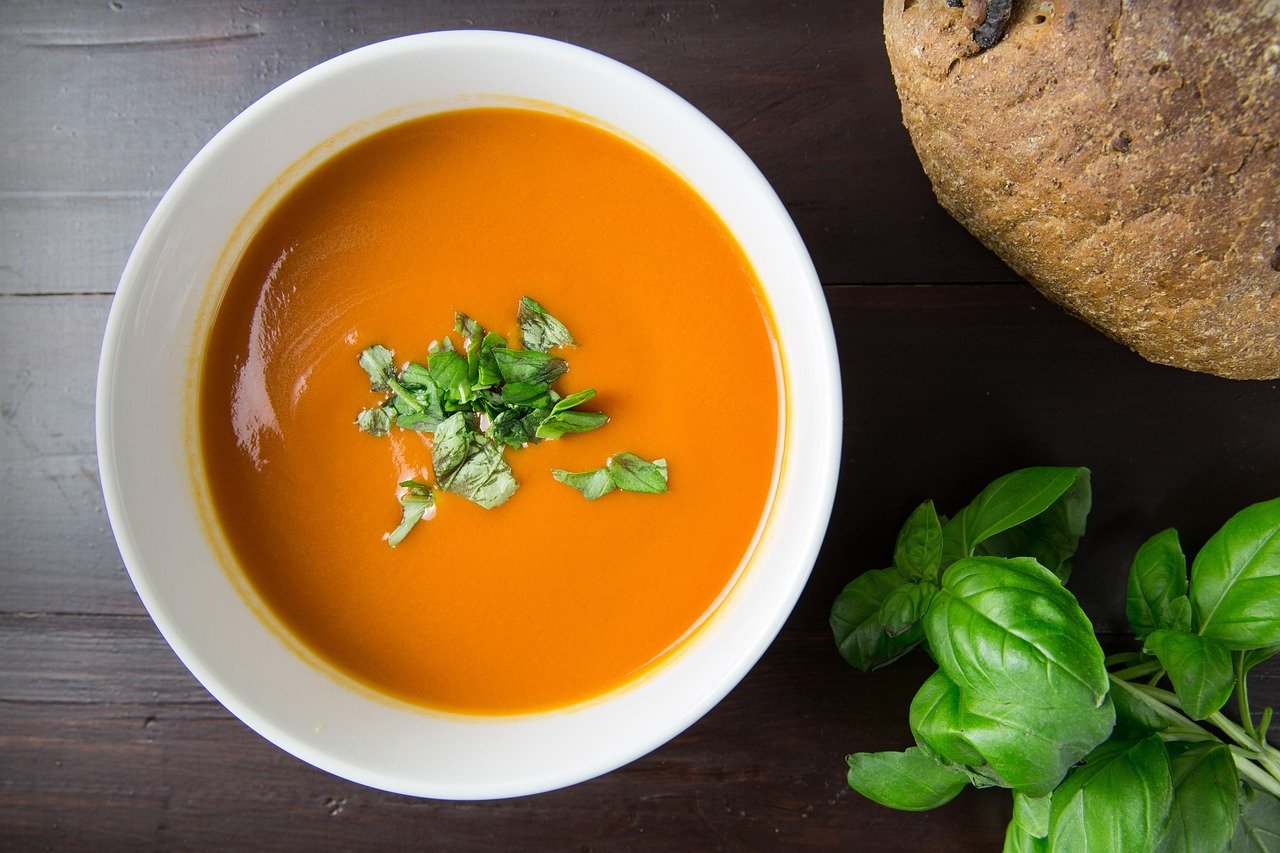
Few cravings are as urgent as the one for soup. It arrives on a cold afternoon, during a head cold, or after a long week when nothing sounds better than something warm and salty. So the phone comes out, and the search begins: soup near me. The results look promising until you realize half of them are from a chain that stopped serving soup in 2022, and the other half are twenty minutes away in traffic. (Soup)
That gap between what a search engine shows and what is actually ladled into a bowl is the whole problem. This guide walks through how local search really behaves, which sources of information are worth trusting, how to judge a soup spot before you commit, and the mistakes that send people to the wrong restaurant again and again.
Why “Soup Near Me” Results Vary So Much
The phrase near me is not a location. It is a signal. Search engines and map apps infer where a person is from GPS, Wi-Fi networks, or IP address, then blend that guess with personal history, saved places, and past clicks. Two people standing on the same corner can get different lists for the same words.
That has a few practical consequences worth internalizing:
- Results are personalized and not reproducible, so a screenshot from a friend may not match what appears on another phone.
- “Open now” data goes stale. Hours change, kitchens close early when they run out, and holiday schedules are rarely updated in time.
- Listings are ranked partly by proximity and prominence, not by food quality. A mediocre shop with a complete profile can outrank a beloved one that never claimed its listing.
- The word “soup” is a weak query signal. A restaurant may serve excellent pho, ramen, or lentil soup without ever using the word on its menu page.
The fix is to treat the first search as a starting point, not an answer. Cross-check any candidate against a second source before getting in the car.
Match the Soup Style Before You Match the Distance
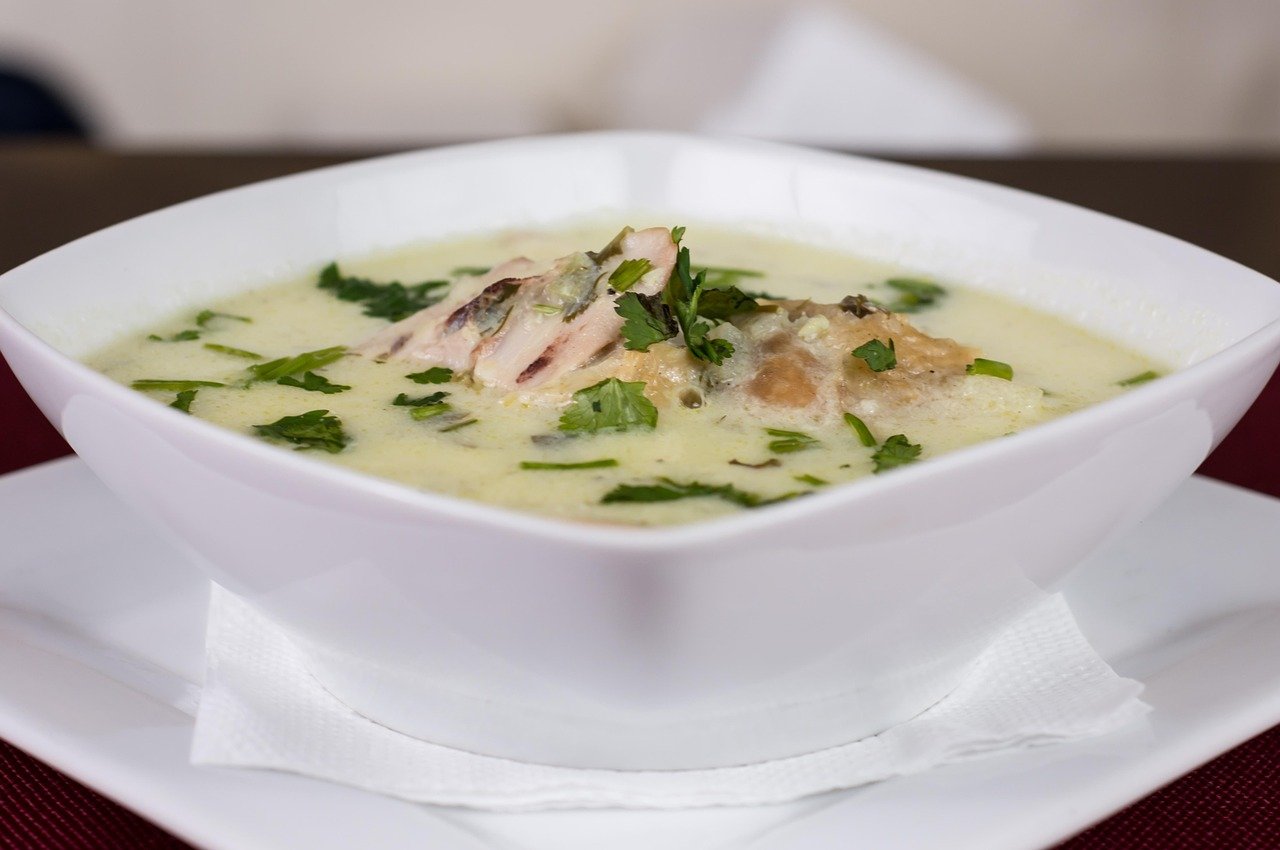
“Soup” covers an enormous range, and the best destination depends entirely on which kind of bowl is wanted. Someone craving a clear, brothy bowl will be unhappy at a cream-based chowder house, and vice versa. Narrowing the style first often matters more than shaving five minutes off the drive.
| Craving | What to search instead of “soup” | What to expect |
|---|---|---|
| Clear, aromatic broth | pho, ramen, noodle soup | Fast service, often counter-style, long hours |
| Thick and hearty | chowder, stew, chili, lentil soup | Filling portions, good for cold weather |
| Light and fresh | gazpacho, tom yum, vegetable broth | Seasonal, sometimes only in warmer months |
| Comfort and familiarity | chicken noodle, matzo ball, minestrone | Diner and deli territory, usually inexpensive |
| Something shared | hot pot, fondue-style broth | Slower meal, group setting, reservations helpful |
Once the style is clear, the search becomes far more specific. Instead of a generic query, use the dish name plus the neighborhood. This is the same logic that makes a targeted search work for other food cravings, whether someone is hunting for the best Thai food near me or comparing empanada de jamon y queso spots. Naming the dish filters out places that technically serve soup but not the soup anyone actually wants. (Leftovers and Food Safety)
Read Reviews Like an Investigator, Not a Shopper
Star ratings are a blunt instrument. A 4.6 average built from 40 reviews means something quite different from a 4.2 built from 900. The useful information lives in the text, and it usually shows up in patterns rather than single opinions.
Practical habits that work:
- Sort by newest, not most helpful. Recent reviews reflect the current kitchen. A glowing review from three years ago may describe a different chef.
- Search reviews for the dish. Many platforms let a reader scan for a keyword. If nobody mentions the soup, that is a signal in itself.
- Look for repeated complaints. One person calling the broth bland is noise. Five people saying it is lukewarm is a pattern.
- Weight reviews from locals and regulars. Long, specific reviews that mention portion size, wait time, and staff tend to be more reliable than one-line ratings.
- Check photos with dates. A bowl photographed last week tells more than a menu description ever will.
One more thing: a low rating from someone upset about parking is not a food review. People rate the whole experience, and it helps to mentally separate service complaints from kitchen complaints.
The Food-Safety Question Nobody Asks
Soup sits in a category that food-safety professionals watch closely, because broth is moist, often held warm for hours, and frequently cooled and reheated. The standard guidance from public health authorities is built around temperature control: hot holding above a set threshold, rapid cooling, and limited time in the temperature range where bacteria multiply fastest. Readers who want the underlying rules can review the temperature danger zone guidance from the USDA Food Safety and Inspection Service, which explains the ranges and time limits in plain language.
What does that mean for a customer? A few observable things:
- Soup that arrives barely warm is a legitimate reason to send it back or leave.
- Steam is a good sign; a still surface with no heat rising is not.
- Busy, high-turnover places are usually safer for held foods than quiet ones, because the pot gets emptied and refilled.
- During a heat wave, a shop with no visible refrigeration for its ingredients deserves a second look.
None of this requires being paranoid. It simply means paying attention to the physical bowl in front of you rather than the marketing on the window.
Practical Tips That Save Time and Disappointment
Experience teaches a handful of shortcuts that no listing page will mention.
Call ahead for the daily soup. Many kitchens rotate soups by the day, and the menu online is often a generic PDF. A thirty-second phone call answers the only question that matters.
Ask when the soup was made. Staff generally know. If the answer is vague, that is information too.
Go at the right hour. Soup made in the morning is at its best around lunch. By late afternoon, a pot that has been held warm for hours loses texture and depth. Arriving right at opening or during the lunch rush usually beats a 4 p.m. visit.
Watch for the “soup of the day” trap. A rotating soup can be excellent or it can be a way to use up vegetables. Reviews that track the rotation over time are gold.
Check the sides. Bread, crackers, or a scoop of rice tell you how seriously a place treats its soup. A spot that serves a great broth with stale bread is telling you something about attention to detail.
Consider the takeout problem. Soup travels badly. If the plan is to eat at home, ask whether containers are sealed and whether the broth is packed separately from noodles, which otherwise turn to mush in transit.
Know the neighborhood rhythm. A place that is packed at noon on a Tuesday is a different bet than one that is empty. Local knowledge compounds, and it is worth building a short personal list of reliable bowls rather than starting from scratch every time. The same principle applies to other local searches, such as finding a trustworthy garage door repair near me professional; a shortlist built from verified sources beats a fresh scroll every time.
Beyond Restaurants: Community and Free Meal Options
Not every search for soup is a restaurant search. Some people are looking for a hot meal they can afford, or for a place to volunteer. That is a different kind of query, and it needs different sources.
Community meal programs, faith-based kitchens, and municipal food resources often do not appear high in commercial search results because they do not compete for the same keywords. Better places to look include:
- Local government and public health department pages, which frequently publish meal-site directories.
- Municipal 211 or community information lines, which maintain current lists of food resources by zip code.
- Food bank networks, which usually list partner agencies that serve prepared meals in addition to groceries.
- Libraries and community centers, which post printed schedules and often know which kitchens are open on which days.
Anyone searching this way should confirm hours by phone. Volunteer-run kitchens change schedules often, and a wasted trip is especially frustrating when the need is immediate.
Common Mistakes That Waste a Trip
A short list of errors that show up again and again:
- Trusting a single platform. Cross-check hours and existence on a second source, ideally the business’s own page or a phone call.
- Ignoring the season. Some soups are seasonal, and a summer visit for a heavy stew may end in disappointment.
- Assuming a cuisine equals a dish. Not every ramen shop does takeout broth well, and not every diner makes its own soup.
- Overlooking the deli counter. Grocery stores with prepared-food counters often serve excellent soup at low prices, and they rarely rank well in searches.
- Forgetting dietary needs. Broth is often made with meat or fish stock even in vegetable soups. Anyone avoiding certain ingredients should ask directly rather than rely on a menu label.
- Chasing a viral recommendation. A place that went viral last month may now have a two-hour line and a kitchen that is cutting corners to keep up.
The counter-move is simple: verify, call, and go slightly out of your way for a place with a specific reputation rather than a generic high rating. That habit carries over to almost any local search, whether the goal is a bowl of soup, a good salad (the best salads near me search has its own pitfalls), or a weekend of browsing secondhand shops and the best thrift stores near me.
How to Build a Personal Shortlist
The most reliable system is not an app. It is a short, maintained list.
Start with three or four candidates in different categories: a fast, cheap option for weekday lunches; a sit-down place for a proper meal; a grocery counter for takeout; and one backup that is open late. Note the soup each one does best, the hours, and whether takeout holds up. Update the list when something changes.
Then, when the craving hits, there is no scrolling, no guessing, and no disappointment. The decision takes ten seconds, and the soup is hot when it arrives.
Conclusion
Searching for soup nearby looks trivial and turns out to be a small research problem. Location signals are guesses, listings go stale, and ratings measure the whole experience rather than the broth. The people who consistently end up with a good bowl are the ones who narrow the style first, verify hours with a phone call, read recent reviews for patterns instead of stars, and pay attention to whether the soup is actually hot when it lands on the table. None of that takes long, and all of it beats driving across town on the strength of a thumbnail photo.
Frequently Asked Questions
Why do “soup near me” results differ between two phones?
Search engines infer location from GPS, Wi-Fi, and IP address, then blend in personal history and saved places. Two people in the same spot can therefore see different rankings. Treat the first result as a suggestion and confirm details with a second source.
Is it safe to order soup that has been sitting out all day?
It depends on how it was held. Hot food needs to stay above a safe holding temperature, and long stretches in the warm middle range are where risk grows. If a bowl arrives lukewarm rather than steaming, send it back or choose somewhere else.
What is the best time of day to get fresh soup?
Late morning through the lunch rush is usually best, because the pot was made that day and is being turned over quickly. Soup held warm through a slow afternoon loses texture and flavor, and some kitchens stop replenishing once the lunch crowd clears.
How can I find free or low-cost soup in my area?
Look at local government and public health department pages, municipal 211 lines, food bank partner lists, and community center notice boards. These resources rarely rank well in commercial searches, so call ahead to confirm hours before making the trip.
Do online menus reliably show the soup of the day?
Rarely. Many listings use a generic menu file that is updated once a year, and daily soups rotate far more often than that. A quick phone call is the fastest way to confirm what is actually in the pot.
What should I check before ordering soup for takeout?
Ask whether the broth and noodles are packed separately, whether containers are sealed well, and how far you are traveling. Soup loses heat fast and noodles soften in transit, so a short trip or a separate-packing policy makes a real difference.



