

Can a car really fire cold-gas thrusters at 5,500 psi while the driver taps a touchscreen? That question drives the loudest Tesla Roadster) rumors online. The second-generation Roadster, first shown as a concept in November 2017, has drawn heavy speculation. Claims about a “SpaceX package,” high-pressure thrusters, and a 2026 “boost ready” launch circulate on forums and social feeds with almost no sourcing. This article separates what Tesla has actually said from what fans have invented, and explains why the gap matters if you are considering a deposit, a reservation, or simply following the story.
What Tesla Has Actually Confirmed About the Roadster
Tesla unveiled the Roadster concept in November 2017 with headline performance targets: 0–60 mph in under two seconds, a 200 kWh battery pack, and a range target of roughly 620 miles. Elon Musk also described an optional SpaceX package that would add cold-gas thrusters, using compressed air, to improve acceleration, braking, and cornering.
That is the extent of the official record. Tesla has not published a specification sheet listing thruster pressure, screen size, or a locked production date. The company’s own investor materials and regulatory filings are the only places where timing claims carry real weight, and those documents have repeatedly shifted the Roadster’s schedule. Anyone quoting a precise pressure figure as fact is quoting something other than Tesla.
Where the 5,500 psi Number Comes From
The 5,500 psi figure is the most repeated and least verified detail in the whole story. No Tesla press release, owner’s manual, or spec page has confirmed it. The number appears to have spread through enthusiast discussion, speculative reporting, and repetition, which is how unverified figures usually become “facts” online.
Here is the practical problem with the claim. Storing compressed gas at 5,500 psi in a passenger vehicle is an engineering and regulatory challenge, not a marketing bullet. High-pressure vessels need certification, crash protection, and inspection regimes. Cold-gas thrusters also consume propellant, so a road car would need a refill strategy that Tesla has never described publicly. None of this makes the idea impossible. It makes an unconfirmed pressure number a bad basis for any buying decision.
A useful habit: when you see a spec, ask which document it came from. If the answer is “a forum post” or “a video,” treat it as a rumor. For background on how the Roadster’s timeline has slipped, see our coverage of the Tesla Roadster 9 year delay against EV rivals.
The Touchscreen Question
Tesla vehicles are built around a central touchscreen, so a large display in the Roadster is a reasonable expectation. But no verified specification exists for the Roadster’s screen size, layout, or interface. Claims about a specific diagonal measurement or a dual-screen cockpit are speculation.
What is fair to say is that Tesla’s design language points toward minimal physical controls and heavy software integration. If you are trying to picture the interior, look at the current Model S and Model X refresh rather than at concept sketches. Concept cars routinely ship with features that never reach production, and the 2017 Roadster show car was a prototype, not a production build.
Why “Boost Ready 2026” Is Not an Official Statement
“Boost ready 2026” reads like a product milestone. It is not one Tesla has confirmed. The Roadster was originally expected around 2020, and the date has moved repeatedly since. Any 2026 timing claim should be checked against Tesla’s most recent shareholder deck or quarterly earnings call, not against a headline.
This matters because Tesla runs several hardware programs in parallel, and each one competes for engineering attention. The company has publicly discussed the robotaxi, the Semi, and the next Roadster in the same breath. Our breakdown of Tesla’s robotaxi, Semi, and Roadster hardware bets explains how those priorities interact. When resources are split, the lowest-volume product usually waits.
A quick reality check table
| Claim | Status | What to do |
|---|---|---|
| Cold-gas thruster option | Described by Musk in 2017–2018 | Treat as announced concept, not a spec |
| 5,500 psi operating pressure | Unverified | Ask for a Tesla or regulatory document |
| Large central touchscreen | Plausible, unspecified | Compare with current production Teslas |
| “Boost ready” in 2026 | Not an official Tesla phrase | Check Tesla IR and SEC filings |
| 0–60 mph under 2 seconds | Company target from 2017 | Target, not a tested production figure |
The Engineering Reality Behind Cold-Gas Thrusters
Cold-gas thrusters are not exotic technology. Spacecraft have used them for decades for attitude control, and the physics is simple: release compressed gas in one direction, and the vehicle gets a push in the other. The engineering difficulty sits in the plumbing, the tank, and the safety case. (National Highway Traffic Safety Administration)
For a road car, three constraints dominate:
- Storage. A high-pressure tank adds mass and occupies space that a 200 kWh battery pack already claims.
- Duration. Thrusters only help while propellant lasts, so the benefit is a short burst, not sustained performance.
- Regulation. Pressure vessels in passenger vehicles face crash-testing and certification requirements that vary by market.
None of these rules out a limited-run performance feature. They do explain why Tesla has stayed quiet on specifics. For a broader look at how the company handles high-visibility product reveals, the history of the Tesla Roadster unveiling planned for October 15 is instructive.
How to Verify Tesla Claims Yourself
The single most useful skill here is knowing where primary sources live. Tesla publishes investor materials through its investor relations page, and material disclosures land with the SEC in quarterly and annual filings. Regulatory certification, when a production vehicle exists, appears through the NHTSA. Patents assigned to Tesla appear in public patent databases.
A practical checklist:
- Check the date. A 2018 statement about thrusters is not a 2026 commitment.
- Check the speaker. Musk’s posts are announcements, not specifications.
- Check the document type. A shareholder deck carries more weight than a forum thread.
- Check for a parts number or certification. Real production features leave paper trails.
If a claim survives all four checks, it is worth repeating. If it fails at step one, it is a rumor. You can read more about the wider corporate picture, including the Tesla and SpaceX merger discussion ahead of the December 6 AGM, to see how speculation about Tesla’s structure spreads in similar ways.
Common Mistakes Buyers and Fans Make
The most frequent error is treating an announced concept as a locked specification. The 2017 reveal was a promise of intent, and Tesla has revised its own dates many times since. A second mistake is assuming that a striking number, like 5,500 psi, must be real because it is precise. Precision is easy to invent.
A third mistake is ignoring the reservation mechanics. Tesla has taken Roadster reservations, and reservation holders are exposed to timing risk. Anyone weighing a deposit should read the terms carefully and treat the money as committed for an unknown period.
Finally, watch for recycled content. A single unverified claim can appear on dozens of sites within days, each citing the others. That pattern creates the illusion of confirmation. The fix is simple: trace every claim back to a primary source or drop it.
What the Competition Is Doing While the Roadster Waits
The delay has a cost. Since 2017, the performance EV market has filled with credible alternatives from established automakers and newer brands, many of them shipping today. Buyers who wanted a fast electric sports car in 2021 had options. Buyers in 2026 will have more.
That competitive pressure shapes how the Roadster’s specs should be read. A 0–60 time under two seconds was extraordinary in 2017. It is now a benchmark several manufacturers chase. Thruster assist would still be distinctive, but distinctiveness is not the same as a shipping product. Our analysis of the Roadster’s nine-year delay against EV rivals digs into how the competitive landscape shifted.
Reading the Signals: What Would Confirm a Real Launch
If the Roadster is genuinely approaching production, several signals should appear before any customer car does. Watch for these in order:
- A certified battery and powertrain appearing in regulatory filings.
- Supplier disclosures referencing Roadster-specific components.
- Tooling investment mentioned on an earnings call.
- A firm date stated in a shareholder deck rather than a social post.
- Press drives with production-spec vehicles.
Until at least the first two appear, a 2026 date is a hope, not a plan. The same discipline applies to adjacent Tesla stories, from the Megapack line reportedly near sold out through 2027 to supply-chain rumors elsewhere in the EV world, such as early reports of iPhone display damage after fewer than 20 folds. Speculation travels fast in every tech sector.
Why the Thruster Story Resonates
There is a reason this particular rumor refuses to die. Cold-gas thrusters connect a road car to rockets, and that narrative is central to Tesla’s brand. It also gives the Roadster a story no rival can copy quickly. The appeal is emotional, and emotional claims spread faster than technical ones.
That is exactly why readers need a filter. A striking idea can be true and still be years from production. The honest position is that Tesla described a thruster option in broad terms, has not published pressure specifications, and has not confirmed a 2026 launch date. Everything beyond that is inference.
Conclusion
The Tesla Roadster story is a case study in how a real announcement becomes an unverified specification. Tesla did describe a cold-gas thruster option. Tesla has not confirmed a 5,500 psi operating pressure, a specific touchscreen size, or the phrase “boost ready” for 2026. Those details live in the space between a concept and a product, and that space is where rumors thrive.
The practical takeaway is straightforward. Treat announced concepts as intent, treat precise numbers without documents as noise, and check Tesla’s investor relations page and SEC filings before believing any launch date. If the Roadster arrives with thrusters and a big screen, the primary sources will say so first. Until then, the smart move is patience and a healthy skepticism toward any spec that cannot be traced to a filing.
FAQ
Is the 5,500 psi thruster figure officially confirmed by Tesla?
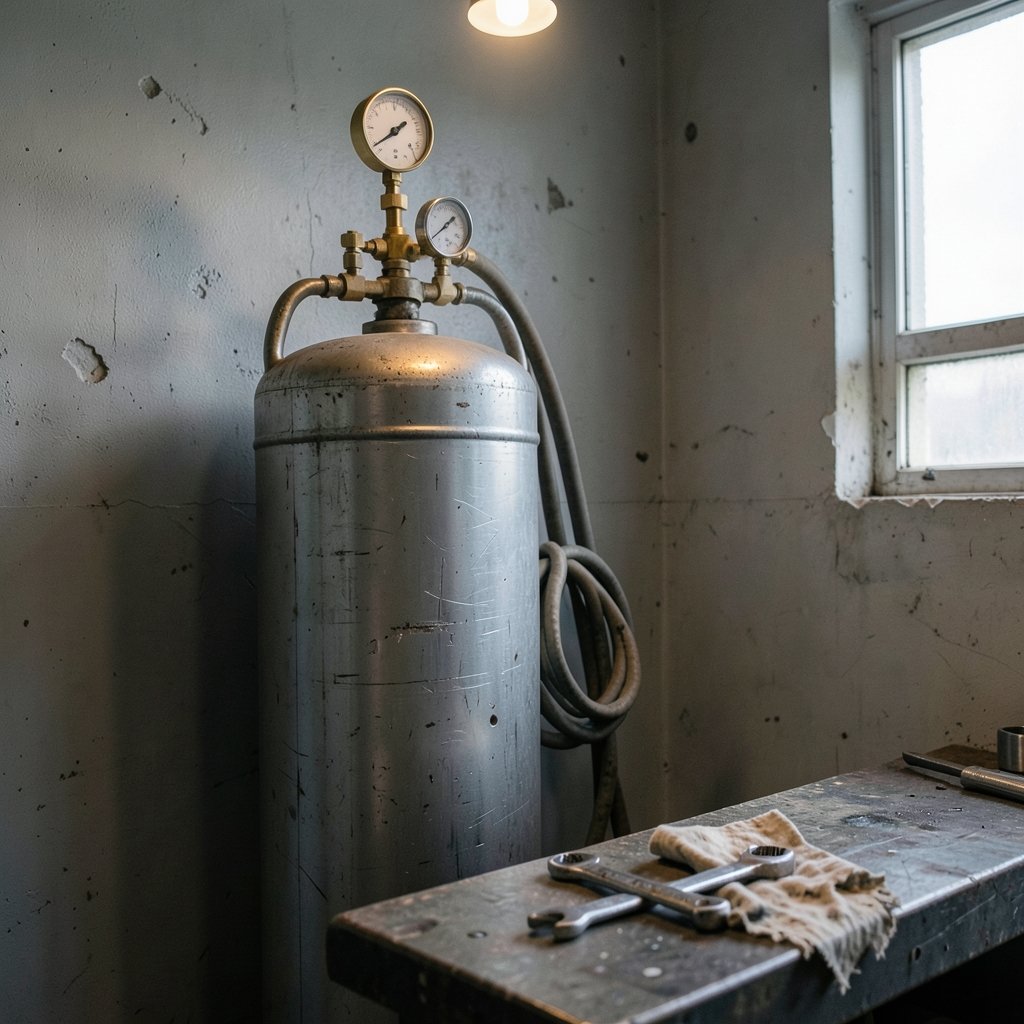
No. Tesla has not published a pressure specification for the Roadster’s thruster option. The figure circulates in enthusiast discussion and speculative reporting, but no Tesla press release, spec sheet, or regulatory filing confirms it. Treat it as unverified until a primary document appears.
Did Tesla actually announce thrusters for the Roadster?
Yes, in broad terms. Elon Musk described an optional SpaceX package involving cold-gas thrusters, using compressed air, to aid acceleration, braking, and cornering around the 2017–2018 period. Tesla has not published detailed engineering specifications since then.
What does “boost ready 2026” mean?
It is not an official Tesla phrase. It appears to be fan or media shorthand for the idea that the Roadster will launch with thruster capability in 2026. Tesla has not confirmed a 2026 production date, and the Roadster’s schedule has shifted repeatedly since the 2017 concept reveal.
How big is the Roadster’s touchscreen?
There is no verified specification. Tesla builds its vehicles around a central touchscreen, so a large display is a reasonable expectation, but no confirmed size, layout, or interface detail has been published for the production Roadster.
Where can I check Tesla’s official Roadster claims?
Start with Tesla’s investor relations materials and the company’s quarterly and annual filings with the SEC. Those documents carry legal weight. Regulatory certification, once a production vehicle exists, appears through NHTSA. Anything that cannot be traced to those sources should be treated as speculation.
Should I place a reservation based on 2026 timing rumors?
That is a personal financial decision, and timing rumors are a weak basis for it. Reservation holders face unknown delivery dates. Read the terms carefully, assume the wait could be long, and do not commit money you may need sooner.



