

What if the most overlooked feature in a vacuum cleaner is the one you throw away? Bags have a reputation problem. They feel old-fashioned next to sleek bagless bins, and plenty of shoppers assume bagged machines are weaker, fussier, and more expensive to run. Yet bagged vacuums keep showing up at the top of test results, especially for carpet cleaning and dust containment. The catch is that “top rated” means almost nothing on its own. Ratings depend on who ran the test, when they ran it, and what they measured. This guide cuts through the rankings and explains what genuinely separates a great bagged vacuum from a mediocre one, so you can judge a label instead of trusting it.
Why bagged vacuums keep earning top marks
A bag is a sealed dust container. When you empty a bagless bin over a trash can, a small cloud of fine dust goes back into the air. A bag holds that dust until you remove it, which is why bagged machines are often recommended for people with allergies. No vacuum eliminates allergens, but source control matters, and a sealed bag supports it.
The second advantage is suction consistency. In a bagless vacuum, a clogged or dirty filter chokes airflow, and performance drops as the bin fills. In a bagged machine, the bag itself acts as the primary filter, and many models are designed so airflow stays steady until the bag is nearly full. That is an engineering trade-off, not a magic trick, but it shows up in real use: a bagged vacuum often cleans as well in week six as it did on day one.
The trade-offs are real too. Bags cost money, they are model-specific, and you need a spare on hand or the vacuum becomes a paperweight. A bagged vacuum also cannot match the “never buy consumables” appeal of a bagless model. Whether that matters depends on how you weigh convenience against dust exposure and steady performance.
What “top rated” really means, and why it changes
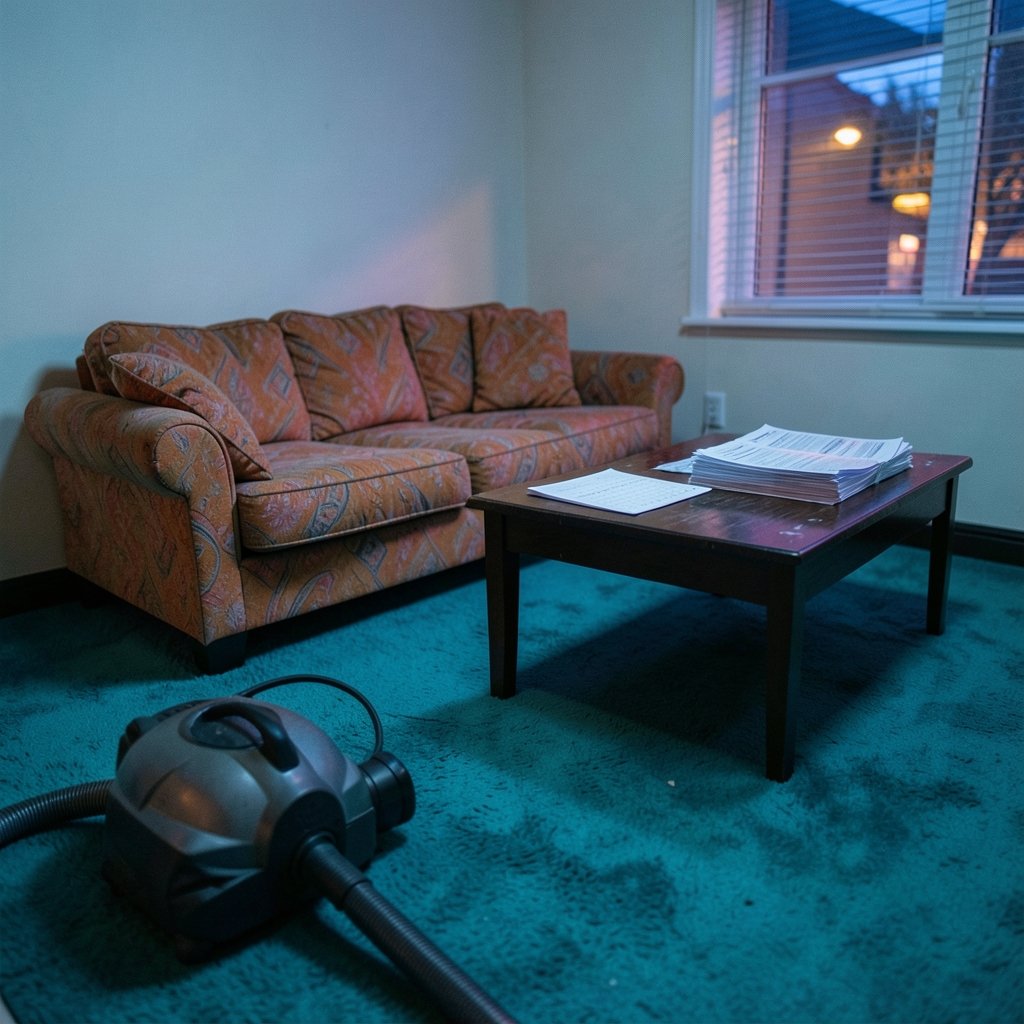
Here is the uncomfortable truth about rankings: they are publication-specific and date-specific. Consumer Reports, Wirecutter, and similar outlets publish ratings that get revised with every test cycle. A model that topped a list two years ago may have been discontinued, replaced by a revised version, or beaten by a newer machine. Any “top rated” claim worth trusting names the tester and the test date.
The same applies to lab standards. Carpet cleaning performance is measured against standards such as ASTM F2607 for carpet soil removal and IEC 62885-2 for air data and dust pickup. A rating that does not name a standard is harder to compare against another rating. When you see a number, ask what was measured and how.
Then there is the HEPA problem. The HEPA definition requires removing at least 99.97% of particles 0.3 micrometers in diameter. But a vacuum with a HEPA filter is not automatically a HEPA vacuum. What matters is whether the whole unit is sealed and certified; a label on the filter media does not settle the question. Marketing often blurs that line.
| Claim on the box | What it actually tells you |
|---|---|
| “HEPA filter” | The filter media meets a particle-removal spec |
| “HEPA sealed system” | The whole unit is designed to keep dust inside |
| “Top rated” | Someone ranked it, somewhere, at some point |
| “Tests to ASTM F2607” | Carpet soil removal was measured to a known standard |
| “Quiet operation” | Meaningless unless measured at a stated distance and standard |
How to read a bagged vacuum rating like a skeptic
Start with the source. A retailer’s “top rated” badge usually reflects customer reviews, which are useful for durability complaints and useless for measured cleaning performance. A lab rating reflects controlled testing but may not match your home. The best approach is to combine both: use lab results to narrow the field, then use owner reports to check for recurring failures.
Next, check the date. Vacuum lines change often, and a review of a 2021 model tells you little about the 2025 version even if the name is identical. Look for the test date and the specific model number; the brand alone is insufficient.
Third, look for the standard. If a review mentions carpet soil removal, dust pickup, or noise, check whether it cites a measurement method. Ratings that name a standard are comparable. Ratings that don’t are opinions with better formatting.
Finally, ignore the suction number. Air watts and pascals sell vacuums, but sealed suction and airflow at the nozzle matter more, and neither is easy to compare across brands. A machine with modest specs and a well-designed floor head can outperform a high-spec vacuum with a poor one.
Features that separate the genuinely top-rated from the merely popular
Sealed filtration and bag design
A good bagged vacuum has a gasket or seal where the bag meets the housing, and a bag that closes before you touch it. Look for self-sealing bags and a pre-motor filter that is easy to reach. If the bag collar is flimsy, dust escapes at the worst moment.
Power head and height adjustment
For carpet, the brush roll and height adjustment matter more than raw power. A power head that stalls on plush carpet is a liability. If you have thick pile or a mix of hard floor and carpet, check how the vacuum handles transitions. The same logic applies to the broader question of what makes the best vacuum for carpet genuinely effective, and it rarely comes down to the spec sheet.
Weight, hose length, and reach
A heavy upright that cleans brilliantly but stays in the closet is not top rated in practice. Hose length and wand reach determine whether you actually vacuum stairs and under furniture. Test the weight in a store if you can, or read owner complaints about shoulder strain.
Bag availability and cost
This is the sleeper issue. Bags are model-specific, and a discontinued bag supply turns a great vacuum into e-waste. Before buying, confirm that retailers other than the manufacturer stock the bags. Over several years, bag costs can rival the purchase price, so factor them into the budget rather than treating them as an afterthought.
Repairability and warranty
Belts, brush rolls, and hoses wear out. A vacuum with available parts and a multi-year warranty is a better long-term bet than a sealed unit with no service path. Check third-party repair sources rather than relying on manufacturer pages, which are promotional by nature.
Bagged vs. bagless: an honest comparison
| Factor | Bagged | Bagless |
|---|---|---|
| Dust exposure when emptying | Low, especially with self-sealing bags | Higher, fine dust can escape |
| Suction consistency | Often steady until the bag fills | Drops as filters clog |
| Ongoing cost | Bags, a few dollars each | Filters, plus cleaning time |
| Maintenance | Swap the bag, occasional filter check | Empty bin, wash or replace filters |
| Best fit | Allergy sufferers, carpet-heavy homes | Light use, low-cost ownership |
Neither column wins outright. If you want minimal dust exposure and steady performance, bagged is the stronger choice. If you want to avoid consumables and don’t mind filter maintenance, bagless makes sense. Many households end up with one of each.
Practical tips that save money and frustration
Buy bags in multipacks, but not a lifetime supply before you’ve lived with the vacuum for a month. Keep one spare bag taped inside the vacuum’s storage area, because bags always run out mid-job. Change the bag when it reaches the fill line, not when suction collapses, since overfilled bags strain the motor and can split. Wipe the bag chamber with a damp cloth when you swap bags, and check the pre-motor filter every few months.
If you are comparing a bagged upright against a modern combo unit, it helps to understand where each design wins. A vacuum mop combo suits hard floors and quick touch-ups, while a bagged upright still owns deep carpet cleaning. For homes with both surfaces, the best robot vacuum mop combos that actually clean the floor can handle daily maintenance while the bagged machine does the weekly deep clean. Just don’t expect a robot to replace a full-size bagged vacuum on carpet.
Two maintenance habits matter more than most people realize. First, cut hair and thread off the brush roll regularly, because wrapped hair kills airflow and overheats motors. If long hair is a constant problem in your home, the approach in this guide to robot vacuum long human hair that actually works translates well to upright brush rolls. Second, watch for error symptoms early. A wheel that jams or a machine that stops mid-room is usually a cheap fix if you catch it fast, as covered in this piece on the robot vacuum wheel stuck error and how to fix it fast. Full-size vacuums fail the same way: hair in the wheels, a clogged hose, a full bag.
Common mistakes buyers make
The biggest mistake is buying on the badge. A “top rated” sticker from a retailer is not a test result. The second is ignoring bag logistics until the first replacement is due. The third is choosing a vacuum for the wrong floor type. A machine tuned for hard floors will disappoint on carpet, and vice versa. The fourth is skipping the weight test. And the fifth is assuming HEPA on the filter means HEPA on the machine. A sealed system is the claim that matters, and it should be verified, not assumed.
One more mistake deserves a mention: chasing navigation features on a full-size vacuum. Lidar and camera navigation belong to robots, and the differences between them are significant if you’re shopping for one, as explained in this comparison of robot vacuum lidar vs camera navigation and the key differences to pick. On an upright, spend that budget on a better power head instead.
Conclusion
Top-rated bagged vacuum cleaners earn their reputation for reasons that hold up under scrutiny: sealed dust containment, steady suction, and strong carpet performance. But the ratings themselves are only as good as their source and date. Read the tester, check the standard, confirm the bag supply, and weigh the machine in your hands before you commit. Do that, and the bag stops looking like a throwback and starts looking like the smartest part of the design.
Frequently Asked Questions
Are bagged vacuums better for allergies?
They can be, because a sealed bag traps fine dust instead of releasing it when you empty a bin. That said, no vacuum removes all allergens, and the benefit depends on how well the bag seals and how carefully you change it. Self-sealing bags and a sealed filtration system make the biggest difference.
Do bagged vacuums lose suction as the bag fills?
Less than most people expect, and generally less than bagless models with clogging filters. Airflow stays fairly steady until the bag approaches full, then drops. Changing the bag at the fill line rather than waiting for suction to collapse keeps performance consistent and protects the motor.
How much do replacement bags cost over time?
Bags typically cost a few dollars each and are model-specific, so total cost depends on how often you vacuum and the size of the bag. Over several years, bag costs can approach the purchase price. Check that bags are stocked by multiple retailers before buying any model.
Is a HEPA filter the same as a HEPA vacuum?
No. HEPA describes filter media that removes at least 99.97% of particles 0.3 micrometers in diameter. A HEPA vacuum requires the whole unit to be sealed so air cannot bypass the filter. Look for a sealed-system claim; a filter label alone does not establish that.
Why do “top rated” lists disagree with each other?
Because they test differently and publish on different dates. One outlet may weight carpet pickup heavily while another emphasizes noise or pet hair. Models also get revised or discontinued. Always check which tester, which standard, and which model year a rating refers to.
Are bagged vacuums worth it for carpet?
Often, yes. Bagged uprights with a powered brush roll and height adjustment tend to perform strongly on carpet, and steady airflow helps maintain deep-cleaning performance. For hard floors and quick daily cleanup, a combo or robot vacuum can complement rather than replace one.



