Netflix Viewers May Soon Pay the BBC Licence Fee — Even If They Never Watch the BBC
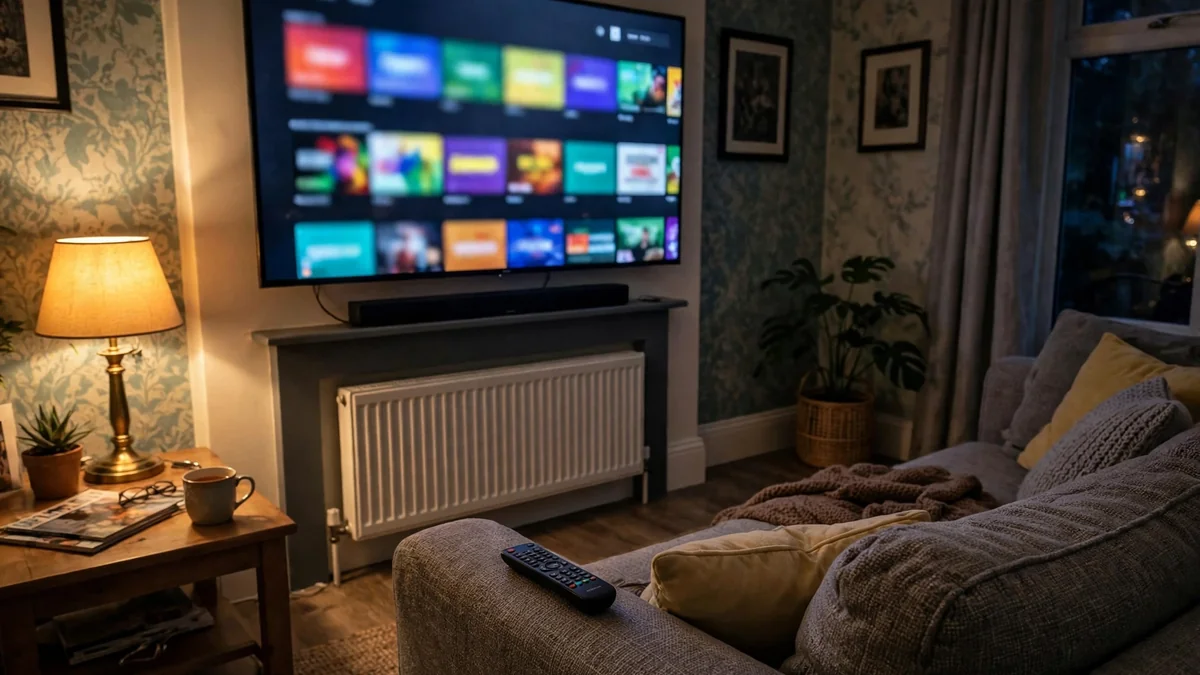
Millions of people in the UK who only watch Netflix, Disney+ or Amazon Prime Video could soon have to pay the BBC licence fee, even if they never watch a single BBC programme. The Sunday Times reported on 28 November that ministers are preparing the biggest overhaul of BBC funding in 80 years, extending the £180-a-year levy to viewers of paid streaming services.
It would not take effect until the next BBC Charter begins, but it would drag millions more households into paying the levy.
The government insists no final decision has been made. This article sets out what is reported, what is confirmed, and what is still undecided.
Key takeaways
- The Sunday Times reports that viewers of Netflix, Prime Video, Disney+, Discovery+, Paramount+, NOW and HBO Max would have to pay the £180 annual BBC licence fee, even if they never watch the BBC.
- The change is expected to be announced before Christmas by culture secretary Lisa Nandy and would take effect with the next BBC Charter, not immediately.
- YouTube, Instagram and TikTok would be exempt, as would BBC radio and the BBC News website, because viewing there is largely free or user-generated.
- The licence fee costs £180 a year, almost double the roughly £95 entry-level annual cost of Netflix or Amazon Prime.
- The Department for Culture, Media and Sport says no final decisions have been made.
| Item | Detail |
|---|---|
| What is proposed | Paying for a subscription streamer would require a BBC licence fee, even without watching BBC programmes |
| Annual fee | £180 a year, set on 1 April 2026 and due to rise with inflation in April 2027 |
| Services covered | Netflix, Amazon Prime Video, Disney+, Discovery+, Paramount+, NOW and HBO Max |
| Services exempt | YouTube, Instagram, TikTok, BBC radio and the BBC News website |
| When it would start | With the next BBC Charter, not before; the current charter runs to the end of 2027 |
What the Sunday Times reported
According to The Sunday Times, Netflix viewers will be forced to pay the BBC licence fee even if they do not watch its programmes, under plans for streaming giants to help fund the corporation. Users of platforms including Amazon Prime Video, Disney+, Discovery+, Paramount+, NOW and HBO Max will have to pay the fee on top of their subscriptions under the major overhaul.
Ministers will argue that the shake-up, the biggest in 80 years, is required to secure the BBC’s long-term finances. A Whitehall source told The Sunday Times: “If we do nothing, your options are slow death or quick death.” Other options have reportedly been ruled out by Nandy, including a levy on every household and a Netflix-style BBC subscription, and the fee will not be cut to help sell the deal, though talks inside the government are continuing.
Who would have to pay, and who would not
The dividing line in the reported plan is between paid, subscription video services and free, largely user-generated platforms. Netflix sits at the centre of it: the world’s biggest streamer, and the one most British households pay for, would become the trigger for a £180 annual charge even for a viewer who has never opened BBC iPlayer.
The full list of services named in the report is Netflix, Amazon Prime Video, Disney+, Discovery+, Paramount+, NOW and HBO Max. A household subscribing to any of them would need a licence, paying the fee once even with several services, on top of the subscription bill.
On the other side of the line, YouTube and social media platforms such as Instagram and TikTok will not require users to pay the licence fee, and neither will BBC radio or its news website. The reasoning reported is that viewing on those platforms tends to be free and much of the content is user-generated. That leaves a strange edge: a household that watches only free YouTube videos would pay nothing, while one paying a few pounds a month for a single streaming service would owe the full £180.
Why the BBC needs the money
The funding problem is straightforward: fewer households are paying. The number of UK households who pay the BBC licence fee is forecast to drop to 40 per cent by 2038, according to Reset Tech, a public policy organisation cited in the reporting. Every household that drops live TV and iPlayer for on-demand streaming alone takes £180 a year out of the BBC’s income.
The fee itself has already risen sharply. A standard colour TV licence increased to £180 a year on 1 April 2026, and the licence fee is due to rise with inflation in April 2027, so £180 is not necessarily what households would eventually be charged under a new system. The Department for Digital, Culture, Media and Sport added that no final decisions have been made.
The backlash, and the politics
The proposals have triggered a backlash, and the politics are awkward for a government that has made the cost of living a central theme. The Conservatives said the plans “made a mockery” of Andy Burnham’s focus on the cost of living.
Chris Philp, the shadow home secretary, told Times Radio: “I don’t think it’s right or fair to have people who are subscribing to Netflix, and potentially therefore not using the BBC, to be charged for a service they’re not actually consuming.” The Conservative Party’s shadow culture secretary, Rebecca Paul, also opposes the idea, and a petition against the plan has passed 50,000 signatures, according to HuffPost UK.
What it would cost a typical household
The arithmetic is what makes the story sting. The BBC licence fee costs £180 a year, far higher than the roughly £95 entry-level annual subscription to Netflix and Amazon Prime. A household paying for one basic streaming service would see its annual TV bill roughly triple overnight, from about £95 to about £275, before any other subscriptions are counted.
Most streaming households do not pay for just one service. Two or three subscriptions are common, and each one adds its own monthly charge on top of the licence fee. The fee itself does not multiply with each service, but the total bill still climbs, and the licence fee becomes the single largest line in the household’s entertainment budget. For families already trimming spending, that is a noticeable new cost, and it arrives at a moment when shoppers are already cutting budgets and trading down as prices bite.
What it means for streamers, the BBC and viewers
For the streaming platforms, the plan is a new friction on growth. Netflix and its rivals sell on price and convenience, and a £180 charge attached to the act of subscribing makes the first month of a new subscription far more expensive. The platforms are unlikely to welcome a levy collected for someone else, and they may argue it distorts competition between paid services and the free platforms that escape it.
For the BBC, the plan would stabilise the funding base at a stroke. Every streaming-only household brought into the system is £180 a year the corporation does not currently receive, and the scale of streaming adoption means the total could be very large. For viewers, households that already pay the licence fee will notice nothing, while streaming-only households will face a new annual bill and may rotate services month by month. The pressure on streaming business models is already visible elsewhere, as Tidal’s crackdown on AI-generated music shows how platforms are tightening their rules to protect their economics.
How to check whether you need a licence today
Nothing has changed yet, and that is the most important practical point. At the moment you only need a TV licence to watch or record live TV on any channel or service, or to watch or download programmes on BBC iPlayer. Watching on-demand shows on Netflix, Disney+ or Prime Video does not need a licence, as long as you are not also watching live TV.
That means no one should pay anything new because of this report. If you already hold a licence, keep it. If you do not, because you only watch on-demand streaming, you do not owe the fee today, and you will not owe it until a new system is announced and takes effect with the next charter. Check the current rules on the TV Licensing website before changing anything, and watch for the White Paper expected before Christmas. The current BBC Royal Charter expires on 31 December 2027, so the timetable runs through the charter review.
Checklist: what to watch next
- Watch for the White Paper on the BBC, expected before Christmas, which should confirm the streaming extension.
- Check whether the White Paper names the same seven services, or adds or removes platforms from the list.
- Look for the enforcement detail: how the government would know a household subscribes.
- Note whether the £180 fee is cut, frozen or left to rise with inflation, since that decides the real cost to households.
- Follow the petition and the parliamentary reaction, which will show how much political pressure the plan faces.
- Check your own viewing habits against the current rules, and do not pay anything new until a change is actually announced.
Frequently asked questions
Do Netflix viewers have to pay the BBC licence fee now?
No. The plan has only been reported by The Sunday Times and Bloomberg, and the government says no final decisions have been made. Today, you only need a licence for live TV or BBC iPlayer, not for on-demand Netflix, Disney+ or Prime Video alone.
Which streaming services would be covered?
According to the report, Netflix, Amazon Prime Video, Disney+, Discovery+, Paramount+, NOW and HBO Max would be covered. YouTube, Instagram and TikTok would be exempt, along with BBC radio and the BBC News website.
How much is the BBC licence fee?
£180 a year, set on 1 April 2026. It is due to rise with inflation in April 2027, so the figure could be higher by the time any new system takes effect. That is almost double the roughly £95 entry-level annual cost of Netflix or Amazon Prime, though subscription prices change regularly, so check current pricing.
When would the change take effect?
Not immediately. The change would come with the BBC’s next Royal Charter, and the current charter runs to the end of 2027. The government’s plans are expected in a White Paper before Christmas, ahead of that timetable.
Why is the government considering this?
Because fewer households pay the licence fee as viewing moves to on-demand streaming. Paying households are forecast to drop to 40 per cent by 2038, according to Reset Tech.
What if I only watch YouTube and social media?
Under the reported plan, you would not need to pay. YouTube, Instagram and TikTok are expected to be exempt because viewing there tends to be free and much of the content is user-generated. The same applies to BBC radio and the BBC News website.
Bottom line
The reported plan is simple to describe and hard to defend to the people it would charge. Netflix, Disney+ and Prime Video viewers who never watch the BBC would pay £180 a year for a service they do not use, on top of subscriptions that already cost nearly £100 a year each. The forecast fall in paying households to 40 per cent by 2038 gives the government’s argument real weight.
But nothing is decided yet, and the gap between a newspaper report and a published White Paper is where plans like this are changed, watered down or dropped. The test will come before Christmas, when Lisa Nandy sets out the government’s plans. Until then, the fee is still, for now, only a proposal.