
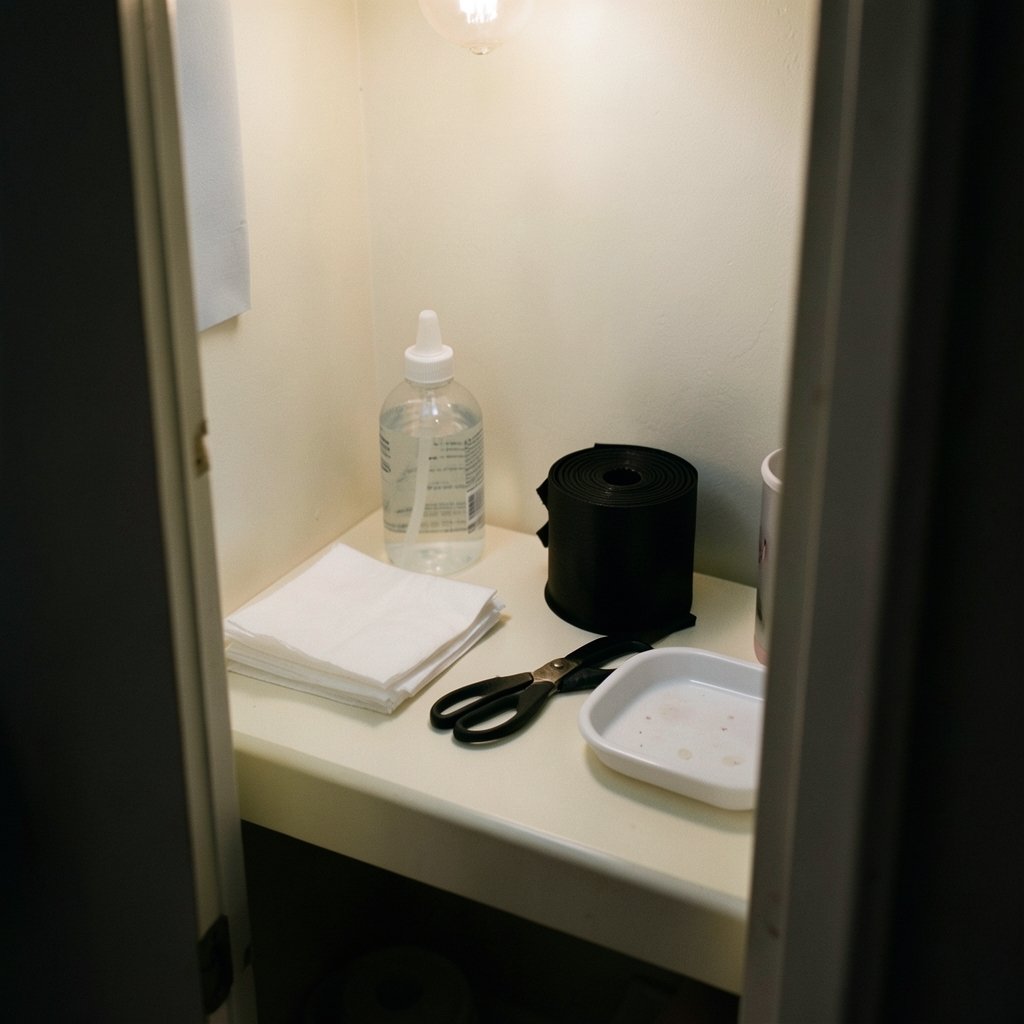
What if the clear liquid in that bottle on the wound-care shelf works less like a drug and more like something your own immune cells already make? That is the core idea behind Vashe wound solution, a hypochlorous acid–based cleanser that has quietly become a staple in wound care. It is not a glamorous product. There is no dramatic marketing story. But understanding what it actually is, where it fits in a care routine, and where the evidence gets thin matters a great deal, whether you are a clinician stocking a supply closet or a caregiver helping someone at home.
What Vashe Wound Solution Actually Is
Vashe is a wound cleanser built around hypochlorous acid (HOCl). If that term sounds familiar from biology class, there is a reason: HOCl is the same antimicrobial compound that neutrophils, a type of white blood cell, produce to fight infection. Stabilized HOCl solutions are formulated to be pH-neutral, and Vashe is described as preservative-free. It is marketed by Urgo Medical, which previously operated as SteadMed Medical.
The practical takeaway is that Vashe sits in a specific category. It is a cleansing and debridement product, not an antibiotic ointment and not a prescription drug in the traditional sense. That distinction shapes everything about how it gets used, how it gets regulated, and what you should and should not expect from it.
One important caveat up front: exact formulation percentages, current labeling language, and the precise indications listed on the package should always be confirmed against the manufacturer’s official instructions for use (IFU). Product formulations get updated. Labels get revised. Anyone making clinical decisions should read the current documentation rather than relying on secondhand summaries, including this one.
How Hypochlorous Acid Works on a Wound

The appeal of HOCl is straightforward. It is a broad-spectrum antimicrobial that acts quickly on contact, and because it is chemically similar to what the body produces naturally, it tends to be well tolerated by tissue. In practice, that means it can be used to irrigate and clean a wound surface without the stinging that some antiseptics cause.
There is a catch worth understanding. HOCl is unstable by nature. That is precisely why it works so fast, and also why formulated products go to considerable lengths to stabilize it and why shelf life and storage conditions matter. A bottle that has been sitting open in a hot car is not the same product as one stored as directed.
For general context on wound cleansing principles, the clinical literature consistently emphasizes that adequate cleansing and debridement are foundational to wound healing, and that the choice of cleansing agent should balance antimicrobial benefit against tissue toxicity. That framing is the honest way to think about Vashe: as one tool in a proper cleansing routine, not a standalone cure.
Where Vashe Fits in a Wound Care Routine
Wound care is a sequence, not a single product. Getting the order right matters more than the brand on the bottle.
- Assess the wound first. Look at size, depth, drainage, tissue type, and signs of infection. A wound that is worsening, spreading redness, or producing purulent drainage needs medical evaluation, not a better cleanser.
- Cleanse and irrigate. This is where a solution like Vashe is used, to flush out debris and reduce surface bioburden.
- Debride as appropriate. Removing dead tissue is a clinical skill. Do not attempt aggressive debridement at home.
- Choose an appropriate dressing. The dressing manages moisture and protects the wound bed between cleansings.
- Reassess on a schedule. If a wound is not improving over a reasonable period, the plan needs revisiting.
Common mistakes people make here are worth naming plainly. Using a cleanser as a substitute for proper assessment is one. Another is assuming that because a product is gentle, more frequent use is automatically better. And a third is skipping the dressing step entirely, leaving a cleaned wound exposed and unprotected.
Practical Tips That Actually Help
- Check the expiration date and storage instructions. Given how HOCl behaves, this is not a formality.
- Do not dilute or mix the solution with other products unless the manufacturer’s instructions say to.
- Use clean technique and fresh supplies for each dressing change.
- Keep a simple wound log with dates, appearance, and measurements. Photos taken consistently help, and if you are documenting with a phone, it is worth learning how to find high resolution images online so reference images and records stay sharp and comparable over time.
- Store supplies sensibly. A dedicated bin keeps cleansers, dressings, and gloves together and reduces the chance of using an expired bottle.
The Evidence Picture: Encouraging but Limited
Here is where a balanced article has to be honest. Published in-vitro and clinical literature on hypochlorous acid wound cleansers generally reports broad antimicrobial activity and good tolerability. That is a consistent finding across the category.
What is harder to find is high-quality comparative clinical trial data specific to Vashe that would let anyone confidently say it outperforms alternatives in head-to-head healing outcomes. That evidence gap is real and worth acknowledging. It does not mean the product is ineffective. It means the strongest claims should be made cautiously.
For readers who want to dig into primary literature, searching a biomedical database for hypochlorous acid wound studies and reading the specific articles directly is far more useful than relying on summaries. The same discipline applies to any health product: go to the primary source, check the date, and check whether the study actually measured the outcome you care about.
Regulatory Status and What It Means for You
Vashe is understood to have been cleared through the FDA 510(k) pathway as a wound cleanser and debridement device rather than as a drug. That is a meaningful distinction. The 510(k) route generally demonstrates substantial equivalence to a legally marketed predicate device, which is a different bar than the multi-phase clinical trials required for new drug approval.
The practical implication is that you should not expect drug-style efficacy claims on the label. What you get is a device cleared for cleansing and debridement. Anyone who needs the precise clearance number and date should look it up directly in the FDA’s public 510(k) database rather than trusting a secondary source, since details like this are easy to garble in retelling.
Vashe Compared With Common Alternatives
Different wound-care situations call for different approaches. This comparison is general and does not replace clinical judgment.
| Cleanser type | Typical strength | Typical limitation | Best fit |
|---|---|---|---|
| Hypochlorous acid (Vashe-type) | Broad antimicrobial action, generally well tolerated | Unstable; storage and expiry matter | Routine cleansing and irrigation of many wound types |
| Saline | Gentle, non-antimicrobial | Does not reduce bioburden | Basic irrigation of clean wounds |
| Povidone-iodine | Strong antimicrobial | Can sting; tissue toxicity with prolonged use | Short-term use in specific clinical situations |
| Chlorhexidine | Strong antimicrobial | Tissue irritation; not for all wound types | Selected antiseptic uses under clinical direction |
The pattern is clear enough. Gentler options trade antimicrobial punch for tolerability, and stronger antiseptics trade tolerability for potency. Vashe’s positioning is essentially in the well-tolerated antimicrobial middle, which is why it shows up so often in routine wound protocols.
Safety, Storage, and the Details People Skip
A few practical points that get overlooked:
Storage conditions matter more than most people assume. Because HOCl is inherently unstable, heat and prolonged light exposure are not friendly to it. Follow the label.
Allergies and sensitivities. Preservative-free formulation reduces one common source of irritation, but no product is universally tolerated. Stop use and seek advice if irritation develops.
Do not substitute it for medical care. A wound with spreading redness, fever, foul odor, or exposed deeper structures needs prompt evaluation. A cleanser is not a treatment plan.
Keep good records. This sounds tedious and is genuinely useful. Wound measurements, dates, and photos create a trail that makes clinical decisions easier. If you are building an archive of wound photos alongside other health records, a solid photo backup solution protects that history from a lost or broken phone. And if older images come out soft or low-resolution, an AI image upscaler for high resolution photos can help make small details easier to review. The same logic applies to video documentation of wound progression, where an AI video upscaler to improve video resolution can sharpen footage captured on older devices.
Buy from reputable sources. Counterfeit and improperly stored medical products exist. A suspiciously cheap bottle from an unknown seller is a bad trade.
Who Should Consider It and Who Should Ask First
Vashe-type cleansers are commonly used by clinicians in wound care settings and are also available for home use. They tend to suit people managing chronic wounds, surgical wounds, or minor injuries where gentle antimicrobial cleansing is appropriate.
People who should pause and ask a clinician first include anyone with diabetes, compromised circulation, immunosuppression, or a wound showing signs of infection. In those situations, the cleanser is the least important variable. The care plan is what matters.
There is also a broader point about digital hygiene that applies to anyone researching health products. Product information, patient forums, and clinical guidance all live online, and it pays to verify that what you are reading comes from where it claims to. Basic DNS security troubleshooting habits, like checking that a site’s certificate and domain are legitimate, are a small but real defense against misinformation and fake storefronts.
Conclusion
Vashe wound solution occupies a sensible, well-defined place in wound care: a hypochlorous acid–based, pH-neutral, preservative-free cleanser cleared as a device for cleansing and debridement. It is generally well tolerated, it has a reasonable antimicrobial rationale grounded in real biochemistry, and it fits naturally into a proper cleansing routine. What it is not is a miracle product or a replacement for clinical assessment.
The honest summary is this: the mechanism is sound, the tolerability profile is a genuine advantage, and the comparative clinical evidence specific to the product is thinner than marketing language might suggest. Use it as directed, store it properly, keep good records, and treat any worsening wound as a reason to seek care rather than to reach for a different bottle. That approach will serve you better than any single product ever could.
Frequently Asked Questions
What is Vashe wound solution made of?
It is a wound cleanser based on hypochlorous acid (HOCl), the same antimicrobial compound produced by neutrophils in the immune system. It is formulated to be pH-neutral and is described as preservative-free. It is marketed by Urgo Medical, formerly SteadMed Medical. Exact formulation details should be confirmed against the current manufacturer instructions for use.
Is Vashe a drug or a medical device?
It is understood to have been cleared through the FDA 510(k) pathway as a wound cleanser and debridement device rather than as a drug. That means it was cleared on the basis of substantial equivalence to a legally marketed predicate device, not through the multi-phase trials required for new drug approval. Anyone needing the exact clearance number and date should check the FDA’s public 510(k) database directly.
Does Vashe sting when applied to a wound?
Hypochlorous acid–based cleansers are generally reported to be well tolerated, and the pH-neutral, preservative-free formulation is part of that rationale. Individual sensitivity varies, however, and no product is universally tolerated. If irritation develops, stop using it and seek advice.
How should Vashe wound solution be stored?
Storage instructions matter more than with many products because HOCl is inherently unstable. Heat and prolonged light exposure are not friendly to it. Follow the label directions, check expiration dates, and avoid leaving bottles in hot environments such as a car. Do not dilute or mix the solution unless the manufacturer’s instructions say to.
Can I use Vashe instead of seeing a doctor for a wound?
No. A cleanser is one step in a care routine, not a treatment plan. Wounds with spreading redness, fever, foul odor, increasing pain, or exposed deeper structures need prompt medical evaluation. People with diabetes, poor circulation, or a weakened immune system should involve a clinician early rather than managing a wound alone.
Is there strong clinical proof that Vashe heals wounds better than alternatives?
Published literature on hypochlorous acid wound cleansers generally reports broad antimicrobial activity and good tolerability. However, high-quality comparative clinical trials specific to this product are limited, so strong superiority claims should be treated cautiously. The strongest general evidence in wound care supports adequate cleansing and debridement as foundational, with the choice of agent balancing antimicrobial benefit against tissue toxicity.
Does Vashe wound solution expire?
Yes. Because hypochlorous acid is unstable, formulated products have a defined shelf life, and storage conditions affect how well the solution holds up. Always check the expiration date before use and discard bottles that are past date or have been stored improperly. Buying from reputable sources also reduces the risk of receiving improperly stored or counterfeit product.



