Verizon is in talks to buy fiber broadband operator Fidium in a deal worth about $6 billion, according to a report in the Financial Times on 27 November 2026, and the talks put the carrier’s fiber strategy in the spotlight for a second time in less than a year. The report, which was also carried by Bloomberg, says discussions between Verizon and Fidium’s owners are ongoing and that an agreement could be reached in the coming weeks. Nothing has been signed, neither company has announced a deal, and the talks could still fall apart or draw in another buyer.
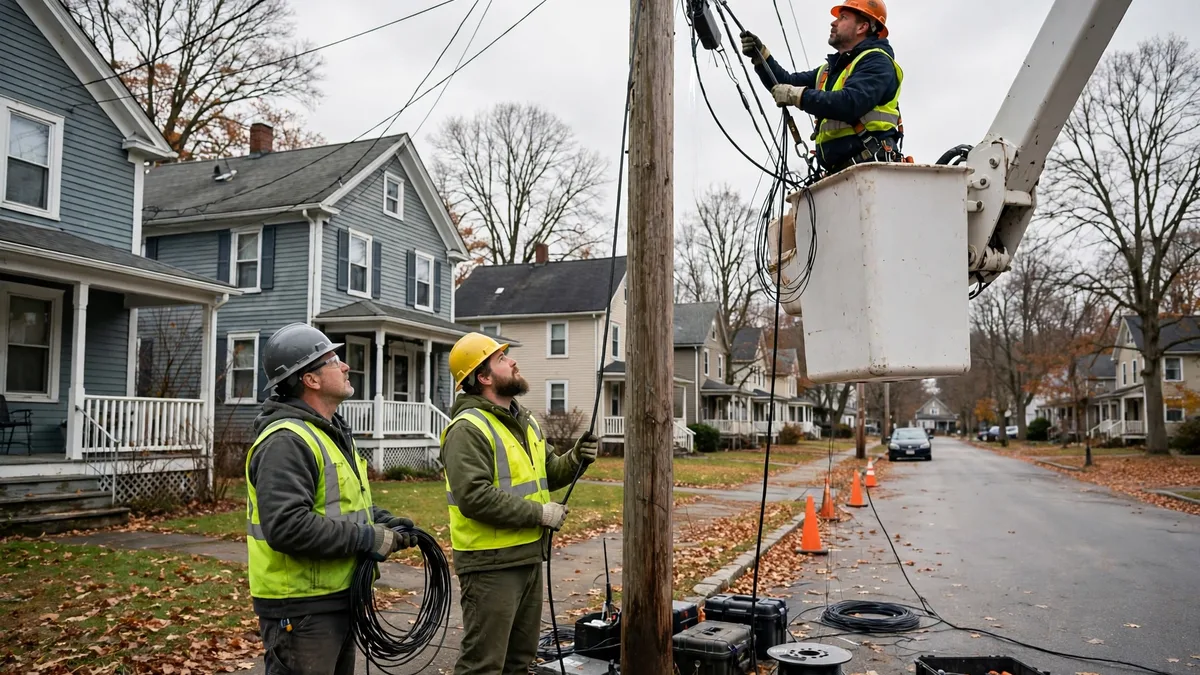
The price under discussion, about $6 billion including debt, would buy Verizon a ready-made fiber network in northern New England, a region where its own fiber footprint has been thin. Fidium, the former Consolidated Communications, serves about 351,000 homes in the area. For Verizon, that is the point: buying homes already passed by fiber is faster than digging trenches and stringing cable street by street.
The timing is no accident. Verizon closed its roughly $20 billion takeover of Frontier Communications in January 2026, adding 2.2 million fiber subscribers across 25 states, and chief executive Dan Schulman has said openly since then that the company is looking at more partnerships and acquisitions to speed up the number of homes its fiber passes. The Fidium talks are the clearest sign yet that he meant it.
Key takeaways
- Verizon is in talks to buy Fidium for about $6 billion including debt, the Financial Times reported on 27 November 2026, citing people familiar with the matter.
- The deal is not agreed: talks are ongoing, could still fail, and another bidder could emerge, according to the reporting.
- Fidium’s owners are Searchlight Capital Partners and British Columbia Investment Management Corporation, who bought the business in 2024 for $3.1 billion.
- Fidium would add about 351,000 homes in northern New England, including Maine, New Hampshire and Vermont, to Verizon’s fiber footprint.
- The talks follow Verizon’s roughly $20 billion Frontier takeover, which closed in January 2026 and took its fiber passings to about 30 million.
| Item | What the reporting says |
|---|---|
| Reported price | About $6 billion, including debt |
| Deal status | Talks ongoing, not agreed; could be settled in the coming weeks |
| Seller | Searchlight Capital Partners and British Columbia Investment Management Corporation |
| What Verizon would get | About 351,000 homes in northern New England, plus a wider fiber network of roughly 1.5 million homes passed |
| Sellers’ 2024 purchase price | $3.1 billion |
| Verizon’s last big fiber deal | Frontier Communications, about $20 billion, closed January 2026 |
| Verizon’s fiber goal | More than 32 million fiber passings by the end of the year, and 40 to 50 million over the medium term |
What the Financial Times actually reported
The Financial Times reported on Friday 27 November that Verizon is in discussions to purchase Fidium, and that the talks involve Fidium’s owners, private equity firm Searchlight Capital Partners and Canadian fund manager British Columbia Investment Management Corporation. The report cites people familiar with the matter and puts the possible value at about $6 billion including debt.
Bloomberg carried the same report, describing Verizon as in talks to buy the broadband operator in a $6 billion deal that would expand its network. Reuters also reported the talks the same day, again citing the Financial Times, and added the same two cautions: the deal could be agreed in the coming weeks, but the talks may not result in an agreement and another bidder could emerge.
What Fidium is, and why Verizon wants it
Fidium is the fiber broadband brand of the former Consolidated Communications, a company with deep roots in northern New England. Searchlight and British Columbia Investment Management Corporation, known as BCI, bought the business in 2024 for $3.1 billion and have been building out its fiber network since. If the reported $6 billion price is right, the sellers would roughly double the value of the business in about two years.
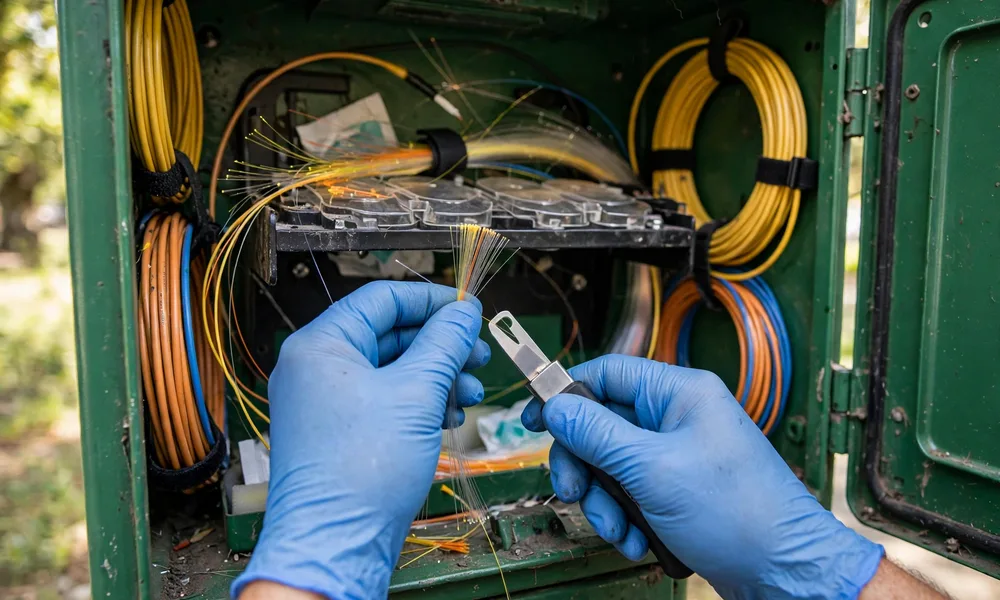
The geography is the attraction. Fidium’s heartland is Maine, New Hampshire and Vermont, states where Verizon’s own fiber brand has had little presence. Coverage of the talks puts its wider footprint at roughly 1.5 million homes passed by fiber, with a target of 2 million by the end of 2027, but that pair of numbers comes from secondary coverage rather than the Financial Times text itself, so treat it as reported rather than confirmed.
How this fits Verizon’s fiber buying spree
Verizon’s fiber push did not start with Fidium. The company closed its acquisition of Frontier Communications in January 2026, a deal worth about $20 billion that added 2.2 million fiber subscribers across 25 states and took Verizon’s fiber footprint to about 30 million homes and businesses passed. Frontier itself had been adding fiber at pace, deploying about 1.3 million new fiber passings in 2025 and reaching more than 9 million cumulative passings before the deal closed.
Since the Frontier deal, Verizon’s management has been explicit that buying is part of the plan. Schulman told analysts the company is looking at more partnerships and potential acquisitions to speed the number of homes passed, and that fiber is a key differentiator against competitors who do not have it. The company says it is on track for more than 32 million fiber passings by the end of the year, with a medium-term goal of 40 to 50 million.
The reported $6 billion works out at a steep price per home passed, and that is the point: Verizon would be paying for time and for customers it can sell mobile service to from day one, not just for cable in the ground. For readers weighing home internet options, the practical comparison is still speed, price and reliability where you live, and our guide to Starlink versus 5G home internet for rural business shows how the alternatives stack up outside the fiber footprint.
What happens next, and what could still go wrong
If the reporting is right, the next step is a signed agreement in the coming weeks, followed by regulatory review. A deal of this size would need approval from federal regulators and state authorities in the states Fidium serves, and that process can take many months. The Frontier deal, announced in mid-2024, did not close until January 2026.
There are also simpler ways for the talks to end. The price could move, the sellers could decide to hold the asset, or another buyer could appear with a higher offer. The Financial Times reporting explicitly leaves that door open. A $6 billion purchase would also come on top of the Frontier deal, and Verizon has not said how it would pay.
For customers in Maine, New Hampshire and Vermont, the near-term effect of the talks is close to zero. No services change and no bills change while a deal is only being discussed. If a deal is agreed and approved, changes would come gradually, with billing systems merging and the Fidium brand expected to give way to Verizon’s.
What the deal would mean for customers and rivals
For Verizon, the prize is a new block of converged customers. Frontier gave it millions of households where it could sell wireless service to people who had never bought a Verizon phone plan; Fidium would do the same on a smaller scale in the north-east. In the second quarter of 2026 Verizon added 155,000 fiber internet customers, and each household that buys both services is worth more than a mobile-only customer.
For rivals, the deal would close off one of the remaining independent fiber networks of meaningful size. Each sale to a national carrier pushes up the price of the networks that remain and pushes smaller operators to build faster while buyers are still paying high prices.
For households, the honest answer is mixed. The benefit comes if Verizon invests in extending Fidium’s network and if bundled pricing is genuinely cheaper than buying internet and mobile separately. The risk is the familiar one in telecom mergers: prices drift up once the independent competitor is gone. Our comparison of 5G versus 6G for business explains what comes after today’s networks.
How to read the next announcement
When a deal like this moves forward, the announcements come in a set order, and knowing the order helps separate signal from noise. First comes a press release from the buyer and seller confirming a signed agreement, with a price, a funding plan, and an expected closing date. Then come the regulatory filings, then the state approvals, then the close. Until the first of those appears, everything is reporting about talks, and talks are not a deal.
Readers should watch three numbers in any announcement: the price and whether it includes debt, the number of homes passed and subscribers, and the closing timetable. Share-price reactions tell you little, since Verizon’s shares move on many things at once. To understand the network technology the strategy rests on, see our explainer on what 6G is.
Checklist: what to watch as the Fidium talks develop
- An on-the-record announcement from Verizon or Fidium’s owners confirming or denying a signed deal.
- The confirmed price, and whether it is quoted including debt or excluding it.
- Whether another bidder emerges, and whether the price moves as a result.
- Any commitments on prices, jobs or network build-out in Maine, New Hampshire and Vermont.
- Regulatory filings and state approvals, which set the real timetable for closing.
- Verizon’s next earnings call, where management is likely to be asked about fiber acquisitions directly.
Frequently asked questions
Has Verizon bought Fidium?
No. As of the reporting on 27 November 2026, Verizon is in talks to buy Fidium, according to the Financial Times. No deal has been announced, no agreement has been signed, and the talks could still end without a deal.
How much would the deal be worth?
About $6 billion, including debt, according to the Financial Times reporting. That is roughly double the $3.1 billion that Searchlight Capital Partners and British Columbia Investment Management Corporation paid for the business in 2024.
Who owns Fidium now?
Fidium is owned by Searchlight Capital Partners, a private equity firm, and British Columbia Investment Management Corporation, a Canadian investment manager. They bought the former Consolidated Communications in 2024.
Where does Fidium operate?
Fidium is a fiber broadband operator focused on northern New England, including Maine, New Hampshire and Vermont. The reporting says a deal would add about 351,000 homes in the region to Verizon’s fiber footprint.
Why does Verizon want more fiber?
Verizon wants to sell home internet and mobile service together, because households that buy both tend to stay longer and spend more. It is aiming for more than 32 million fiber passings by the end of the year and 40 to 50 million over the medium term.
What happens to Fidium customers if a deal is agreed?
Nothing changes immediately. A signed deal would still need regulatory approval, which can take many months, and services, bills and branding would only change gradually after the deal closes, if it closes at all.
The bottom line
The Verizon and Fidium talks are a small deal by the standards of the Frontier takeover, but they tell the same story: Verizon has decided that owning the fiber into the home is the fastest route to growth, and it is prepared to pay a high price for networks that are already built.
For now, though, the story is still only a report about talks. The price, the timetable and even the buyer could change, and the deal may not happen at all. The moment that matters is the announcement of a signed agreement, and until then the careful description is the right one: Verizon is in talks to buy Fidium.