Quick Answer: Who makes the best appliances?
There is no single “best” appliance brand, because the answer depends on whether you care most about reliability, repair rates, satisfaction scores, or price. In practice, buyers should compare brands category by category (refrigeration, laundry, dishwashing, cooking) rather than trusting one overall winner, and check owner surveys, service data, and warranty terms before buying.
Some brands earn strong satisfaction marks but carry higher service rates, while others are dull but dependable. Rankings also shift year to year and differ between survey-based ratings and retailer repair data, so a brand that wins one list may finish mid-pack on another.
Before you act, compare reliability history, repair rates, warranty length and coverage, energy costs, parts availability, local service support, and the specific model’s track record rather than the logo on the door.
Why the “best appliance brand” question has no clean answer
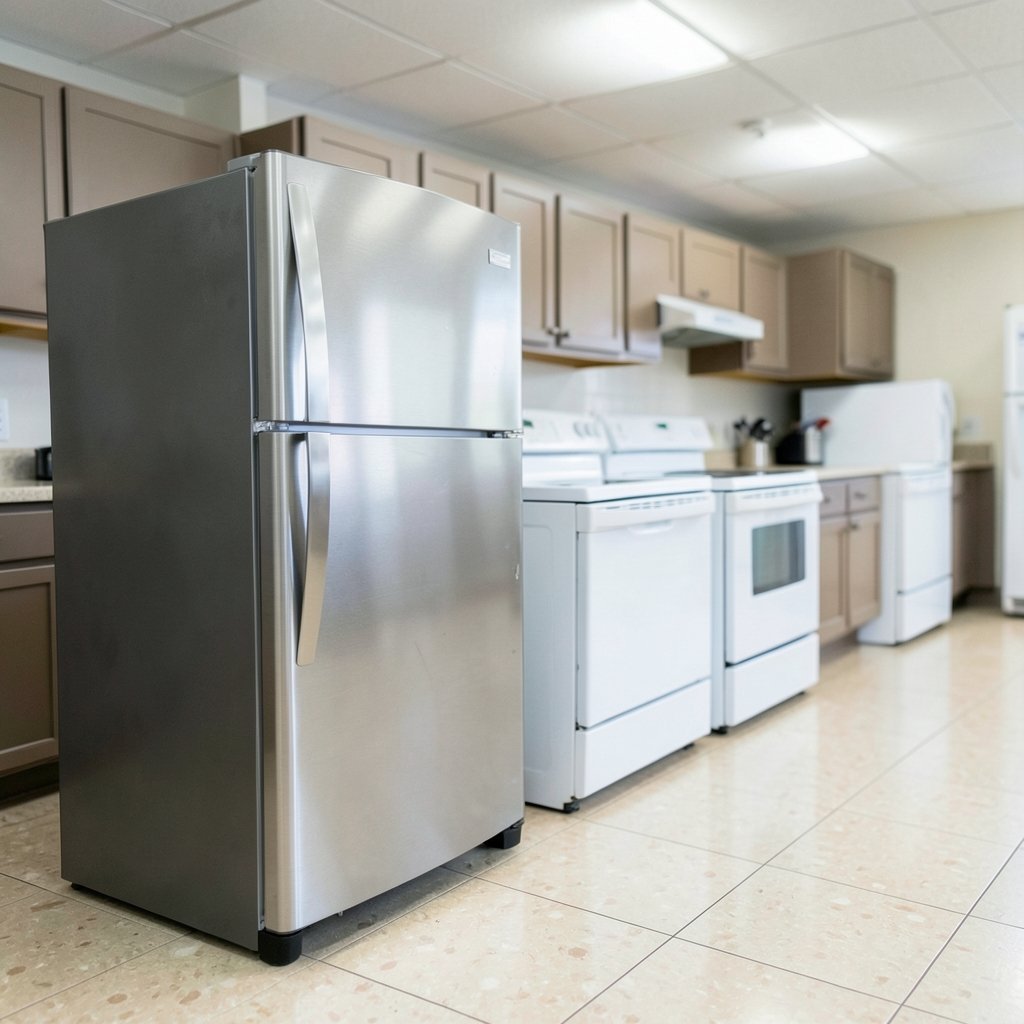
Ever stood in a showroom, stared at two nearly identical refrigerators, and wondered why one costs twice as much? That moment is exactly where the “best brand” question gets messy.
The appliance market is dominated by a handful of parent companies, and brands under one corporate roof often share platforms, factories, and components. That means two nameplates can be cousins under the skin. It also means “who makes it” is a harder question than the marketing suggests. A premium badge does not automatically mean a separate factory or a different compressor.
The second problem is measurement. Different sources measure different things. Owner satisfaction surveys ask people how they feel about a machine after living with it. Repair-rate data counts how often service technicians get called out. A brand can score well on one and poorly on the other, which is why “best appliance brand” headlines contradict each other every single year.
So treat any single ranking as one data point, not a verdict. The practical move is to decide which measure matters most to you, then compare within the category you are actually shopping.
The four ways people judge appliance brands
Most “best brand” claims fall into four buckets. Knowing which bucket a ranking comes from tells you how much weight to give it.
| Measure | What it captures | Main weakness |
|---|---|---|
| Owner satisfaction surveys | How happy buyers are after living with the appliance | Feelings fade; unhappy owners are louder |
| Repair-rate data | How often units need service | Often retailer-specific, not independent lab testing |
| Feature and performance testing | How well the machine actually cleans, cools, or dries | Lab conditions rarely match real kitchens |
| Price and warranty value | What you get per dollar, and for how long | Cheap upfront can cost more over ten years |
A brand that tops a satisfaction survey may sit mid-table on repair rates. A brand with the lowest service rate may be the one nobody gets excited about. Neither is wrong. They are answering different questions.
The honest approach is to weight the measures by what would actually annoy you. If a broken dishwasher means a week of takeout and hand-washing, repair rates deserve more weight than styling. If you replace appliances every five years and enjoy new features, satisfaction and performance testing matter more.
Reliability versus satisfaction: the split that confuses buyers
Here is the pattern that trips up most shoppers. Reliability and satisfaction are correlated but not identical.
Reliability is about failure. Did the machine break, and how often? Satisfaction is about the whole experience: how it performs, how it looks, how loud it is, how easy the controls are, and how the brand treated the owner when something went wrong.
A brand can build machines that rarely fail and still frustrate owners with clunky interfaces or slow parts delivery. Another can build machines with a higher service rate but delight owners with thoughtful design and fast fixes. Both show up as “best” depending on which list you read.
There is also a survivorship quirk in owner surveys. People who had a bad experience are more motivated to respond, and people who never registered their warranty are harder to reach. Survey data is useful, but it is a noisy signal, not a lab result. (Grindr explained app works who uses it watch)
The takeaway: use satisfaction scores to shortlist brands people enjoy owning, then use repair-rate data to sanity-check whether that enjoyment comes with frequent service calls.
Where the appliances are actually made
Ownership concentration matters more than most buyers realize. The major-appliance market is dominated by a few global parent companies, including Whirlpool, Electrolux, BSH, Haier, LG, Samsung, and Midea. Brands under the same parent may share platforms or factories, which complicates any claim that one badge is fundamentally different from another.
That does not mean all brands under one roof are identical. Companies often position brands at different price points with different feature sets, finishes, and service networks. But it does mean you should check the corporate parent before assuming a brand is independent, and check the specific model’s specs rather than the family name.
Ownership changes, too. Brand portfolios get bought and sold, and a name that meant one thing a decade ago may mean something else now. If “who makes it” genuinely matters to you, verify the current corporate parent rather than relying on memory.
Energy costs: the number hiding in plain sight
Two fridges with the same sticker price can cost very different amounts to run. Over a decade, that gap can exceed the purchase price difference.
In the United States, the FTC’s EnergyGuide label and the DOE’s ENERGY STAR program let buyers compare estimated operating costs and efficiency. In Europe, energy labels were rescaled in 2021 under Regulation (EU) 2017/1369, which removed the old A+/A++ classes and returned the scale to A through G. That rescaling matters if you are comparing an older listing with a newer one, because the letters no longer mean what they used to.
Practical tip: ignore the letter grade in isolation and look at the estimated annual energy use in kilowatt-hours. That number is comparable across models and years, and it is the one that shows up on your utility bill.
Warranty and repairability: the boring factors that decide everything
Warranty length varies widely by brand and category. One year for parts and labor is common, with longer coverage on certain components such as the compressor or the sealed refrigeration system. Those component carve-outs are where the real value hides, so read the fine print rather than the headline.
Repairability is the newer variable. Right-to-repair laws have been spreading at the state level in the United States, with several states passing legislation covering consumer electronics and some appliances. The practical effect for buyers is that access to parts, manuals, and independent repair is becoming a legitimate comparison point, and no longer only an activist talking point.
A few habits that actually work in practice:
- Photograph the model and serial number plate before you need it.
- Register the warranty the day the appliance is delivered.
- Keep the receipt in the same folder as the manual.
- Check whether a local technician services the brand before you buy, not after it breaks.
The most common mistake is assuming a premium brand means premium service in your area. Service networks are regional. A brand with glowing national reviews can still be a nightmare two hours from the nearest authorized technician.
Matching the brand to the room
The smartest buyers stop asking “who makes the best appliances” and start asking “who makes the best dishwasher, and separately, the best washer.” Category specialists often beat generalists.
Refrigeration rewards steady compressors and good insulation. Laundry rewards drum design and vibration control. Dishwashing rewards filtration and rack layout. Cooking rewards burner control and oven temperature accuracy. A brand that dominates one category may be an also-ran in another.
If you are furnishing a first apartment or a student rental, the calculus changes entirely. Durability matters less than price and easy replacement, which is why a realistic college money management plan for students who want to furnish cheaply tends to favor simple, widely serviced models over premium badges. The same logic applies to anyone outfitting a rental property.
Budget planning around appliances is its own skill. Understanding milk money, what it means, and who pays it still matters; it is a useful reminder that household costs are often shared and negotiated rather than paid by one person alone. Appliance purchases sit in that same shared-budget territory.
What actually works when you are standing in the store
After all the rankings and surveys, the buying moment comes down to a few checks that take ten minutes.
First, confirm the exact model number and look up its service history, not the brand’s overall reputation. Model-level data beats brand-level data every time.
Second, measure the opening, the doorway, and the delivery path. The most common appliance mistake is not a bad brand choice. It is a fridge that does not fit through the door.
Third, ask who services the brand locally and how long parts take to arrive. A five-day parts wait is fine for a microwave and miserable for a refrigerator in July.
Fourth, check the return window and the delivery damage policy. Inspect on arrival, photograph any dents, and note them on the delivery paperwork before the truck leaves.
When paying more actually pays off
Premium pricing buys three things: better materials, quieter operation, and longer component warranties. It does not reliably buy fewer repairs.
The categories where spending more tends to pay off are refrigeration and laundry, because those run constantly and their failure is disruptive. The categories where mid-range usually wins are microwaves, small countertop appliances, and range hoods, where the technology is mature and the differences are mostly cosmetic.
One more consideration: brand ecosystem. If you are already deep into one company’s smart-home platform, staying in that family can simplify controls and app support. Just do not let app convenience override repair data. A connected appliance that needs service twice a year is still a bad appliance.
If you are curious how brand storytelling shapes these decisions in other industries, the way Ketel One vodka makes this Dutch pot still brand different is a good case study in how a single production detail becomes a marketing identity. Appliances work the same way: one feature becomes the whole story.
Conclusion
The best appliance brand is the one that fits your category, your budget, your local service network, and your tolerance for repair calls. No single name wins across refrigeration, laundry, dishwashing, and cooking, and the rankings that claim otherwise are measuring one slice of the picture.
Shop by model, not by logo. Weight repair rates heavily if a breakdown would wreck your week. Weight satisfaction scores if you plan to live with the machine for a decade. Read the warranty’s component carve-outs, check the energy number rather than the letter grade, and confirm that someone near you can actually fix the thing.
Do that, and you will end up with appliances that quietly do their job for years, which is the only review that ever really matters.
FAQ
Is there one appliance brand that is best across every category?
No. Rankings differ by category, year, and source, and survey-based satisfaction scores often disagree with repair-rate data. A brand that leads in laundry may finish mid-pack in dishwashing. Compare within the specific category and model you are buying.
Are satisfaction surveys or repair rates more trustworthy?
They measure different things, so neither is universally better. Satisfaction surveys capture the whole ownership experience, while repair rates count service calls. Use satisfaction to build a shortlist and repair data to check whether that shortlist comes with frequent breakdowns.
Does a higher price mean fewer repairs?
Not reliably. Premium pricing tends to buy better materials, quieter operation, and longer component warranties, but it does not guarantee a lower repair rate. Model-level service history is a better predictor than price tier.
How long do most appliance warranties last?
One year for parts and labor is common, with longer coverage on specific components such as compressors or sealed refrigeration systems. Terms vary widely by brand and category, so read the component carve-outs rather than the headline length.
Do appliance brands under the same parent company make identical machines?
Not identical, but they may share platforms, factories, or components. Parent companies often position brands at different price points with different features and service networks. Check the current corporate parent and the specific model’s specs rather than assuming.
What should I check before buying a specific model?
Confirm the exact model number, look up its service history, measure the opening and delivery path, ask who services the brand locally, and review the return and delivery damage policy. These checks catch more problems than brand reputation alone.