Quick Answer: Who makes the best kitchen appliances?
There is no single brand that wins across every appliance category. The honest answer is that the “best” maker depends on which appliance you are buying, because a company that engineers excellent dishwashers may be mid-pack on ranges or refrigerators.
Brand reputation also splits into two very different measures: how well a machine performs in lab tests and how reliable it stays over ten years. Those two rankings often disagree.
Before buying, compare the appliance category, the brand’s repair record, parts availability, warranty length, energy rating, and local service options. A famous nameplate is not the same as a well-built machine.
Why “Best” Is the Wrong Question
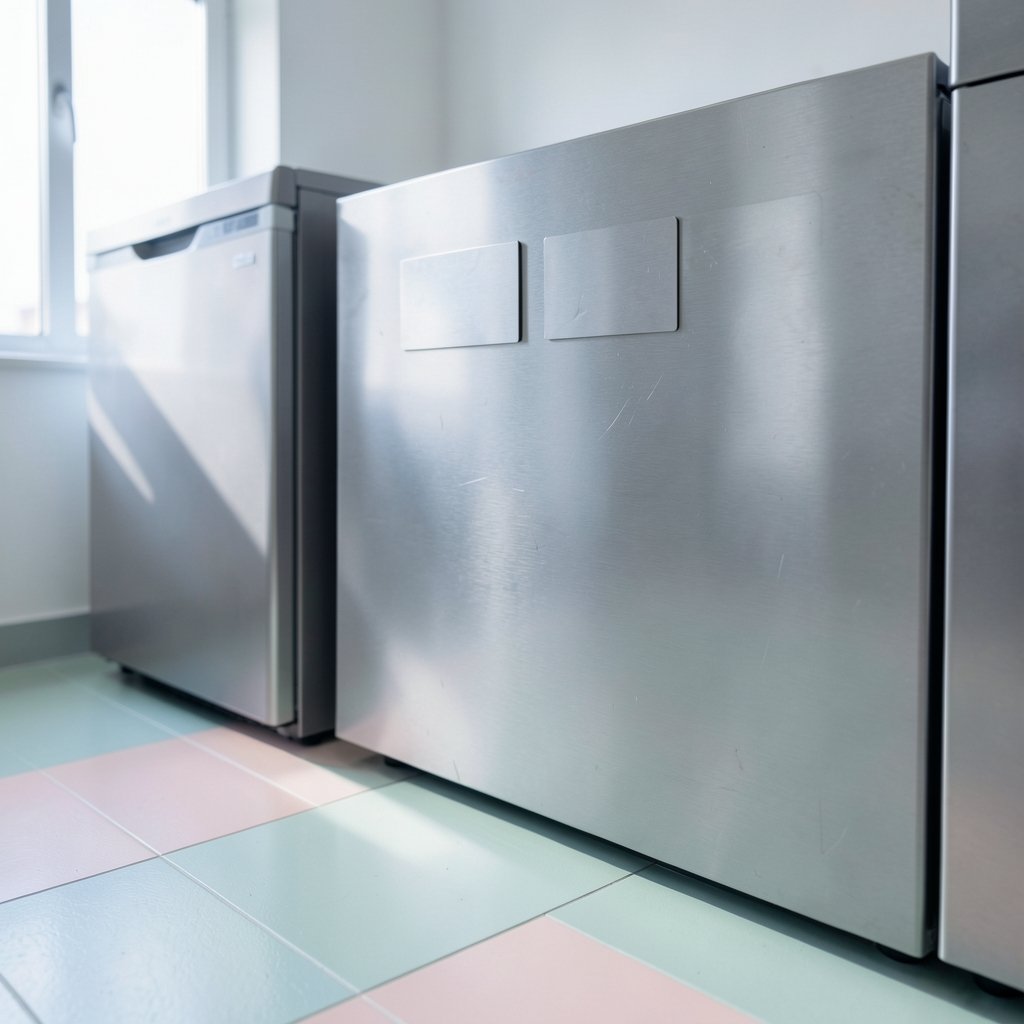
Walk into any appliance showroom and someone will tell you one brand is simply the best. That claim almost never survives contact with reality. Kitchen appliances are not one product. A refrigerator, a wall oven, a dishwasher, and a range hood are built by different engineering teams, often in different factories, sometimes under license by completely separate companies.
That last point trips up a lot of shoppers. Brand name does not equal factory. Several premium-sounding labels have had their ranges, refrigerators, or budget lines manufactured by other firms under contract. Kenmore is the classic example of a badge engineered by multiple outside makers over the decades. Viking and Thermador lines have also been produced by partner factories at various points. None of this makes those appliances bad. It just means the logo on the door tells you less than you think.
So the useful version of the question is narrower: which maker is strongest in the specific appliance you are about to buy, and how much will it cost to keep running? That framing gets you to a real answer.
The Two Rankings That Matter Most
Most buying advice collapses two separate things into one word: quality. They are not the same.
The first is performance. How evenly does a range heat? How well does a dishwasher clean baked-on grease? How stable is a fridge’s temperature? Lab testing answers this, and independent testers run standardized, repeatable tests to compare machines head to head.
The second is reliability and ownership cost. How often does the machine break? How expensive are parts? Can a local technician get the part this week, or does it ship from overseas in six weeks? Repair-industry surveys and consumer-advocacy groups track this, and their findings frequently diverge from lab rankings. A brand can ace every performance test and still be a headache to own.
There is a third layer worth knowing: efficiency and safety certification. Energy Star qualification in the United States and the EU energy label tell you about running costs, and UL or ETL marks confirm a product met basic safety standards. These are objective anchors, but they say nothing about durability or how well the appliance actually cooks or cleans.
A smart shopper weighs all three. A shopper who only reads a “top ten brands” list usually weighs none of them.
How the Big Brand Families Actually Break Down
Rather than crown one winner, it helps to sort brands into rough families. These groupings reflect long-standing market positions, not a single year’s test results.
| Brand family | Typical strength | Typical weakness | Best for |
|---|---|---|---|
| Premium European (Miele, Bosch) | Build quality, quiet operation, long service life | High purchase price, costly repairs | Buyers who keep appliances 15+ years |
| Premium American (Sub-Zero, Wolf, Thermador) | Heavy-duty cooking, integrated refrigeration | Very high cost, specialist service needed | Custom kitchens and serious cooks |
| Mass-market majors (Whirlpool, GE, Samsung, LG) | Wide range, parts availability, features per dollar | Reliability varies by model and year | Most households on a normal budget |
| Value and budget lines (Amana, Hotpoint, store brands) | Low upfront cost | Shorter lifespan, fewer features | Rentals, starter homes, second kitchens |
A few practical notes on reading that table. Miele has historically earned strong marks in European brand reliability surveys, and Bosch is widely respected for dishwashers specifically. In North America, Whirlpool and GE benefit from enormous service networks, which matters more than most shoppers realize. Samsung and LG pack in features and design at competitive prices, but their repair records have been more uneven across categories and model years.
None of these reputations are permanent. Rankings shift by category and by year, which is exactly why you should check current survey data rather than trusting a decade-old reputation.
Match the Brand to the Appliance
Here is where the “who makes the best” question finally gets useful. Split your shopping list by appliance and judge each one separately.
Dishwashers
This is the category where brand reputation is most consistent. European makers with long histories in dishwashing tend to lead on cleaning performance, quietness, and water efficiency. If a dishwasher is your priority purchase, paying a premium for a specialist brand is often money well spent.
Refrigerators
Refrigeration is a reliability game. Compressors and sealed systems fail slowly, and repair bills are steep. Look hardest at the brand’s service network in your area and the length of the sealed-system warranty. Feature-heavy French-door models from any brand carry more electronics and more potential failure points than a simple top-freezer.
Ranges and Ovens
Cooking splits sharply by fuel and style. Gas ranges reward simple, robust construction. Induction cooktops reward electronics quality. Pro-style ranges from premium American brands deliver heavy-duty feel, but they often require specialist technicians, which raises ownership cost.
Small Appliances
Stand mixers, blenders, and coffee gear are a completely different market from built-ins, and brand leadership there looks nothing like the big-appliance rankings. Sometimes the smartest kitchen money goes into one excellent small appliance rather than a marginal upgrade on a built-in.
Where Shoppers Go Wrong
Some mistakes show up again and again in appliance buying. Avoiding them matters more than picking the “right” logo.
Buying the whole kitchen from one brand for a package discount. Bundle deals are real, but they often lock you into a weak model in one category to save a few hundred dollars on another. Price the bundle against buying each appliance on its own merits.
Ignoring who repairs it locally. Before you buy, call two local repair companies and ask which brands they service and which parts they struggle to get. The answers are blunt and genuinely useful. A great machine with no local technician is a future problem.
Trusting the showroom floor model. Floor units are handled, wiped, and sometimes specially selected. Check the model number, then look up that exact model’s reliability history rather than the brand’s overall reputation.
Skipping the warranty fine print. Sealed-system coverage on refrigerators, labor exclusions, and whether service is in-home or carry-in all change the real cost of ownership. Read the terms before the delivery truck arrives.
Overbuying features. A refrigerator with a screen and a camera has more to break. Every added electronic component is a future repair line item.
Forgetting installation and fit. Measured clearance, door swing, ventilation requirements, and electrical or gas hookups cause more real-world headaches than brand choice ever does. Budget planning discipline helps here just like it does in other big purchases; the same careful math behind a college money management realistic plan for students who want applies to a kitchen renovation budget.
What Actually Works in Practice
The shoppers who end up happiest tend to follow a repeatable process rather than chasing a brand.
- List your appliances by priority. Decide which one you use most and spend the premium there.
- Check current reliability surveys for that specific category, not the brand overall.
- Verify parts availability by calling a local repair shop with your exact model number.
- Compare the real five-year cost: purchase price plus typical repairs plus energy use.
- Confirm fit and installation requirements before ordering.
- Register the warranty immediately and keep the receipt somewhere you will find it.
That process beats any brand loyalty. It also scales to small projects, which is why budget-minded renovators pair appliance research with practical upgrades like these small kitchen remodeling ideas and budget-smart upgrades that actually move the needle.
The Premium Question: Is It Worth Paying More?
Sometimes yes, sometimes no, and the dividing line is lifespan. A premium dishwasher that runs quietly for fifteen years and needs one repair can cost less per year than a budget model replaced twice. A premium refrigerator with a specialist-only service network can cost more per year than a mainstream one, even if it lasts longer.
The rule of thumb: pay premium for appliances you use daily and plan to keep. Dishwashers, ranges, and primary refrigerators reward investment. Secondary appliances, like a basement fridge or a rental kitchen, usually do not.
There is also a cultural angle to how people think about premium goods and brand prestige. The way a name carries status varies enormously by product and market, much like the story of how a Ketel one vodka makes this dutch pot still brand different from its competitors. Prestige and engineering quality are related but never identical, and paying for the former while expecting the latter is how buyers end up disappointed.
Conclusion
The best kitchen appliance maker does not exist as a single name. What exists is a set of brands that are strong in specific categories, backed by service networks of varying quality, sold at prices that only make sense once you calculate ownership cost.
The shoppers who get this right stop asking which brand is best and start asking which brand is best for this appliance, in this kitchen, with this repair network nearby. They check current reliability data instead of old reputations. They read warranty terms. They measure their doorways. And they spend their premium dollars where daily use justifies it.
That approach will not give you a tidy answer to hang on the showroom wall. It will give you a kitchen that still works in fifteen years, which is the only ranking that ultimately matters.
FAQ
Is Miele really the best kitchen appliance brand?
Miele has earned strong reliability marks in European brand surveys, particularly for dishwashers and laundry. But “best” depends on the category and the country. In North America, its service network is thinner than mass-market rivals, so a Miele purchase is strongest when you plan to keep the appliance for many years and have service access nearby.
Are expensive appliance brands more reliable?
Not automatically. Price buys better materials, quieter operation, and more refined controls, but reliability surveys sometimes show premium brands with repair rates similar to mainstream ones. The premium usually pays off in lifespan and daily experience rather than in fewer service calls during the first few years.
Which appliance should I spend the most money on?
The one you use every day and plan to keep longest. For most households that means the refrigerator, the range, or the dishwasher. Spending extra on a rarely used second oven or a basement fridge rarely pays back, while a quiet, well-built dishwasher earns its price every single week.
Do appliance brands make their own products?
Many do not, at least not entirely. Contract manufacturing is common, and some well-known labels have had entire product lines built by other companies. The badge on the door identifies the brand and the warranty, not necessarily the factory. Checking the specific model’s repair history matters more than the logo.
How long should kitchen appliances last?
A reasonable planning assumption is roughly ten years for most major appliances, with dishwashers and refrigerators often landing in that range and ranges sometimes running longer. Premium brands frequently exceed it, budget models often fall short. Actual lifespan depends heavily on water quality, usage, and whether routine maintenance gets done.
What is the single most useful thing to check before buying?
Call a local repair company and ask whether they service that brand and can get parts for that model. Repair technicians see failure patterns years before surveys capture them, and their honest answer about parts availability will tell you more about ownership cost than any showroom pitch.