
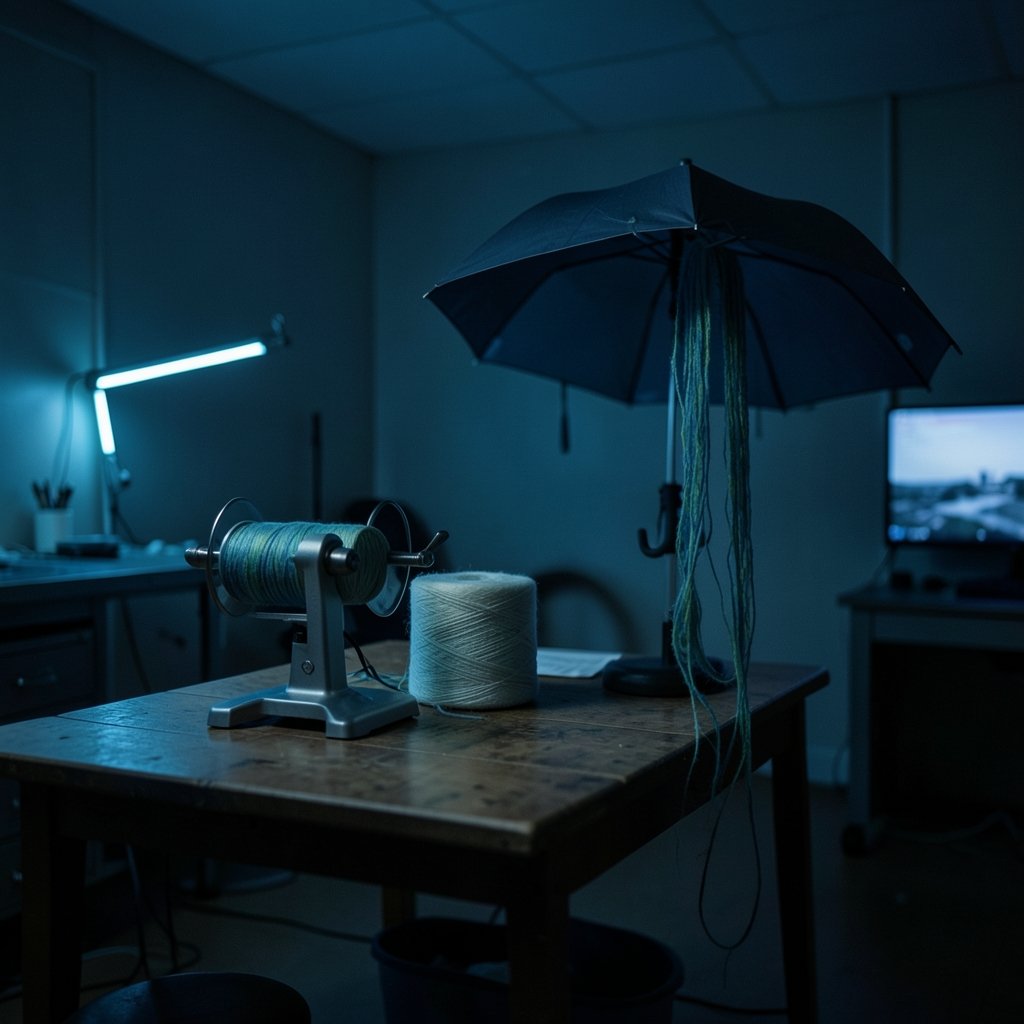
Ever watched a beautiful hank of hand-dyed yarn collapse into a spaghetti pile halfway through winding it by hand? It happens to almost everyone the first time. A yarn winder exists to prevent exactly that small tragedy, and once you understand what these tools do and how to choose one, the whole process becomes faster, calmer, and far more predictable.
What a Yarn Winder Actually Does
A yarn winder is a mechanical device that transfers yarn from one package form into another. Most commonly, it takes a skein or hank and turns it into a center-pull cake or ball. That is the whole job, and it is a surprisingly important one.
Two things are worth clearing up early, because beginners confuse them constantly. First, a winder does not spin yarn. Spinning creates yarn from fiber. Second, a winder does not ply yarn. Plying twists two or more strands together. A winder adds no twist at all. It only changes the shape and arrangement of yarn that already exists. If you remember nothing else, remember that.
The word “winder” also covers two very different worlds. At home, crafters use small hand-cranked or electric models that sit on a table. In textile manufacturing, industrial winders transfer yarn onto cones, cheeses, or pirns at high speed, and the tension and package density they produce directly affect how well that yarn performs in knitting and weaving machinery later. Same basic idea, wildly different scale.
Why Winding Matters More Than People Expect
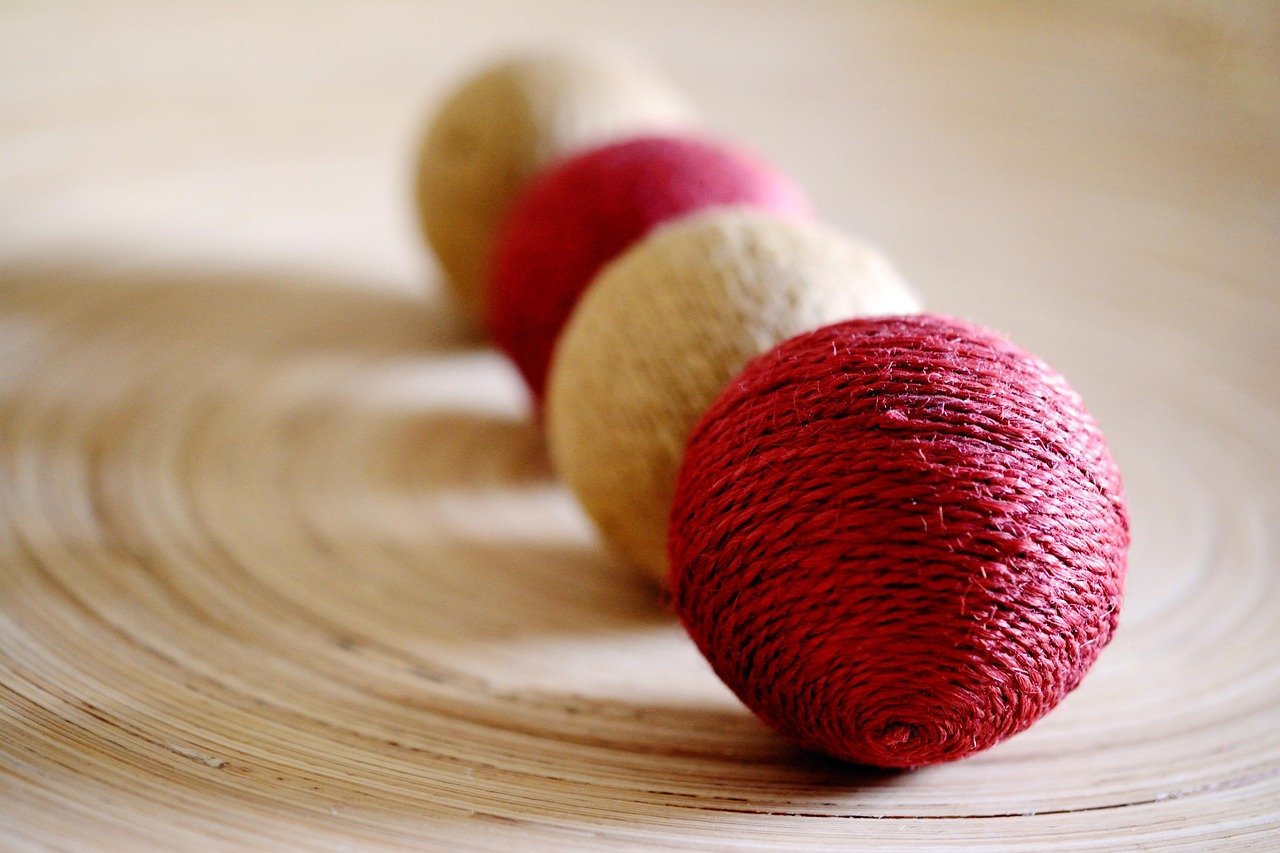
Here is the practical case for owning one. Yarn sold in hanks, which is common for hand-dyed and indie yarns, arrives as a looped bundle. If you knit straight from a hank, you get tangles, uneven tension, and a lot of swearing. You need to wind it first.
A well-made cake solves several problems at once:
- Center-pull feeding. The cake sits flat and yarn pulls from the middle, so it does not roll around the floor while you work.
- Consistent tension. Even winding means fewer surprise tight spots in your fabric.
- Storage and travel. Cakes stack neatly in bags and bins and take up less space than loose hanks.
- Faster project starts. A winder handles a 100-gram skein in a minute or two.
There is a workflow parallel worth noting here. Just as developers argue about tooling choices because small differences compound over time, crafters discover that the pnpm vs yarn workflow differences that matter 2027 debates have a fiber cousin: the winder you pick shapes your whole routine. A slow, wobbly winder makes every project feel like a chore. A good one disappears into the background.
Hand-Cranked vs Electric: A Real Comparison
Most buyers face one decision first: manual or electric. Both work. The right answer depends on volume and patience.
| Feature | Hand-cranked winder | Electric winder |
|---|---|---|
| Price | Lower | Higher |
| Speed | Moderate, depends on you | Fast and steady |
| Control | Excellent, you feel tension | Good, but less tactile |
| Best for | Small stashes, occasional use | Large stashes, frequent winding |
| Noise | Nearly silent | Motor hum |
| Space | Small footprint | Slightly larger |
| Repairs | Simple mechanics | Motor and electronics involved |
Hand-cranked models are the classic choice, and for many knitters they are all you ever need. You clamp them to a table, guide the yarn with one hand, and turn the crank with the other. The physical feedback is genuinely useful. You learn to feel when yarn is winding too tight, which matters for delicate fibers.
Electric winders shine when you process a lot of yarn at once, or when hand or wrist issues make cranking uncomfortable. They wind at a consistent speed and free up both hands for guiding the yarn. The tradeoff is cost and one more appliance to store.
A middle path many people take: buy a solid hand-cranked winder first, and upgrade to electric only if winding becomes a regular, high-volume task.
The Swift Question
Almost every winder discussion runs into the same follow-up: do you need a swift too? Usually, yes, if you buy hanks.
A swift is a separate adjustable frame that holds a hank open under light tension while you wind. Without one, you end up draping the hank over your knees or a chair back, which works but invites tangles. With one, the hank rotates smoothly as the winder pulls yarn off it. Winder and swift are a team, not rivals.
If you mostly buy yarn in balls or cakes already, you can skip the swift. If you buy hand-dyed hanks, budget for both. It is the single most common beginner mistake: buying a winder, then discovering the hank still needs a swift to feed it properly.
How to Wind Yarn Without Making a Mess
The steps are simple, but small errors cause big tangles. Here is a sequence that works in practice.
- Untwist the hank carefully and place it on the swift, spreading it so no strands cross.
- Find both ends. One end is usually tied off. Locate the free end and hold it.
- Clamp the winder securely to a stable table edge. A wobbly clamp is the number one cause of uneven cakes.
- Thread the yarn through the guide arm and hook it onto the center slot of the spindle.
- Wind slowly for the first few turns, keeping light, even tension. Let the yarn guide itself across the arm.
- Watch the edges. If the cake builds up on one side, adjust your guide hand position slightly.
- Slow down near the end and stop before the yarn pulls taut against the spindle.
- Slide the cake off and tuck the outer end into the center so it does not come loose.
Two mistakes show up again and again. Winding too fast creates loose, slumping cakes that collapse mid-project. Winding too tight stretches the yarn, and stretched yarn behaves differently in your gauge swatch than in the finished garment. Aim for firm but relaxed, like a gentle handshake.
What to Look For When Buying
Specs on winder listings can be vague, so focus on the things that actually affect daily use.
Clamp quality. A metal clamp with a wide throat grips better than a thin plastic one. Check the maximum table thickness it accepts.
Spindle and guide construction. Metal guide arms last longer than plastic ones and resist grooves forming over time. Grooves snag yarn.
Capacity. Most home winders handle 100-gram skeins comfortably. If you buy jumbo skeins, check the stated capacity before ordering.
Cake shape. A good winder produces a flat-bottomed cake with a hollow center. If reviews mention “donuts that collapse,” look elsewhere.
Replacement parts. Plastic gears wear out. A brand that sells spare parts is worth a few extra dollars.
Noise and stability. For electric models, read reviews about vibration. A winder that walks across the table is annoying and unsafe near the edge.
One more consideration: storage. Winders are awkward shapes. Measure your shelf or drawer before buying a large electric unit.
Care, Safety, and Common Fixes
Winders are low-maintenance, but a little care extends their life considerably.
Wipe the spindle and guide arm periodically to remove fiber dust and lanolin buildup, which makes yarn drag. Keep the mechanism dry. If a hand-cranked model starts squeaking, a tiny drop of light machine oil on the gear axle usually fixes it. Do not over-oil, since excess oil can migrate onto yarn.
For electric winders, standard appliance caution applies. Keep the motor away from water, unplug it when not in use, and do not force the spindle if it jams. For anyone sensitive to motor noise, the same principles that make wireless earbuds wind noise reduction actually works apply here in spirit: reduce the source, or manage it. In practice, that means winding in a room where a steady hum will not bother you, or choosing a manual model if quiet matters.
If a cake collapses mid-project, the usual culprit is winding too loosely at the start. If yarn keeps slipping off the spindle, check that the guide arm is threaded correctly. If the clamp slips, add a thin piece of rubber shelf liner between the clamp and the table.
Who Actually Needs One
Not everyone does, and it is worth being honest about that.
You probably need a winder if you buy hanks, dye your own yarn, frequently split large skeins into smaller balls, or find that hand-winding leaves your wrists sore. You probably do not need one if you only buy yarn already wound into cakes, work with very small amounts of yarn, or genuinely enjoy winding by hand as part of your process. Some people do. It can be meditative.
The middle group, and it is a large one, benefits from a basic hand-cranked winder plus a swift. That combination covers most home needs at modest cost.
A Note on Industrial Winding
It is easy to forget that the tabletop gadget has a serious industrial sibling. In textile manufacturing, winding is a standard process step where yarn is transferred onto cones, cheeses, or pirns before knitting or weaving. Package density and tension are engineered, not incidental, because a poorly formed package causes breaks and defects downstream. The home winder is a simplified version of the same logic: shape and tension matter, just at a smaller scale and with fewer consequences. (Inde navarrette movies tv shows her full acting career so)
Conclusion
A yarn winder is one of those small tools that quietly improves every project once it is in your routine. It does not spin, it does not ply, and it will not fix bad yarn, but it converts messy hanks into tidy center-pull cakes that behave predictably while you work. Start with a sturdy hand-cranked model and a swift if you buy hanks. Wind slowly at first, keep tension light and even, and watch the cake build rather than rushing it. Those few habits prevent nearly every tangle a beginner runs into. And if you find yourself comparing tools and workflows the way people compare package managers, that instinct is a good one. The right winder, like the right setup anywhere, is the one you stop noticing because it simply works.
Frequently Asked Questions
What is the difference between a yarn winder and a swift?
A winder turns yarn into a cake or ball. A swift holds a hank open under light tension so the winder can pull yarn off it cleanly. They do different jobs and work best as a pair when you buy yarn in hanks.
Can I use a yarn winder to wind yarn I already bought in a ball?
Yes, though it is optional. Rewinding a commercial ball into a cake can make it easier to store and can create a center-pull feed, but if the original ball works fine, there is no need to rewind it.
Does winding yarn affect gauge?
It can, indirectly. Yarn wound under heavy tension gets stretched, and stretched yarn may behave differently in your swatch than relaxed yarn. Wind with light, even tension to keep your gauge consistent.
How much yarn can a typical home winder hold?
Most home winders comfortably handle standard 100-gram skeins. Larger jumbo skeins may exceed the capacity of smaller models, so check the stated limit before buying if you work with big skeins.
Why does my yarn cake keep collapsing?
Collapsing cakes usually come from winding too loosely at the start or winding too fast. Slow down, keep steady light tension, and make sure the yarn is threaded through the guide arm correctly so it lays evenly.
Is an electric yarn winder worth the extra cost?
It depends on volume. Electric models are worth it if you wind often, process large amounts of yarn, or find cranking uncomfortable. For occasional winding, a hand-cranked model does the job at a lower price with fewer parts to break. (Do cats break wind whats normal whats not do)



