
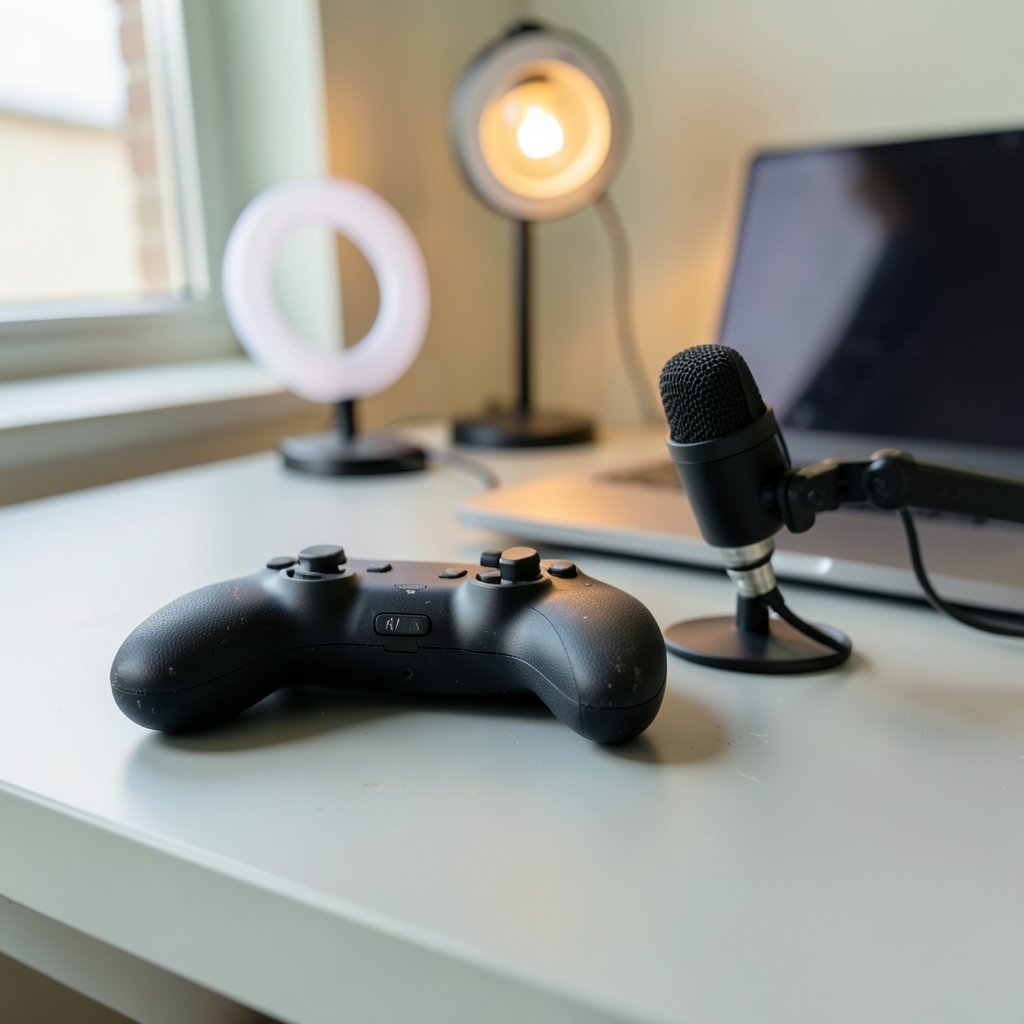
More than 3 billion people play video games worldwide, according to Wikipedia’s overview of the global gaming industry, yet only a tiny fraction ever publish a single video, stream, or post. That gap is the opportunity. Becoming a gaming content creator is less about being the best player in the lobby and more about showing up consistently, understanding your audience, and treating it like a craft rather than a lottery ticket. (Video game live streaming)
This guide walks through the practical steps: choosing a niche, picking a platform, building a setup that doesn’t bankrupt you, growing an audience, and turning attention into income without breaking disclosure rules.
Start With a Niche, Not a Game
The most common beginner mistake is picking the newest blockbuster title because it’s popular. Popular games are also the most crowded. A better approach is to choose at the intersection of three things: games you genuinely enjoy, games with an active community, and formats you can sustain for months.
Consider these angles:
| Niche type | Example | Competition | Longevity |
|---|---|---|---|
| Single-game specialist | One competitive shooter | High | Tied to game’s lifespan |
| Genre generalist | All soulslike games | Medium | Stable |
| Skill/coaching | Ranked improvement guides | Low-medium | Strong |
| Personality/commentary | Reaction and analysis | High | Depends on creator |
| Niche hardware | Budget builds and testing | Low | Durable |
A useful rule: if you can’t name ten video ideas in your niche within an hour, the niche is probably too thin. If you can name a hundred and they all sound identical, it’s too saturated.
Pick One Platform and Go Deep
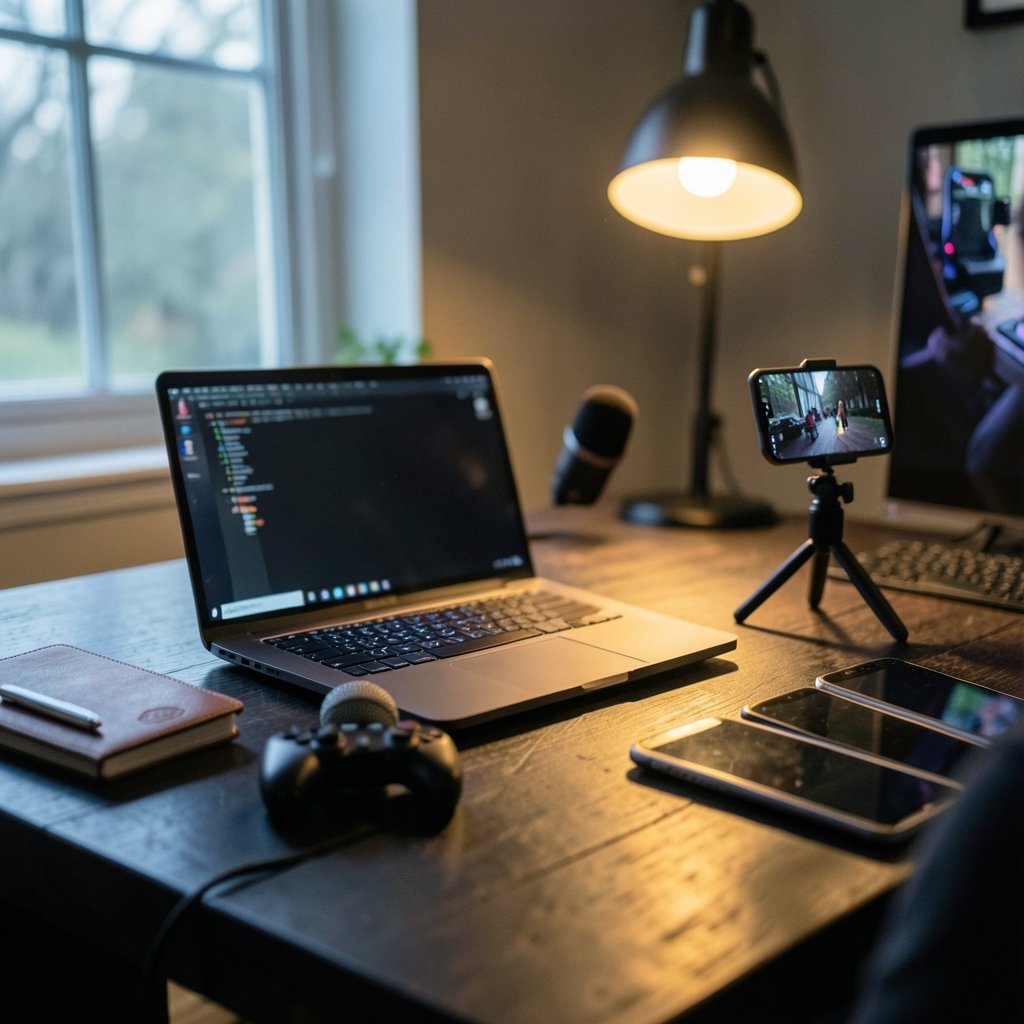
New creators often spread themselves across YouTube, Twitch, TikTok, and Instagram at once. That usually produces four mediocre channels instead of one growing one. Pick the platform that matches your format. (Twitch)
YouTube rewards searchable, evergreen content. A tutorial on a boss fight can keep earning views for years. Twitch rewards live consistency and community interaction. TikTok and Shorts reward hooks and volume. Long-form personality content does best where discovery is algorithmic.
The practical move for most beginners is to build a home base (YouTube or Twitch) and use short-form clips as a funnel. Repurposing one stream into five clips is far more efficient than producing five separate pieces of content.
If editing is where you get stuck, it helps to know which tools actually save time. A solid roundup of the best AI video editing tools for content creators can cut hours from each upload, and the best AI writing tools for content creators speed up scripts, descriptions, and titles.
Build a Setup That Grows With You
The single most repeated piece of advice in this space is also the truest: equipment is not the bottleneck. A creator with a $60 microphone and great pacing will beat someone with a $2,000 studio and no ideas every time.
That said, a few basics matter more than others:
- Audio first. Viewers forgive soft video far more readily than muddy sound. A decent USB microphone beats a cheap headset mic.
- Stable internet. Dropped frames and lag kill streams. Check upload speed and consider a wired connection; guides on the best internet for gaming explain what latency and jitter actually mean for streaming.
- A reliable PC. You don’t need a flagship rig. A well-chosen gaming PC under 1000 can handle 1080p streaming and editing comfortably.
- Comfortable peripherals. A wireless gaming headset keeps you mobile during long sessions, and a stable motherboard for gaming matters if you plan to upgrade over time.
Buy in stages. Upgrade the component that is actually limiting you, not the one that looks best in a thumbnail.
Learn the Craft of Content, Beyond the Game
Skill at a game and skill at making content are different jobs. The second one is learnable.
Hooks matter more than production value. The first three seconds decide whether someone stays. Open with the payoff, the tension, or the question, not a slow logo intro.
Structure beats rambling. Most successful gaming videos follow a simple arc: promise, struggle, resolution. A ten-minute video should feel like it earns its runtime.
Consistency compounds. Two uploads a week for a year beats ten uploads in a month followed by burnout. Viewers subscribe to patterns, not one-off hits.
Study your own analytics honestly. Watch time, retention curves, and click-through rate tell you where people leave. Most creators guess wrong about which part of their video is weakest.
A Practical Weekly Workflow
- Monday: plan three ideas and write rough scripts
- Tuesday and Wednesday: record or stream
- Thursday: edit and clip
- Friday: publish, write descriptions, schedule shorts
- Weekend: engage in comments and communities
This kind of rhythm is what separates hobbyists from creators who last. For a broader look at how AI fits into each stage, this guide on how to use AI for content creation covers scripting, thumbnails, and repurposing.
Grow an Audience Without Gimmicks
Growth advice is often vague. Here is what actually tends to work:
Be findable. Title and thumbnail are the product. If nobody clicks, nothing else matters. Write titles that state a specific benefit or tension, and design thumbnails that read clearly at phone size.
Be present where your audience already is. Comment thoughtfully in relevant communities, join Discord servers, and answer questions. Spamming links gets you banned; being useful gets you followed.
Collaborate early. Small creators helping small creators is the most underrated growth channel. A joint video with someone at your level doubles your reach at zero cost.
Post more than feels comfortable at first. Volume is how you find what works. Most creators’ breakout video is their fortieth, not their fourth.
Patience is the actual strategy. The creators who “made it overnight” usually spent two years being invisible first.
Understand the Money Before You Chase It
Monetization is where new creators get the most misinformation. Revenue comes from several streams, and none of them arrive quickly.
| Income stream | Typical threshold | Notes |
|---|---|---|
| Platform ads | Program eligibility required | Thresholds change; verify current rules |
| Subscriptions/donations | Usually immediate | Small but steady |
| Sponsorships | Audience size and engagement | Often the largest share |
| Affiliate links | None | Commission-based |
| Merchandise | None | Needs an existing audience |
| Coaching/guides | None | High margin, low volume |
Platform partner programs have eligibility thresholds that change over time, so always check the official help pages for the current requirements rather than trusting a video from two years ago. Revenue splits also differ by platform and tier and get revised.
Disclosure is not optional. In the United States, the Federal Trade Commission’s Endorsement Guides require creators to clearly disclose paid sponsorships and affiliate relationships. Similar rules exist in the UK through the Competition and Markets Authority. A simple “includes paid promotion” label or a spoken disclosure satisfies most requirements, but hiding sponsorships can create real legal exposure.
Copyright is a genuine risk. Game publishers set their own content-creation policies, and many are creator-friendly, but music, third-party assets, and footage from other creators are separate matters. Read each publisher’s fan-content terms before you build a channel around their game.
Taxes apply to creators too. Income from ads, donations, and sponsorships is generally taxable. Under-18 creators often need a parent or guardian involved in tax registration, and platform age minimums usually start at 13 with parental consent rules varying by jurisdiction.
Avoid the Mistakes That Stall Most Beginners
Some patterns show up again and again among creators who quit within six months:
- Chasing trends with no connection to their interests, which leads to burnout.
- Buying gear instead of making videos, which feels productive but isn’t.
- Comparing day 30 to someone’s year five, which destroys motivation.
- Ignoring the community, treating comments as an afterthought rather than the point.
- Never asking for feedback, then wondering why retention is flat.
The fix for most of these is the same: publish something small, learn from it, and repeat. Momentum beats perfection.
Conclusion
Becoming a gaming content creator is a craft, a business, and a long game all at once. The path is not mysterious: pick a niche you can sustain, choose one platform and go deep, build a setup that serves the content rather than replacing it, study the fundamentals of hooks and structure, grow through usefulness and collaboration, and treat monetization and disclosure as serious obligations rather than afterthoughts.
The creators who succeed are rarely the most talented players. They are the ones who kept publishing, kept learning from their own numbers, and kept showing up when nobody was watching. Start with one video this week. The rest is repetition.
FAQ
How long does it take to become a gaming content creator?
There is no fixed timeline, but most creators who reach a meaningful audience spend one to three years publishing consistently before growth becomes obvious. The first year is usually about learning the craft, not earning money. Treating it as a skill-building period makes the slow months far easier to survive.
Do I need expensive equipment to start?
No. A basic microphone, a computer capable of running your games, and stable internet are enough for a first upload. Viewers tolerate modest video quality but abandon poor audio quickly. Upgrade only when a specific piece of gear is clearly holding back your content, not because a video told you to.
Which platform is best for new gaming creators?
It depends on your format. YouTube suits searchable tutorials and evergreen guides. Twitch suits live interaction and community building. TikTok and Shorts suit short, hook-driven clips. Most beginners do best by choosing one home platform and using short-form clips to funnel viewers toward it.
Can I make money as a small creator?
Yes, but usually through channels other than platform ads. Affiliate links, coaching, small sponsorships, donations, and digital products can generate income well before ad revenue thresholds are met. Platform partner programs have eligibility requirements that change over time, so verify current rules on official help pages.
Do I have to disclose sponsorships and affiliate links?
In most jurisdictions, yes. In the United States, the Federal Trade Commission requires clear disclosure of paid partnerships and affiliate relationships, and the UK has parallel rules. A simple label or spoken statement is usually enough. Undisclosed sponsorships can create legal and reputational risk that is not worth the fee.
What if I am under 18?
Most platforms set a minimum age of 13, with parental consent rules varying by country. Income from ads, donations, and sponsorships is generally taxable, so a parent or guardian typically needs to be involved in setting up payments and tax registration. Many young creators also benefit from a guardian reviewing contracts before signing anything.
Start small, but start. One upload teaches you more than a month of planning, and every video is a data point you can learn from. Keep a simple log of what you published, what performed, and what you would change next time. That habit alone puts you ahead of most beginners.
Finally, protect your health and your love of games. Take breaks, guard your sleep, and remember why you started playing in the first place. Burnout ends more channels than bad audio ever will. The creators still standing in five years are the ones who treated this like a marathon, not a sprint.



