
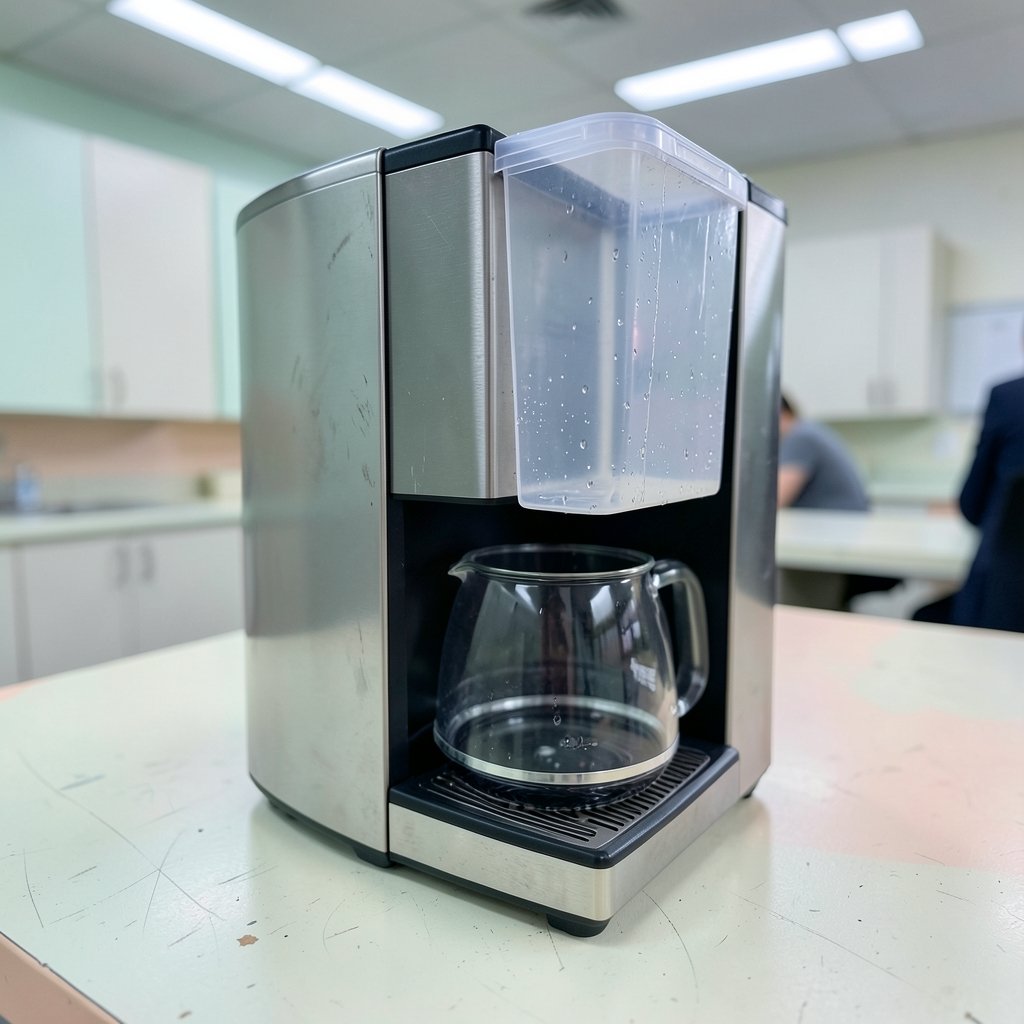
Ever tried to fill a coffee maker’s water tank by balancing a full pitcher at a weird angle over the counter, praying you don’t slosh water into the machine’s electronics? That small daily annoyance is exactly why so many shoppers now hunt for a coffee maker with a removable water reservoir. It sounds like a minor spec. In daily use, it changes how the machine feels, how clean it stays, and how long it lasts.
This guide breaks down what a removable reservoir really is, which machine types offer one, what to check before buying, and the maintenance habits that keep it working. It also covers the trade-offs nobody mentions in the product listing.
What a Removable Water Reservoir Actually Is
A removable water reservoir is a tank that lifts off the coffee maker entirely, so you can carry it to the sink, fill it under the tap, and wash it. That’s the whole idea. It sits in contrast to two other designs:
| Reservoir type | How you fill it | Cleaning | Typical machines |
|---|---|---|---|
| Removable tank | Lift out, carry to sink | Wash in sink, easy to scrub | Drip machines, pod machines, many espresso machines |
| Fixed tank | Pour water in place | Wipe and descale in place | Budget drip machines, some compact espresso units |
| Plumbed/direct-connect | Water line | Flushing cycle only | Built-in and commercial machines |
The difference sounds trivial until you’ve owned both. A fixed tank means every refill is a pouring operation with a limited clearance above the machine. A removable tank means one trip to the sink and back. For anyone with arthritis, a small kitchen, or a machine tucked under a cabinet, that matters more than most spec-sheet features.
Why People Seek Out This Feature
The appeal isn’t marketing hype. It comes down to four practical benefits.
Filling is easier and cleaner. You fill the tank at the faucet instead of aiming a stream of water into a narrow opening. Fewer spills on the counter, fewer drips down the machine’s back panel.
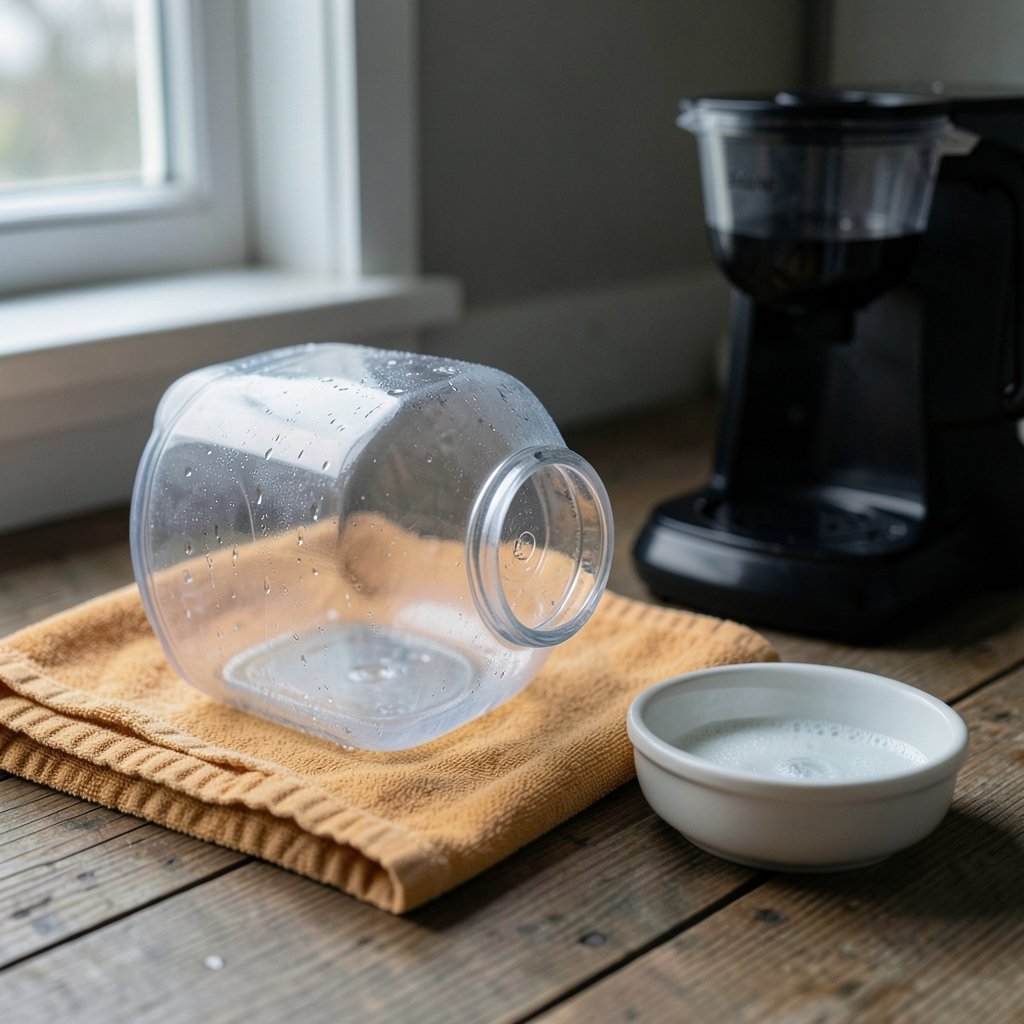
Cleaning gets real. Coffee oils and mineral film build up inside any tank. A removable reservoir can be washed with warm soapy water and rinsed properly. A fixed tank usually gets a wipe and a descaling run, and the corners stay grimy.
Descaling is less painful. Mineral scale is the top cause of premature coffee maker failure in hard-water areas. With a removable tank, you can measure water and descaler precisely, and some tanks are even dishwasher-safe (check your manual before trying it).
Water quality is easier to control. If your tap water tastes like chlorine, you can fill a removable tank with filtered water without installing a filtration system. That matters for flavor, especially in espresso, where water makes up most of the cup. If you’re chasing better extraction, the beans and the water both count, and guides to the best coffee beans for espresso pair well with cleaner water.
Which Machine Types Offer One
Removable reservoirs show up across most household categories, but not evenly.
Drip and filter machines
Most mid-range and premium drip machines use a lift-out tank, often with a visible water-level window. Capacities commonly run from about 5 to 14 cups, though “cup” definitions vary between roughly 5 and 8 ounces, which is a real source of confusion when comparing models. If pour-over-style control matters to you, some hybrid machines blur the line; a dedicated best pour over coffee maker is a different tool entirely, but the water-handling habits overlap.
Single-serve pod machines
Pod machines almost always use a removable tank because the tank sits beside or behind the brewing head. Sizes are usually smaller, often in the 0.6 to 1.5 liter range. If you’re comparing pod systems, it’s worth reading up on the best k cup coffee maker options and checking whether the tank lifts off cleanly or clips in awkwardly. The same logic applies when weighing the best keurig coffee maker models, since reservoir design varies noticeably even within one brand family.
Espresso machines
Many home espresso machines use removable tanks, sometimes front-loading or top-loading. Top-loading tanks are easier to fill but can be blocked by a cabinet. Front-loading tanks slide out like a drawer, which is friendlier in tight spaces. Either way, confirm the tank comes out without removing the drip tray or the portafilter.
Machines that don’t
Plumbed machines, direct-connect models, and some very compact budget units skip the removable tank. That’s not automatically bad. Plumbed machines never need refilling at all. But if you want sink access for cleaning, a removable tank is the feature to insist on. (Coffeemaker)
What to Check Before You Buy
Product listings bury the details that decide whether a reservoir is pleasant or infuriating. Here’s what to verify.
- Lift-out clearance. Will the tank clear your upper cabinets when you pull it straight up? Measure the space above the machine rather than only the machine’s height.
- Handle and grip. A full 1.5-liter tank weighs about 1.5 kilograms (roughly 3.3 pounds) plus the tank itself. A molded handle helps.
- Opening size. A wide mouth is easier to fill and much easier to scrub. Narrow necks trap coffee oils.
- Water-level visibility. A clear window or float indicator saves you from lifting a half-full tank to check.
- Seal and alignment. The tank usually seats against a valve or gasket. Look for reviews mentioning leaks, wobble, or tanks that must be jiggled into place.
- Sensor behavior. Many machines use float switches or optical sensors to detect low water. Some warn when the tank is missing; others just refuse to brew. Check which behavior you’re getting.
- Dishwasher guidance. Some tanks are top-rack dishwasher safe, many are not. The manual is the only reliable source.
- Replacement parts. Tanks crack. Confirm the manufacturer sells replacements, and at what price.
A quick note on standards: household coffee makers in the U.S. are commonly evaluated against voluntary safety standards such as UL 1082, and appliance energy programs exist at the federal level. Standards and editions change, so verify current status with the manufacturer or the standards body rather than trusting an old listing. Regulatory details around appliance efficiency also shift over time, so treat any efficiency claim on a box as something to confirm independently.
Common Mistakes People Make
A few patterns show up again and again among owners.
Filling above the max line. Overfilling seems harmless. It can cause overflow into the brewing chamber, dilute the brew ratio, or trigger error codes. The max line exists for a reason.
Never washing the tank. People descale the machine but forget the tank itself. Coffee oils go rancid, and the tank starts to smell. A weekly warm soapy wash is the simple fix.
Using the tank as a pitcher. Some tanks are fine to carry; none are designed for pouring into other vessels. Skip it.
Ignoring the gasket. The rubber seal where the tank meets the machine degrades. If you see slow drips or the machine reports low water when the tank is full, the seal or sensor contact is the first suspect.
Storing water in the tank for weeks. Standing water grows biofilm. Empty and dry the tank if you’re away for a while.
Assuming all tanks are interchangeable. They aren’t, even within a brand. Buy the replacement specified for your exact model number.
Cleaning and Descaling: What Works in Practice
The routine that actually holds up is boring, which is why it works.
- Weekly: Remove the tank, wash with warm water and a drop of dish soap, rinse thoroughly, air dry.
- Monthly (or per manual): Run the machine’s descaling cycle. Frequency depends heavily on water hardness, and brand recommendations vary widely, so follow your manual rather than a generic rule.
- Every few months: Inspect the gasket and the valve where the tank seats. Wipe away mineral crust.
- Always: Use filtered water if your tap is hard. It slows scale and improves flavor.
One practical tip: descale on a day you’ll be home. Cycles involve multiple fill-and-rinse rounds, and a removable tank makes each round faster because you’re not pouring blindly into a fixed opening.
The Trade-Offs Nobody Mentions
Removable reservoirs aren’t strictly better. They add failure points: seals, alignment tabs, sensor contacts, and the tank itself, which can crack if dropped. A fixed tank has fewer things to break.
There’s also the refill ritual. With a plumbed machine, you never think about water. With a removable tank, you do, every day or two. Some people find that ritual pleasant; others find it a chore. If you drink a lot of coffee, a larger tank means fewer trips.
And then there’s the sensor quirk. Some machines won’t brew if the tank isn’t seated perfectly. That’s a safety feature, but it can feel like a fault at 6 a.m. Reviews that mention “tank has to sit just right” are worth heeding.
How This Fits Into a Bigger Coffee Setup
Water handling is one variable in a larger system. If you’re upgrading, think about the whole chain: water, grind, brew method, and beans. Someone comparing machines might also be curious about how automated tools are changing everyday decisions, from recipe planning to equipment research; even curious side questions like how much water does ai use per day come up in conversations about resource use, and the same curiosity applies to how much water does ai use per prompt when people weigh digital versus physical resource costs. It’s a different kind of water math, but the habit of asking where resources go is the same one that makes you check your machine’s tank size before buying. (Ground Water and Drinking Water)
For straightforward brew-quality upgrades, the beans usually beat the hardware. A guide to the best coffee is a better starting point than a new machine if your current one still works. And if you’re building presentations about your setup or a purchase comparison for a team, tools like an ai presentation maker from text can turn notes into slides quickly, though the coffee research still has to be yours.
Conclusion
A coffee maker with a removable water reservoir is one of those features that seems small on the spec sheet and feels large every morning. It makes filling easier, cleaning possible, and descaling less annoying. The trade-off is a few extra parts that can wear out, plus a daily refill ritual that some owners love and others tolerate.
The buying decision comes down to fit: measure your cabinet clearance, check the handle and opening, confirm the seal design in reviews, and verify that replacement tanks exist. Then commit to the boring maintenance routine, because a clean reservoir and regular descaling do more for cup quality and machine lifespan than any premium feature. Get those basics right, and the reservoir becomes invisible, which is exactly what you want from a water tank.
Frequently Asked Questions
Are removable water reservoirs dishwasher safe?
Some are, many aren’t. Heat can warp the plastic or damage level sensors, so the manual is the only reliable answer. When in doubt, hand wash with warm soapy water and air dry.
How often should I clean a removable water reservoir?
A quick warm soapy wash once a week handles most households. If you use the machine daily or live in a hard-water area, rinse more often and descale the machine on the schedule in your manual.
Why does my machine say the tank is empty when it’s full?
The usual culprits are a tank that isn’t seated fully, a dirty sensor contact, or a worn gasket. Reseat the tank firmly, wipe the contact points, and check the seal before assuming the machine is broken.
Is a removable tank better than a fixed one?
For most home users, yes, mainly for cleaning and filling convenience. Fixed tanks have fewer parts to fail. Plumbed machines skip refilling entirely but need a water line and cost more to install.
Can I put filtered or bottled water in the reservoir?
Yes, and it’s often a good idea if your tap water is hard or heavily chlorinated. Avoid distilled water in machines that rely on mineral sensors, and never add anything other than water unless the manual says otherwise.
Do I need to empty the tank between uses?
Not every day, but don’t leave water sitting for weeks. Empty and dry the tank before vacations, and freshen the water every few days so it doesn’t go stale or develop biofilm.



