What do a Ponte Vedra Beach law office, a Nassau County bait shop, and a downtown Jacksonville coffee roaster have in common? They may all answer calls from the same 904 area code — a three-digit label tied to northeast Florida since the earliest days of the North American Numbering Plan. But 904 carries more than local trivia. It has a split history, a newer overlay code sharing its territory, and dialing rules that trip up visitors and new residents alike. Here is how 904 works, where it reaches, and what changed along the way.
Where the 904 Area Code Covers Today
The 904 area code serves Jacksonville and the counties that surround it in northeast Florida. That footprint includes Duval County, where Jacksonville sits, plus St. Johns, Clay, Nassau, and Baker counties. In practical terms, the code stretches from the beaches east of Jacksonville down through St. Augustine and inland toward the smaller communities that depend on the city’s economy.
It is worth pausing on how unusual that makes 904. Most large American cities sit inside a dense cluster of area codes. Jacksonville, by contrast, is one of the largest cities in the country with a single primary code for its urban core. Neighboring codes like 352 to the southwest and 850 to the west cover far more land but far fewer people per square mile. That contrast tells you something about how Florida’s population is distributed — and how numbering planners think about density rather than geography alone.
The code’s identity is also tied to the region’s institutions: the port, the insurance and banking employers downtown, the medical campuses, and the beach communities that draw seasonal residents. When a business advertises a 904 number, it is signaling northeast Florida in the same way that other regions use their own codes as shorthand. You can see that same local-identity logic at work in guides to the 480 area code and the East Valley’s phone identity, where a suburban Phoenix code carries a similar sense of place.
A Short History of 904: Original Code, Then Splits
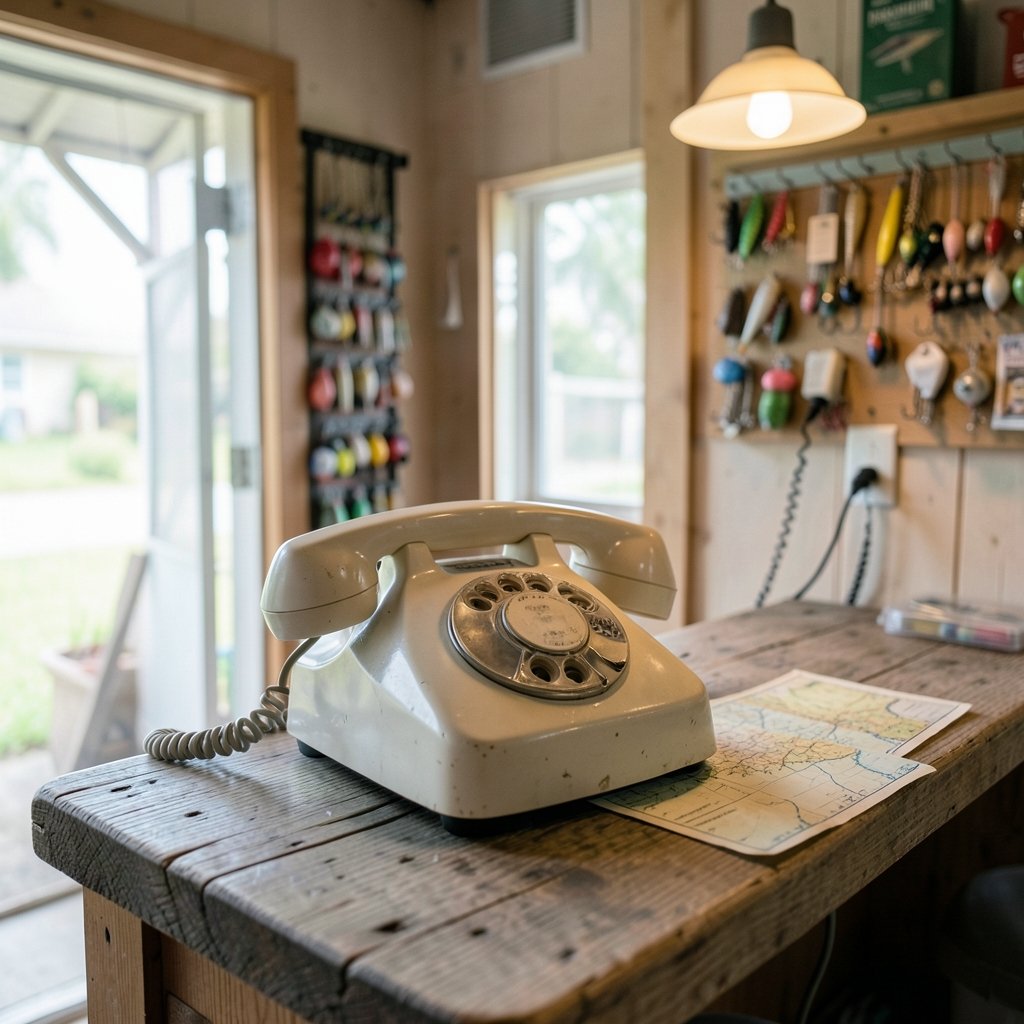
The 904 area code is one of Florida’s original area codes, dating to the introduction of the North American Numbering Plan in 1947. At that time it covered all of northern Florida — a vast territory that stretched from the Atlantic coast across to the Gulf. For decades, a single code handled a region that today requires several.
That changed as Florida’s population boomed. In 1995, the 352 area code was carved out for central and northern Florida outside the Jacksonville core, shrinking 904 considerably. Two years later, in 1997, the 850 area code was assigned to the Florida Panhandle, reducing 904 again. By the end of that decade, 904 had settled into roughly the shape it holds today: Jacksonville plus its surrounding counties.
Splits like these were the standard tool of the 1990s. When a region ran short of numbers, regulators simply drew a line and gave one side a new code. The catch was disruption: businesses had to reprint stationery, update signage, and notify every customer. That pain is why the industry eventually shifted toward overlays, which add a new code to the same territory instead of dividing it. The same evolution played out in major metros across the country, and you can trace it in explainers on the 213 area code and downtown Los Angeles’s original number, where a single historic code was eventually joined by newer ones.
The 324 Overlay and What It Means for Residents
The 904 area code is now overlaid by area code 324, approved by the Florida Public Service Commission and implemented by the North American Numbering Plan Administrator under federal oversight. An overlay does not take anything away from existing 904 numbers. Instead, it adds a second code to the same geographic area, and new lines may be assigned either 904 or 324 depending on what is available.
For residents, the practical effect is simple: a 324 number is a local northeast Florida number, not a long-distance one. For businesses, the effect is subtler. A company that has advertised its 904 number for years keeps it, but new lines at the same address might carry 324. That can create a slightly confusing mix on a single storefront sign, which is one reason some businesses request a specific code when ordering new service.
Overlays have become the default relief method nationwide, and the pattern repeats in metro after metro. New York City’s Manhattan numbers, for example, moved through a similar transition, which is why guides to the 917 area code as New York City’s overlay code spend so much time on the difference between an original code and an overlay. The lesson from all of them is the same: an unfamiliar code inside your own region is normal, not a sign of a scam.
How to Tell Whether a Number Is Local
A quick way to sanity-check a number is to ask what region it belongs to rather than what city it “sounds like.” Overlay codes are assigned to a specific territory, so a 324 prefix is northeast Florida just as a 904 prefix is. If someone claims to be calling from Jacksonville but the number traces to a completely different region, that mismatch is worth a second look. The same logic applies anywhere: a caller’s claimed location and their code’s assigned territory should line up. Guides to the 347 area code and New York City’s overlay system make this point well, because New York’s dense stack of overlapping codes is a good stress test for anyone learning to read area codes.
Dialing Rules: Why You Now Need Ten Digits
Because of the overlay, 10-digit local dialing is required throughout the 904/324 region. That means dialing the area code plus the seven-digit number even when you are calling across the street. Skipping the area code no longer connects the call.
This is a bigger change than it sounds. For most of the twentieth century, local calls in the United States needed only seven digits, and people memorized numbers without ever thinking about area codes. The shift to ten-digit dialing happened region by region as overlays spread, and it is now the norm in most urban areas. If you grew up in a small town where seven digits still work, moving to Jacksonville means retraining a habit that feels automatic.
A few practical notes help:
- Save contacts with the area code included, so your phone dials correctly the first time.
- Update printed materials, menus, and vehicle wraps if they show a seven-digit number.
- Check autodial systems, fax machines, and alarm panels, which often store numbers in old formats.
- Remind out-of-town family members, who may still be dialing the old way.
The last point causes more missed connections than any other. Someone who visited Jacksonville a decade ago may still have a seven-digit number saved, and the call simply will not go through. A quick text with the full ten-digit number solves it.
Common Mistakes People Make With 904 Numbers
The most frequent error is assuming an unfamiliar code means a spam call. When 324 numbers began appearing, plenty of residents ignored them, assuming they were out of state. In reality, those calls were often neighbors, contractors, or the school district. Treating a new overlay code as suspicious is a reasonable instinct, but in this case it costs you real local contacts.
The second mistake is assuming 904 equals the city of Jacksonville proper. The code covers a much wider region, including rural stretches of Baker County and beach towns in St. Johns County. A 904 number tells you the caller is in northeast Florida, not that they are downtown.
The third mistake is outdated paperwork. Small businesses are especially prone to leaving seven-digit numbers on invoices, van decals, and Google listings long after the dialing change. It looks careless to customers who cannot reach the number. A periodic audit of every place a phone number appears is cheap insurance.
Finally, some people assume that getting a 904 number guarantees local credibility. It helps, but customers increasingly check whether a business actually operates in the area. A code is a signal, not a substitute for a real local presence.
How 904 Compares With Other Florida Codes
Florida’s numbering map is a patchwork, and comparing codes side by side makes the differences clear.
| Code | Region | Status |
|---|---|---|
| 904 | Jacksonville and northeast Florida | Original code, now overlaid by 324 |
| 324 | Same territory as 904 | Overlay code |
| 352 | Central and northern Florida outside Jacksonville | Split from 904 in 1995 |
| 850 | Florida Panhandle | Split from 904 in 1997 |
| 407/321 | Orlando and the Space Coast | Separate region with its own overlay history |
The pattern is familiar across the Sun Belt: original codes were huge, growth forced splits, and splits eventually gave way to overlays. California followed a similar path, which is why the 424 area code overlay in Los Angeles exists alongside older codes in the same metro. Coastal communities often develop especially strong code identities, a phenomenon visible in guides to the 949 area code as Orange County’s coastal calling card, where the code itself became a marker of affluence and location.
For anyone tracking how these transitions work, the 323 area code overlay and dialing rules for Los Angeles offer a useful comparison, since Los Angeles went through multiple overlays in a short span. Closer to home, the 469 area code overlay guide for Dallas-Fort Worth shows how a fast-growing metro manages the same numbering pressure that northeast Florida now faces. The mechanics are identical everywhere: a regulator approves relief, a new code is activated, and ten-digit dialing becomes mandatory.
What Comes Next for Northeast Florida Numbers
Numbering relief is not a one-time event. As northeast Florida keeps adding residents and businesses, the pool of available numbers shrinks, and regulators monitor exhaustion forecasts years in advance. If demand outpaces supply again, another overlay is the likely remedy rather than another split, since overlays avoid forcing existing customers to change numbers.
For residents, that means the region’s dialing habits are effectively permanent. Ten-digit dialing is here to stay, and any future code will simply join 904 and 324 on the same map. The best preparation is unglamorous: keep contacts saved with area codes, keep printed materials current, and treat unfamiliar local codes as neighbors rather than intruders.
Conclusion
The 904 area code is a compact case study in how American phone numbering evolves. It began in 1947 as a giant northern Florida territory, was trimmed twice in the 1990s as the state’s population surged, and now shares its footprint with the newer 324 overlay. Ten-digit dialing is mandatory, the code covers far more than Jacksonville proper, and the mix of 904 and 324 numbers on local signs is a sign of growth rather than confusion. Understanding that history does more than satisfy curiosity. It helps residents dial correctly, helps businesses keep their listings accurate, and helps everyone recognize that a local call can come from a code they have never seen before.
Frequently Asked Questions
What area code is 904?
The 904 area code serves Jacksonville, Florida, and the surrounding northeast Florida counties, including Duval, St. Johns, Clay, Nassau, and Baker. It is one of Florida’s original area codes, introduced with the North American Numbering Plan in 1947.
Is 324 a Jacksonville area code?
Yes. Area code 324 is an overlay for the same northeast Florida territory covered by 904. It was approved by the Florida Public Service Commission and implemented by the North American Numbering Plan Administrator. A 324 number is a local Jacksonville-area number.
Do I have to dial ten digits for local calls in Jacksonville?
Yes. Because of the 324 overlay, 10-digit local dialing is required throughout the 904/324 region. You must dial the area code plus the seven-digit number even for calls within the same city.
Why did Jacksonville get an overlay instead of another split?
Overlays add a new code to an existing territory without forcing current customers to change numbers. Splits, which 904 experienced in 1995 and 1997, require thousands of customers and businesses to adopt new numbers. Regulators now generally prefer overlays to avoid that disruption.
Is a call from a 324 number a scam?
Not necessarily. Since 324 shares the same territory as 904, many calls from 324 numbers are genuinely local. That said, area codes alone never guarantee legitimacy, so verify unexpected callers through a callback to a known number rather than trusting the code.
When did 904 stop covering all of northern Florida?
The 904 area code was reduced in two steps. In 1995, the 352 area code was created for central and northern Florida outside Jacksonville. In 1997, the 850 area code was assigned to the Florida Panhandle, leaving 904 with roughly its present footprint.