
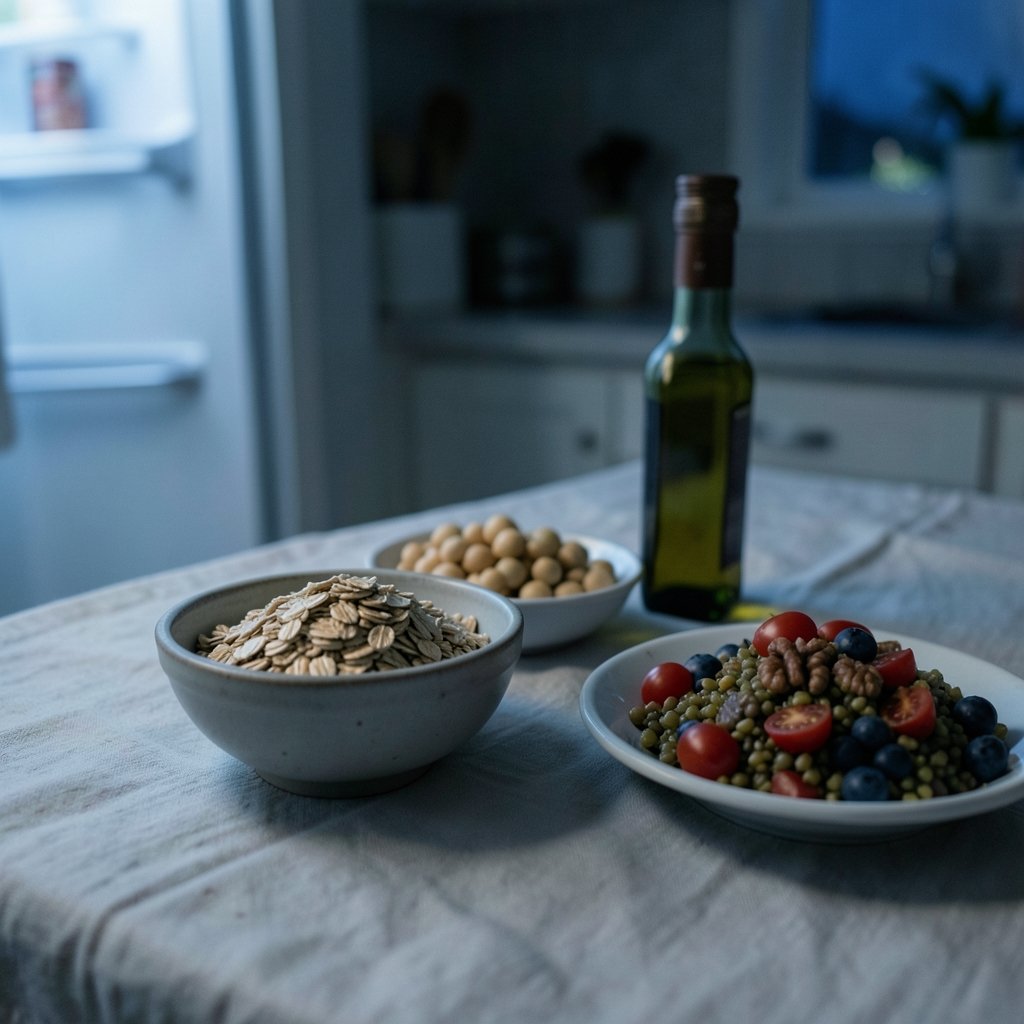
Could the most useful change in managing polycystic ovary syndrome (PCOS) come from choosing the right carbohydrates rather than cutting them entirely? That question drives the low GI diet discussion. PCOS affects a large share of women of reproductive age, and insulin resistance is one of its most common underlying features, even in women who are not overweight. A low glycemic index (GI) eating pattern is one of the most discussed dietary approaches for managing it. The evidence strength, a realistic day of eating, and common mistakes are covered below.
What PCOS Actually Involves
PCOS is diagnosed using the Rotterdam criteria, established in 2003. A diagnosis requires at least two of three features: irregular or absent ovulation, clinical or biochemical signs of excess androgens (acne, excess hair growth, or elevated testosterone on a blood test), and polycystic ovaries visible on ultrasound.
Insulin resistance runs through much of this picture. When cells respond poorly to insulin, the body compensates by producing more of it. High insulin levels are thought to push the ovaries toward producing more androgens and to lower levels of sex hormone binding globulin (SHBG), which in turn raises free testosterone. That chain of events helps explain why cycles become irregular and why symptoms like acne and unwanted hair appear. It also explains why dietary strategies that smooth out insulin response get so much attention.
What “Low GI” Really Means
The glycemic index ranks carbohydrate-containing foods by how much they raise blood glucose compared with a reference food. On the glucose scale, a GI of 55 or below is generally considered low, 56 to 69 is medium, and 70 and above is high.
A few practical points matter more than the numbers themselves:
- GI is measured on a food eaten alone. Real meals combine foods, and fat, protein, and fiber all slow digestion.
- Cooking and processing change GI dramatically. Instant oats spike blood sugar far more than steel-cut oats.
- Portion still counts. A low-GI food eaten in huge amounts can still deliver a large glucose load.
- Glycemic load combines GI with the actual amount of carbohydrate in a serving, which is often the more useful number.
The concept was developed and is maintained through the glycemic index research program at the University of Sydney, which remains the standard reference for GI values.
Why a Low GI Diet Might Help PCOS
The logic is straightforward. Lower-GI meals produce smaller post-meal glucose and insulin spikes. Over a day, that means a gentler insulin load. Since hyperinsulinemia is thought to drive ovarian androgen production and suppress SHBG, reducing insulin exposure is a plausible route to better hormonal balance.
A 2020 systematic review and meta-analysis found that low-GI and low-glycemic-load diets were associated with improvements in insulin resistance and some hormonal markers in PCOS compared with conventional diets. That is encouraging. It is also where the honesty has to start: the number of trials was small, and their quality was limited. Most studies tested low-GI eating as one part of a broader lifestyle program, not in isolation. So causal claims about GI alone should be made carefully.
The 2023 International Evidence-based Guideline for the Assessment and Management of PCOS, developed at Monash University and endorsed by major reproductive medicine bodies, recommends lifestyle intervention as first-line management for weight and metabolic health. It explicitly states there is no single optimal diet and supports individualized approaches, including lower-glycemic-index eating. A Cochrane review of lifestyle interventions in PCOS found the overall evidence base to be of low quality and could not establish superiority of any specific diet. That is not a reason to ignore diet. It is a reason to hold specific claims loosely and focus on what reliably works.
The Finding That Matters Most
Here is the part people often skip. Across trials in PCOS, weight loss of roughly 5 to 10 percent improves menstrual regularity and metabolic markers regardless of macronutrient composition. The diet label may matter less than overall energy balance, food quality, and, above all, adherence.
That reframes the low GI approach. It is not magic. It is a practical framework that tends to make adherence easier for people with insulin resistance because it reduces hunger swings and afternoon crashes. If a low GI pattern helps someone stick with a calorie-appropriate, nutrient-dense diet, it has done its job. If it feels restrictive and leads to abandoning the plan, it has failed, no matter how good the theory is.
Building a Low GI Plate: What Works in Practice
The most common mistake is treating low GI as a list of approved foods rather than a way of assembling meals. A second common mistake is swapping refined carbs for low-GI alternatives while ignoring total portions. A third is forgetting protein and fat, which blunt glucose response and improve satiety.
A workable structure for most meals:
- Start with a palm-sized portion of protein: eggs, fish, chicken, tofu, tempeh, Greek yogurt, or legumes.
- Add a generous serving of non-starchy vegetables, which contribute fiber and volume with minimal glucose impact.
- Choose one low-GI carbohydrate in a measured portion: steel-cut oats, barley, quinoa, lentils, chickpeas, sweet potato, or whole-grain sourdough.
- Add a source of healthy fat: olive oil, nuts, seeds, avocado.
- Eat vegetables and protein before the starch when possible; food order modestly lowers the post-meal glucose curve.
A Sample Day
| Meal | Example | Why it works |
|---|---|---|
| Breakfast | Steel-cut oats with Greek yogurt, chia seeds, and berries | Low-GI starch plus protein and fiber |
| Lunch | Lentil and vegetable soup with whole-grain bread and olive oil | Legumes are very low GI and high in fiber |
| Snack | Apple with a handful of almonds | Fiber plus fat slows absorption |
| Dinner | Baked salmon with barley, roasted vegetables, and tahini dressing | Protein, low-GI grain, healthy fat |
| Optional | Plain yogurt with cinnamon | Protein-forward, low glucose impact |
Foods Worth Rethinking
| Higher GI choice | Lower GI swap |
|---|---|
| White rice | Converted or basmati rice, barley, or quinoa |
| Instant oatmeal | Steel-cut or rolled oats |
| White bread | Whole-grain sourdough or dense seeded bread |
| Sugary cereal | Oats with nuts and berries |
| Fruit juice | Whole fruit |
| Potato chips | Nuts, seeds, or vegetables with hummus |
Practical Tips and Common Mistakes
Watch the liquid calories. Juice, sweetened coffee drinks, and smoothies made mostly of fruit deliver a fast glucose load with little satiety. This single change often does more than any food swap.
Do not fear fruit. Most whole fruit is low to medium GI, and the fiber and polyphenols are worth having. Berries, apples, pears, and citrus are especially good choices.
Pair, do not eliminate. Adding protein or fat to a higher-GI food lowers the overall meal response. A slice of bread with eggs behaves very differently from the same bread eaten alone.
Cook pasta al dente and cool it. Cooling cooked starch increases resistant starch, which modestly lowers the glucose response. Reheating has a similar effect.
Plan for the 4 p.m. crash. Most people abandon low-GI eating in the late afternoon. A planned snack with protein and fiber prevents the dive into whatever is in the cupboard.
Do not chase perfect numbers. GI values vary between individuals and between food brands. Use the rankings as a rough guide, not a scoreboard.
If you are also working on the technology side of your life, the same principle of reducing unnecessary load applies in other domains, as these edge computing best practices that keep latency low systems illustrate. And for anyone tuning a computer for stable, responsive performance, the approach in this AMD EXPO ULL RAM setup 2026 guide to getting low latency DDR5 stable mirrors the same idea: small, deliberate adjustments beat brute force.
Movement, Sleep, and the Rest of the Picture
Diet does not work in a vacuum. Resistance training improves insulin sensitivity independently of weight loss, and even two sessions a week make a difference. Walking for ten to fifteen minutes after a meal measurably lowers post-meal glucose. Sleep matters more than most people expect; short sleep worsens insulin resistance within days.
Stress also plays a role. Chronic stress raises cortisol, which pushes blood glucose up. None of this requires a perfect routine. It requires a few repeatable habits that survive a bad week.
How to Start Without Overhauling Everything
Change one meal at a time. Most people get the biggest return from rebuilding breakfast, because it sets the glucose tone for the morning. Swap instant cereal for oats with protein, or for eggs with whole-grain toast. Once that sticks, move to lunch. Trying to change every meal on day one is the most reliable route to quitting by Thursday.
Track symptoms as well as the scale. Cycle regularity, afternoon energy, skin, and hunger levels are signals worth watching. Many people notice changes in energy and appetite within two to three weeks, well before any weight change appears.
If you are building other low-cost, high-return habits at the same time, the mindset in this start small business low investment practical playbook applies here too: start with what you can sustain, not what looks impressive on paper. The same is true of the best startup business ideas beginners that keep costs low, which reward consistency over grand gestures.
When to Get Professional Support
Anyone with PCOS considering significant dietary change should work with a doctor or registered dietitian, particularly if they take metformin, insulin, or hormonal medication, are trying to conceive, or have a history of disordered eating. A low GI framework is flexible enough to accommodate most cultural and personal food preferences, but individualized guidance catches problems early. Blood work for fasting glucose, insulin, and lipids gives a baseline to measure against.
Conclusion
A low GI diet for polycystic ovary syndrome is a reasonable, evidence-supported framework, not a cure. The strongest evidence points to weight loss of 5 to 10 percent and consistent lifestyle change improving menstrual regularity and metabolic markers, with low-GI eating as one helpful way to get there. The trials specifically isolating GI in PCOS are few and modest in quality, so treat dramatic claims with skepticism. What holds up is unglamorous: build meals around protein, vegetables, fiber-rich low-GI carbohydrates, and healthy fats; watch liquid sugar; move after eating; sleep enough; and pick a pattern you can keep for months rather than a perfect one you abandon in a week. For readers managing other systems in their life with the same low-friction philosophy, resources like this guide to the best PC games for low end PCs and this roundup of the best open world games low end computers can run show how far sensible optimization goes. Your body, like your hardware, responds best to steady, sustainable adjustments.
Frequently Asked Questions
Does a low GI diet cure PCOS?
No. PCOS is a lifelong endocrine condition with no cure. A low GI diet is a management tool that can improve insulin sensitivity, support weight loss, and help with symptoms and cycle regularity. It works best alongside movement, sleep, stress management, and medical care.
How quickly will I notice a difference?
Many people report better energy and fewer hunger swings within two to three weeks. Changes in cycle regularity typically take longer, often two to three months or more, and depend heavily on overall energy balance and weight change.
Do I have to give up all carbohydrates?
No. Low GI eating is about the type and portion of carbohydrate, not elimination. Legumes, whole grains, most fruit, and starchy vegetables all fit comfortably. Very low-carbohydrate diets are one option among several, but they are not required.
Is a low GI diet better than a low carb diet for PCOS?
The evidence does not clearly crown a winner. Trials generally show that weight loss of 5 to 10 percent improves outcomes regardless of macronutrient composition. The better diet is the one a person can follow consistently while meeting nutrient needs.
Can a low GI diet help if I am lean with PCOS?
Possibly. Insulin resistance occurs in lean women with PCOS too, so reducing glucose and insulin spikes may still offer benefits for hormones and symptoms. Weight loss, however, is not an appropriate goal for everyone, so individualized guidance matters.
Are GI values reliable across different foods and brands?
They are useful but imperfect. GI varies by variety, ripeness, processing, cooking method, and individual biology. Use GI rankings as a rough guide and pay attention to portions, food pairing, and how your own body responds.



