
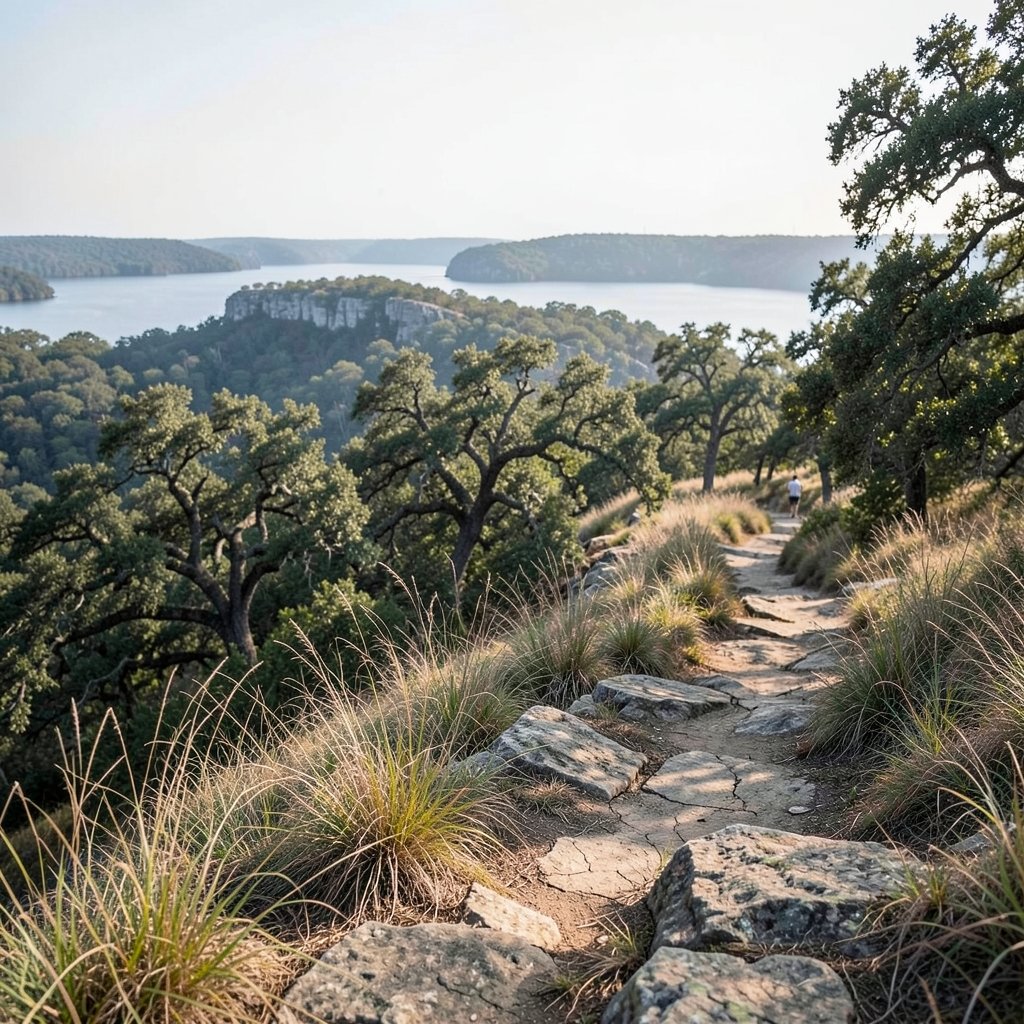
What makes a Dallas suburb feel less like a suburb and more like a place with its own identity? In Cedar Hill, Texas, the answer is in the terrain. Limestone ridges, a 1,800-acre state park, and a lake shoreline break up the usual North Texas flatness. The city has roughly 49,000 people, according to 2020 U.S. Census figures, and sits in Dallas County within the Dallas–Fort Worth metroplex. It belongs to the “Best Southwest” group of suburbs with DeSoto, Duncanville, and Lancaster.
Cedar Hill often gets overlooked in conversations about the metroplex. That is a mistake. The city blends outdoor recreation, a council-manager government structure, its own school district, and a housing market that appeals to families who want space without leaving the metro. Here is a grounded look at what the city offers, where it falls short, and what to know before you consider a move.
Where Cedar Hill Fits in the Metroplex
Geography shapes almost everything about Cedar Hill. The city sits near the edge of the limestone escarpment that separates Dallas from the Hill Country to the southwest. That terrain gives the area its defining feature: Cedar Hill State Park, which protects escarpment habitat and borders Joe Pool Lake. The lake and park together create a recreation corridor that most Dallas suburbs simply do not have.
The trade-off is distance. Cedar Hill is not a short walk from downtown Dallas. Commuters typically drive, and DART service in the area is limited. Residents who assume rail access exists should verify current routes before signing a lease or mortgage. For many households, the car is the primary way to reach jobs in Dallas, Arlington, or the mid-cities.
That driving reality matters for daily planning. If a commute involves highways during rush hour, the experience is closer to what anyone navigating manual gear changes in stop-and-go traffic deals with: constant clutch work, patience, and timing. The same practical mindset applies here. Test the drive at 7:30 a.m. on a Tuesday before you commit to a neighborhood.
The Outdoors Are the Main Attraction
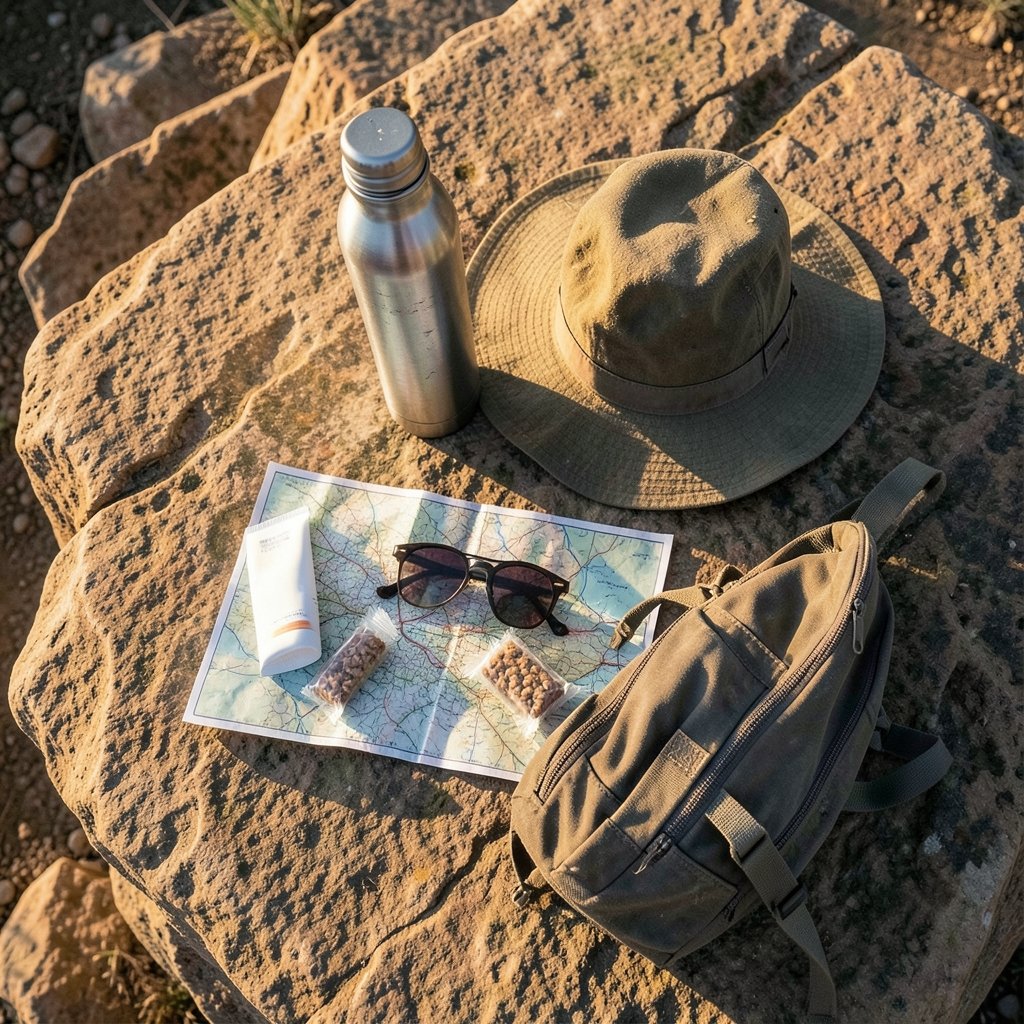
Ask residents what they love about Cedar Hill and the answer usually starts outside. Cedar Ridge Preserve and Cedar Hill State Park anchor the city’s identity as a green escape from dense suburbia.
Cedar Ridge Preserve offers hiking trails through native prairie and woodland. Cedar Hill State Park, managed as part of the Texas state park system, provides camping, shoreline access on Joe Pool Lake, and trails for hiking and biking. For families, this combination is rare within a major metro area.
Practical tips from people who use these spaces regularly:
- Go early on weekends. Trailhead parking fills quickly, especially in spring and fall.
- Bring water and sun protection. Texas heat is unforgiving, and exposed limestone trails reflect it.
- Check park hours and any reservation requirements before you drive out. Policies change seasonally.
- Watch for trail closures after heavy rain, when low areas hold water.
The most common mistake newcomers make is treating the preserves like neighborhood parks. They are larger, rougher, and more remote than a typical city green space. Wear real shoes, not sandals.
Housing and Neighborhoods
Cedar Hill’s housing stock leans heavily toward single-family homes, with a mix of established neighborhoods and newer developments. Lot sizes tend to be generous compared with inner-ring suburbs, and the terrain means some properties offer views that flatland subdivisions cannot match.
Buyers should keep a few things in mind:
- Hills and drainage. Sloped lots are attractive but can channel water. Ask about drainage patterns and check a property after a storm if possible.
- Age of the home. Older neighborhoods may need roof, HVAC, or foundation attention. North Texas clay soils shift, and foundation issues are common across the region, not unique to Cedar Hill.
- HOA rules. Many subdivisions carry deed restrictions. Read them before falling in love with a house you plan to modify.
- Commute math. A cheaper house farther from your job can cost more in fuel and time than a pricier one closer in.
Renters will find a smaller pool of apartments and rental homes than in denser suburbs. Availability fluctuates, so start the search early.
Schools and Education
The city is served by Cedar Hill Independent School District, which gives the community a single-district identity rather than the patchwork boundaries some suburbs deal with. Families often cite the district as a reason for choosing the city, and campus assignments should be confirmed directly with the district, since attendance zones can change.
For higher education, residents typically look to nearby Dallas College campuses and the broader metroplex university system. The proximity of multiple colleges and universities within driving distance is a genuine advantage of the DFW location.
One practical note for parents: school quality conversations online are noisy and often outdated. Visit campuses, attend a school board meeting, and talk to parents with children currently enrolled. Firsthand impressions beat forum threads every time.
Government and Civic Life
Cedar Hill operates under a council-manager form of government, a structure common among Texas cities of its size. In this model, an elected council sets policy and hires a professional city manager to run day-to-day operations. That setup tends to produce more continuity in city administration than a strong-mayor system.
The city maintains a Government Center and a historic downtown area that reflects its late 19th-century roots. Cedar Hill was settled in the 1800s and incorporated in the late 19th century, though anyone citing exact dates should check the Texas State Historical Association’s Handbook of Texas rather than rely on memory or secondhand summaries.
Civic engagement is modest but real. Residents who want influence typically show up to council meetings, join neighborhood associations, and pay attention to bond elections and comprehensive plan updates. Local politics here is less about spectacle and more about roads, drainage, parks, and growth.
Getting Around and Daily Errands
Cedar Hill is car-dependent. That is not a criticism so much as a fact of life in this part of the metroplex. Grocery stores, retail centers, and restaurants are spread along major corridors, and most errands require a vehicle.
For drivers, the area’s roads reward smooth, predictable habits. Hill starts on sloped driveways and intersections are part of the terrain, and knowing how to handle a manual car’s clutch control, gear shifts, and hill starts is genuinely useful if you drive a stick shift here. Even automatic drivers benefit from understanding how grades affect braking and acceleration.
Transit options exist but are limited compared with Dallas proper. Verify current DART service before assuming a bus or rail connection serves your address. Rideshare availability is generally fine for errands and airport runs, though surge pricing hits during peak hours like anywhere else.
Cost of Living and the Local Economy
Cedar Hill’s cost of living tracks close to the broader Dallas–Fort Worth average, with housing as the largest variable. Texas has no state income tax, which appeals to many newcomers, but property taxes are relatively high and should be factored into any budget.
Employment is regional rather than local. Most residents commute to jobs across Dallas, Arlington, Irving, and the broader metroplex. The city itself has a business base of retail, services, and small industry, but it is not a major employment center.
Budgeting advice that actually helps:
- Get a property tax estimate for a specific address, not a citywide average.
- Add commuting costs, including fuel and vehicle wear, to your monthly picture.
- Check insurance rates, especially homeowners and auto, before you commit.
- Confirm utility providers and typical monthly bills for the neighborhood.
Sports and Regional Culture
DFW is a sports region, and Cedar Hill residents participate in that culture by driving. The metroplex’s baseball rivalries draw steady attention, and even casual fans get pulled into the drama. The Mets vs Phillies NL East rivalry is a good example of how a division feud can dominate summer conversation, while the Dodgers vs Phillies rivalry built on October heartbreak shows how postseason history keeps fan interest alive across the country, Texas included.
Locally, high school athletics carry real weight. Friday night football, track, and youth leagues give families a social anchor. Community events and park programming round out the calendar.
Common Mistakes Newcomers Make
A few patterns show up again and again among people relocating to Cedar Hill:
- Underestimating summer heat. It shapes daily routines from June through September. Plan outdoor activity for early morning.
- Assuming rail transit. Verify DART service to your specific address.
- Ignoring drainage on sloped lots. The terrain that makes the city attractive also moves water.
- Skipping the commute test. Drive your route at peak hours before buying.
- Trusting outdated school ratings. Visit campuses and talk to current parents.
- Overlooking property taxes. They are a real line item in Texas budgets.
Who Cedar Hill Suits, and Who It Doesn’t
Cedar Hill fits households that value outdoor access, single-family space, and a distinct community identity within the metroplex. It suits people who do not mind driving and who prefer a slower pace than downtown Dallas offers.
It fits less well for renters needing dense apartment inventory, workers who rely on rail transit, or anyone who wants an urban walkable core. Being honest about that match matters more than any marketing brochure.
Conclusion
Cedar Hill, Texas is a suburb with a real sense of place. The escarpment, the state park, Joe Pool Lake, and the Cedar Ridge Preserve give it a physical setting that most metroplex suburbs lack. Add a single school district, a council-manager government, and a housing market built around families, and the appeal is easy to understand.
It is not perfect. The city is car-dependent, transit is limited, and the summer heat demands respect. Property taxes deserve a hard look before any purchase. But for households seeking space, trails, and a community that feels separate from the Dallas sprawl, Cedar Hill delivers. The best next step is simple: visit on a weekday, drive your likely commute, walk a trail, and talk to people who already live there. The city tells you what it is if you pay attention.
Frequently Asked Questions
What county is Cedar Hill TX in?
Cedar Hill is in Dallas County, Texas, within the Dallas–Fort Worth metroplex. It is often grouped with DeSoto, Duncanville, and Lancaster in the “Best Southwest” subregion.
What is Cedar Hill known for?
It is best known for outdoor recreation. Cedar Hill State Park borders Joe Pool Lake, and Cedar Ridge Preserve protects native prairie and woodland habitat. The city is also recognized for its single-family neighborhoods and its own school district.
Does DART rail serve Cedar Hill?
Rail service to Cedar Hill should not be assumed. The city is generally car-dependent, and transit options are limited compared with Dallas proper. Verify current DART routes and connections before relying on public transit for a commute.
Is Cedar Hill a good place to live?
For families who value outdoor access, space, and a quieter pace within the metroplex, it works well. The main trade-offs are car dependence, limited rental inventory, and hot summers. Property taxes also deserve careful budgeting.
How big is Cedar Hill, Texas?
The 2020 U.S. Census counted roughly 49,000 residents. Exact figures should be confirmed against current Census Bureau data, since estimates are updated regularly.
What school district serves Cedar Hill?
Cedar Hill Independent School District serves the city. Attendance zones can change, so confirm campus assignments directly with the district before purchasing a home based on a specific school.



