
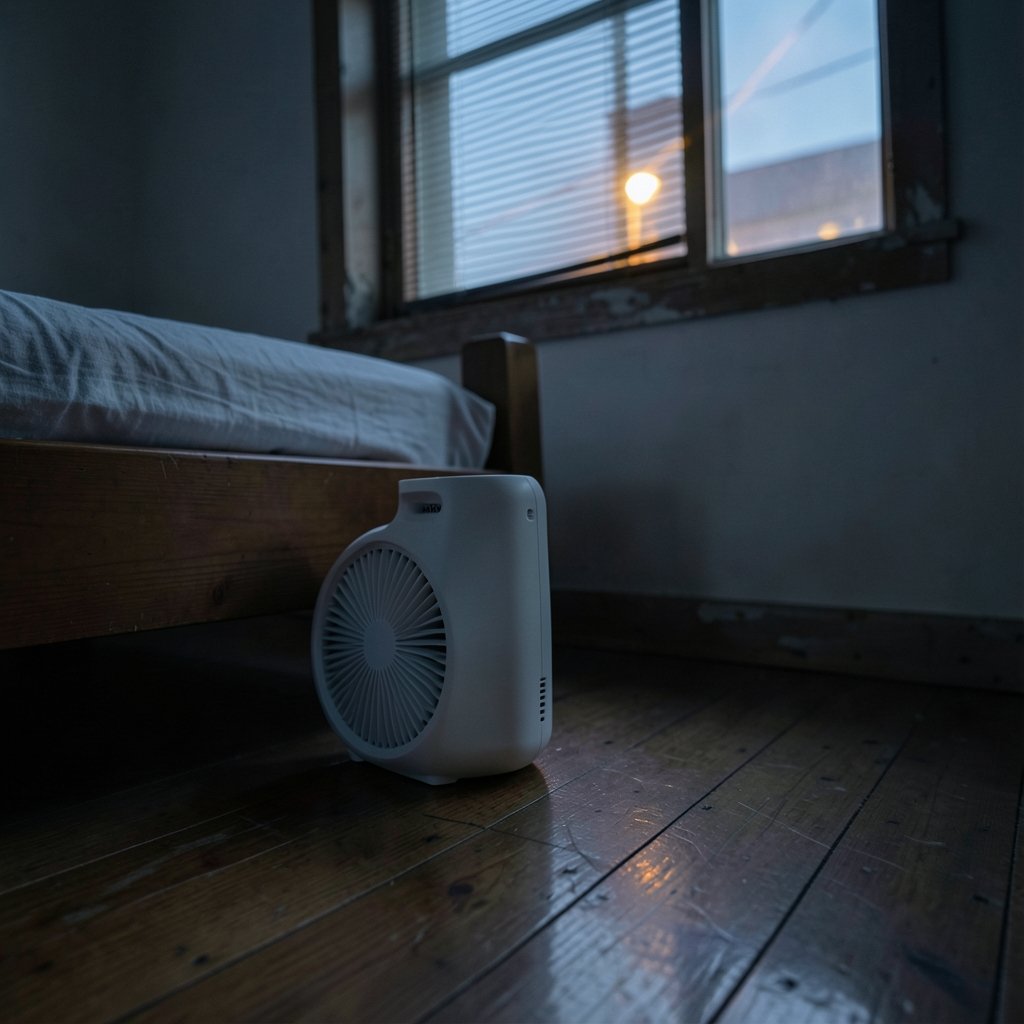
Can a box with a fan and a folded paper filter really stop you from waking up with a stuffy nose every morning? That is the question most people ask right before they spend $200 to $900 on a HEPA air purifier. The honest answer is more interesting than a marketing page will tell you. A HEPA unit can meaningfully lower the allergen load in a room, but only when it is the right size, placed correctly, and paired with basic source control. Get any of those wrong and you have bought an expensive white noise machine.
This guide walks through what HEPA filtration actually does to pollen, dander, dust mites, and mold spores, where the real-world evidence is strong and where it gets shaky, and the practical mistakes that quietly wreck performance.
What HEPA Actually Means (and Why It Matters for Allergies)
HEPA stands for high-efficiency particulate air, and it is a filtration class, not a brand name. A filter rated HEPA removes at least 99.97% of airborne particles at 0.3 micrometers in diameter. That 0.3 µm figure is not random. It is roughly the most penetrating particle size, the size at which filters are least efficient. Particles both larger and smaller than that are captured at even higher rates.
Why does this matter for allergies? Because most of the allergens that bother people are considerably larger than 0.3 µm:
| Allergen | Typical size | HEPA capture efficiency |
|---|---|---|
| Pollen grains | 10 to 100 µm | Very high |
| Cat and dog dander | 2 to 10 µm | Very high |
| Dust mite fecal particles | 10 to 30 µm | Very high |
| Mold spores | 3 to 40 µm | Very high |
| Fine smoke and combustion particles | under 1 µm | Still at or above rated efficiency |
In other words, the particles that trigger sneezing, itchy eyes, and asthma flares sit squarely in the range a HEPA filter was designed to catch. That is the core reason the technology is worth considering at all.
One caveat: the word “HEPA” gets stretched. “HEPA-type,” “HEPA-like,” and “99% HEPA” are not the same standard. Look for a filter that explicitly states it meets true HEPA efficiency, and treat vague claims with suspicion.
Does the Clinical Evidence Back It Up?
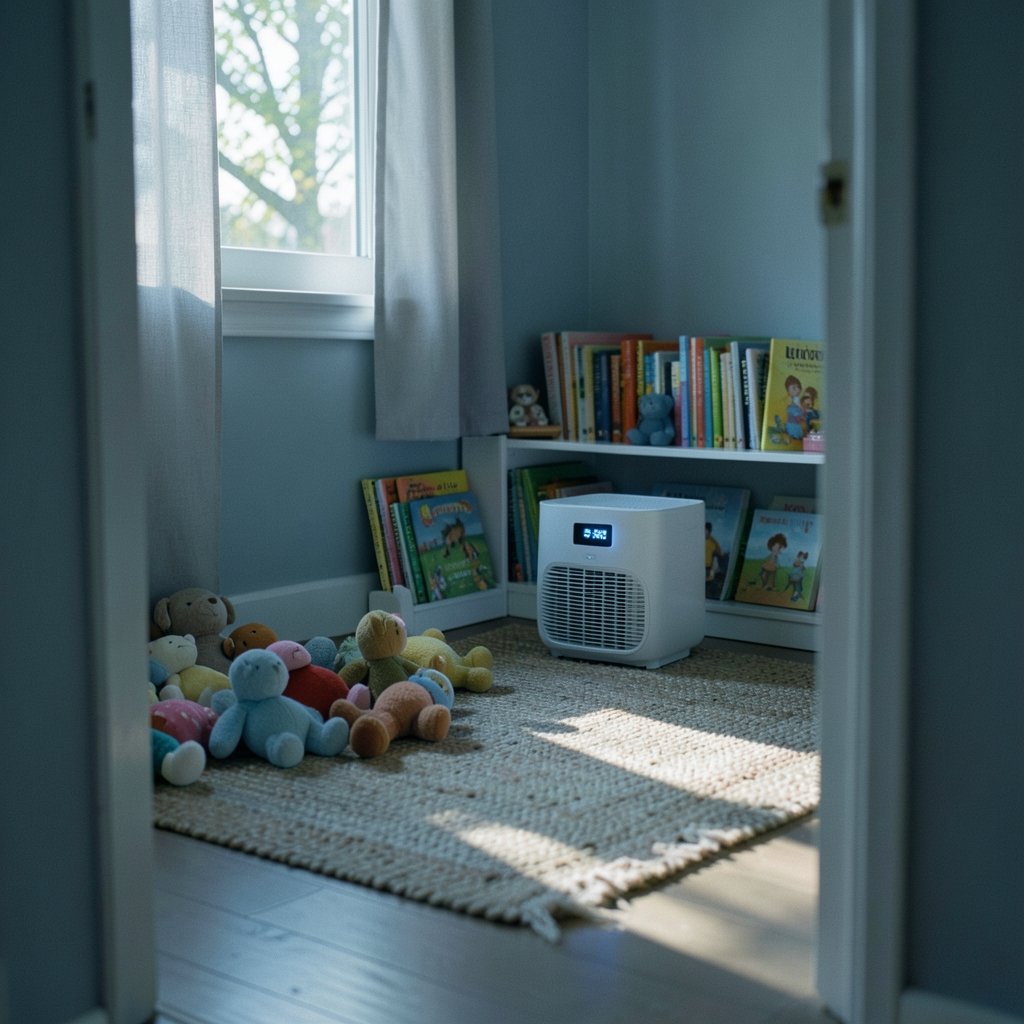
Here the story gets more nuanced, and it is worth being straight about it. A 2018 Cochrane systematic review of air filtration for allergic rhinitis and asthma found low-to-moderate certainty evidence of small improvements in some symptom scores, with results that were inconsistent across trials. That is the accurate summary. Not “proven to cure allergies.” Not “useless.” Somewhere in the middle, with real but modest effects.
What does that mean for a person shopping for relief? A few practical takeaways:
- Air filtration is best understood as an adjunct, not a first-line treatment.
- People with genuine diagnosed allergic rhinitis or asthma are the most likely to notice a difference.
- Subjective improvements (better sleep, less morning congestion) often show up even when formal symptom scores move only slightly.
- Anyone with significant allergy symptoms should still be talking to a clinician about avoidance measures and medication.
The gap between “statistically modest” and “I slept better” is real, and it is why so many people keep their purifiers running long after the trial data stops being exciting.
Matching CADR to Your Room: The Number Most Buyers Ignore
Portable HEPA units are rated by clean air delivery rate (CADR), a figure certified through a voluntary program administered by the Association of Home Appliance Manufacturers. CADR is expressed in cubic feet per minute and is reported separately for smoke, dust, and pollen. It tells you how much filtered air the unit pushes out, not how big a room it can theoretically cover.
The practical rule of thumb many indoor air specialists use: CADR should be at least two-thirds of the room’s floor area in square feet, assuming standard 8-foot ceilings. A 150-square-foot bedroom wants a CADR around 100 or higher.
Two traps here:
- Manufacturers quote coverage for open-plan, low-ceiling scenarios. A unit rated for 500 square feet may struggle in a closed bedroom with furniture, a bed, and a door that opens and closes.
- CADR drops as the filter loads. A clogged filter moves less air, which means less clean air delivered. Ratings describe a fresh filter, not the one you have been ignoring since spring.
If you are shopping for a bedroom specifically, the sizing math deserves its own attention, and a focused guide on how to choose an air purifier for small bedrooms that actually works is worth reading before you commit.
Placement and Run Time: Where Good Units Fail
You can buy a genuinely excellent purifier and still get mediocre results. The most common mistakes are placement and schedule.
Placement mistakes
- Tucked into a corner behind a curtain. Airflow gets blocked, and the unit recirculates its own exhaust.
- Right against a wall or sofa. Most units need clearance on all sides to draw air in.
- In a room with the door open to the rest of the house. You are now filtering the whole home with a single-room device.
- Next to the bed but pointed at your face. Effective, but often too loud to sleep through on high speed.
Run-time mistakes
- Running it only when symptoms flare. Allergen levels build up continuously. Short bursts do little.
- Leaving it on the lowest setting all night. Low speed is quiet but delivers a fraction of the CADR.
- Never closing windows. An open window can overwhelm a portable unit’s cleaning capacity within minutes.
For allergy sufferers, the highest-value habit is running the purifier continuously in the bedroom with the door and windows closed, ideally starting an hour or two before sleep. The reasoning is simple: people spend roughly a third of their lives in that one room, and the allergen exposure that matters most is the exposure during sleep. If you want a deeper look at scheduling and timing, this breakdown of long-run air purifier hours and timing that really works covers the trade-offs between noise, electricity, and filter life.
Source Control Still Comes First
This is the part that purifier marketing tends to skip. Public-health allergy guidance consistently puts allergen avoidance first: bedding covers, washing sheets in hot water, managing pets, fixing moisture problems, and ventilating properly. Air filtration is an add-on to those steps, not a replacement.
Think about it in terms of load. A HEPA unit removing 99.97% of what passes through it does nothing about the reservoir of dust mite allergen sitting in a mattress, or the cat that sleeps on the pillow. It cleans the air; it does not clean the source. The most satisfied purifier owners tend to be the ones who did the boring work first and then used filtration to mop up what was left.
There are also specific situations where filtration matters more than usual. If you have pets and allergies, the equation changes because dander is continuously shed, and there are real safety considerations for birds in particular, covered in this piece on whether an air purifier for pet birds actually works or can harm them. Cooking is another: frying and roasting generate fine particles that linger, and a purifier helps, as explained in this guide to whether an air purifier for cooking smells actually clears the air.
Ozone, Noise, and the Features You Should Avoid
HEPA filtration is mechanical. It does not generate ozone. But the broader “air purifier” category includes devices that do, and those deserve caution.
Ozone-generating devices are a separate class, including some ionizers and devices marketed as “activated oxygen” cleaners. Public health agencies have warned for years about ozone’s health effects, particularly for people with asthma, and California has regulated indoor air cleaning devices to limit ozone emissions since 2008. If a product’s marketing leans on words like “ionizer,” “plasmacluster,” “activated oxygen,” or “sterilizer,” read the fine print carefully.
Other practical features worth weighing:
- Noise level in decibels at each speed, including the lowest speed. Sleep mode matters more than turbo mode.
- Filter replacement cost per year. A cheap unit with $120 annual filters is not cheap.
- A washable pre-filter. This is the single best feature for extending HEPA filter life, especially in dusty homes.
- Auto mode with a particle sensor. Genuinely useful, but sensors drift and need occasional cleaning.
One more thing to watch: a brand-new purifier sometimes emits a faint plastic or chemical smell for the first few days. It is usually harmless off-gassing from new components, but it can be irritating. There is a straightforward fix, covered in this guide on what to do when your new air purifier smells like plastic.
Maintenance: The Quiet Reason Purifiers Stop Working
Filter loading is the least glamorous topic in air purification and the one that most affects real-world results. As a HEPA filter collects particles, airflow drops and CADR falls with it. Manufacturers publish replacement intervals, but actual intervals depend heavily on particulate load. A home with two shedding pets and a wood-burning stove will chew through filters far faster than a clean apartment.
Practical guidance:
- Vacuum or rinse the pre-filter every two to four weeks. This is the highest-return maintenance task.
- Inspect the HEPA filter monthly for visible gray discoloration or a musty smell.
- Replace according to the manufacturer’s interval or sooner if airflow feels weak or noise has increased.
- Keep a spare filter on hand. The most common failure mode is a purifier running for months on a saturated filter because nobody ordered a replacement.
- Date the filter when you install it. A marker on the frame saves guesswork.
In dusty environments, like a workshop or a basement, filter loading happens dramatically faster. If either of those is your concern, these guides on whether an air purifier for workshop dust actually clears the air and how an air purifier for basement odors actually clears the smell go deeper on the specifics.
Wildfire Season and Allergy Season Overlap
For many people, allergy symptoms and smoke exposure arrive on the same calendar. Fine smoke particles are far smaller than pollen, and they behave differently in a room: they infiltrate through gaps, linger, and are easily stirred up. A HEPA unit helps, but the sizing and sealing requirements are stricter. This guide on how to pick an air purifier for wildfire smoke that actually cleans covers the details worth knowing before smoke season.
Conclusion
A HEPA air purifier is a genuinely useful tool for allergy sufferers, provided it is framed correctly. It removes the particles that carry pollen, dander, dust mite allergen, and mold spores with very high efficiency. The clinical evidence points to small but real symptom improvements, especially for people with diagnosed allergic rhinitis or asthma. What it will not do is compensate for an unsized unit, a saturated filter, an open window, or an untreated allergen reservoir in the mattress.
The formula that works in practice is unglamorous: control the source, size the unit to the room using CADR, run it continuously in the bedroom with the door closed, maintain the pre-filter, and replace the HEPA filter on schedule. Do those five things and the difference is often noticeable within a week or two. Skip them and even a premium purifier becomes furniture with a fan.
Frequently Asked Questions
How long does a HEPA air purifier take to reduce allergy symptoms?
Most people notice a difference in air quality within a few hours of continuous running in a closed room, but symptom changes typically take days to a couple of weeks. The 2018 Cochrane review found small improvements in some symptom scores, with inconsistent results across trials. Give it at least two weeks of consistent bedroom use before judging.
Can a HEPA purifier remove pet dander completely?
No. HEPA filtration captures dander particles that pass through the unit with very high efficiency, but dander settles on surfaces and is continuously reshed by the animal. Filtration lowers airborne levels; it does not eliminate the reservoir. Pet management and cleaning remain essential.
Is a HEPA purifier safe for people with asthma?
HEPA filtration is mechanical and does not produce ozone, so it is generally considered a safe adjunct for asthma. The bigger risks come from ozone-generating devices and from poorly maintained units with moldy filters. Anyone with asthma should treat filtration as a supplement to medical management, not a substitute.
Do I need a purifier in every room?
Usually not. Focus on the room where you spend the most consecutive hours, which for most people is the bedroom. One well-sized unit running continuously in a closed bedroom often delivers more benefit than three undersized units scattered around an open house.
What size air purifier do I need for a bedroom?
Look for a CADR of at least two-thirds of the room’s floor area in square feet, assuming standard ceilings. A 150-square-foot bedroom needs roughly 100 CADR or higher. Remember that CADR is measured with a clean filter, so a loaded filter delivers less.
Are expensive air purifiers worth it for allergies?
Price correlates loosely with performance. What matters is CADR relative to your room, true HEPA filtration, acceptable noise at the speed you will actually use, and reasonable filter costs. A mid-priced unit correctly sized and well maintained will outperform a premium unit that is too small for the space.



