
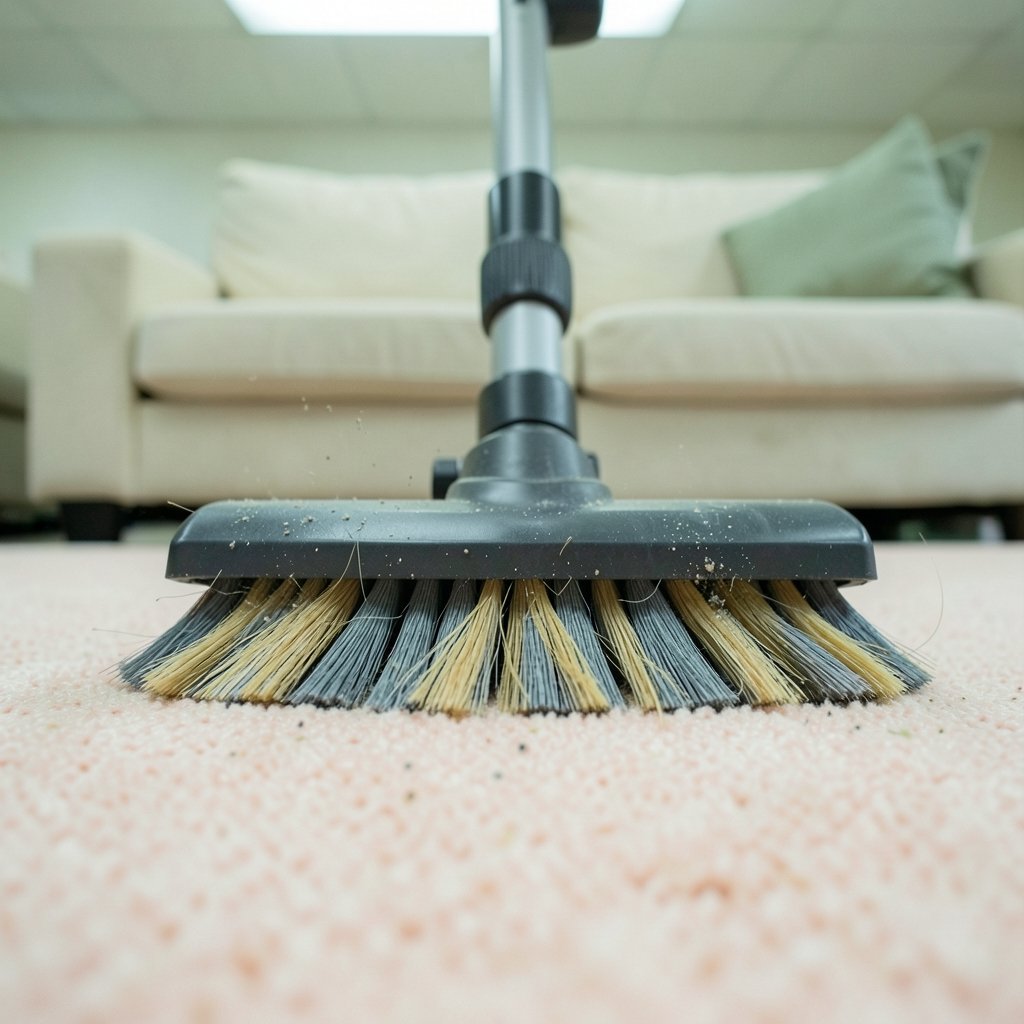
What good is a vacuum that glides across the rug but leaves a gray halo of fur behind? Pet owners know the frustration: you finish the living room, and ten minutes later a tumbleweed of dog hair rolls past the couch like it’s mocking you. The best vacuum for pet hair and carpet isn’t the one with the biggest number on the box. It’s the one that combines strong brushroll agitation, sealed filtration, and a design you’ll actually want to drag out of the closet every week. This guide breaks down what matters, what’s marketing noise, and how to choose a machine that fits your floors and your pets.
Why Pet Hair Is Harder Than Regular Dirt
Pet hair behaves differently from crumbs or tracked-in soil. Long strands wrap around brushrolls, fine undercoat fibers sift down into carpet pile, and dander, the real allergen culprit, clings to fabric rather than sitting on top of it. The major cat and dog allergens are proteins carried on small particles like dander, saliva, and urine, not on the hair itself. That’s why filtration and dust containment matter as much as raw pickup power. A vacuum that pulls hair off the carpet but blows fine dander back into the room hasn’t solved the problem.
There’s also a physics issue. On carpet, deep cleaning depends more on brushroll agitation and sustained airflow than on suction specs alone. Manufacturers measure suction in different ways, and there’s no universal standard, so comparing “air watts” or water-lift numbers across brands is close to meaningless. Independent testers focus on soil removal and hair pickup instead, which is the number that actually affects your floor.
The Features That Actually Matter
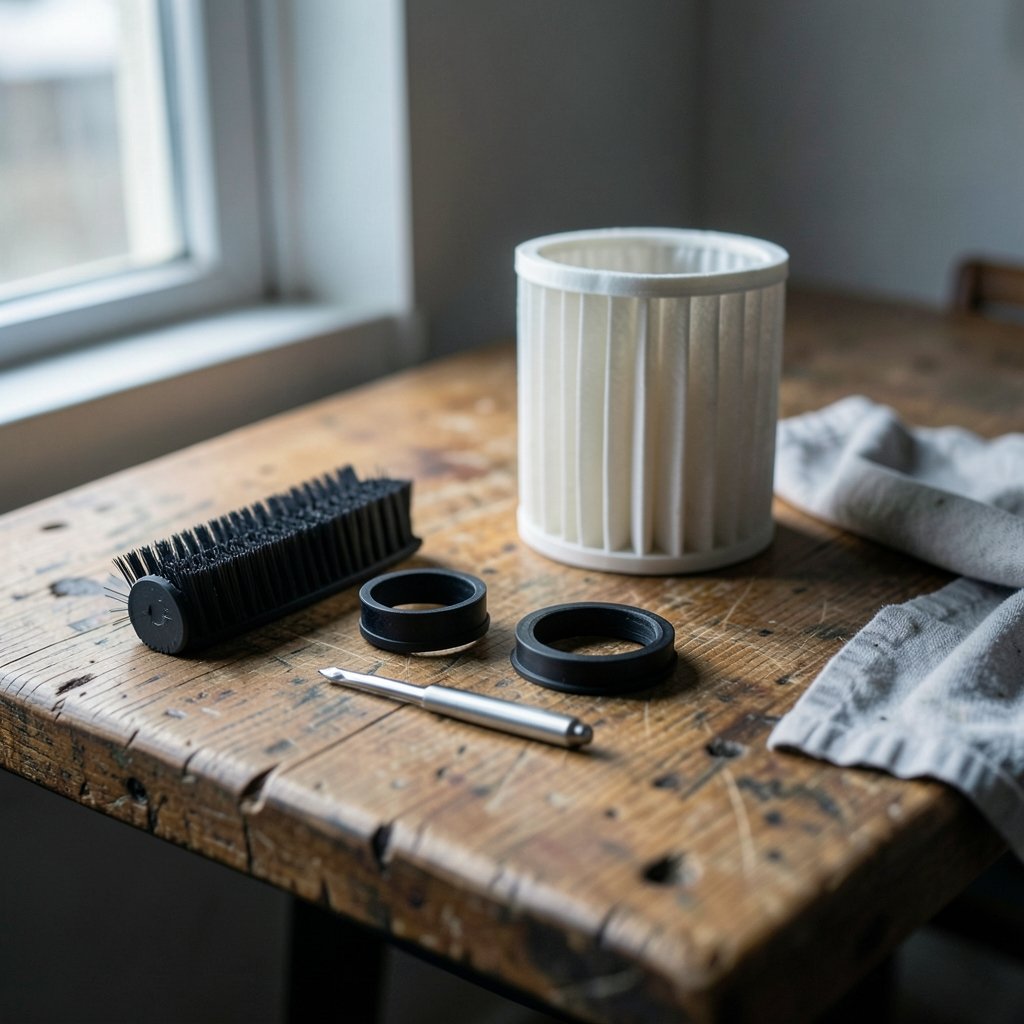
Before comparing models, it helps to know which specs do real work.
Brushroll design and agitation
A motorized brushroll is non-negotiable for carpet. Stiff bristles dig into pile and flick embedded hair and grit loose. Rubber or elastomer bristles are often better on upholstery and hard floors, while traditional bristles tend to win on deep pile. Many modern vacuums offer brushroll shutoff for delicate rugs and hard floors, which is a genuinely useful feature rather than a gimmick.
Sealed HEPA filtration
HEPA filters capture at least 99.97% of particles at 0.3 microns under the U.S. Department of Energy definition. For pet households, that matters because dander particles are small enough to stay airborne for hours. The catch: HEPA only helps if the system is sealed. A HEPA filter in a leaky housing is like a screen door on a submarine. Look for models described as fully sealed systems.
Bagged versus bagless
Bagless bins are convenient, but emptying them can release a puff of fine dust back into the air. Bagged systems contain debris more reliably, which matters if anyone in the home has allergies. If you go bagless, empty the bin outdoors or into a lined trash can and rinse the bin occasionally.
Corded versus cordless
Cordless vacuums have improved dramatically, but they generally offer shorter runtimes and smaller bins. Corded uprights typically sustain higher airflow for deep carpet cleaning. A practical compromise many pet owners land on: a corded upright or canister for weekly deep cleans, plus a cordless stick for quick daily passes in high-traffic zones.
Weight, noise, and maneuverability
A vacuum you dread using won’t get used. Test the weight in person if you can. Canisters follow you around but can bump furniture; uprights are simpler but heavier. Noise matters too, especially in homes with anxious pets.
How the Main Categories Compare
| Category | Strengths | Weaknesses | Best For |
|---|---|---|---|
| Corded upright | Strong sustained airflow, deep agitation, large bins | Heavy, tethered, bulky storage | Wall-to-wall carpet, heavy shedding |
| Corded canister | Great above-floor tools, easy reach under furniture | Awkward to drag, pricier | Mixed floors, stairs, upholstery |
| Cordless stick | Light, fast, grab-and-go | Short runtime, small bin, less deep clean | Daily touch-ups, hard floors, low pile |
| Robot vacuum | Hands-off maintenance runs | Limited deep cleaning, edge gaps | Keeping fur in check between deep cleans |
| Pet-specific upright | Turbo tools, tangle-resistant brushrolls | Marketing hype varies by model | Homes with long-haired pets |
The honest answer is that most pet households benefit from two machines rather than one perfect one. A robot running daily keeps the fur volume manageable, and a corded upright handles the weekend deep clean. If you want to go the robot route, it’s worth reading up on best robot vacuum mop combos that actually clean floors before spending big, since mopping and vacuuming performance vary widely.
Matching the Vacuum to Your Carpet and Your Pet
Deep pile and high-traffic zones
Thick carpet traps hair and needs height adjustment plus strong agitation. Testers consistently find that brushroll contact, not suction alone, determines how much soil comes out. If your carpet is plush, prioritize a model with adjustable height and a proven brushroll. Our guide to the best vacuum for carpet digs into pile-specific picks.
Long human hair plus pet fur
Long hair is its own nightmare. It wraps around brushrolls and can stall them entirely. Many newer vacuums include tangle-resistant brushroll designs, and they’re worth seeking out if anyone in the house has long hair. There’s a useful breakdown of which designs genuinely cope in this piece on robot vacuum long human hair that actually works, and the same principles apply to uprights.
Dark carpets and sensor quirks
Here’s an odd one that trips people up: some robot vacuums refuse to cross dark carpet because cliff sensors read the surface as a drop-off. If your rugs are black or navy, check compatibility before buying. This explainer on robot vacuum cliff sensors failing on black carpet and what works covers the workarounds.
Heavy shedders and allergy households
For double-coated breeds and homes with allergy sufferers, filtration and containment outrank convenience. A sealed HEPA system with a bag gets the nod. Public health guidance generally recommends HEPA filtration and frequent vacuuming for allergen reduction, while noting that no single intervention does the whole job. Pair vacuuming with washing bedding and grooming pets outdoors.
Practical Tips That Make Any Vacuum Work Better
- Vacuum slowly. Most people move too fast; agitation needs time to work.
- Make multiple passes. Two or three overlapping passes lift far more embedded hair than one quick sweep.
- Pre-treat heavy fur with a rubber squeegee or rubber-bristle brush to clump hair before vacuuming.
- Clean the brushroll monthly. Cut wrapped hair with scissors rather than yanking it.
- Replace or wash filters on schedule. A clogged filter strangles airflow and ruins pickup.
- Empty bins outdoors and wash them occasionally to cut odor.
- Use edge tools along baseboards, where fur accumulates unnoticed.
A common mistake: buying a vacuum based on a single impressive demo video. Retailers rarely let you test on your own carpet, so check return policies and independent testing data before committing.
Common Mistakes Pet Owners Make
- Chasing suction specs. Numbers aren’t standardized, so a higher figure doesn’t mean better cleaning.
- Skipping the brushroll check. Hair wrap is the number one cause of declining performance.
- Ignoring filter costs. Replacement HEPA filters add up; factor them into total ownership.
- Buying cordless only. A stick alone rarely handles deep carpet in a shedding household.
- Forgetting upholstery. Pet beds and sofas hold as much dander as the floor. A motorized pet tool earns its keep here.
If you’re weighing robot options specifically, this roundup of the best vacuums for pet hair is a solid starting point, and it’s worth knowing that cleaning solutions matter too. Many owners overuse or misuse detergent; this piece on robot vacuum cleaning solution alternatives that actually work explains what’s safe for your machine and floors.
What Independent Testing Says
The Carpet and Rug Institute runs a Seal of Approval program that tests vacuums for soil removal, dust containment, and carpet appearance change. Passing models appear in a public directory, which is a useful shortcut when comparing. Note the limits: certification covers soil removal and dust containment, not pet hair specifically, so don’t treat the seal as a pet-hair guarantee. ASTM International also publishes standardized test methods for carpet soil removal and hard-floor dust removal, and these underpin many manufacturer claims. Consumer Reports and similar independent testers publish methodology pages explaining how they measure cleaning performance, and their results are worth checking, though some content sits behind a paywall.
The consensus across testers is consistent: agitation and airflow win on carpet, sealed filtration wins on allergens, and ease of use determines whether the vacuum actually gets used.
Conclusion
The best vacuum for pet hair and carpet is the one that matches your specific floors, pets, and habits, not the one with the flashiest spec sheet. Prioritize a motorized brushroll, sealed HEPA filtration, and a weight you can live with. If your home has wall-to-wall carpet and a heavy shedder, a corded upright with strong agitation should anchor your cleaning routine. Add a cordless stick or robot for daily maintenance runs, and stay on top of brushroll cleaning and filter replacement. Do that, and the fur tumbleweeds lose.
Frequently Asked Questions
Are bagged or bagless vacuums better for pet hair?
Both work, but bagged systems contain debris more reliably when emptying, which helps allergy households. Bagless bins are convenient and cheaper to run long-term, but empty them outdoors and rinse occasionally to avoid releasing fine dust back into the room. The practical difference is containment, not cleaning power.
How often should I vacuum with pets in the house?
Most pet households benefit from vacuuming high-traffic areas two to three times a week, with a full deep clean weekly. Heavy shedders may need daily passes. Frequent light vacuuming keeps fur from matting into carpet pile, which makes deep cleans easier and extends carpet life.
Do I really need a HEPA filter for pet dander?
It helps, especially for allergy sufferers, because HEPA captures at least 99.97% of particles at 0.3 microns. But filtration only works if the vacuum is sealed. A HEPA filter in a leaky housing lets fine particles escape. Pair filtration with frequent vacuuming and bedding washes for the best results.
Why does my vacuum stop picking up pet hair after a few months?
Nine times out of ten, it’s a wrapped brushroll or a clogged filter. Hair builds up around the brush and reduces agitation, while dirty filters choke airflow. Clean the brushroll monthly with scissors, wash or replace filters on schedule, and check the hose for blockages.
Can a robot vacuum replace a full-size vacuum for pet hair?
Not entirely. Robots excel at daily maintenance and keeping fur volume down, but they typically can’t match a corded upright for deep carpet cleaning. Most pet owners do best with a robot for daily runs plus a full-size vacuum for weekly deep cleans and upholstery.
What should I check before buying a vacuum for dark carpet?
If you’re considering a robot, confirm it handles dark flooring. Some cliff sensors misread black or navy carpet as a drop-off and refuse to cross it. Check owner reviews and manufacturer notes for your specific rug color before buying, or choose a model with sensor adjustments.
Finally, verify warranty terms and parts availability before purchase. Brushrolls, belts, and filters are consumables, and a model with cheap, widely stocked replacements will cost less and last longer than one with proprietary parts. Check whether the brushroll is user-replaceable and whether the manufacturer publishes a parts list. A five-year warranty is only useful if service centers exist near you and turnaround times are reasonable. For heavy-shedding households, keeping one spare filter and brushroll on hand prevents the common trap of postponing maintenance until performance drops.



