When was the last time you vacuumed the same patch of carpet twice and still pulled up a full canister of grit? That moment of disbelief is the honest starting point for this topic. Most vacuums do not fail because they lack suction. They fail because they never agitate the carpet deeply enough, pass too quickly, or leak fine dust back into the room. Finding the best vacuum for deep cleaning carpet means understanding what deep cleaning actually requires, then matching the machine to your pile, your pets, and your patience.
What Deep Cleaning Carpet Really Means
A quick weekly pass removes surface debris. A deep clean is different. It means slower strokes, overlapping passes, edge and corner attention, and enough brush agitation to pull soil from the base of the fibers rather than the tips.
The professional benchmark for this work is the IICRC S100 standard, which defines cleaning methods and performance expectations for residential and commercial carpet. That standard treats hot-water extraction, often called steam cleaning, as the deep-clean method of record. A vacuum is not a substitute for that. It is the maintenance layer that keeps soil from grinding into the backing between professional cleanings.
This distinction matters because it shapes what to buy. If you want a machine that removes loose dirt and pet hair weekly, almost any decent vacuum works. If you want to slow the dulling, matting, and grey traffic lanes that make carpet look tired, you need strong agitation, real airflow, and filtration that does not undo your work.
Why Suction Alone Does Not Cut It
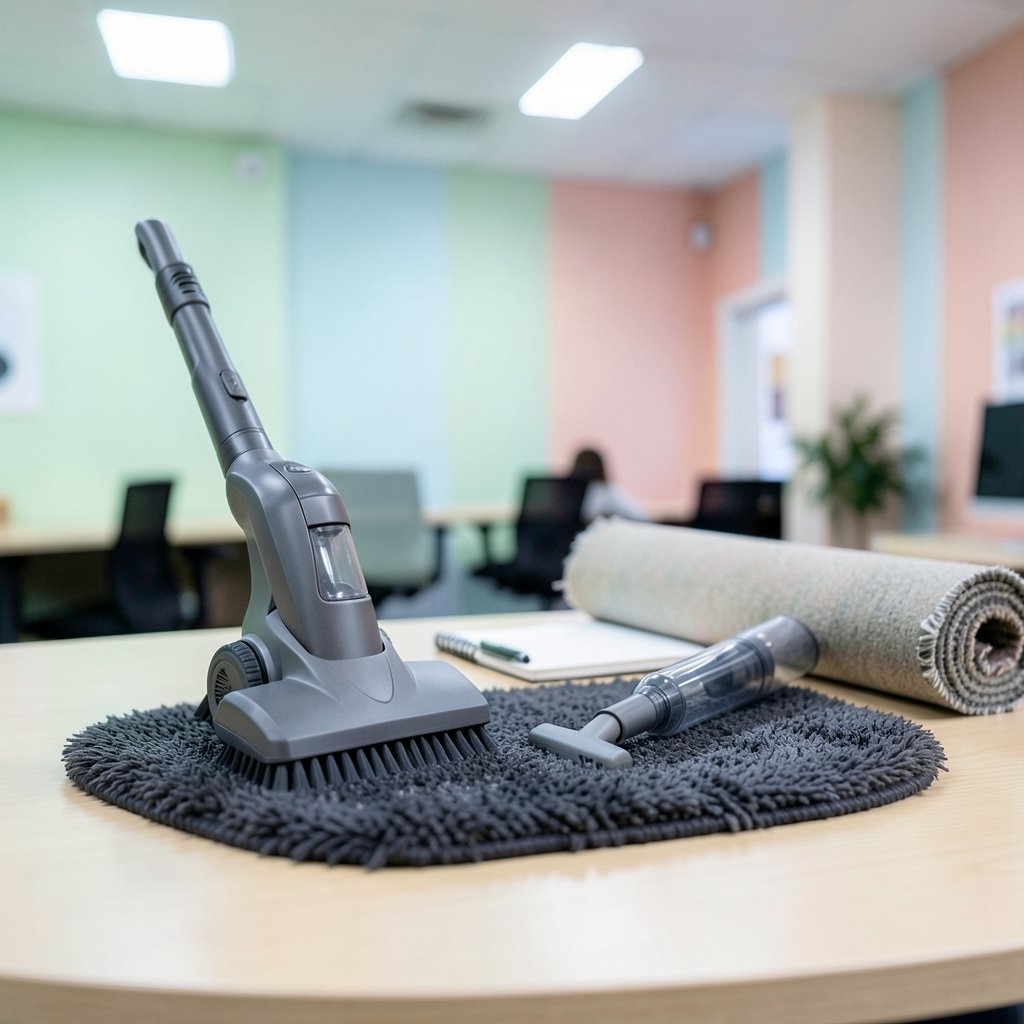
Cleaning science is fairly consistent on this point: brush-roll agitation, airflow, and dwell time drive soil removal on carpet more than raw suction power. A vacuum with modest suction and a good brush roll will outperform a high-suction machine with a weak or slow-spinning roller on wall-to-wall carpet.
That is why upright vacuums with powered brush rolls generally test best on carpet, while canisters and sticks tend to suit bare floors, stairs, and tight spaces. Consumer testing organizations have reported this pattern for years, and it holds up in practice.
There is a catch. Brush rolls are not universally welcome. Some carpet manufacturers specify no beater bars on certain styles, particularly delicate loop piles and wool. Check your carpet’s care guide before assuming an aggressive roller is safe. Warranties have been voided over exactly this.
The Features That Separate a Deep Cleaner From a Surface Sweeper
| Feature | Why it matters on carpet | What to look for |
|---|---|---|
| Powered brush roll | Lifts embedded soil and resets pile | Stiff bristles, adjustable height |
| Sealed HEPA filtration | Traps fine dust instead of returning it to the room | Sealed system; filter label alone is insufficient |
| Bagged design | Contains debris and fine particles better | Full-bag indicator, cheap bags |
| Height adjustment | Lets the roller reach the base of the pile | Manual or automatic |
| Weight and maneuverability | Determines whether you actually do slow passes | Under 18 lbs for most users |
| Cord length | Fewer stops, more continuous passes | 30 feet or more |
The filtration row deserves emphasis. A HEPA filter, by long-standing convention, removes at least 99.97% of airborne particles 0.3 micrometers in diameter. But a HEPA filter on a leaky machine is marketing, not performance. Consumer tests have repeatedly found that some bagless vacuums emit more fine particles back into the room than sealed bagged or HEPA models, though results vary widely by model. If allergies are the reason you are shopping, buy sealed and consider bagged.
Upright, Canister, or Stick: Matching the Machine to the Job
Uprights
The default choice for wall-to-wall carpet. Motorized brush rolls, onboard tools, and stable airflow make them the most reliable deep cleaners. Downsides: weight, bulk under furniture, and awkwardness on stairs.
Canisters
Better for mixed flooring and stairs, and often quieter. On carpet, you need a powered floor head, not an air-driven turbine, or you lose the agitation advantage. Canisters also tend to cost more for equivalent carpet performance.
Stick and cordless vacuums
Convenient and improving fast, but runtime limits work against deep cleaning. Deep cleaning needs slow, repeated passes, which drains batteries quickly. A cordless works well as a daily touch-up tool alongside a corded upright rather than as a replacement. If you are weighing cordless combos, this breakdown of best robot vacuum mop combos that actually clean floors is a useful reality check on what automation can and cannot do.
Robot vacuums
Robots are maintenance machines. They keep traffic lanes cleaner between deep cleans, and modern models handle surprising amounts of pet hair. They are not a substitute for a proper upright pass. Two specific pitfalls trip people up: cliff sensors that misread dark carpet and cause the robot to stop or reverse, which this guide to robot vacuum cliff sensors failing on black carpet and what works explains clearly, and wheels that jam on thick pile or rug edges. If your robot keeps halting, this piece on the robot vacuum wheel stuck error and how to fix it fast covers the usual culprits.
Getting the Most From High-Pile and Shag Carpet
Deep pile is where good vacuums go to be humbled. Long fibers hide sand, trap pet hair at the base, and tangle brush rolls. Suction alone will not reach the bottom of a shag pile, and an aggressive roller can fray it.
The practical approach is a vacuum with adjustable height and a gentler roller setting, plus slower passes in multiple directions. For a detailed walkthrough of settings and techniques, this guide to robot vacuum shag rugs and what actually works on deep pile is worth reading even if you clean manually, because the physics of pile depth are the same. If you are choosing between machine types for a carpeted home overall, this comparison of the best vacuum for carpet narrows the field sensibly.
Pet Hair, Long Hair, and the Tangle Problem
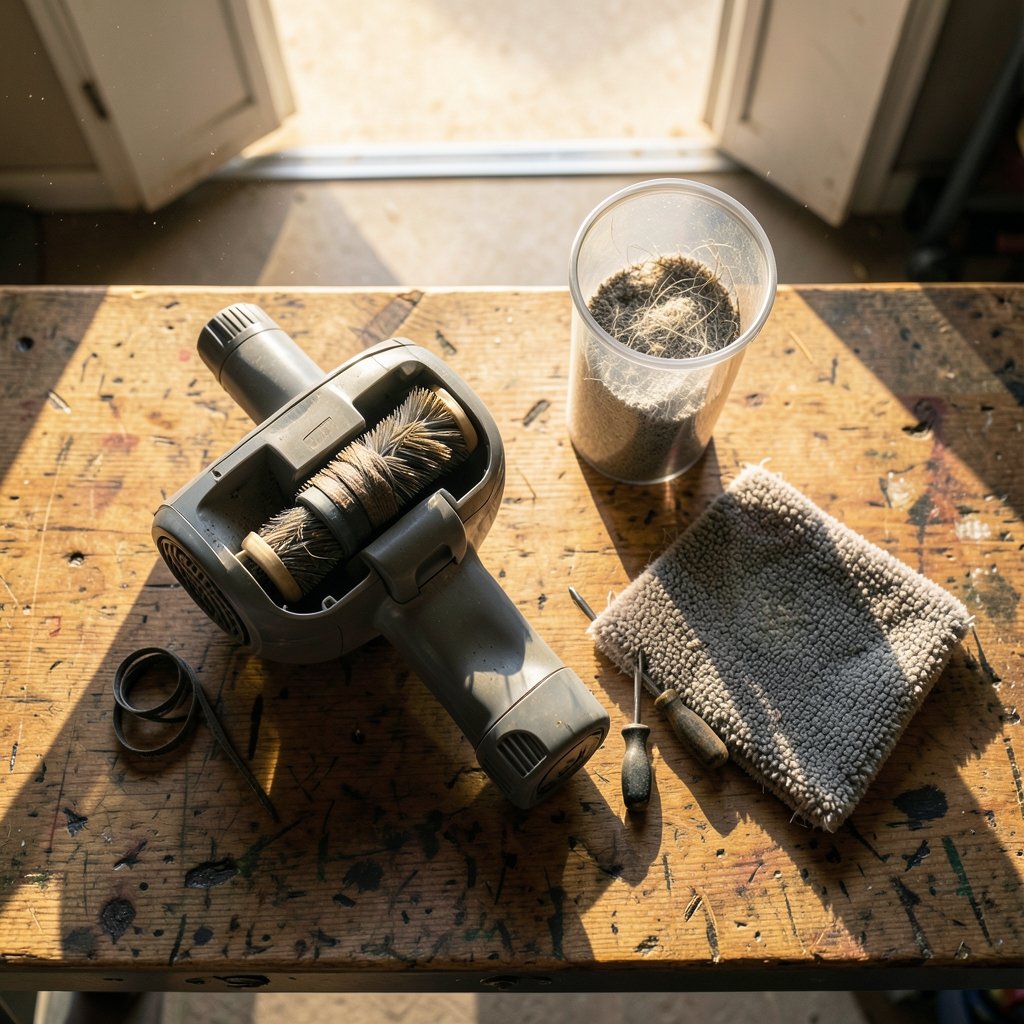
Hair wraps around brush rolls and cuts airflow. On carpet, that wrapped hair also mats the pile. Vacuums with removable, tool-free brush rolls and tangle-resistant designs save real maintenance time. Long human hair is a particular nuisance because it wraps in tight spirals rather than clumping. This guide to robot vacuum long human hair and what actually works covers the anti-tangle designs that genuinely help, and the principle applies to uprights too: a roller you can pull out and clean in thirty seconds gets cleaned. One you cannot, does not.
The Mistakes That Undo a Good Vacuum
Most disappointing vacuum results trace back to technique, not hardware. These are the errors that show up again and again.
- Vacuuming too fast. Deep cleaning needs roughly half your normal walking pace, with overlapping strokes.
- One pass only. Two or three slow passes in different directions lift far more soil than one quick sweep.
- Ignoring the bag or bin. A half-full bag or clogged filter cuts airflow long before performance feels obviously bad.
- Skipping edges. The soil line along baseboards is where grit accumulates and where most people never reach.
- Never changing the belt. A stretched belt spins the roller slowly, and you will blame the motor.
- Using the wrong height setting. Too high and the roller never touches the pile; too low and it stalls.
- Trusting a HEPA label without checking the seal. Fine dust escaping the machine settles right back into the carpet.
Bagged or Bagless?
Bagless vacuums are convenient and cheaper to run day to day. Bagged vacuums generally contain fine dust better and empty less messily. Neither is universally superior, but if anyone in the house has allergies, sealed bagged designs have a practical edge. The dust you cannot see is the dust that keeps circulating.
How Often Should You Deep Clean?
There is no universal number, but a sensible pattern for an average household is a thorough, slow vacuum of main traffic areas weekly, with a full deep-clean pass including edges and under furniture monthly. Homes with pets, children, or allergy sufferers should lean toward the higher end. Professional hot-water extraction typically fits a twelve-to-eighteen-month rhythm for wall-to-wall carpet, sooner in heavy-use rooms.
Carpet acts as a reservoir for dust, pollen, and other particles, and effective, regular vacuuming is a key control measure for indoor air quality. That is the practical case for buying a genuinely good vacuum rather than an adequate one.
Do You Need a Vacuum-Mop Combo?
On carpet, no. Combo machines shine on hard floors and low-pile rugs. For a mixed home, a combo can replace two appliances, but check that the mop function can be disabled before it crosses carpet. If that is your situation, this roundup of the best vacuum mop combo options is a sensible starting point, and this look at robot vacuum cleaning solution alternatives that actually work helps if you are also sorting out what goes in the tank.
Conclusion
There is no single best vacuum for deep cleaning carpet, and any claim otherwise ignores how much pile type, pets, allergies, and budget change the answer. What does hold true is a short list of priorities: a powered brush roll with adjustable height, strong and steady airflow, sealed filtration, and a machine light enough that you will actually slow down and do multiple passes. Uprights remain the strongest choice for wall-to-wall carpet, canisters win on stairs and mixed flooring, and cordless and robot vacuums are excellent maintenance tools rather than deep cleaners. Buy for agitation and filtration, learn to vacuum slowly, keep the filters and belts fresh, and your carpet will stay cleaner, softer, and younger for years longer than a suction-only approach would ever manage.
FAQ
What is the best type of vacuum for deep cleaning carpet?
An upright vacuum with a powered brush roll and adjustable height is generally the strongest choice for wall-to-wall carpet. The brush agitation lifts embedded soil, and the upright format delivers steady airflow. Canisters with powered heads work well too, especially on stairs and mixed flooring.
Is suction or brush agitation more important on carpet?
Brush agitation, airflow, and dwell time matter more than raw suction. A vacuum with moderate suction and a strong, fast-spinning brush roll will out-clean a high-suction machine with a weak roller. Slow, overlapping passes amplify the effect.
Can a robot vacuum replace a full-size vacuum for carpet?
No. Robot vacuums are maintenance machines that keep traffic lanes cleaner between deep cleans. They struggle with deep pile, tangle on long hair, and cannot match the agitation of a corded upright. They work best alongside a full-size vacuum, not instead of one.
How often should carpet be deep cleaned?
A reasonable rhythm is a slow, thorough vacuum of main traffic areas weekly, a full deep-clean pass including edges monthly, and professional hot-water extraction every twelve to eighteen months. Households with pets, children, or allergy sufferers should lean toward more frequent cleaning.
Does a HEPA filter really matter for carpet cleaning?
It matters if allergies are a concern, but only on a sealed machine. A HEPA filter removes at least 99.97% of particles 0.3 micrometers in diameter, yet a leaky housing lets fine dust escape anyway. Sealed bagged models generally contain dust better than bagless ones.
Why does my vacuum stop picking up dirt from carpet?
Usually it is airflow loss or a worn brush roll. Check the bag or bin, clean or replace the filter, inspect the belt for stretching, and confirm the height setting lets the roller touch the pile. Hair wrapped around the roller is another common culprit.