
What if the most expensive robot vacuum in the store turned out to be the worst choice for your apartment? That happens more often than you would think. The “best” robot vacuum is not a single model sitting at the top of a ranking. It is the machine that matches your floors, your pets, your furniture, and how much fiddling you are willing to tolerate.
This guide skips the hype and explains what actually separates a great robot vacuum from a frustrating one. You will learn how navigation, suction, brushes, docks, and filtration affect real cleaning, plus the mistakes buyers make again and again.
Why there is no single best robot vacuum
Every home is different, and robot vacuums are built around trade-offs. A model with monster suction may drain its battery in 40 minutes on carpet. A slim machine that slips under the sofa may carry a tiny dustbin. A self-emptying dock saves you daily emptying but eats floor space and adds bags to your shopping list.
Independent testing consistently shows that marketing numbers do not translate cleanly into real-world results. That is why the smart approach is to rank your own priorities first: floor type, pet hair, home size, mopping needs, and budget. Once you know those, the shortlist almost writes itself.
Navigation is the feature that matters most
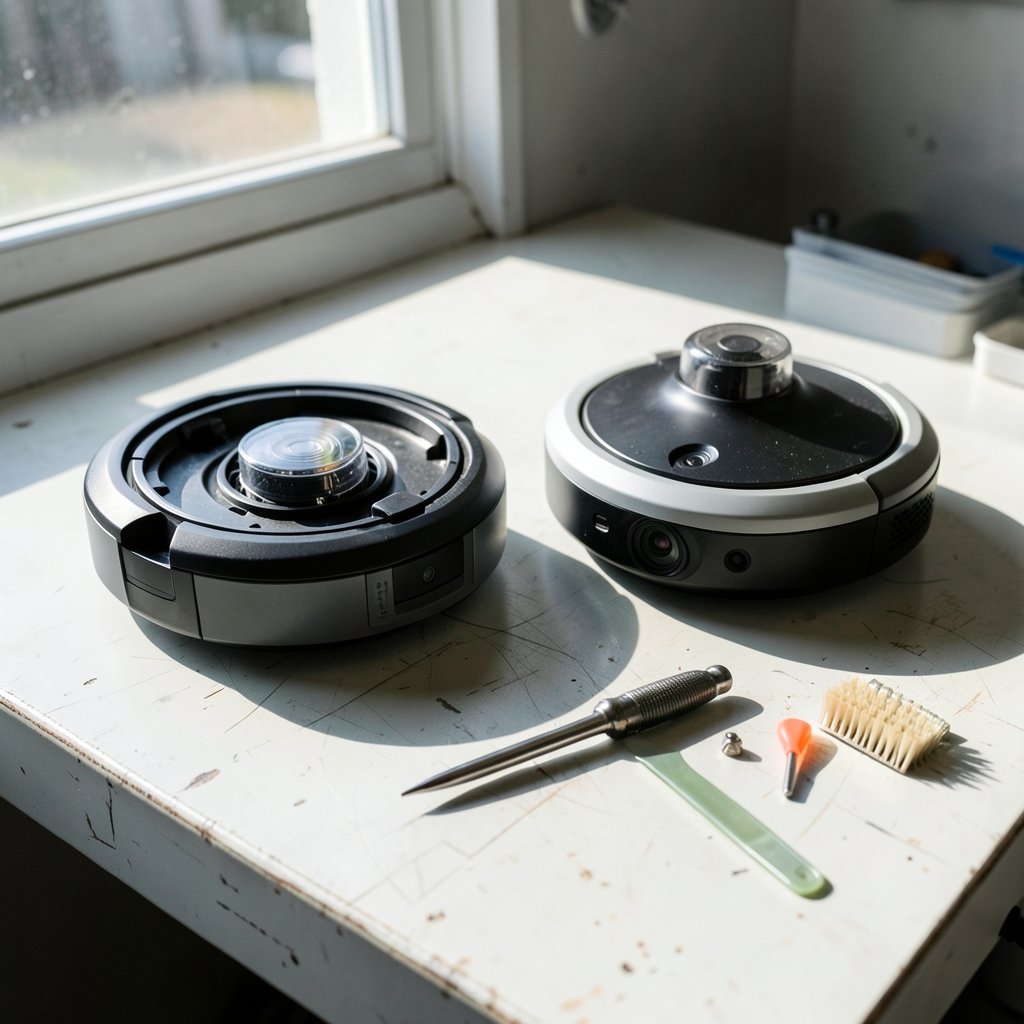
Navigation decides whether a robot cleans your whole floor or wanders into the same corner five times. Most robots use one of four approaches.
| Navigation type | How it works | Best for | Watch out for |
|---|---|---|---|
| Random bounce | Changes direction on contact | Tiny, cheap, single-room use | Slow coverage, missed spots |
| Gyroscope/inertial | Tracks distance and turns | Budget apartments | Map drift over time |
| Camera (vSLAM) | Uses visual landmarks to map | Cluttered homes with light | Struggles in low light |
| LiDAR | Laser scanning for precise maps | Most homes, no-go zones | Slightly taller bodies |
LiDAR generally produces the most reliable maps and the most dependable no-go zones, which matters if you want the robot to avoid a pet bowl or a cable nest. Camera systems can be excellent, but they need reasonable lighting to work well. If you are weighing the two, this breakdown of robot vacuum lidar vs camera navigation key differences explains which suits which home.
One practical tip: whatever navigation a robot uses, its map is only as good as its first run. Let the robot do a full clean with the lights on and the floor picked up before you judge it. Many “bad” robots are actually working from a bad first map.
Suction ratings: what the pascal numbers really mean
Suction is measured in pascals (Pa), and current models advertise anywhere from around 2,000 Pa to well over 10,000 Pa. Here is the catch: there is no single public standard governing how brands measure those figures. One company’s 5,000 Pa may be measured differently from another’s, so comparing numbers across brands is unreliable.
What matters more in practice:
- Carpet performance depends on brush design and airflow as much as raw suction.
- Max power modes usually cut runtime sharply, often to under an hour.
- Medium settings clean hard floors well on most decent robots.
Typical battery runtime on mid-to-high-end models runs roughly 60 to 180 minutes, but expect that to drop fast on max suction and deep carpet. For a two-bedroom apartment with hard floors, a mid-range robot on a standard setting will usually finish with charge to spare. For a large carpeted house, look for a model that resumes after recharging.
Brushes, rollers, and the pet hair problem
Pet hair and long human hair are the number one cause of robot vacuum complaints, and brush design is the reason. Bristle brushes wrap hair around themselves like a spool. Rubber and dual-roller brushes generally shed hair more easily, and some models add anti-tangle combs or fins.
If hair is your main enemy, this guide to robot vacuum long human hair that actually works covers the brush types and habits that keep tangles down. A quick weekly check of the brush roll takes two minutes and prevents most performance drops. People often blame the robot for weak suction when the real problem is a roller packed with hair.
Deep pile and shag rugs: the honest limits
Robot vacuums handle low-pile carpet and hard floors well. Deep shag is a different story. Tall fibers can stall the drive wheels, trigger false cliff-sensor errors, or simply swallow the robot’s clearance.
If you have thick rugs, check two things before buying: wheel height and whether the model has a carpet boost setting. Also know that dark, high-pile rugs can confuse cliff sensors, which use light reflection to detect drops. A robot that stops dead on a black rug is usually not broken. This explanation of robot vacuum cliff sensors fail black carpet works walks through the fixes, from sensor cleaning to simple workarounds.
For genuinely deep pile, this look at robot vacuum shag rugs actually works deep pile sets realistic expectations. Sometimes the honest answer is that a robot plus a corded vacuum for the shag is the right combination.
Mopping combos: convenient, with caveats
Robot mop combos went mainstream between roughly 2021 and 2023, and they have improved quickly. A combo saves you a separate device and handles light maintenance mopping well. It will not replace a proper mop for sticky kitchen messes, but for dust and everyday footprints on hard floors, it is genuinely useful.
The trade-offs are real. Mopping models need water tank refills, mop pad washing, and sometimes dedicated cleaning solution. Speaking of which, using the wrong liquid can void warranties or damage tanks, so check what the manufacturer allows. This piece on robot vacuum cleaning solution alternatives that actually covers safe options. For a broader comparison of combo machines, see best robot vacuum mop combos actually cleans floor.
Self-emptying docks: worth it or not?
Self-emptying docks reduce hands-on maintenance to roughly once every few weeks, depending on the model and your home. That convenience is real, especially with pets. But docks bring costs and complications:
- Footprint: the dock needs clearance and a power outlet.
- Bags: many docks use proprietary bags, an ongoing expense.
- Failure points: a jammed dock can leave the robot stranded.
- Noise: emptying is loud for a few seconds.
If you empty a small dustbin every day and hate it, a self-emptying model may be worth the premium. If your home is small and low-shedding, a standard bin is fine and simpler.
Filtration claims deserve scrutiny
Many robot vacuums advertise “HEPA-type” filtration. True HEPA filters capture 99.97% of particles at 0.3 microns under the long-standing definition used by the U.S. Department of Energy, and many manufacturers adopt it. “HEPA-type” is not the same claim, and the difference matters for allergy sufferers.
If air quality is a priority, look for explicit wording that the filter meets the HEPA standard, and check whether the exhaust is fully sealed. Washable filters need regular rinsing and full drying, or they become a source of odor. A spare filter kept on hand makes the swap painless.
Obstacle avoidance: marketing versus reality
Obstacle avoidance is the biggest differentiator among premium robots. Cameras with AI object recognition are marketed as able to spot cables, socks, and pet waste. Independent tests often show real-world performance below the marketing, and results vary widely by firmware and lighting.
Practical advice: treat obstacle avoidance as a bonus, not a guarantee. A five-second floor check before a scheduled run prevents most disasters. If you have pets that occasionally have accidents, avoid scheduling runs when you are not home until you trust the robot.
Privacy and firmware: the overlooked factors
Camera-mapping robots may upload map data to cloud services. Buyers should check whether local-only mapping is offered and read the privacy policy before committing. Policies change, so a quick check at purchase time is worth the effort.
Firmware updates can also change behavior after you buy, altering mapping, suction, or scheduling. Launch reviews rarely cover this. A good habit is to note how a robot performs right after setup, so you notice if an update changes something.
Common mistakes buyers make
These come up again and again, and each one is easy to avoid:
- Buying on suction numbers alone. Brush design and navigation matter as much as pascals.
- Skipping the first mapping run. A clean, well-lit first run produces a better map.
- Ignoring maintenance. Hair-packed rollers and clogged filters mimic weak suction.
- Placing the dock badly. Tight corners and direct sunlight hurt docking success.
- Expecting perfection on deep pile. Match the machine to the rug, not the other way around.
- Forgetting about consumables. Bags, filters, and brushes add up over years.
Troubleshooting that saves a service trip
Most robot vacuum “failures” are user-fixable. If the robot stops mid-run, check the wheels for hair and debris first. A robot vacuum wheel stuck error is usually a five-minute fix involving tweezers and a flashlight.
If your robot suddenly forgets its rooms or redraws the map every day, the fix is often simpler than you fear. This guide to what to do when your robot vacuum keeps deleting map data covers the usual culprits, from moved docks to interrupted updates. And if you are tired of buying branded cleaning fluid, there are robot vacuum cleaning solution alternatives that actually work without harming the tank.
How to shortlist the best robot vacuum for you
Work through these questions in order, and the right model becomes obvious:
- What are your floors? Mostly hard floor favors mopping combos; mostly carpet favors strong airflow and good brushes.
- Do you have pets or long hair? Prioritize rubber rollers and anti-tangle designs.
- How big is your home? Large homes need resume-after-recharge and reliable mapping.
- Do you want mopping? If yes, accept the refill and pad-cleaning routine.
- How much maintenance will you tolerate? A self-emptying dock trades money for time.
- What is your budget for consumables? Factor in bags and filters over two to three years.
A mid-range LiDAR robot with rubber brushes and a standard bin beats a premium camera model with a bristle brush in a pet household. Matching beats spending.
Conclusion
The best robot vacuum is not the one with the biggest number on the box. It is the one whose navigation suits your layout, whose brushes survive your hair, whose dock fits your routine, and whose filtration you can trust. Get those four things right, keep the roller and filter clean, and even a modest robot will keep your floors consistently better than a vacuum you dread dragging out. Start with your floors and your pets, shortlist two or three models that fit, and let the specs confirm the choice rather than make it for you.
Frequently Asked Questions
Is LiDAR always better than camera navigation?
Not always, but LiDAR is generally more reliable for mapping and no-go zones, especially in low light. Camera systems can work well in bright, cluttered homes and sometimes cost less. The right choice depends on your lighting and whether you need precise zone control.
Do I really need a self-emptying dock?
Only if daily bin emptying bothers you. Self-emptying docks add convenience but also footprint, bag costs, and extra failure points. In a small, low-shedding home, a standard bin is simpler and cheaper to run.
Why does my robot vacuum stop on dark rugs?
Cliff sensors use light reflection to detect drops, and very dark surfaces can absorb enough light to look like a ledge. Cleaning the sensors and adjusting the rug or the robot’s path usually solves it. It is a sensor limitation, not a defect.
How often should I clean the brush and filter?
Check the brush roll weekly if you have pets or long hair, and rinse or replace the filter every few weeks depending on use. A packed roller and a clogged filter are the two most common causes of sudden performance drops.
Are HEPA claims on robot vacuums trustworthy?
Only when the wording explicitly states the filter meets the HEPA standard of 99.97% capture at 0.3 microns. “HEPA-type” is a looser marketing term. Allergy sufferers should look for the explicit standard and a well-sealed exhaust path.
Can a robot vacuum replace a regular vacuum?
For daily dust and debris on hard floors and low-pile carpet, often yes. For deep pile rugs, stairs, upholstery, and heavy pet hair, most homes still benefit from a corded vacuum as a backup. Think of a robot as maintenance cleaning, not a full replacement.



