
The average American household spends close to $60,000 on a major renovation, according to Statista’s home improvement data. That number scares off a lot of first-timers before they even pick up a paintbrush. Here’s the good news: most of the projects that make a home feel newer and work better cost a fraction of that. The trick is knowing which upgrades deliver real value, which ones you can safely do yourself, and which ones will quietly drain your wallet if you rush in.
This guide walks through beginner-friendly renovation ideas with honest cost expectations, practical warnings, and the mistakes people make most often.
Start With a Plan, Not a Paint Swatch
The single biggest money-waster in beginner renovation is starting with finishes. People fall in love with a tile pattern, buy it, then discover the subfloor is soft or the plumbing needs moving. Suddenly the tile budget competes with an emergency repair.
A smarter order of operations looks like this:
- Fix what’s broken first. Leaks, sagging floors, faulty wiring, and drafty windows come before anything cosmetic.
- Set a hard budget with a 20% buffer. Renovations almost always uncover something unexpected, especially in older homes.
- Get permits where required. Skipping them can void insurance and create nightmares at resale.
- Sequence the work. Structural and mechanical work first, then surfaces, then furnishings.
Writing the plan down matters more than people expect. A one-page scope with a cost estimate per line item keeps a project from drifting. If the numbers feel abstract, a detailed breakdown of typical line items in a home renovation costs guide can help calibrate expectations before you commit.
The Highest-Value Beginner Projects
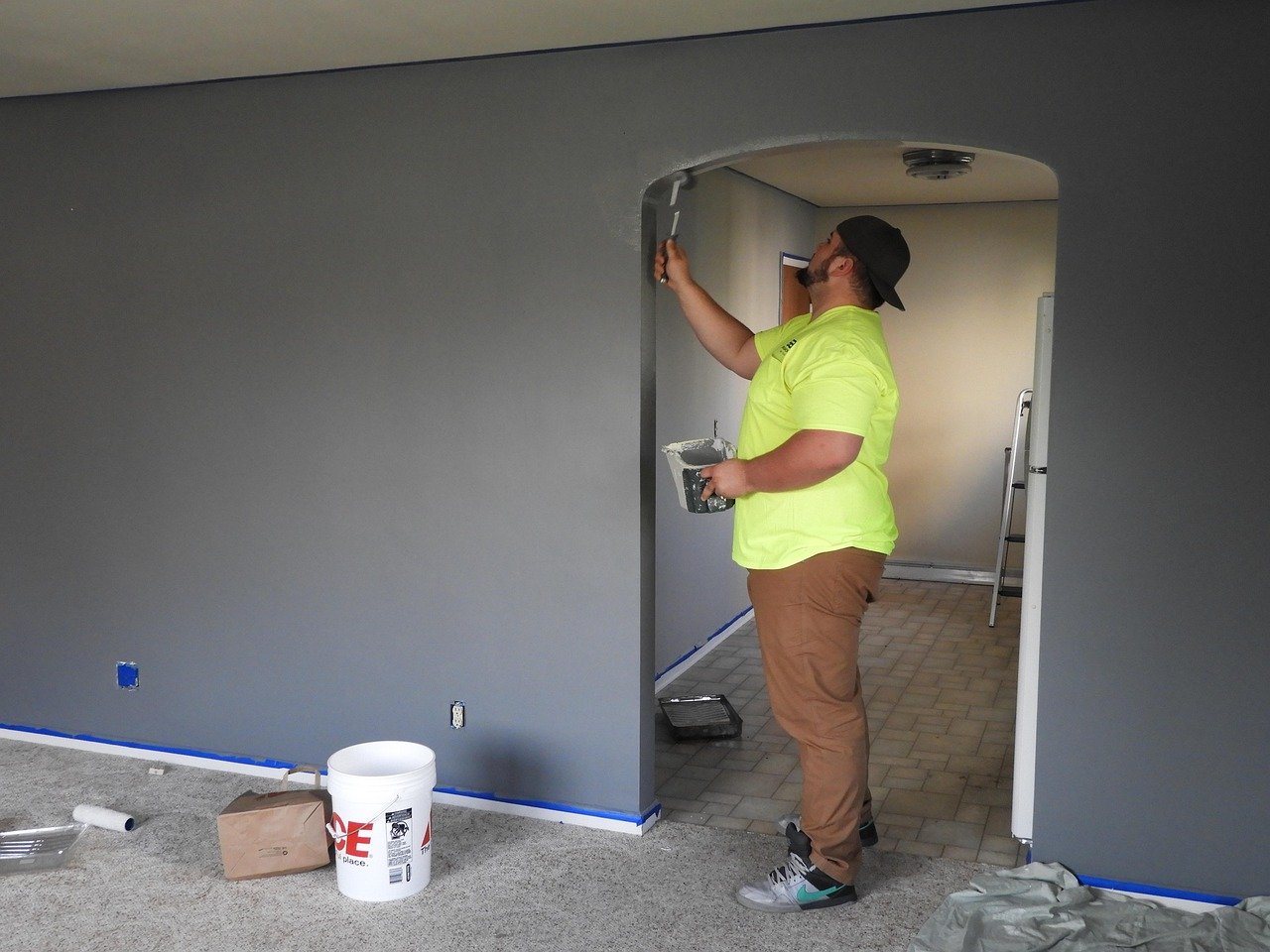
Not all renovations are equal. Some return most of their cost at resale; others are purely for personal enjoyment. For beginners working with limited funds, focus on projects that combine low cost, low risk, and visible improvement.
| Project | Typical DIY Difficulty | Rough Cost Range | Why It Works |
|---|---|---|---|
| Interior repainting | Low | $200–$800 per room | Cheapest way to change a room’s look |
| Upgrading lighting fixtures | Low to moderate | $50–$300 per fixture | Instant modern feel, low material cost |
| Caulking and weatherstripping | Low | Under $100 | Cuts energy bills, stops drafts |
| Refreshing cabinet hardware and fronts | Low | $100–$600 | Kitchen looks new without a full remodel |
| Deep cleaning and grout renewal | Low | Under $150 | Removes the “tired” look fast |
| Adding a smart thermostat | Low | $100–$250 | Measurable savings, easy install |
These projects share a trait: mistakes are cheap to fix. That’s the defining quality of a good beginner renovation. (Indoor Air Quality (IAQ))
Paint: Still the Best Return on Effort
A fresh coat of paint remains the most reliable beginner win. Neutral tones appeal to the widest range of buyers, and modern low-VOC paints are far easier to live with than older formulas. The common mistake isn’t choosing the wrong color; it’s skipping surface prep. Paint applied over grease, dust, or peeling layers will fail within a year. Sanding, patching, priming, and taping properly takes longer than the painting itself, and that’s normal.
Lighting and Hardware: Small Swaps, Big Impact
Replacing dated light fixtures and cabinet pulls changes how a room reads in photographs and in person. Stick to fixtures that match existing wiring to keep the job simple. If a fixture requires new wiring or a junction box in a new location, that’s electrician territory in most jurisdictions, and it’s worth the money.
Where Beginners Should Stop and Call a Pro
Confidence is good. Overconfidence is expensive. Some work carries genuine safety and legal risk, and no amount of YouTube tutorials changes that.
- Electrical panel work and new circuits. Improper wiring causes house fires. Many areas require licensed electricians for anything beyond swapping a fixture.
- Gas lines. A mistake here is potentially fatal. This is never a DIY job.
- Structural changes. Removing a wall requires knowing whether it’s load-bearing. Guessing is not an option.
- Roofing. Falls are a leading cause of home injury, and a poorly sealed roof causes thousands in water damage.
- Plumbing relocations. Moving drains and supply lines is far harder than replacing a faucet.
The practical rule: if the work is behind a wall, involves gas or the main electrical system, or holds up the house, hire a licensed professional. For everything else, the worst-case outcome is usually cosmetic, not catastrophic. A clear overview of what services and costs to expect helps beginners separate the DIY-friendly from the specialist-only.
Budget-Friendly Ideas Room by Room
Kitchen Without a Full Gut Job
A full kitchen remodel regularly runs past $25,000. A beginner-friendly refresh can land under $1,500:
- Paint or reface cabinet doors instead of replacing them
- Swap hardware and add a peel-and-stick backsplash (or tile a small area yourself)
- Replace the faucet and add an under-sink water filter
- Upgrade lighting under the cabinets with plug-in LED strips
- Declutter countertops and add open shelving
The one thing worth splurging on is a quality faucet. It’s used constantly and cheap ones fail.
Bathroom Refresh
Bathrooms intimidate beginners because of water. But plenty of high-impact work is safe:
- Re-grout and re-caulk tile and tub edges
- Replace the showerhead, faucet, and toilet seat
- Add a fresh coat of moisture-resistant paint
- Update the mirror and light fixture
- Install a low-flow toilet to cut water use
Replacing a toilet is a moderate DIY job that most homeowners can handle with basic tools and patience. Moving plumbing, however, is not.
Living Spaces and Bedrooms
These rooms reward cosmetic work. Paint, new outlet covers, updated window treatments, and a couple of well-placed smart devices can modernize a space for a few hundred dollars. If home tech appeals, it’s worth reading a beginner’s guide to the best smart home devices for beginners before buying, since compatibility issues cause most first-time frustrations. Smart bulbs and plugs are the lowest-risk entry point; smart switches require working inside a wall box and should only be attempted if you’re comfortable and permitted to do so.
Energy Efficiency: The Renovation That Pays You Back
Weatherization is unglamorous and consistently undervalued. Sealing air leaks and adding insulation reduces heating and cooling costs year after year, and much of it is genuinely beginner-friendly.
Simple starting points:
- Weatherstrip doors and windows. Drafts are the cheapest fix in the house.
- Seal gaps around pipes and vents with appropriate caulk or foam.
- Add outlet and switch gaskets on exterior walls.
- Install a programmable or smart thermostat.
- Switch to LED bulbs everywhere.
More involved insulation work, like blowing insulation into walls, is usually best left to professionals, but attic air sealing is a common DIY project in single-story homes. Check local guidance before starting, since building codes vary widely by region.
Common Beginner Mistakes to Avoid
After watching countless first renovations go sideways, a few patterns repeat:
- Skipping the buffer. A budget without contingency is a budget that fails.
- Buying materials before measuring twice. Returns eat time and money.
- Starting too many projects at once. Unfinished rooms compound stress.
- Ignoring permits. The savings are an illusion; unpermitted work surfaces at inspection or sale.
- Choosing trends over durability. Bold choices are fine in paint, risky in tile and fixtures.
- Forgetting the cleanup cost. Dumpster rental and disposal add up.
One more: underestimating how long everything takes. A weekend painting job is realistically a three-day project once prep and drying time are included. Beginners who plan for that reality finish happier.
When to Bring in Help for the Design
A single consultation with a designer or architect, often a few hundred dollars, can prevent expensive layout mistakes. It’s especially worthwhile before a kitchen or bathroom project. The same logic applies to a contractor’s quote: getting three bids is free and reveals whether one number is wildly out of line. For anyone mapping out a multi-room refresh, browsing stylish remodeling ideas for any room can clarify priorities before spending a dollar on materials.
Setting Realistic Expectations for a First Project
A beginner’s first renovation should be small, finishable, and low-risk. Pick one room, one system, or one visible problem. Complete it. Then reassess.
A useful benchmark: if a project can’t be finished in two weekends and under $1,000, it probably isn’t a beginner project. That’s not a limit on ambition; it’s a way to build skills and confidence in sequence. Homeowners who start with paint and hardware often graduate to tiling and minor plumbing within a year, and they do it with far fewer costly mistakes.
Conclusion
Affordable renovation isn’t about finding secret cheap materials. It’s about choosing projects where the risk matches your skill level and the return justifies the effort. Paint, lighting, hardware, weatherization, and smart-device upgrades deliver outsized results for modest money, and they’re forgiving when something goes wrong. Save the structural work, gas lines, and major electrical changes for licensed professionals. Plan carefully, budget a buffer, pull the permits, and finish one project before starting the next. Beginners who follow that rhythm end up with a home that feels genuinely renewed, and a bank account that survives the process.
Frequently Asked Questions
What is the cheapest renovation with the biggest visual impact?
Interior painting consistently wins. A few hundred dollars in paint and supplies can change how a room looks more dramatically than almost any other upgrade. Pair it with new light fixtures and cabinet hardware for a combined refresh that still costs less than most single-trade projects.
How much should a beginner budget for a first renovation?
A reasonable first-project budget sits between $500 and $2,000, with a 20% contingency added on top. Staying in that range keeps mistakes affordable and lets you build skills before tackling larger jobs like bathrooms or kitchens.
Can I do my own electrical work?
In most jurisdictions, swapping a light fixture or outlet is permitted for homeowners, but new circuits, panel work, and anything inside the main service require a licensed electrician. Local rules vary significantly, so confirm requirements with your municipal building department before starting.
Do I need permits for small renovations?
Cosmetic work like painting, replacing fixtures, and installing hardware generally doesn’t require permits. Structural changes, new electrical circuits, plumbing relocations, and additions almost always do. Unpermitted work can complicate insurance claims and home sales, so it’s rarely worth skipping.
What renovation projects should beginners avoid entirely?
Gas line work, structural wall removal, roofing, and main electrical panel upgrades should always go to licensed professionals. These carry serious safety and legal risk, and the cost of fixing a mistake far exceeds the cost of hiring someone qualified.
How can I save money without sacrificing quality?
Prioritize labor savings over material shortcuts. Doing your own demolition, painting, and cleanup cuts costs without compromising the finished result. Buy quality where it’s used daily, like faucets and hardware, and economize on decorative items that are easy to replace later.
What tools should a beginner own before starting? A basic kit covers most of the projects above: a stud finder, a cordless drill, a level, a tape measure, a caulk gun, putty knives, and a set of screwdrivers. Quality matters more than quantity, and these tools pay for themselves across multiple projects. Add specialty tools only as specific jobs demand them, rather than buying a full workshop upfront.
How do I know when a project is truly finished? Finished means cleaned up, inspected, and working as intended. Walk away from a job only after testing switches, checking for leaks, and touching up paint. This habit prevents small issues from becoming expensive repairs and gives you an honest sense of what you’ve actually learned.