
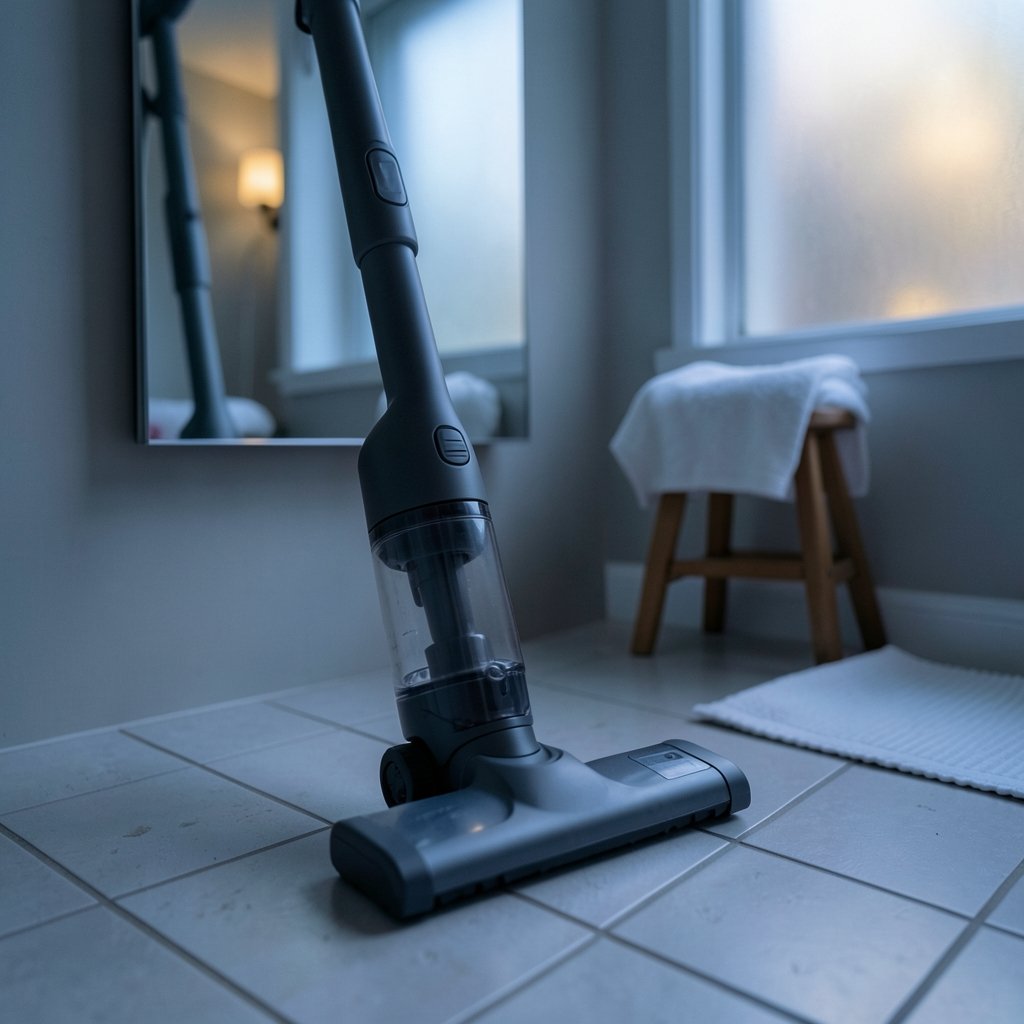
What if the biggest thing holding your cleaning routine back isn’t your effort, but a cord? Battery operated vacuum cleaners have moved from novelty gadgets to the default choice for millions of homes. Walk into any appliance aisle and cordless models dominate the shelf. But the marketing around them is loud, the specs are confusing, and the gap between a great cordless vacuum and a frustrating one is wider than most shoppers expect.
This guide cuts through the noise. It covers how these machines actually work, where the real trade-offs hide, and what to check before spending money on one.
What “Battery Operated” Really Means in 2025
A battery operated vacuum cleaner runs on a rechargeable pack, usually lithium-ion, and needs no wall outlet while cleaning. Most modern cordless vacuums use cylindrical cells (often 18650 or 21700 sizes) or pouch cells, bundled into packs rated somewhere between 18 and 40 volts.
That chemistry choice matters. Lithium-ion packs deliver high power for their weight, hold a charge well when stored, and don’t suffer from the “memory effect” that plagued older nickel-based batteries. The trade-off is that they degrade over time and need proper care and disposal.
Cordless stick and handheld vacuums overtook upright vacuums in US unit share around 2019–2020, according to industry tracking data reported in trade press. In other words, this isn’t a niche category anymore. It’s the main event.
The Runtime Reality Check
Here’s where buyers get burned most often. A vacuum box that says “up to 60 minutes” is telling you a very specific, narrow truth.
Runtime on battery operated vacuums typically lands between 10 and 60 minutes, and it swings wildly based on power mode. Crank the vacuum into its highest “boost” or “max” setting and runtime can collapse to under 10 minutes. Manufacturers usually measure those big headline numbers in eco mode with a non-motorized tool attached, which is the easiest possible scenario.
The physics is simple enough to do yourself: runtime roughly equals usable watt-hours divided by average power draw in watts. A pack with modest watt-hours cannot deliver both maximum suction and a long run. Anyone selling you both is selling marketing, not engineering.
Practical takeaway: match runtime to your actual home. A 900-square-foot apartment and a three-story house with two shedding dogs have very different needs. If you have long human hair in the mix, check how the brush roll handles it, since tangles are one of the most common complaints with cordless models and there are known fixes worth reading about for robot vacuum long human hair situations that apply to stick vacuums too.
Suction, Airflow, and the Numbers That Get Ignored
Suction power gets all the attention, but airflow and seal quality often matter more for picking up debris from carpet. A vacuum with strong suction and a leaky body moves less dirt than a well-sealed unit with moderate suction.
Two practical checks:
- Sealed suction (water lift) tells you how hard the vacuum pulls against a closed surface.
- Airflow (CFM or liters per second) tells you how much debris-laden air actually moves through the machine.
Marketing sheets rarely publish both. When a brand only shouts one number, that’s a signal. Real-world performance also depends on the floor head, brush design, and how well the bin and filters seal.
If you’re comparing cordless stick vacuums against robot vacuum and mop combos for hard floors, it helps to understand how each machine handles wet and dry debris differently. A dedicated guide on the best robot vacuum mop combos that actually clean floors is useful context, because many buyers end up owning one of each rather than choosing between them.
Filtration: Reading “HEPA” With Healthy Skepticism
Many battery operated vacuums advertise HEPA filtration. Here’s the catch: “HEPA” is defined by standards like EN 1822 in Europe and IEST-RP-CC001 in the US, typically requiring removal of at least 99.95–99.97% of particles around 0.3 micrometers. But vacuum marketing often refers to the filter medium alone, not the whole sealed machine.
A true HEPA filter inside a leaky vacuum body doesn’t give you HEPA-grade air. Air finds the path of least resistance, and that path may be around the filter rather than through it.
What to look for instead:
- A gasketed, sealed filter housing
- Washable pre-filters that catch coarse debris before it reaches the fine filter
- Clear instructions on filter replacement intervals
- Realistic claims about what the filter does and doesn’t capture
For allergy sufferers, this matters more than raw suction. A modest vacuum with a tight seal beats a high-suction model that leaks dust back into the room.
Battery Health, Charging, and the Replaceability Question
Battery packs are the most expensive component in a cordless vacuum and the most likely to end the machine’s life. Treat them well.
Charging habits that help:
- Avoid leaving the pack at 100% for weeks on a charger in a hot garage.
- Don’t run the pack to zero every cycle; partial discharges are gentler.
- Let a hot pack cool before charging after heavy use.
- Store the vacuum at roughly half charge if it won’t be used for months.
If you want to understand how software reports battery condition on your other devices, the same principles apply, and a walkthrough on how to check battery health on Android gives useful context on interpreting degradation numbers.
Replaceability is becoming a bigger deal. Under the EU’s Regulation (EU) 2023/1542 on batteries, which entered into force in August 2023, portable batteries in appliances must generally be removable and replaceable by end-users, with some derogations where that isn’t feasible. Many provisions apply from 2027. Right-to-repair laws in several US states, including California’s SB 244 signed in 2023 and Minnesota’s 2023 law, are pushing in a similar direction, though coverage of vacuums specifically varies and needs checking case by case.
The practical advice is simple: before buying, find out whether you can buy a replacement pack at a sane price. If the answer is no, you’re renting the vacuum, not owning it.
Noise, Weight, and the Ergonomics Nobody Mentions
Cordless vacuums commonly run 70–85 dB(A). That’s loud enough to interrupt conversation and startle pets. There’s no current EU energy label for vacuums to compare noise ratings, since the vacuum cleaner energy label regulation was annulled by the EU General Court in 2018 and the label was phased out. You’ll have to rely on reviews and in-store testing.
Weight distribution matters as much as total weight. A 6-pound vacuum with a top-heavy motor can tire your wrist faster than a 7-pound model balanced near the handle. If you have stairs, high shelves, or arthritis, test the feel before committing. Online specs won’t tell you this.
Common Mistakes Buyers Make
Buying on peak suction alone. A single “Pa” number on the box tells you almost nothing about carpet pickup.
Ignoring the bin size. Small bins mean frequent emptying, and some cordless models hold surprisingly little.
Skipping the filter plan. Replacement filters cost money and disappear from shelves. Check availability before purchase.
Charging in a cold garage. Cold charging stresses lithium-ion cells. Keep the charger indoors.
Assuming all “cordless” means the same thing. Stick vacuums, handhelds, and robot vacuums all run on batteries but serve completely different jobs. If you’re weighing a robot against a stick, a comparison of the best vacuum mop combo options helps clarify which form factor fits your floor plan.
Forgetting the accessories. Crevice tools, motorized pet brushes, and extension wands often cost extra or vary by model. Check what’s in the box.
Safety and Disposal: The Part People Skip
Lithium-ion battery fires in vacuums are rare but real. Fire services and battery-recycling bodies give consistent advice: don’t charge a damaged or swollen pack, don’t puncture it, and don’t toss it in household trash.
In the EU, portable batteries must be collected separately under the Batteries Regulation and the earlier Batteries Directive (2006/66/EC). In the US and Canada, take-back programs make drop-off straightforward. Many hardware stores and recycling centers accept loose lithium-ion packs.
If a pack shows swelling, unusual heat, or a burning smell, stop using it immediately and take it to a designated collection point. Don’t store it in your home while you “figure it out.”
Matching the Vacuum to Your Home
| Home situation | Priority feature | Watch out for |
|---|---|---|
| Small apartment, hard floors | Light weight, long eco runtime | Weak airflow on fine dust |
| Carpeted home with pets | Motorized brush, strong seal | Hair tangles in the brush roll |
| Stairs and tight corners | Balanced weight, handheld mode | Awkward bin emptying |
| Allergy sufferers | Sealed HEPA housing | Filter medium claims without sealing |
| Large home, mixed floors | Spare battery option | Short boost-mode runtime |
For homes with dark carpets or tricky thresholds, navigation and sensor quirks can trip up robot vacuums in ways that don’t affect stick models. A look at why robot vacuum cliff sensors fail on black carpet shows how sensor design affects real cleaning, and the same lesson applies broadly: specs on paper rarely capture how a machine behaves on your floor.
How Navigation Tech Separates the Good From the Great
If you’re shopping for a robot vacuum rather than a stick, the navigation system is the single biggest factor in satisfaction. LiDAR uses laser scanning to map rooms precisely, while camera-based systems rely on visual recognition. Each has strengths and blind spots depending on lighting, clutter, and floor type. A detailed breakdown of robot vacuum LiDAR vs camera navigation helps you pick the right system for your layout.
Stick vacuums don’t need navigation, but they do need good floor-head design. Look for brush rolls that adjust to different surfaces and heads that swivel smoothly around furniture legs.
Maintenance That Extends Life
Battery operated vacuums reward small habits:
- Empty the bin after every use; compacted dust strains the motor.
- Rinse washable filters monthly and let them dry fully before reinstalling.
- Clear hair from the brush roll weekly.
- Wipe the contacts on removable batteries to keep charging efficient.
- Store the vacuum indoors, away from extreme heat and humidity.
When something does go wrong, quick troubleshooting saves a repair bill. If the machine stops moving or throws an error, a guide on the robot vacuum wheel stuck error walks through the common causes, and many of those fixes apply to stick vacuums with motorized heads too.
Conclusion
Battery operated vacuum cleaners are genuinely excellent tools, but only when you buy for your actual home rather than the spec sheet. Prioritize real-world runtime in the mode you’ll use, sealed filtration over filter claims, a replaceable battery, and a weight and balance that suit your body. Check the bin size, confirm filter availability, and plan for safe battery disposal from day one. Do that, and a cordless vacuum becomes a daily-use workhorse instead of an expensive closet ornament.
Frequently Asked Questions
How long do battery operated vacuum cleaners actually run?
Most cordless vacuums run between 10 and 60 minutes depending on power mode. Eco settings with non-motorized tools deliver the longest times, while boost modes can drop below 10 minutes. Treat manufacturer claims as best-case scenarios.
Does a cordless vacuum have as much suction as a corded one?
Not usually at peak suction, but modern cordless models handle everyday debris well on hard floors and low-pile carpet. For deep cleaning of thick carpet, a corded upright still has an edge. For daily touch-ups, cordless wins on convenience.
Can I replace the battery myself?
On many newer models, yes. EU rules under Regulation (EU) 2023/1542 push toward user-replaceable portable batteries in appliances, with some exceptions, and many provisions apply from 2027. Always check before buying whether a replacement pack is sold and how it’s installed.
Do I need a HEPA filter in a cordless vacuum?
It helps if you have allergies, but only when the filter housing is properly sealed. A HEPA medium in a leaky body won’t deliver HEPA-grade air. Look for gasketed housings and honest filter claims.
How should I dispose of a dead vacuum battery?
Never put lithium-ion packs in household trash. In the EU, portable batteries must be collected separately. In the US and Canada, take-back programs and many hardware stores accept them. Stop using any pack that is swollen, hot, or smells strange.
Why does my cordless vacuum lose suction over time?
Usually it’s a clogged filter, a full bin, a blocked wand, or a worn brush roll. Clean the filters monthly, empty the bin after each use, and check the airway for debris. If suction drops suddenly, look for a blockage before assuming the motor is failing.



