
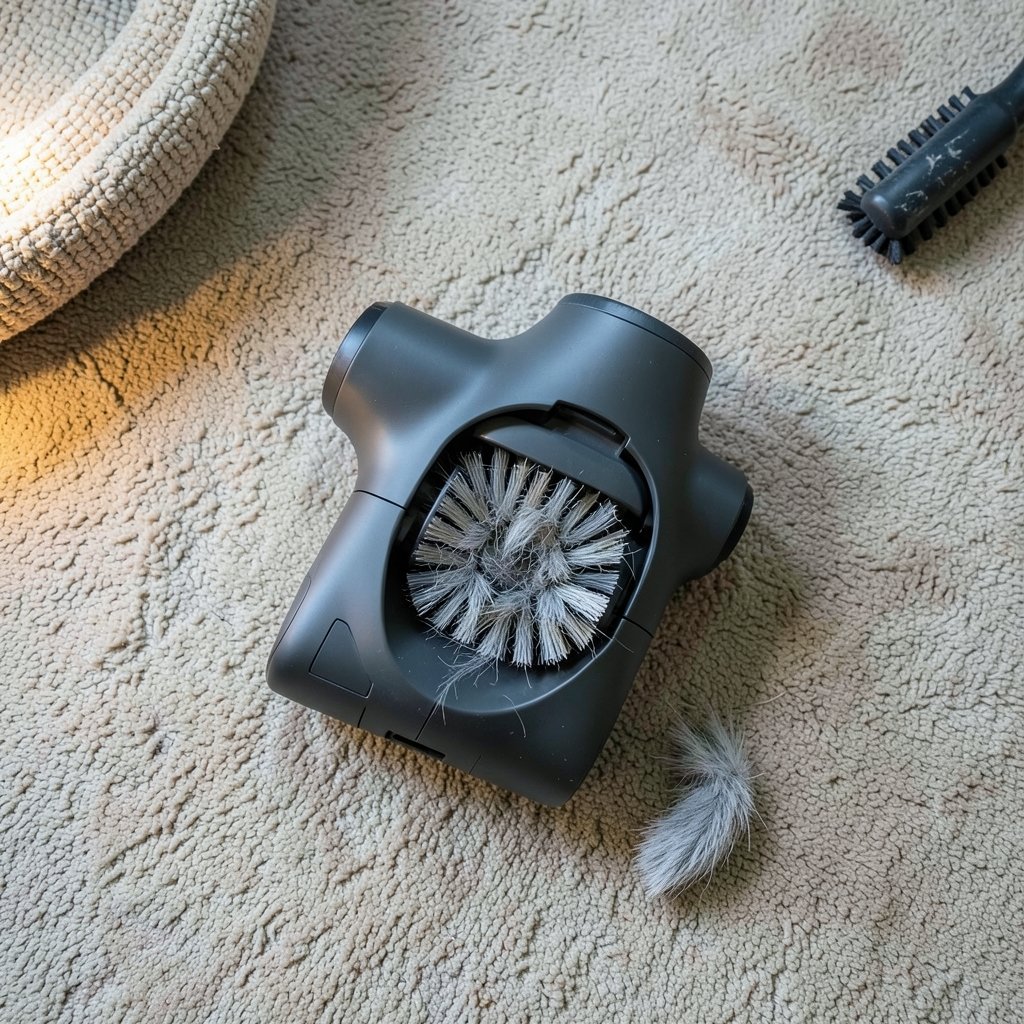
Ever watched a tuft of dog fur drift across the floor like tumbleweed, right after you finished vacuuming? If so, you already know the dirty secret of pet ownership: the hair never really leaves. It just relocates. And when you’re shopping for the best cordless vacuum for pet hair, the marketing noise gets loud fast. Big suction numbers, glossy photos, promises of “99% pickup.” Most of it tells you almost nothing about how a vacuum will handle the fur your cat sheds at 2 a.m.
Here’s the good news. Once you understand a few mechanical realities, the choice gets much simpler. Pet hair is light, it clings to fabric, and it wraps around spinning parts. A cordless vacuum that wins on those three fronts will outperform one with a bigger number on the box almost every time. This guide walks through what matters, what’s overhyped, and what to check before you spend money.
Why Pet Hair Is a Different Cleaning Problem
Pet hair isn’t just dirt with fur on it. It behaves differently from crumbs or dust for three reasons.
First, it’s light and staticky. Fur lifts easily but also floats, so it can get pushed around rather than captured if airflow at the floor head is weak. Second, it weaves into carpet fibers and upholstery instead of sitting on top. Third, long strands wrap around brush rolls, which slowly strangles airflow until the vacuum feels like it’s lost half its power.
That last point matters more than most buyers realize. A brush roll packed with hair can’t agitate carpet properly, and agitation is what loosens embedded fur in the first place. So a vacuum with great suction and a tangle-prone brush can underperform a modest vacuum with a smart anti-wrap design. If long hair is part of your household equation, it’s worth reading up on which robot vacuum for long human hair actually works before assuming any spinning brush is safe.
Airflow and Sealed Filtration Beat Raw Suction Numbers
Suction specs are the least reliable way to compare cordless vacuums. Air watts, pascals, and “Pa” figures are measured differently from brand to brand, and there’s no universal standard that makes them directly comparable. A vacuum claiming 250 air watts and one claiming 150 may perform identically on real carpet. Treat big suction numbers as marketing, not measurement.
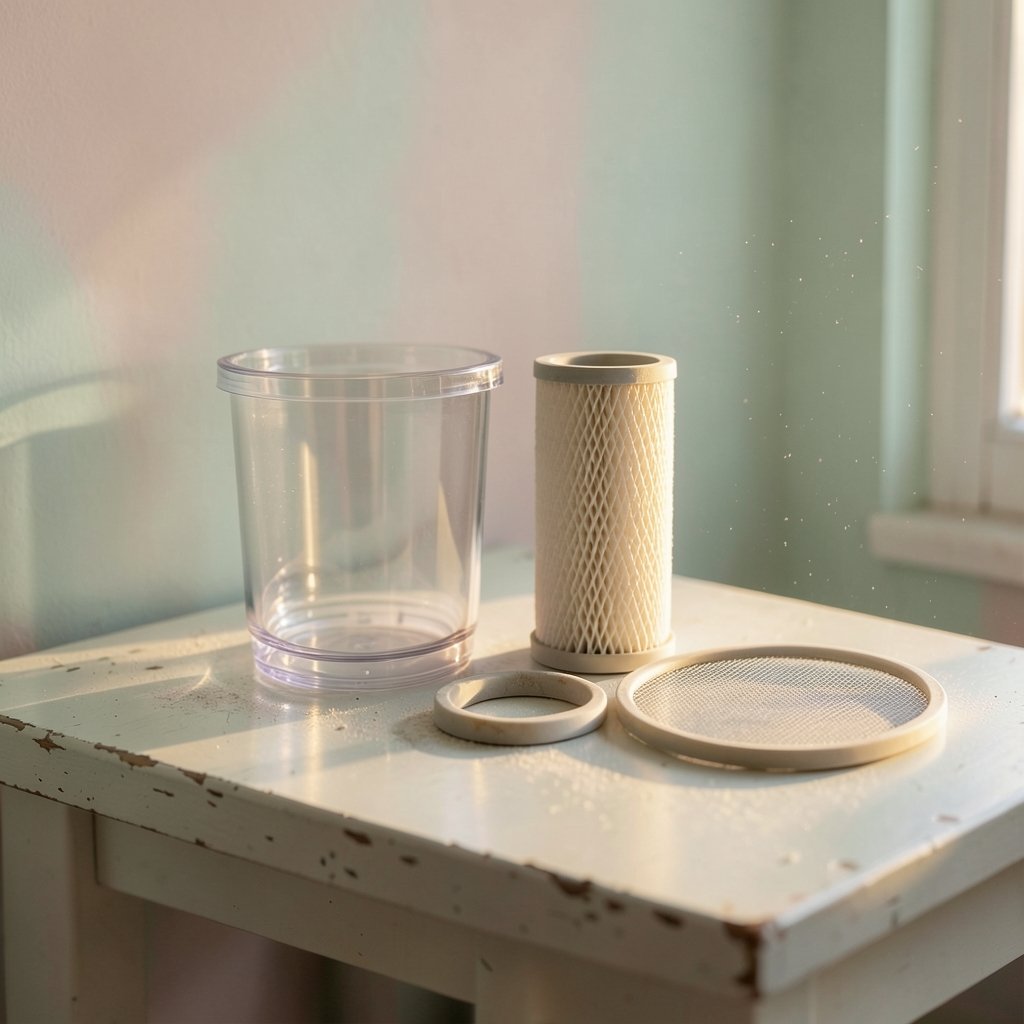
What actually matters is airflow at the floor head combined with a sealed filtration system. Pet hair comes bundled with dander, and dander is the part that makes allergic households miserable. A true HEPA filter is rated to capture 99.97% of particles at 0.3 microns, which covers dander and fine dust. But filtration media only helps if the whole system is sealed. Leaky bins, worn gaskets, and loose filter housings let fine dust escape back into the room, which defeats the purpose.
Practical takeaway: look for vacuums that advertise a fully sealed system, rather than only a HEPA filter. Then check the gaskets yourself in person if you can. A firm, thick seal around the bin and filter door tells you more than any spec sheet.
The Brush Roll Is Where Pet Vacuums Live or Die
Ask anyone who has owned a cordless vacuum for a year with a shedding dog, and they’ll tell you the same story: the brush roll became a hair sausage. Once that happens, edge cleaning fades, carpet pickup drops, and you spend twenty minutes with scissors every few weeks.
Manufacturers now address this in a few ways. Some use anti-tangle combs that strip hair off the brush as it spins. Others use fin or blade-style brush designs that resist wrapping. A few rely on rubberized rollers that flick hair into the airstream instead of catching it. All of these are manufacturer claims until independently tested, so treat “anti-tangle” as a starting point for research, not a guarantee.
A simple real-world test you can run after purchase: vacuum a medium-pile rug for five minutes, then flip the head over. If hair is visibly wound around the brush after one session, the design isn’t working for your household. Return windows exist for a reason.
Matching the Vacuum to Your Floors
The right cordless vacuum for pet hair depends heavily on what’s underfoot. The priorities shift between carpet and hard flooring.
| Floor Type | What Matters Most | What to Watch For |
|---|---|---|
| Wall-to-wall carpet | Strong brush agitation, sealed HEPA system, sustained airflow | Brush roll wrap, filter clogging, battery drain on boost |
| Low-pile rug | Edge-to-edge airflow, moderate agitation | Hair pushed to rug edges instead of captured |
| Hardwood and tile | Edge cleaning, low-profile head, soft roller | Debris flicked backward, weak corner reach |
| Mixed flooring | Quick power adjustment, one-head versatility | Compromise performance on both surfaces |
On carpet, agitation and filtration do the heavy lifting. On hard floors, edge cleaning and a low-profile head matter more, because fur collects along baseboards and under furniture. Homes with both surfaces usually benefit from a vacuum with an easily swappable floor head or a soft roller that won’t scratch finishes.
If mopping is also part of your routine, it’s worth comparing how combo units handle fur before committing to a single machine. A look at the best robot vacuum mop combos that actually clean floors gives a realistic picture of where those hybrids shine and where they stumble on pet hair.
Runtime Claims Are Usually Best-Case Scenarios
Here’s a number that trips up almost every buyer. A vacuum advertised with “60 minutes of runtime” almost always hits that figure in eco mode, on hard floor, with a clean filter and a fresh battery. Switch to boost mode for pet hair on carpet, and that 60 minutes can collapse to 8 or 10.
This isn’t dishonesty so much as industry practice. Manufacturers quote maximum runtime because it’s the most flattering figure. Battery capacity in amp-hours and motor efficiency determine what you actually get, and high-power modes drain lithium-ion packs quickly.
So how should you shop? Look for boost-mode runtime in reviews and spec sheets, not headline runtime. Then think about your home. A 1,500-square-foot house with two shedding dogs needs enough boost runtime to cover the main living areas without a recharge. A small apartment can get by with far less. Removable batteries solve this problem entirely, since you can swap in a fresh pack mid-clean.
Weight, Bin Size, and the Small Annoyances That Add Up
Cordless vacuums trade power for portability, and that trade shows up in places buyers don’t consider until week two.
Weight matters because you’ll lift the vacuum onto stairs, couches, and car seats. Anything above roughly 8 pounds starts to feel heavy during a full-house clean, especially with the wand extended.
Bin size matters because pet hair fluffs up. A small bin fills fast, and every time it fills, airflow drops. A bin that needs emptying twice per room is a bin that’s too small for a pet household.
Filter maintenance matters because clogged filters quietly kill performance. Most washable filters need rinsing every two to four weeks in a pet home, and they need to dry completely before going back in. A damp filter grows odors and restricts airflow.
A common mistake: people vacuum up pet hair with a full bin and a dirty filter, conclude the vacuum is weak, and buy a replacement. Nine times out of ten, a thorough clean restores most of the lost performance.
Cordless vs. Corded: An Honest Comparison
Cordless vacuums win on convenience, and convenience is why they actually get used. A vacuum that lives on a wall mount and takes ten seconds to grab gets run daily. A corded canister that requires unwinding a 25-foot cord gets run weekly at best. For pet hair, frequency matters enormously, because fur builds up fast.
That said, corded vacuums still hold advantages on deep carpet cleaning and sustained suction. A realistic pet household often runs both: a cordless for daily touch-ups and a corded or robot vacuum for deep weekly work.
Speaking of robots, the category has matured enough to handle light pet fur on hard floors and low-pile carpet. The catch is navigation and sensor reliability. Some units struggle with dark flooring because cliff sensors misread it as a drop-off, which is why it helps to understand how to handle it when robot vacuum cliff sensors fail on black carpet before you blame the vacuum’s cleaning power.
Features Worth Paying For (and Ones That Aren’t)
Not every feature earns its price premium. Here’s a practical split.
Worth paying for:
- Sealed HEPA filtration, especially for allergy sufferers
- Anti-tangle brush design or an easily removable brush roll
- Removable, swappable batteries
- A crevice tool and an upholstery tool that actually store on the machine
- Washable filters with cheap replacements available
Nice but optional:
- LCD screens with particle counts
- Auto-mode that adjusts power to floor type
- Motorized pet tools (helpful, but a good upholstery tool covers most needs)
Usually not worth it:
- Huge suction claims without a sealed system to back them up
- Extra attachments you’ll never unclip
- “Pet-specific” branding on a vacuum that’s identical to the standard model
If you’re also dealing with long human hair in the house, the same anti-wrap logic applies to styling tools and floor care alike. It’s a small parallel, but the money pieces hair trend crowd knows all about wrap-prone tools. The principle is universal: spinning parts plus long strands equals maintenance.
A Practical Buying Checklist
Before you commit, run through this list. It takes ten minutes and saves months of frustration.
- Confirm the boost-mode runtime rather than the eco-mode headline figure.
- Check whether the filtration system is sealed, rather than only HEPA-rated.
- Look at the brush roll design and search for real-user reports of hair wrap.
- Weigh the vacuum with the wand attached and imagine carrying it upstairs.
- Compare bin volume to your pet’s shedding output.
- Confirm replacement filters and batteries are available and reasonably priced.
- Check the return window and test the vacuum on your worst rug within it.
That last step is the one people skip. Real-world testing in your own home beats every review, because your carpet, your pet, and your tolerance for maintenance are unique.
Conclusion
The best cordless vacuum for pet hair isn’t the one with the biggest suction number or the flashiest ad. It’s the one with strong edge-to-edge airflow, a genuinely sealed HEPA system, a brush roll that resists hair wrap, and enough boost-mode runtime to finish your floors without a recharge. Weight, bin size, and filter maintenance decide whether you’ll actually use it daily, and daily use is what keeps pet hair from taking over.
Start with filtration and brush design. Confirm runtime in the mode you’ll really use. Test it at home while you still can return it. Do those three things, and the fur tumbleweeds lose.
Frequently Asked Questions
What is the most important feature in a cordless vacuum for pet hair?
Sealed HEPA filtration combined with strong airflow at the floor head. Pet hair is light and comes with dander, so a vacuum that captures fur but leaks fine dust back into the room only solves half the problem. A sealed system with a true HEPA filter handles both.
How long does a cordless vacuum battery really last on pet hair?
Usually far less than the advertised runtime. Headline figures are quoted in eco mode on hard floors. In boost mode on carpet, expect a fraction of that. Check boost-mode runtime in independent reviews, and consider a vacuum with a removable battery for larger homes.
Do I need an anti-tangle brush roll for pet hair?
It helps a great deal if anyone in the house has long hair or your pet has long fur. Hair wrap is a common failure point that quietly reduces performance. Anti-tangle designs are manufacturer claims until tested, so check real-user reports and inspect the brush after your first few uses.
Can a cordless vacuum replace a corded one in a pet household?
For daily touch-ups, yes. For deep carpet cleaning, most pet households still benefit from a corded vacuum or a robot vacuum running regularly. Cordless models trade sustained suction for convenience, and convenience is what gets them used every day.
How often should I clean the filter on a pet-hair vacuum?
Every two to four weeks in a typical pet home, or sooner if you notice fading suction. Rinse washable filters and let them dry completely before reinstalling. A damp or clogged filter restricts airflow and can create odors.
Why does my cordless vacuum seem weaker after a few months?
Almost always a full bin, a clogged filter, or hair wrapped around the brush roll. Clean all three before assuming the vacuum has failed. Most “lost suction” complaints trace back to maintenance rather than a broken motor.



