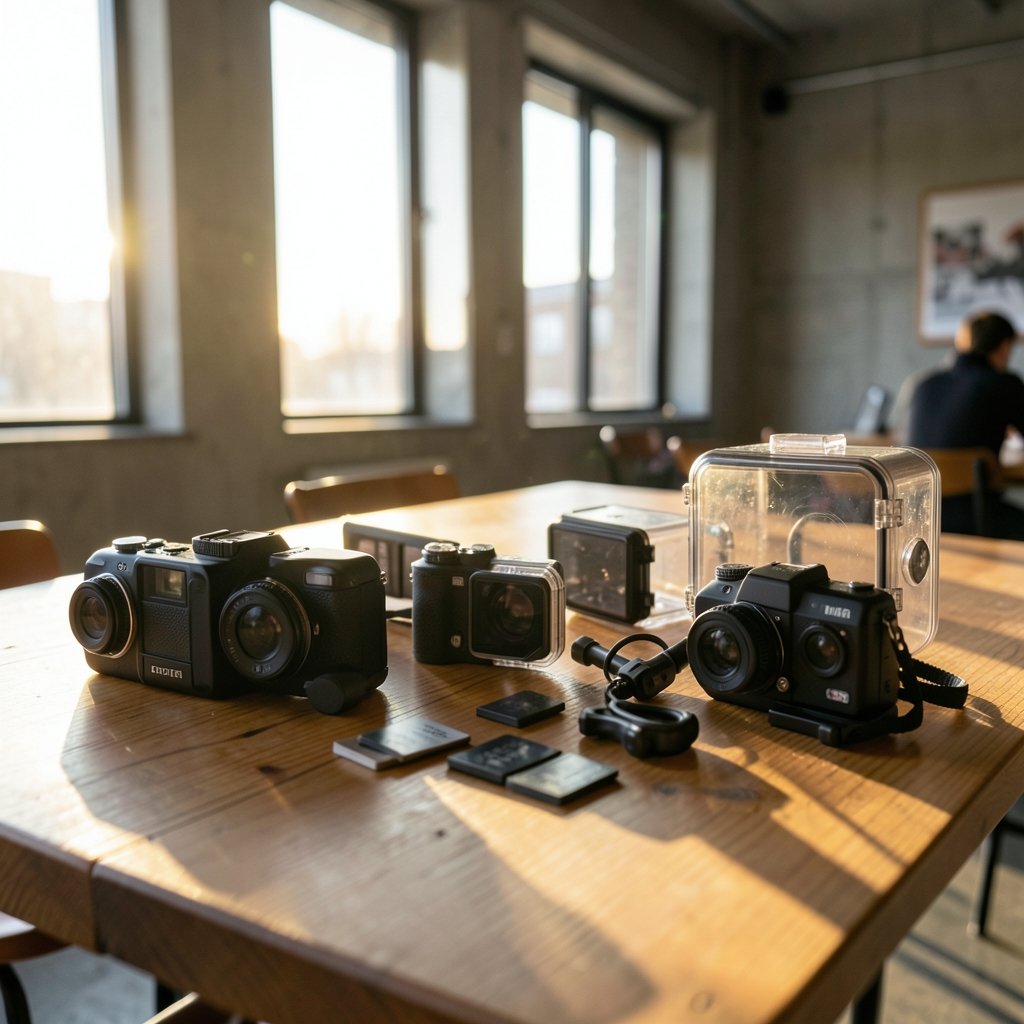
Roughly 2.7 million action cameras are sold worldwide each year, and that number keeps climbing as vloggers, cyclists, divers, and weekend hikers discover how much a tiny, rugged camera can do. But walk into any electronics store in 2026 and you’ll face a wall of near-identical black rectangles with confusing model numbers. The good news: the category has matured. The bad news: that makes choosing harder, not easier, because almost every flagship now shoots crisp 4K and survives a dunking. (Action camera)
This guide cuts through the noise. It focuses on how to choose rather than hyping one brand, because the best action camera for a motocross rider is rarely the best one for a scuba diver. Along the way, you’ll find practical buying advice, common mistakes worth avoiding, and a clear framework you can apply whether you’re spending $200 or $600.
Why 2026 Is a Genuinely Good Year to Buy
Action cameras have entered a phase where the fundamentals are solved. Stabilization that once looked like magic is now standard. Waterproofing without a case is common. And the gap between the big three brands — GoPro, DJI, and Insta360 — has narrowed to the point where the “wrong” choice is rarely a disaster.
What has changed is specialization. Instead of one camera doing everything adequately, manufacturers now build distinct tools: 360-degree cameras for creative reframing, tiny modular cams for stealth mounting, and traditional brick-style units for reliability. That’s great for buyers who know their use case and frustrating for those who don’t.
The practical takeaway is simple. Decide what you’ll actually film before you compare specs. A camera that excels at low-light city cycling may be mediocre underwater, and a 360 camera that’s brilliant for skiing can be overkill for a family beach trip.
The Features That Actually Matter
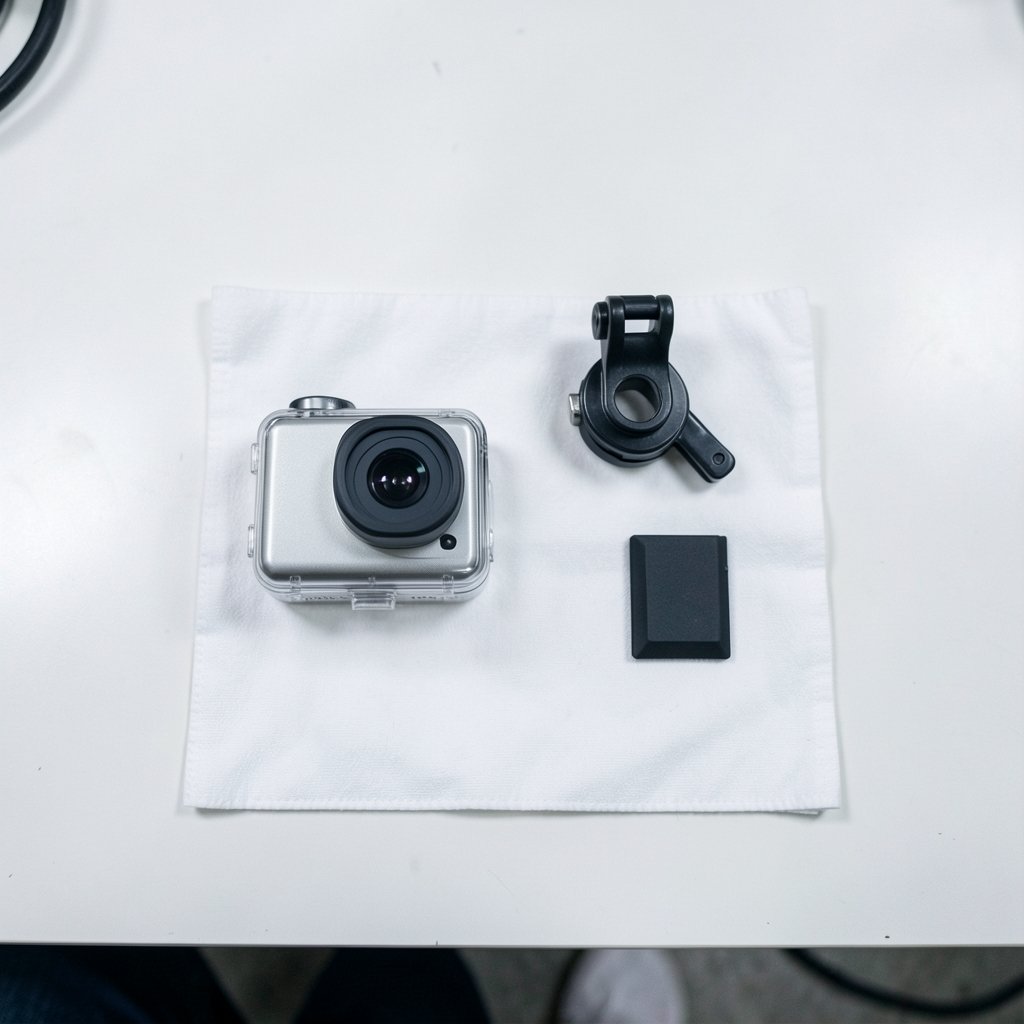
Marketing pages list dozens of specs. In real use, only a handful move the needle.
Stabilization
Electronic image stabilization (EIS) is the single most important feature for most people. It smooths out footsteps, handlebar vibration, and hand shake. Modern systems are remarkably good, but they crop the frame slightly and can struggle in very low light. If you shoot mostly static or tripod footage, you can deprioritize this.
Sensor Size and Low-Light Performance
A larger sensor gathers more light, which means cleaner footage indoors and at dusk. This is where budget cameras fall apart. They advertise 4K but produce grainy, noisy video the moment the sun dips. If night footage matters, prioritize sensor size over resolution.
Waterproofing
Many cameras are now waterproof to around 10 meters (33 feet) without a housing. That’s fine for snorkeling and rain, but serious divers still need a rated case. Always check the depth rating rather than assuming “waterproof” means “dive-ready.”
Battery Life and Heat
Small bodies trap heat. Shooting 4K for long stretches can cause cameras to throttle or shut down. Real-world battery life is often well below the advertised figure, especially in cold weather. Buy a spare battery — it’s the cheapest upgrade you’ll ever make.
Mounting Compatibility
A camera is only as good as its mounts. Cross-compatible mounting fingers (the familiar two-prong design) let you use thousands of third-party accessories. Proprietary mounts limit you to one brand’s costly accessories.
| Priority | What to Look For | Who It Suits |
|---|---|---|
| Stabilization | Strong EIS, horizon lock | Cyclists, runners, vloggers |
| Low light | Larger sensor, good noise handling | Night riders, indoor creators |
| Durability | Deep waterproof rating, rugged body | Divers, surfers, climbers |
| Battery | User-replaceable, long runtime | Travelers, long shoots |
| Mounting | Standard fingers, wide accessory range | Everyone, honestly |
Matching the Camera to the Adventure
The smartest buyers start with the activity, not the spec sheet. Here’s how the major use cases break down.
Cycling and motorcycling. You want strong stabilization, wind-noise-resistant audio, and long battery life. A traditional brick-style camera mounted to the handlebars or helmet works well. Consider a model with loop recording so you’re never caught without footage of an incident.
Diving and snorkeling. Depth rating and color reproduction underwater are everything. Red filters help restore warm tones that water steals. A camera rated to at least 40 meters with a housing is the safe bet.
Skiing and snowboarding. Cold kills batteries, so bring spares and keep them warm. A 360 camera shines here because you can reframe the shot later without aiming perfectly on a slope.
Vlogging and travel. Front-facing screens, good built-in mics, and compact size matter more than extreme durability. If you’re also shopping for a phone that doubles as a camera, it’s worth reading up on the best camera phone in 2026 before committing to a dedicated action cam.
Family and casual use. Honestly? Many people are better served by a rugged point-and-shoot or even their phone in a waterproof case. If you want something simple and affordable, browse the best budget action cameras rather than overpaying for features you’ll never touch.
Budget Tiers: What Your Money Buys
Action cameras cluster into three rough price bands, and understanding them prevents both overspending and disappointment.
Entry level (roughly $150–$250). You get solid 1080p and often 4K, basic stabilization, and decent waterproofing. The compromises show up in low light, audio quality, and app reliability. These cameras are perfect for kids, occasional use, and anyone testing whether they’ll actually stick with the hobby.
Mid-range (roughly $250–$400). This is the sweet spot for most people. You get much better stabilization, improved sensors, and more polished software. The difference between entry and mid-range is far bigger than between mid-range and flagship.
Flagship (roughly $400–$600+). Top-tier stabilization, the best low-light performance, and premium features like advanced horizon lock or high frame rates for slow motion. Worth it if you shoot professionally or obsess over image quality.
A common mistake is buying flagship gear for occasional use. The camera you actually carry beats the camera with better specs sitting in a drawer. Another frequent error: forgetting to budget for memory cards and spare batteries, which can add $60–$100 to the real cost.
Practical Tips That Save Frustration
First-hand experience from seasoned shooters points to a few habits that matter more than any spec.
- Format your memory card in the camera, not on your computer. It prevents file corruption and recording errors.
- Test waterproof seals before every trip. A single grain of sand under a gasket can flood a housing.
- Shoot in the highest frame rate you can afford for action, then slow it down in editing for smoother results.
- Use a windscreen or foam cover on the mic for any outdoor sport. Audio quality is the most overlooked feature.
- Update firmware before your first big trip. Early firmware often has bugs that later updates fix.
If you’re also setting up cameras around the house, the same principles of matching hardware to real use apply — the best home security cameras for 2026 guide follows a similar logic of prioritizing reliability over spec-sheet bragging rights. (Best action cameras)
360 Cameras: The Wildcard Worth Considering
360-degree cameras deserve their own mention because they’ve quietly become the most versatile option for many creators. Instead of aiming carefully, you record everything and choose the framing later in software. For skiing, mountain biking, and any activity where you can’t babysit the camera, that’s transformative.
The trade-offs are real, though. Footage files are larger, editing takes more time and a capable computer, and the “reframe later” workflow isn’t for everyone. Battery life also tends to suffer because two lenses are recording simultaneously. For creators who plan their shots carefully, a traditional camera is often simpler and sharper.
The broader tech world keeps evolving in ways that ripple into camera hardware. Even gaming and mobile platforms influence chip design and app ecosystems, as seen in developments like the Nintendo Switch 2 Lite and Samsung 8LPU Plus chip rumor for 2026. Camera apps benefit from the same advances in mobile processors.
Common Mistakes to Avoid
Even informed buyers stumble on a few predictable traps.
Chasing resolution. 8K sounds impressive but eats storage, drains batteries, and often looks worse in low light than a well-tuned 4K mode. Most viewers watch on phones anyway.
Ignoring the app. A camera’s companion app controls transfers, remote shooting, and editing. A clunky app can ruin an otherwise great camera. Read app-store reviews before buying.
Skipping the return window test. Shoot in your real conditions during the return period. Test it in rain, at night, and on a long ride. You’ll learn more in a week than in a month of reading reviews.
Forgetting audio. Built-in mics are usually mediocre. If your videos have commentary, plan for an external mic or a dedicated audio recorder.
Overlooking the secondhand market. Last year’s flagship often beats this year’s mid-range at the same price. Just verify battery health and check for lens scratches.
The Verdict: Who Should Buy What
There’s no single “best” action camera in 2026 — only the best fit for your specific adventures. Here’s a clean way to decide:
- List your top two activities. Be honest about how often you’ll actually film.
- Rank your priorities using the table above: stabilization, low light, durability, battery, or mounting.
- Set a total budget that includes a memory card and a spare battery.
- Test in real conditions during the return window.
- Buy last year’s flagship if you want maximum value.
For most casual adventurers, a mid-range camera with strong stabilization and good waterproofing is the sweet spot. For divers and professionals, a flagship with a proper housing justifies the cost. And for anyone who loves creative flexibility, a 360 camera opens doors a traditional unit can’t.
The category has never been stronger, and the “wrong” choice today is far less wrong than it was five years ago. Pick the tool that matches how you actually play, and you’ll spend more time filming and less time comparing specs.
Frequently Asked Questions
Are action cameras worth it in 2026?
For anyone who films sports, travel, or outdoor activity regularly, yes. Modern action cameras are rugged, waterproof, and stabilized in ways phones can’t match. For occasional use, a phone in a waterproof case may be enough.
How much should I spend on an action camera?
Most people are best served by the mid-range, roughly $250–$400. That band delivers strong stabilization and good image quality without flagship pricing. Budget $60–$100 extra for a memory card and spare battery.
Do I need a 360 camera?
Only if you want to reframe shots after recording or film activities where aiming is hard, like skiing or mountain biking. Traditional cameras are simpler, sharper, and easier to edit.
How deep can action cameras go underwater?
Many are waterproof to around 10 meters (33 feet) without a case, which covers snorkeling and rain. Serious diving requires a rated housing, often good to 40 meters or more.
Why does my action camera overheat?
Small bodies trap heat, and shooting high-resolution video for long stretches causes throttling. Lower the resolution, reduce frame rates, or record in shorter clips to manage heat.
Is last year’s model still a good buy?
Often yes. Previous-generation flagships frequently beat current mid-range cameras at similar prices. Just check battery health and inspect the lens if buying used.
Final thought on longevity. Whatever you buy, treat it as a long-term tool: rinse it in fresh water after salt exposure, store it without a charged battery for months on end, and keep the lens cap on. A well-cared-for camera from two generations ago will still outshoot a neglected new one. Buy for the adventures you take, learn its quirks, and let the gear disappear into the moment. That’s when action cameras earn their keep — not on a spec sheet, but in the footage you’re still glad you captured years later.