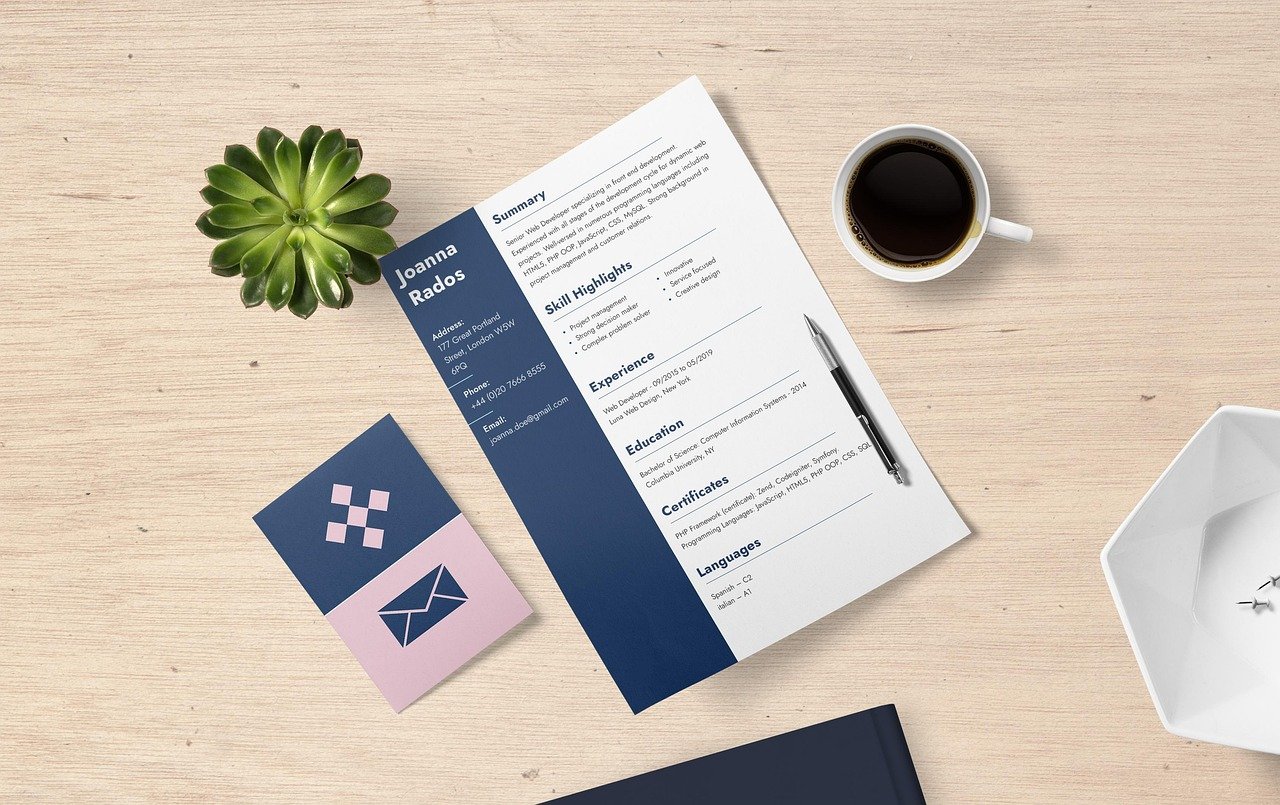
What if the tool promising to land you interviews is the very thing getting your resume filtered out? The AI resume builder boom raises that question. Millions of job seekers now paste their work history into tools that promise to “beat the bots,” rewrite bullet points in seconds, and tailor applications to any job posting. Some of these tools genuinely save hours. Others produce the same generic, keyword-stuffed language that recruiters have learned to spot instantly. (Job Scams)
This guide cuts through the marketing. It explains how AI resume builders work, what separates a useful one from a liability, and which features matter when you are choosing a tool in a crowded market.
Why AI Resume Builders Exploded in Popularity
The numbers tell a simple story. A single corporate job posting can attract hundreds of applications, and many employers now use applicant tracking systems (ATS) to sort them before a human ever reads a word. That pressure pushed job seekers toward automation.
At the same time, the regulatory spotlight turned toward AI in hiring. The U.S. Federal Trade Commission launched “Operation AI Comply” in September 2024, targeting deceptive AI claims, including in employment-adjacent products. The Federal Trade Commission has made clear that “AI-powered” is not a free pass for exaggerated promises. In Europe, the EU AI Act entered into force on August 1, 2024, and classifies employment-related AI as high-risk, with obligations phasing in over the following years.
For job seekers, the practical takeaway is this: a resume builder is a writing assistant, not a magic key. The best ones help you say what you already did, more clearly and more relevantly.
How AI Resume Builders Actually Work
Most tools follow a similar pipeline:
- You enter or upload your work history, education, and skills.
- The tool parses the text and structures it into resume sections.
- A language model rewrites bullet points, often using action verbs and quantified results.
- A matching engine compares your resume against a job description and suggests keywords.
- A template engine formats everything into a clean, ATS-readable layout.
The quality gap between tools shows up mostly at steps three and four. Weak tools churn out vague phrases like “responsible for various tasks.” Strong tools ask follow-up questions, push you to add numbers, and flag skills you claim but never demonstrate.
The ATS Myth Worth Understanding
No resume builder can guarantee you will “pass the ATS.” An ATS is software that stores and searches applications; it does not score you like a video game. What actually matters is parseability: clean headings, standard section names, no text trapped in images, and relevant keywords that match the posting. Any builder that promises a guaranteed pass rate is overselling.
What Separates the Best AI Resume Builders From the Rest
After comparing how these tools behave in practice, a few differentiators matter far more than flashy interfaces.
| Feature | Why It Matters | Red Flag |
|---|---|---|
| Guided prompting | Forces you to add real metrics and context | One-click generation with no questions |
| Job-description matching | Shows genuine keyword gaps | Keyword stuffing without context |
| ATS-safe templates | Keeps text parseable by software | Heavy graphics, columns, text in images |
| Editable output | Lets you rewrite in your own voice | Locked phrasing behind a paywall |
| Data transparency | Explains how your data is stored | No privacy policy or unclear retention |
| Export options | PDF and DOCX both available | PDF-only or watermarked free tiers |
A tool that asks you three uncomfortable questions about your accomplishments will almost always beat one that generates a full resume in ten seconds. The friction is the feature.
Practical Tips That Make Any AI Resume Builder Work Better
Experience from real job-search workflows suggests a handful of habits that consistently improve results.
Feed the tool specifics, not adjectives. Instead of “managed a team,” write “managed a team of six across two time zones and cut release cycles from three weeks to nine days.” The AI can only polish what you give it.
Always rewrite the first draft. AI output tends to flatten your voice into corporate mush. Read every bullet aloud. If it does not sound like something you would say in an interview, change it.
Match keywords honestly. If a posting asks for SQL and you have used SQL, include it. If you have not, do not let the tool sneak it in. Interviewers ask follow-up questions.
Test the export. Download your resume as a PDF and paste the text into a plain document. If the order scrambles or sections vanish, the layout is not ATS-friendly.
Keep a master resume. Maintain one long document with every role and achievement, then tailor shorter versions per application. Most builders handle this well if you set it up once.
Common mistakes cluster around over-automation: submitting the first generated draft, ignoring the job description entirely, and trusting “ATS score” meters that measure arbitrary keyword density rather than actual fit.
Where AI Resume Builders Fit in a Broader Job-Search Strategy
A resume is one artifact in a larger system, and the same principles of deliberate skill-building apply elsewhere. Just as people who want to get stronger follow structured progressive plans rather than random workouts, job seekers benefit from treating their search as a repeatable process. The logic behind best exercises for strength at home mirrors resume building: small, consistent, measurable improvements beat one heroic effort.
Similarly, building a personal portfolio site alongside your resume can set you apart. If you want to showcase projects, a best free website builder can get a simple portfolio online without cost, and guides on the best website builders for small business explain how to choose a platform that scales. For candidates in technical fields, understanding how to build an AI app is itself a resume line that no AI writer can fabricate for you.
Privacy and Fairness: The Questions Most Job Seekers Skip
Resume data is personal data. Under the General Data Protection Regulation in the EU, that means you have rights to access, correct, and delete what a service stores about you. In the U.S., state laws like the CPRA give California residents similar controls. Before uploading your work history, check three things: where the data is stored, whether it trains the vendor’s models, and how you can delete your account.
Fairness cuts both ways. The EEOC issued technical assistance on AI and Title VII in May 2023 and on AI and the ADA in May 2024, warning that automated screening can disproportionately exclude protected groups. Job seekers cannot control employer software, but they can avoid builders that inject demographic assumptions or generate claims they cannot defend. The NIST AI Risk Management Framework, released in January 2023 with a generative AI profile added in July 2024, offers a useful checklist for evaluating whether a vendor takes safety seriously.
How to Evaluate a Builder Before You Pay
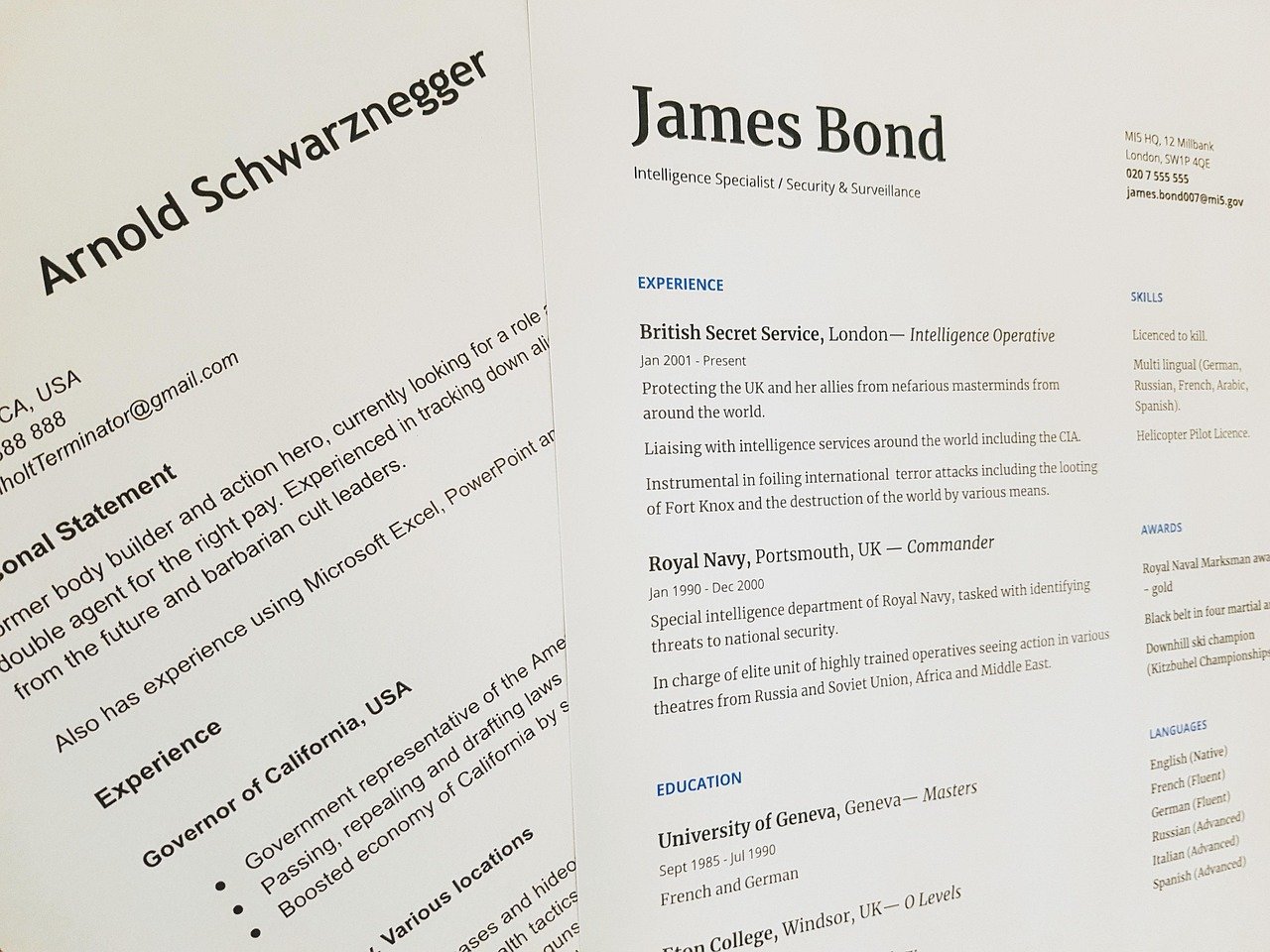
A short trial tells you most of what you need. Run this sequence:
- Enter one real job and three real achievements with numbers.
- Generate a resume and read it critically for generic filler.
- Paste a job description and check whether the keyword suggestions are relevant or spammy.
- Export to PDF and DOCX, then test parseability.
- Check the privacy policy and cancellation terms.
- Cancel or commit based on output quality, not interface polish.
If the free tier watermarks your resume or hides exports, treat that as a pricing signal, not a dealbreaker. What matters is whether the paid output is something you would actually send.
Conclusion
The best AI resume builders are not the ones that write the fastest. They are the ones that slow you down just enough to capture real achievements, match them honestly to a job, and format everything so both software and humans can read it. Use these tools as editors and organizers, keep your own voice in every bullet, and verify privacy terms before uploading your career history. The technology is genuinely useful, but the judgment about what belongs on your resume still has to come from you.
Frequently Asked Questions
Do AI resume builders actually help you get interviews?
They can, mainly by improving clarity, keyword relevance, and formatting. They cannot compensate for a weak fit between your experience and the role. Treat them as editors, not matchmakers.
Are AI resume builders safe to use?
Most established tools are safe if they publish clear privacy policies and let you delete your data. Avoid services that cannot explain where your information is stored or whether it trains their models.
Can an AI resume builder guarantee passing the ATS?
No. An ATS stores and searches applications rather than grading them. Builders can improve parseability with clean formatting and relevant keywords, but no tool can promise a guaranteed pass.
Should I let AI write my entire resume?
It is better to let AI rewrite and structure content you provide. Fully generated resumes tend to sound generic and can include claims you cannot defend in an interview, which is a serious risk.
Are free AI resume builders good enough?
Often yes for a first draft, though free tiers frequently watermark exports or limit downloads. Test the output quality before paying, and check whether DOCX export is available.
How do I choose between two similar AI resume builders?
Compare them on guided prompts, job-description matching, export formats, and privacy terms. Run the same test resume through both and keep the one whose output you would actually send to an employer.
Original text ends with the FAQ answer above. Continue:
Final Checklist Before You Hit Submit
Before any application goes out, run a five-minute audit:
- One page, or two if you have a decade of experience. Recruiters scan, they do not read.
- Contact details correct. A typo in your email address ends the conversation before it starts.
- Every bullet starts with a verb and contains a number where possible. “Cut onboarding time by 40%” beats “improved onboarding.”
- No unexplained gaps. If you took time off, a single line covering it is enough.
- File name is professional. `Firstname_Lastname_Resume.pdf`, not `resume_final_v7.pdf`.
- Proofread after the AI edits. Language models occasionally invent plausible-sounding job titles or shift dates. Verify every fact against your own records.
The Bottom Line
AI resume builders have matured from novelty to genuine utility, but the market rewards speed over substance, and that is exactly backwards. The tools worth your money are the ones that ask questions, resist keyword stuffing, export cleanly, and explain their data practices in plain language. Everything else is a template with a chatbot bolted on.
Use these tools the way a careful writer uses a spellchecker: as a second pass, not a first draft. Your career history is the raw material; the builder’s job is to present it honestly and clearly. If a tool cannot do that without inventing things you never did, close the tab and find one that can.
- Tailor the summary line. Rewrite the opening sentence for each role; a generic objective is the fastest way to blend in.
- Save the job description. Keep it alongside the version you submitted so you can prepare for the interview from the same language.
Run the checklist twice: once after the AI edits, once the next morning with fresh eyes. Small errors survive automation, and the final read is still yours to own.