What if the biggest upgrade to your morning espresso isn’t a new machine at all, but the bag sitting on your counter? That question trips up more home baristas than any grinder setting. Espresso is a brewing method, not a bean type. Finely ground coffee, hot water, roughly nine bars of pressure, about 25 seconds. The bean is simply your taste preference, and the grind and machine do the espresso part. So the useful question isn’t “what is an espresso bean” but “which beans actually taste good when brewed this way on my counter?”
Home machines are picky. They run smaller boilers, hold temperature less steadily, and often pair with a modest grinder. That makes bean choice matter more at home than in a café. The two most common failures are no crema and bitter, hollow shots, and both usually trace back to the beans. Below are seven specific bags worth considering, with who each one suits and where it falls short.
Comparison at a Glance
| Bean | Best For | Roast Style | Notable Detail |
|---|---|---|---|
| Lavazza Super Crema | Most home setups, beginners | Medium-dark Italian blend | Forgiving of grind inconsistencies |
| Lavazza Espresso Barista Gran Crema | Darker, fuller flavor lovers | Dark Italian style | Classic intense profile |
| Illy Classico | Clean straight shots | Medium, 100% arabica | Polished, consistent cup |
| Cafe La Llave Whole Bean | Bold milk drinks | Dark | Cuts through milk well |
| Lifeboost Organic Espresso | Low-acid drinkers | Medium | Gentler on sensitive stomachs |
| North Star Czar Street | Milk-drink specialty fans | Medium | Built for milk beverages |
| Pact Coffee | Budget-conscious subscribers | Varies | Fresher than supermarket bags |
Lavazza Super Crema: The Safest First Bag
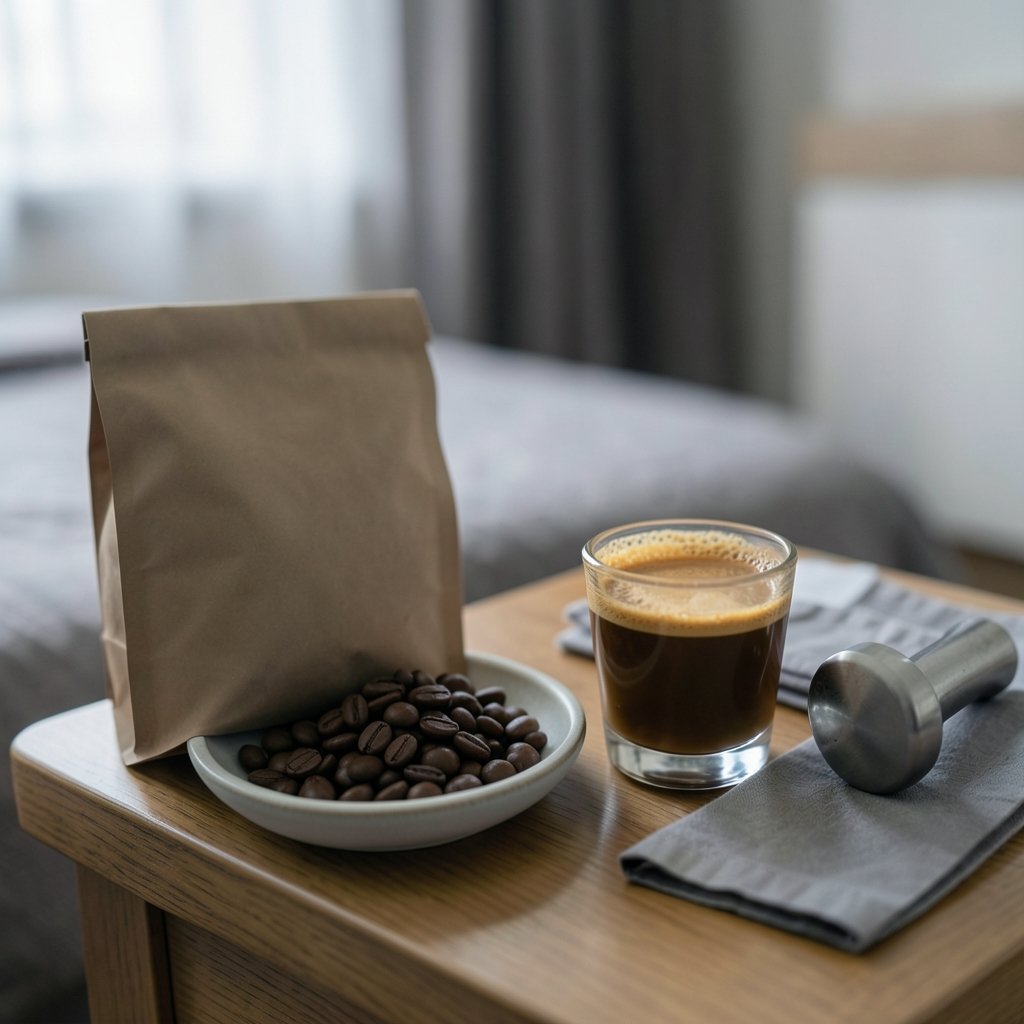
For most people starting out, this is the recommendation that keeps coming up, and for good reason. Lavazza Super Crema is a medium-dark Italian blend that produces thick crema, a balanced chocolate-and-nut flavor, and, crucially, forgiveness. It tolerates the grind inconsistencies that trip up beginners. It works under nine bars of pressure without demanding an expensive grinder to dial in.
That forgiveness is the whole point. If someone is still learning to dial in a best espresso machine for home setup, a bean that hides small mistakes keeps mornings pleasant instead of frustrating. The limitation? It’s a crowd-pleaser, not a showstopper. Anyone chasing fruity, floral, single-origin complexity will find it safe to a fault.
Lavazza Espresso Barista Gran Crema: For Darker, Fuller Shots
Some drinkers genuinely want the darker, fuller profile that many home coffee drinkers reach for first. Gran Crema delivers exactly that classic Italian-style intensity. It suits people who take their espresso strong, short, and unapologetic, or who build milk drinks and want the coffee to stay loud.
The trade-off is the flip side of dark roasting. Dark, oily roasts over-extract easily on machines that already run hot, which can push shots toward bitter and ashy. Pair this bag with a machine you can temperature-manage, or keep your ratio and time tight. It rewards attention more than Super Crema does.
Illy Classico: The Cleanest Straight Shot
If the goal is a polished, elegant cup without milk, Illy Classico is the cleanest choice in this group. It’s a 100% arabica medium roast with a reputation for consistency, and it suits drinkers who prefer a sweeter, more refined straight shot over a bruising dark roast.
Its limitation is personality under milk. Lighter, softer, more acidic profiles can taste odd when combined with dairy, sometimes reading as “yogurty.” So if most of your drinks are lattes and cappuccinos, this may not be the bag for you. If you drink espresso neat, it’s a strong pick.
Cafe La Llave Whole Bean: Built for Milk
Here’s a bag that knows its job. Cafe La Llave Whole Bean Espresso cuts through milk better than lighter, softer blends, making it a natural fit for bold milk drinks. Brazilian-heavy blends with chocolate and caramel notes shine in this role, because the milk softens rough edges while the espresso provides backbone.
The limitation is straightforward: this is not a subtle, sipping espresso. Drink it straight and the intensity can feel blunt. Buy it if your daily drink involves a pitcher of steamed milk, not if you’re exploring delicate flavor notes.
Lifeboost Organic Espresso: The Low-Acid Option
Not everyone wants brightness and bite. Lifeboost Organic Espresso suits people who want a gentler cup without wandering into flavored-coffee territory. It’s positioned as a low-acid option, which matters for drinkers whose stomachs react to sharper, more acidic shots.
The honest limitation: low-acid coffees can taste flatter to palates that enjoy vivid acidity, and “organic” alone doesn’t guarantee a better shot. If you love a bright, juicy espresso, this bag will likely feel muted. If acidity gives you trouble, it’s a sensible starting point.
North Star Czar Street: Specialty Blends for Milk
For drinkers who want specialty-grade coffee but mostly make milk drinks, North Star Coffee’s Czar Street blend is designed specifically for milk beverages, with a focus on clarity and balance. It suits someone who has graduated past supermarket bags and wants a blend built around their actual habit rather than an imagined one.
The limitation is availability and price positioning. Specialty roasters tend to cost more per bag and rotate offerings, so a favorite can disappear. That’s the trade for freshness and craft. This is the pick for the tinkerer who reads roast dates and enjoys the hunt.
Pact Coffee: Fresher Than the Supermarket
For tighter budgets, Pact Coffee offers decent quality at lower prices with flexible subscriptions. It’s not quite specialty grade, but it’s fresher than anything from a supermarket shelf. That freshness gap is real: stale beans are the number one cause of missing crema, and supermarket bags often sit for months.
The limitation is the subscription model itself. Flexibility is nice, but recurring deliveries only help if you actually drink at a steady pace. If your consumption is erratic, a subscription can leave you with aging bags, which defeats the freshness advantage.
How to Choose Your Bag
Work through these steps in order, because the first one eliminates the most bad options:
- Check the roast date, not the best-by date. Fresh beans produce crema and sweetness. Old beans produce hollow, flat shots. Buy from roasters who print the roast date.
- Match roast to your machine. Entry-level machines with less temperature stability do better with medium to medium-dark roasts. Very light roasts demand more from both grinder and technique.
- Match the bean to how you drink. Straight espresso rewards origin character and medium roasts. Milk drinks reward medium-dark blends with chocolate and caramel notes. Fruity, acidic beans can clash with milk.
- Consider your grinder. If it’s modest, choose a forgiving blend rather than a finicky light roast. This is exactly where Lavazza Super Crema earns its reputation.
- Start with one bag, not five. Dial it in, note what you like, then branch out. Consistency at home beats chasing the most unusual tasting notes.
One more practical note on water and gear: extraction depends on more than beans. A consistent grind, roughly 300 to 400 microns for espresso, and reasonably mineral-balanced water both shape the cup. If shots still taste off after a fresh bag, the grinder is usually the next suspect. The same logic applies when people research a best home espresso machine upgrade: the machine and the beans have to suit each other.
Common Mistakes That Ruin Good Beans
Even a great bag can produce bad shots. These are the errors that show up most often:
- Buying “espresso” labels without checking dates. The word is marketing, not biology. There’s no espresso plant. What matters is freshness and roast level.
- Storing beans in the fridge or freezer without care. Moisture and odors migrate in. Keep beans sealed, cool, and dark.
- Grinding too coarse for a pressurized basket, or too fine for a light roast. Both produce sour or bitter results that get blamed on the bean.
- Changing beans and grind at the same time. Change one variable at a time or you’ll never know what worked.
- Judging a bag on day one. Some coffees need a few days after opening to settle. Give each bag three or four pulls before deciding.
If you’re still assembling your setup, it helps to read up on the best home espresso machine 2 options alongside bean reviews, since the two decisions interact. And if you’re curious how automated machines handle beans differently, a look at the Jura z10 review is a useful reality check on what super-automatics can and can’t do with a delicate roast.
Conclusion
The best espresso beans for home brewing aren’t a single bag. They’re the beans that produce a sweet, balanced shot on your machine, with a grind setting you can repeat before work. For most home setups, Lavazza Super Crema remains the easiest recommendation because it forgives beginner mistakes. Beyond that, the choice depends on your habits: Illy Classico for clean straight shots, Cafe La Llave for bold milk drinks, Lifeboost for low-acid comfort, North Star for specialty milk blends, and Pact for budget-friendly freshness. Start fresh, start simple, and let your own palate, not the label, make the final call.
Frequently Asked Questions
Are espresso beans different from regular coffee beans?
No. Espresso is a brewing method, not a bean type. The beans sold as “espresso” are the same arabica coffee you’d find in other bags; the roaster simply chose beans and a roast level they think taste good when pulled as a shot. The grind and the machine do the espresso part.
Do I need a dark, oily roast for good espresso?
Not necessarily. Dark, oily roasts over-extract easily on home machines that already run hot, which can produce bitter, ashy shots. The sweet spot for most home setups is a medium to medium-dark bean that’s forgiving to dial in and produces crema reliably. Very light roasts can work, but they demand more from your grinder and technique.
Why do my shots have no crema?
No crema almost always means stale beans or beans roasted too light for your grinder to handle. Check the roast date first. Supermarket bags often sit for months, which is why fresher roaster-direct coffee tends to solve the problem quickly.
Which beans work best for milk drinks?
Medium-dark roasts with chocolate and caramel notes, especially Brazilian-heavy blends, tend to shine with milk. The milk softens rough edges while the espresso provides backbone. Fruity, acidic beans can taste odd with milk, sometimes described as yogurty.
Is a subscription worth it for espresso beans?
It can be, if you drink at a steady pace. Subscriptions like Pact Coffee offer decent quality at lower prices and stay fresher than supermarket bags. The catch is that recurring deliveries only help if you finish each bag before it ages, so erratic drinkers may waste coffee.
How much should I spend on beans for a beginner setup?
Spend enough to get fresh, dated coffee from a roaster, but don’t chase rare single origins before your technique is steady. A forgiving, moderately priced blend like Lavazza Super Crema lets you learn dialing in without wasting expensive bags. Upgrade once your shots are consistent.
For now, that’s the whole landscape: fresh, dated beans matched to your machine, your grinder, and the way you actually drink. Buy one bag, dial it in, and let each purchase teach you something. The best bag in 2027 is simply the one that keeps your mornings consistent.