Action cameras have quietly become one of the most competitive corners of consumer tech. Market researchers estimate the global action camera market was worth roughly $4 billion in the mid-2020s, with projections of steady growth through the end of the decade. That growth has one obvious cause: two brands, GoPro and DJI, now dominate almost every serious buying conversation. GoPro built the category from scratch. DJI walked in with drone-grade stabilization know-how and undercut it on price. The result is a rivalry where the “winner” changes depending on whether you’re skiing, vlogging, or filming your dog at the beach. (GoPro)
This comparison breaks down where each brand genuinely leads, where the marketing outruns reality, and how to pick without regret.
The Big Picture: Two Different Design Philosophies
GoPro’s identity is built around ruggedness and a mature accessory range. The HERO line has spent more than a decade refining one idea: a small, waterproof, mount-everywhere camera that survives abuse. Accessories are everywhere, third-party mounts are cheap, and the software has been battle-tested across millions of users.
DJI’s Osmo Action line takes a more computational approach. The company’s background in drones means it treats stabilization and image processing as software problems first and hardware problems second. That shows up in features like horizon leveling and dual touchscreens, which arrived on DJI cameras before they became standard elsewhere.
Neither philosophy is objectively better. But they produce cameras that feel different in the hand and behave differently in the edit.
Stabilization: HyperSmooth vs RockSteady
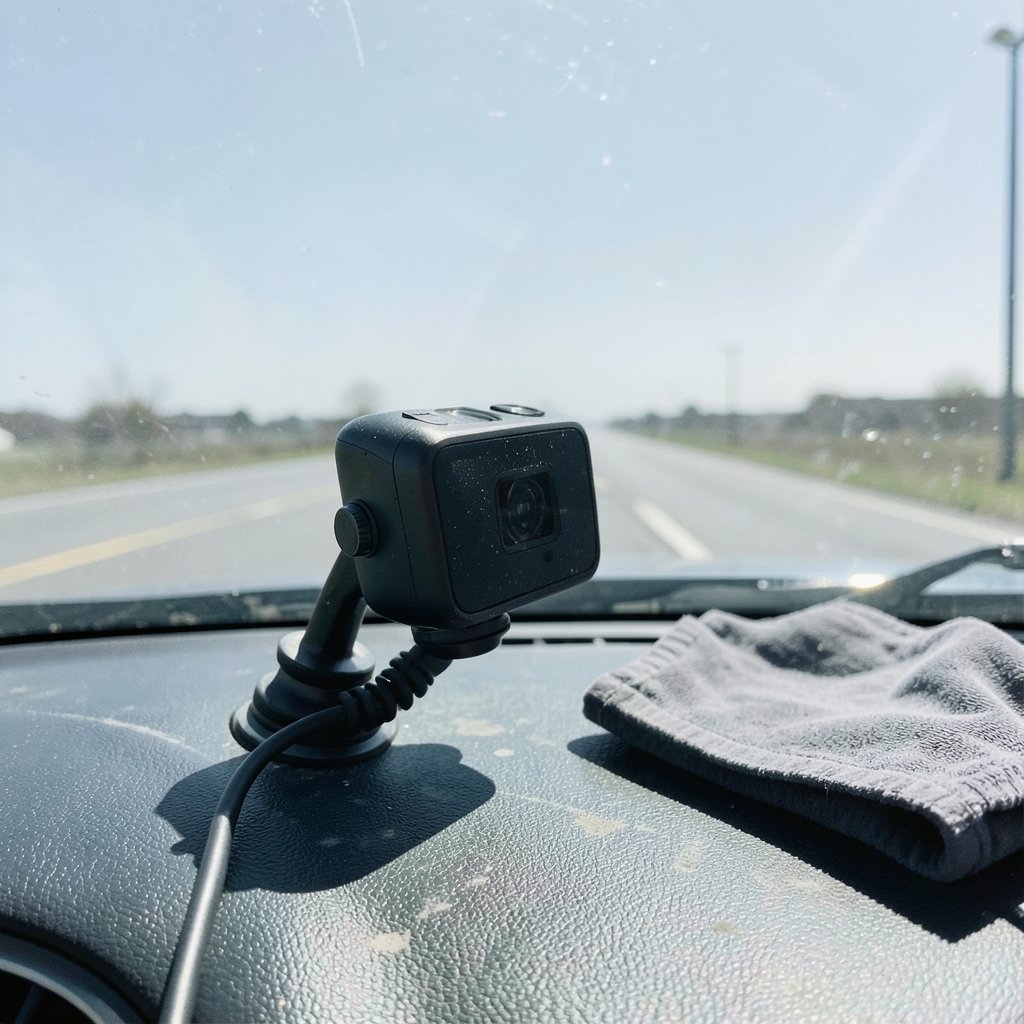
This is the single most important spec for most buyers, and it’s also the most overhyped.
GoPro’s HyperSmooth stabilization is the benchmark most reviewers compare against. It’s aggressive, smooths out genuinely violent motion, and in recent generations includes horizon lock that keeps footage level even when the camera rotates a full 360 degrees. For mountain biking, skiing, and motorsports, it’s remarkably effective.
DJI’s RockSteady (paired with HorizonBalancing) is close enough that most viewers can’t tell the difference in a blind test. In low light, though, both systems crop the frame and can introduce a subtle warble. The practical takeaway: stabilization quality is no longer a deciding factor between the two brands. Anyone telling you otherwise is comparing generations, not cameras.
What does differ is how each system handles cropping. GoPro tends to crop more aggressively in its highest stabilization modes, which narrows your field of view. DJI’s horizon lock often preserves a wider frame. If you shoot wide landscapes, that matters.
Video Quality and Color Science
Both brands now offer 5.3K or 4K recording at high frame rates, 10-bit color, and log profiles for grading. On paper, the spec sheets look nearly identical. In practice, the difference is color science.
GoPro footage tends to ship with punchier, more saturated colors straight out of camera. It looks “finished” without grading, which is why so many casual creators stick with it. DJI leans slightly more neutral, which gives editors more room to push footage in post but can look flat to someone who just wants to post and go.
Low-light performance is the real separator. Smaller sensors struggle in dim conditions regardless of brand, but the two companies handle noise reduction differently. GoPro’s noise reduction is often described as more aggressive, smoothing detail to kill grain. DJI frequently preserves more texture at the cost of visible noise. Neither is wrong; it’s a taste question, and it’s worth watching side-by-side sample footage before buying.
If you’re building a kit around a primary camera, it’s worth reading up on the best camera for beginner photography so your action cam complements rather than duplicates your main body.
Battery Life and Heat: The Uncomfortable Truth
Here’s where manufacturer claims and real-world use diverge sharply. Both GoPro and DJI publish battery figures measured under controlled conditions, usually at moderate resolution, room temperature, and with stabilization limited. Push either camera to its maximum resolution and frame rate in summer heat, and you’ll see recording times drop dramatically, sometimes by half.
Both brands also battle overheating. High-bitrate recording in a sealed, waterproof body generates heat that has nowhere to go. In practice:
- Recording in 4K at 60fps in direct sun will trigger thermal shutdown on both brands within roughly 15 to 25 minutes.
- Lowering resolution or frame rate extends recording time far more than any battery upgrade.
- Removing the camera from direct sunlight and airflow matters more than people expect.
The honest advice: buy a spare battery for either brand, and don’t trust the box numbers. If long continuous recording is your priority, neither action camera is the right tool; a mirrorless body or a dedicated camcorder handles heat far better.
Waterproofing and Durability
GoPro has historically shipped waterproof to 10 meters (33 feet) without a housing, and that’s held steady across recent generations. DJI’s Osmo Action line matches that rating on recent models. Both are rugged enough for surfing, snorkeling, and rain.
The difference shows up in the details. GoPro’s lens cover is replaceable, which is a genuinely underrated feature: scratch it, swap it, no service center required. DJI’s front-facing design with dual screens means more glass exposed to the elements, though the screens are toughened.
One common mistake: assuming waterproof means saltwater-proof without maintenance. Rinse either camera in fresh water after ocean use. Salt crystallizes in the seals and buttons, and that’s how waterproof cameras die.
The Selfie Screen Question
For vloggers, the deciding feature is often the front-facing display. DJI made dual color touchscreens standard on the Osmo Action line, which lets you frame yourself without a phone. GoPro answered with front screens on its flagship models, but some mid-range options rely on a small monochrome status display instead.
If you’re shooting to camera, check this carefully before buying. A front screen sounds like a minor feature until you’ve filmed twenty minutes of your own chin. Creators who mainly shoot POV footage don’t need it at all, which is why the cheaper models still sell well. For a broader look at what makes a camera good for talking-head work, see this guide to the best vlogging camera.
Mounting, Accessories, and Mount Compatibility
GoPro’s mount system is the de facto standard. Third-party mounts, clamps, chest harnesses, and floaty handles are cheap and everywhere. DJI uses a compatible magnetic quick-release system on recent models, and while it’s genuinely faster to swap, the aftermarket is smaller.
If you already own a drawer full of GoPro mounts, switching brands means buying adapters. That’s a real cost. Conversely, DJI’s magnetic system is one of those things people don’t appreciate until they’ve fumbled with a thumb screw on a cold mountain.
For hiking and travel, the bag matters as much as the camera. A dedicated camera bag for hiking with proper attachment points makes the whole setup far more usable than cramming a camera into a daypack.
Software and Editing
GoPro’s subscription service bundles cloud backup, automatic highlight edits, and replacement discounts. It’s genuinely useful if you shoot often, but it’s a recurring cost, and the auto-edits have a distinctive “app-generated” look.
DJI’s Mimo app is more utilitarian: solid transfer speeds, basic editing, less hand-holding. Neither app is a substitute for real editing software, and both can be frustrating when transferring large files over Wi-Fi. A card reader is faster and cheaper than either brand’s cloud plan. (TechRadar)
Head-to-Head Comparison
| Feature | GoPro | DJI Osmo Action |
|---|---|---|
| Stabilization | HyperSmooth, aggressive, strong horizon lock | RockSteady plus HorizonBalancing, wider frame retention |
| Color out of camera | Punchy, saturated, ready to post | Neutral, gradeable, sometimes flat |
| Waterproof (no case) | 10m on flagship models | 10m on recent models |
| Front screen | On flagship models only | Standard on most of the line |
| Mount compatibility | Industry standard, huge aftermarket | Magnetic quick-release, smaller aftermarket |
| Battery claims vs reality | Optimistic; expect roughly half at max settings | Optimistic; similar gap at max settings |
| Typical price position | Premium | Slightly lower, more aggressive discounts |
Which Should You Buy?
Match the camera to the job:
- Action sports and POV footage. GoPro’s stabilization and mount options make it the safer pick. You’ll find a mount for anything.
- Vlogging and talking to camera. DJI’s front screen and neutral color profile suit editing-heavy workflows.
- Budget-conscious first action cam. DJI usually wins on price-to-feature ratio. If you’re testing the waters, consider the best budget action cameras before committing to a flagship.
- Existing GoPro accessory collection. Stay with GoPro. The switching cost is real and rarely worth it.
- Underwater and saltwater use. Either works; GoPro’s replaceable lens cover gives it a slight edge on longevity.
One thing worth saying plainly: the gap between these two brands is smaller than the gap between either brand and how you use it. A well-mounted mid-range camera beats a badly framed flagship every time.
Common Mistakes Buyers Make
The most frequent error is buying the flagship for the spec sheet and never using the features that justify the price. Most people never shoot 5.3K, never grade log footage, and never use half the pro controls. A mid-tier model plus two spare batteries and a good mount will outperform a flagship with one battery and a shaky selfie stick.
The second mistake is skipping the memory card. Action cameras write at high bitrates, and a slow card causes dropped frames and corrupted files. Buy a card rated for sustained high-speed writes, and buy two.
The third is forgetting about heat. If you plan to record long continuous takes, test the camera in real conditions during the return window. That’s the only way to know whether thermal limits will actually affect your shooting.
Conclusion
There’s no universal winner in the GoPro vs DJI action camera debate, and anyone claiming otherwise is selling something. GoPro remains the stronger choice for action sports, POV work, and anyone already invested in its mount system. DJI wins on value, front-screen usability, and neutral footage that grades well. Both overstate battery life, both overheat under load, and both are more capable than most owners will ever need.
The practical path: decide what you’ll actually film, check whether a front screen matters for that, confirm the mount situation, and buy last year’s flagship instead of this year’s. You’ll save money and lose almost nothing. For a broader view of compact cameras beyond the action segment, the best point and shoot digital camera roundup is a useful next stop.
Frequently Asked Questions
Is GoPro better than DJI for action cameras?
It depends on the use case. GoPro leads on mount options, POV stabilization, and out-of-camera color. DJI leads on price, front-screen availability, and neutral footage for editing. For pure action sports, GoPro is the safer pick. For vlogging and value, DJI usually wins.
Which has better stabilization, HyperSmooth or RockSteady?
They’re close enough that most viewers can’t distinguish them in a blind test. GoPro’s HyperSmooth crops slightly more in its strongest modes; DJI’s HorizonBalancing often preserves a wider field of view. Both struggle similarly in low light.
Do GoPro and DJI action cameras really last as long as the box claims?
Rarely at maximum settings. Manufacturer battery figures are measured at moderate resolution and frame rate in controlled temperatures. Shooting 4K at high frame rates in warm conditions typically cuts recording time roughly in half and can trigger thermal shutdown on both brands.
Can I use GoPro mounts with a DJI action camera?
Not directly, but adapters exist and are inexpensive. DJI’s magnetic quick-release system is faster to use but has a smaller aftermarket. If you own many GoPro mounts, factor adapter cost into the switch.
Are action cameras good for vlogging?
They can be, provided the model has a front-facing screen. DJI includes dual color screens on most of its line; GoPro reserves front screens for flagship models. Audio is the bigger limitation on both, so most vloggers pair the camera with an external mic.
How much should a first action camera cost?
Most beginners are better served by a mid-range model than a flagship. The features that justify flagship pricing, such as maximum resolution and log profiles, go unused by most owners. Budget for two spare batteries and a quality memory card instead.