
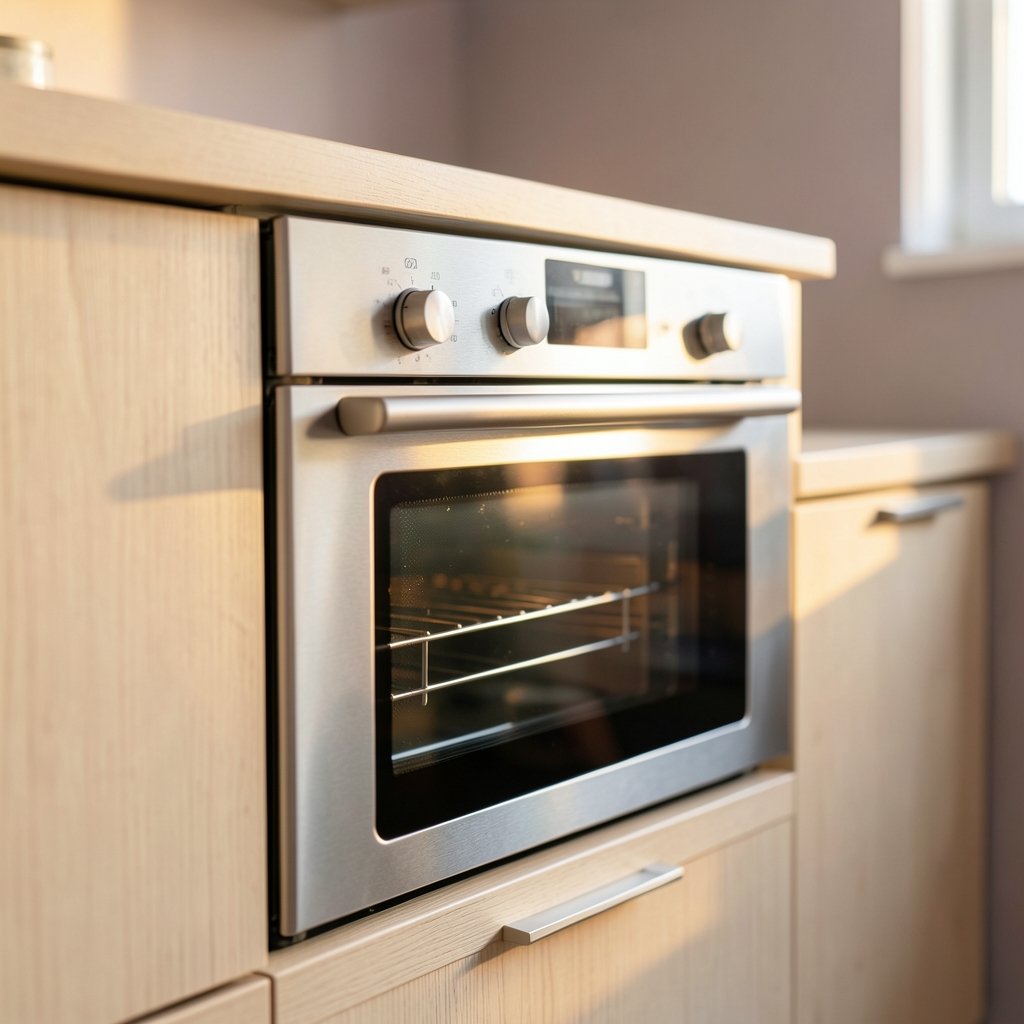
Have you ever stared at a kitchen showroom wall and wondered why one machine claims to replace three, while the machine next to it does exactly one thing and costs more? That is the kitchen appliance combo question in a nutshell. Combination appliances promise less clutter, less counter space used, and fewer decisions. Sometimes they deliver. Sometimes they hand you a repair bill that makes a plain oven look like a bargain.
The trouble is that “kitchen appliance combo” is not a standardized term. It gets used for at least three different things: a single machine with multiple functions (a microwave that also convects), a bundled set of separate appliances sold together, and built-in appliance columns where a fridge, oven, and coffee maker stack in one tower. This article focuses mainly on the first sense, the true multi-function machine, because that is where most buying confusion lives. It also covers where bundles and columns fit, so the picture stays honest.
The three things people mean by “combo”
Getting the definition straight saves money. Here is how the term actually breaks down in practice.
| Type | What it is | Typical example | Main trade-off |
|---|---|---|---|
| Multi-function machine | One unit, several cooking or cleaning modes | Microwave-convection oven, combi steam oven, washer-dryer | Convenience vs. repair cost and reduced capacity |
| Bundled set | Separate appliances sold as a package deal | Fridge, oven, hob, and hood in one finish | Savings vs. less freedom to mix brands |
| Appliance column | Built-in tower of full-size units | Oven stacked over a warming drawer and fridge | Looks vs. installation cost |
Trade terminology backs up the first category. Combination appliances are treated as distinct product classes, rather than as marketing labels alone. In the European Union, for example, combined washer-dryers are classified and energy-labelled as a separate product group from standalone washing machines under a regulation in force since March 2021. That matters because the label on a combo does not always compare fairly with the label on a single-function machine.
Microwave-convection ovens: the original kitchen combo

These have been around since the 1980s in consumer form. They run microwave, fan-driven convection, and grill modes, alone or combined. The pitch is simple: fast reheating plus real browning in one box.
What actually works in practice:
- Combination mode is the whole point. A microwave-convection oven used only as a microwave is an expensive microwave. The value shows up when you run microwave plus convection together to cook a chicken or finish a casserole in roughly half the time of a full oven.
- Preheat times are short but not zero. Small cavities heat fast, yet many models still want five to ten minutes to reach temperature. Budget for it.
- Turntables and racks fight each other. In combo mode you often remove the turntable and use a metal rack. That is normal, not a defect, but it means you cannot always stack dishes the way you would in a wall oven.
The common mistake is buying the biggest, most feature-heavy model for a small household. A mid-range combo with a good grill element usually beats a flagship with modes nobody uses. If your kitchen is tight, pair that thinking with these small kitchen remodeling ideas budget smart upgrades that keep the layout workable around a bulky combo unit.
Combi steam ovens: the professional crossover
Combination steam ovens pair steam with convection in a single cavity. The term “combi oven” has been standard in commercial catering for decades, and the technology has moved into home kitchens steadily since the 2000s.
Why cooks like them: steam keeps meat moist, vegetables keep color, and bread gets a proper crust. Why some buyers regret them: descaling. Steam generators need regular descaling with the manufacturer’s descaling product or a citric-acid cycle, and skipping it is the single most common cause of early failure. A combi steam oven that is not descaled on schedule starts throwing error codes within a couple of years.
Practical guidance that holds up:
- Check the water supply method. Plumbed models avoid refilling but cost more to install. Tank models are flexible but need topping up every few sessions.
- Confirm the descale reminder exists and is loud. A reminder you can snooze forever is a reminder you will ignore.
- Do not buy one if you mainly reheat. Steam shines with fresh cooking, not leftovers.
Washer-dryers and the capacity trap
Combination washer-dryers are the most common kitchen-adjacent combo, since many homes tuck laundry into or beside the kitchen. Here the trade-off is concrete and measurable: drying capacity is typically about half the washing capacity. A machine that washes 8 kg may dry only 4 kg. Load a full wash and then try to dry it all, and you will either split the load or get damp clothes at the end of a long cycle.
Energy labelling treats washer-dryers as their own product group for exactly this reason. The wash-and-dry cycle is judged separately from the wash-only cycle, and the numbers are not directly comparable with a standalone washer. Repairability rules also apply: EU ecodesign requirements for washing machines and washer-dryers, applicable from March 2021, include spare-parts availability obligations. That is genuinely good news for buyers who plan to keep a machine for a decade.
The mistake to avoid is buying a washer-dryer as a substitute for a dryer in a family home. It works well for small households, flats, and people who mostly air-dry. It frustrates anyone doing four loads on a Sunday.
Multi-cookers: the countertop combo that stuck
The electric multi-cooker, popularized from 2010 onward, bundles pressure cooking, slow cooking, sautéing, and often yogurt or rice modes into one pot. It is the clearest success story in the combo category because the functions genuinely share a cavity and a heating element, and the price stays low enough that failure is not catastrophic.
What works: pressure plus sauté in one pot means one less pan to wash. What does not: the “does everything” claim. Multi-cookers are mediocre at anything requiring dry heat, like roasting or baking. They are excellent at braises, beans, stocks, and grains. Buy one for those, not for the mode list.
Where combos save space and where they cost you
The honest math is about counter and cabinet real estate versus repair risk. A single combo unit replaces two or three footprints, which matters enormously in compact kitchens. But when a combo fails, you lose every function at once. A broken microwave-convection oven is not a broken microwave; it is a dead appliance with no partial use.
That risk calculation changes how you should think about the rest of the kitchen. Small appliances that do one job well, and cheaply, are often the smarter combo strategy: a good best vacuum mop combo handles wet and dry floor mess in one pass without putting your cooking capability at risk. The same logic applies to networking gear tucked into a kitchen office nook, where a best modem router combo can simplify a shelf of boxes, though it is worth reading a modem router combo vs separate modem router cost speed setup breakdown first, because the trade-offs mirror kitchen combos closely: fewer boxes, less flexibility.
Lighting is another place where a small combo decision pays off. Under-cabinet LED strips make a huge difference over counters, and a led strip diffuser kitchen cabinets fix dots glare hotspots solves the dotted, glary look that ruins an otherwise clean install. None of this is glamorous, but it is the difference between a kitchen that feels finished and one that feels assembled.
Bundles and columns: the other kind of combo
Appliance bundles sold as matched sets are mostly a finish-and-discount play. You get consistent styling and often a few hundred off the total. The catch is that you inherit the weakest item in the bundle. If the package includes a hob you would not have chosen, you have saved money on the wrong product.
Built-in columns are the premium version: full-size ovens, warming drawers, and fridge units stacked in a tower. They look superb and cost accordingly, and they lock you into specific cabinet dimensions. Measure twice, literally.
A practical middle path: buy the two appliances you use most as individual choices, then bundle the rest. Most people care deeply about the oven and the fridge and barely notice the dishwasher brand.
Energy labels, safety standards, and what to check
Combination products are tested and labelled per product group, and this is where buyers get tripped up. In the US, ENERGY STAR covers many appliance categories with specifications revised periodically, so a five-year-old comparison chart may be out of date. In the EU, the washer-dryer labelling regulation sets out exactly how combined units are rated.
Safety standards for combination cooking appliances fall under the IEC 60335 series, with combination microwave ovens covered by a specific part of that series. Editions are revised periodically, so check that a model carries current certification rather than assuming an old badge still means anything.
Before buying any combo, run this checklist:
- Read the manual’s maintenance section before purchase, not after. Descaling, filter cleaning, and seal replacement are the hidden costs.
- Check spare-parts availability and the warranty length for the combo function specifically, rather than for the base appliance alone.
- Confirm the electrical requirements. Combi steam ovens and convection combos often want a dedicated circuit.
- Test the controls in the showroom. Multi-function panels range from intuitive to maddening.
- Measure the cavity, not the exterior. Usable space is usually smaller than the box suggests.
Common mistakes that show up again and again
The same errors appear in owner forums and repair shops with depressing regularity. Buying a combo for a function you will use twice a year. Assuming a combo replaces a full-size oven when it does not. Skipping the descale cycle because the reminder is annoying. Loading a washer-dryer to full wash capacity and expecting dry clothes. Choosing a bundle for the discount and then hating one appliance for a decade.
The pattern behind all of them is the same: combos reward buyers who know exactly which two functions they need, and punish buyers who are attracted to the length of the feature list.
Conclusion
A kitchen appliance combo is a tool, not a magic trick. The categories that earn their place, microwave-convection ovens, combi steam ovens, washer-dryers in small homes, and multi-cookers, all share one trait: their functions genuinely belong together in one cavity. The ones that disappoint are usually sold on breadth rather than depth.
So the question to ask is not “how many things does this do?” but “which two things do I do most, and does this machine do both of them well?” Answer that honestly, check the maintenance schedule, confirm the spare-parts situation, and a combo will earn its counter space. Skip those steps and you will be the person in the showroom next year, staring at the wall again.
What is a kitchen appliance combo?
It is a loose term covering three things: a single machine with multiple functions, such as a microwave that also convects or a washer that also dries; a bundled set of separate appliances sold together at a discount; and a built-in column of stacked full-size units. The term is not standardized, so always check which sense a retailer means before comparing prices.
Is a microwave-convection combo worth it?
It is worth it if you will actually use the combination mode. Running microwave and convection together genuinely speeds up cooking and browning compared with either mode alone. If you mostly reheat leftovers, a plain microwave does the same job for far less money and is cheaper to replace when it fails.
Why does my washer-dryer leave clothes damp?
Because drying capacity is typically about half the washing capacity. A machine rated for 8 kg of washing may dry only 4 kg. If you wash a full load and switch straight to drying, the machine cannot handle the volume. Split the load or reduce it before drying, and the results improve immediately.
How often does a combi steam oven need descaling?
It depends on water hardness and use, but most manufacturers specify a descaling cycle every few months of regular use, or when the machine prompts you. Ignoring the prompt is the leading cause of early failure in steam ovens. Use the manufacturer’s descaler or a citric-acid cycle, and never skip it to save time.
Are appliance bundles actually cheaper?
Often yes, but not always in the way that matters. Bundles usually save money on the total and give you a consistent finish, yet you inherit the weakest item in the set. A common approach is to choose the two appliances you use most individually, then bundle the rest where the discount is real and the compromise is minor.
What should I check before buying any combo appliance?
Read the maintenance section of the manual first, confirm spare parts are available, and check the warranty covers the combo function specifically. Verify the electrical requirements, since many combi ovens want a dedicated circuit, and measure the usable cavity rather than the exterior dimensions. Finally, try the controls in person before committing.



