The average U.S. household spends roughly $1,900 a year on home furnishings and decor, according to the U.S. Bureau of Labor Statistics. That number surprises people, because most of it disappears in small, unplanned purchases rather than one big showroom splurge. The good news: modern design is unusually forgiving of tight budgets. Its core rules are about proportion, light, and restraint, not price tags. A room can look current and intentional for a few hundred dollars if the money goes to the right places.
What “Modern” Really Means (and What It Doesn’t)
Modern decor often gets confused with “whatever is trending on social media right now.” In design history, modernism refers to a specific movement built on clean lines, honest materials, and function-first thinking. The Encyclopaedia Britannica entry on modernism traces its roots to the late 19th and early 20th centuries, long before anyone filmed a shelf-styling video. (Interior design)
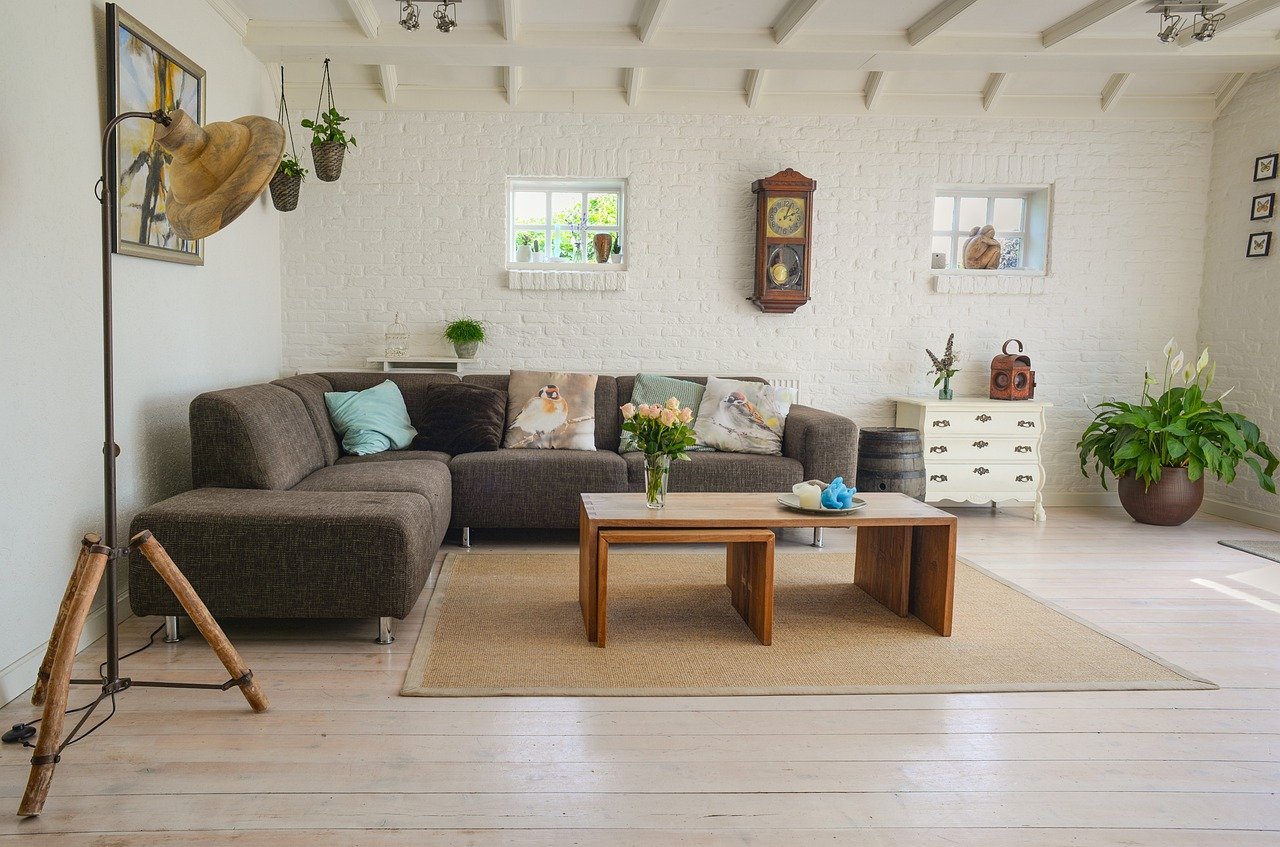
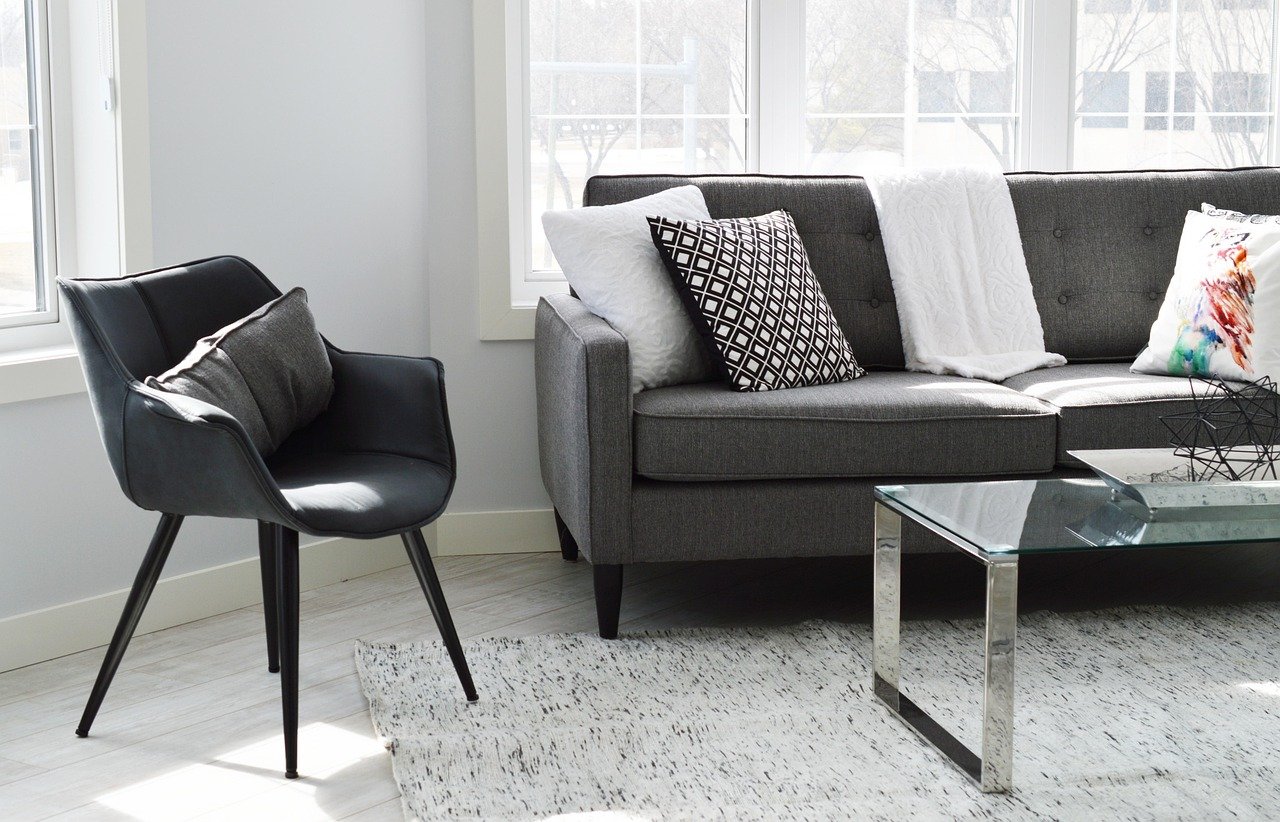
In practice, that means a modern room usually has:
- A neutral base of white, warm gray, or off-white walls
- Simple silhouettes in furniture, with legs you can see and clean edges
- One or two statement pieces rather than five competing ones
- Deliberate negative space, meaning empty wall and floor areas are part of the design
Here’s the mistake almost everyone makes: they buy lots of small trendy accessories to “modernize” a room, and it ends up cluttered and dated within a year. What actually works is spending on a few anchors, then keeping everything else quiet.
Set a Realistic Budget Before You Buy Anything
A budget only works if it’s divided into jobs. Designers commonly split a decor budget into three rough buckets: 60 percent on anchors (a sofa, a rug, a light fixture), 30 percent on supporting pieces (curtains, shelving, lamps), and 10 percent on the finishing layer (cushions, art, plants, ceramics).
That split stops the classic failure mode where someone spends their entire budget on cushions and prints, then wonders why the room still looks unfinished. If a full room refresh is on the table, it helps to see how decor spending fits into the bigger picture, and a breakdown of home renovation costs gives useful context on what different project sizes really demand.
Two practical rules from experience:
- Buy the rug before the art. A rug sets scale and color for the whole room; art is easy to swap later.
- Leave 15 percent unspent. Something always comes up, whether it’s a curtain rod, a lamp cord cover, or a second coat of paint.
Paint Is Still the Cheapest Transformation
A gallon of paint covers roughly 350 to 400 square feet and costs far less than any piece of furniture. A single accent wall in a deep olive, clay, or slate blue reads as instantly modern against white trim. The U.S. Environmental Protection Agency’s guidance on volatile organic compounds is worth a read before choosing a product, especially in small rooms or homes with children, since low-VOC and zero-VOC paints reduce indoor fumes. (Indoor Air Quality (IAQ))
A few paint tactics that deliver outsized results:
- Paint the ceiling the same color as the walls in compact rooms to blur the edges and make the space feel taller.
- Paint interior doors a soft contrast color instead of replacing them.
- Refresh trim and baseboards in bright white, which instantly lifts a tired room.
If painting feels like the start of a much bigger project, it usually is. Browse home improvement ideas for every budget to see which upgrades pair well with a fresh coat of paint.
Spend on Light, Save on Almost Everything Else
Lighting is where budget rooms most often fall flat. One overhead bulb in the center of the ceiling makes even good furniture look cheap. The fix is layering: a floor lamp, a table lamp, and one accent light, ideally on warm bulbs around 2700K.
The U.S. Department of Energy’s LED lighting pages explain that LEDs use up to 75 percent less energy and last far longer than incandescent bulbs, so switching is a decor upgrade that pays itself back. A well-chosen floor lamp from a thrift store with a new shade and a warm LED bulb can look like a design piece for under $40.
Thrift, Secondhand, and Marketplace Finds Done Right
Secondhand shopping is the single biggest lever for a modern look on a small budget. Older furniture often has better materials than new budget pieces: solid wood instead of particleboard, dovetail joints, real veneer. The U.S. Consumer Product Safety Commission publishes recall notices worth checking before buying used cribs, lamps, or space heaters, and it’s a habit worth building.
What works in practice:
- Search with specific terms. “Teak sideboard,” “arc lamp,” “wool rug 5×8” returns better results than “furniture.”
- Set alerts, not impulses. Save searches and wait a week; the right piece usually appears.
- Check the joints and the underside. Flip it over. Loose joints and water stains are dealbreakers; scuffs on top are not.
- Skip upholstered items with smells or sagging. Reupholstery costs more than most people expect.
What doesn’t work: buying something cheap just because it’s cheap. A $15 lamp you don’t love is $15 wasted and clutter earned.
Make One Bold Move Instead of Ten Small Ones
Modern interiors photograph well because they have a clear focal point. On a budget, one bold gesture carries a room: a large-scale print, a saturated rug, a gallery wall, or a single dramatic paint color. Everything else stays neutral so the bold element can breathe.
A useful test before buying any decorative item: will anyone notice this from the doorway? If the answer is no, it’s probably filler. This one question saves more money than any coupon code.
Textiles Do the Heavy Lifting
Curtains, rugs, and cushions change how expensive a room feels faster than furniture does. Floor-to-ceiling curtains, even inexpensive ones, add height and softness. A large rug that fits under the front legs of the sofa makes a seating area feel intentional; a postage-stamp rug in the middle makes it feel temporary.
Budget-smart textile moves:
| Upgrade | Typical budget approach | Why it works |
|---|---|---|
| Curtains | Ready-made panels hung high and wide | Adds height and frames the window |
| Rug | Larger flatweave or vintage wool | Anchors furniture and hides worn floors |
| Cushions | Two or three in one accent color | Ties the palette together |
| Throws | One textured neutral | Adds warmth without clutter |
Wash or steam everything before it goes in the room. A wrinkled curtain reads as “unfinished” no matter what it cost.
Greenery, Ceramics, and the Finishing Layer
Plants are the most cost-effective decor item in existence, provided they survive. Choose species that match the light: snake plants and ZZ plants for low light, pothos for almost anywhere. Group three pots of different heights on a tray and the arrangement looks curated rather than accidental.
Ceramics, baskets, and books do the same job as expensive accessories if they’re edited. The rule of three works: odd numbers of objects, varied heights, one texture repeated. Clear surfaces between groupings so the eye rests.
Small Functional Upgrades That Read as Design
Some of the most convincing modern touches are functional. Smart bulbs let a renter change color temperature and dimming without rewiring, and a guide to the best smart speakers for home automation shows how voice control fits into a decor-led setup. In the kitchen, clearing the counter of appliances does more for the look than any new backsplash. If coffee gear is taking over the counter, a roundup of the best espresso machine for home can help narrow the field to something compact enough to live with.
Other low-cost wins:
- Replace cabinet hardware. New pulls and knobs cost little and modernize a kitchen instantly.
- Swap outlet covers and switch plates for clean, screwless versions.
- Add a slim floating shelf in a hallway or bathroom for both storage and display.
- Hang a mirror opposite a window to double the daylight.
What to Skip
Not every budget decor purchase earns its place. Skip these:
- Tiny decorative objects bought in sets. They multiply into clutter.
- Trend-driven prints that will look dated in eighteen months.
- Furniture that’s flat-pack and flimsy at a “premium” price. Compare materials, not marketing.
- Rugs that are too small. It’s the most common and most expensive-looking mistake in budget rooms.
A Realistic Room-by-Room Plan
If the budget is tight, sequence the work rather than doing everything at once.
- Living room: rug, curtains, one lamp, one large art piece. Paint if needed.
- Bedroom: bedding in a single palette, two bedside lamps, blackout curtains.
- Kitchen: hardware, lighting, clear counters, one open shelf.
- Bathroom: new towels, a mirror, a shelf, fresh grout or caulk.
For room-specific inspiration, this collection of home remodeling ideas for any room is a good place to shortlist changes before spending.
Conclusion
Modern decor on a budget isn’t about finding cheaper versions of expensive things. It’s about spending where the eye goes first: light, paint, rugs, and one confident focal point. Everything else can come from thrift stores, marketplace listings, and a paint can. Rooms that look expensive are usually the ones where someone resisted the urge to fill every surface and let a few good decisions do the work. Start with one room, set the 60/30/10 split, and let the space breathe.
Frequently Asked Questions
How much should I budget for decorating one room?
For a living room refresh that keeps existing furniture, a few hundred dollars covers paint, curtains, a rug, and lighting. A fuller refresh with a new sofa and rug typically runs into the low thousands. The 60/30/10 split (anchors, supporting pieces, finishing layer) keeps spending balanced.
Is it cheaper to buy new or thrift for modern decor?
Thrift and secondhand usually win on materials per dollar, especially for wood furniture, lamps, and rugs. Buy new for upholstered items, mattresses, and anything with a safety function. Always check recall notices before buying used electrical or children’s items.
What is the easiest budget upgrade that looks the most expensive?
Painting a room, including the trim, and hanging curtains high and wide. Both change how tall and finished a room feels, and together they usually cost less than a single piece of furniture.
How do I make a small room look modern on a budget?
Use one color family on walls, ceiling, and large furniture, hang curtains at ceiling height, add a mirror opposite a window, and keep surfaces mostly clear. Layered warm lighting matters more in small rooms than in large ones.
Can I mix thrifted furniture with new pieces and still look modern?
Yes, and it often looks better than an all-new room. Keep silhouettes simple, repeat one or two materials (wood, black metal, natural fiber), and let one piece be the statement. Consistency in shape and color matters more than matching sets.
What budget decor purchases are usually a waste of money?
Tiny accessory sets, trend prints, undersized rugs, and flat-pack furniture priced like quality pieces. If an item won’t be noticed from the doorway or won’t survive two years, it’s usually better to save the money for an anchor piece.
One last habit ties it all together: keep a running wish list with measurements, colors, and a price ceiling for each room. When a sale, a marketplace listing, or a clearance aisle appears, you buy with intention instead of improvising — and you stop paying a premium for the wrong size or shade. Photograph your room from the doorway every few weeks; the camera catches clutter, scale problems, and lighting gaps your eye forgives. Small, deliberate edits made over a season beat a single stressful shopping spree, and the room improves while your budget stays intact.