
Nvidia’s Vera Rubin systems are running on Microsoft Azure, and the chipmaker has just posted the biggest quarter in its history: revenue of $115.8 billion for the three months ended 25 October 2026, more than double a year earlier. The business has never been stronger, yet the shares have just suffered their worst slide in years.
That tension eased, at least for a morning, on Monday 23 November, when Nvidia shares rose about 7% after losing roughly a third of their value over the previous two weeks. The rebound followed a weekend in which President Donald Trump said he hoped the board would rehire former chief executive Jensen Huang, who resigned on 12 November.
Key takeaways
- Nvidia reported record quarterly revenue of $115.8 billion, up 103% year on year, beating forecasts of about $108.9 billion.
- Data centre revenue reached $107.6 billion, up 110%, with Vera Rubin generating nearly $20 billion in its first quarter of production shipments.
- Vera Rubin NVL72 racks are running at Microsoft Azure, Google Cloud, CoreWeave, Oracle Cloud Infrastructure and Nebius.
- Nvidia forecast fourth-quarter revenue of $130 billion and raised its fiscal 2028 revenue growth target to about 75%.
- The shares rose about 7% on Monday 23 November after falling 14% on Friday to $125.53, having lost about a third of their value in two weeks.
A record quarter by almost every measure
Nvidia reported third-quarter fiscal 2027 results on 17 November, beating expectations on every line that matters. Total revenue was $115.8 billion, up 20% from the previous quarter and up 103% from a year ago, against analyst forecasts of about $108.9 billion.
Net income rose to $65.3 billion, up 105% year on year, and diluted earnings per share reached $2.70 GAAP and $2.68 non-GAAP, up 111%. Gross margins were 74.8% GAAP and 74.9% non-GAAP.
The data centre business, now more than nine-tenths of Nvidia’s revenue, did the work. Sales reached $107.6 billion, up 110% year on year and up 21% from the previous quarter. Hyperscale revenue rose 71% to $60.1 billion, while the AI Clouds, Industrial and Enterprise category nearly tripled to $47.5 billion, up 195% year on year.
The outlook was stronger still. Nvidia forecast fourth-quarter revenue of $130 billion, plus or minus 3%, above the average analyst estimate of about $125.25 billion, according to Reuters, and raised its fiscal 2028 revenue growth target to about 75%, from 70%. The fourth quarter has 14 weeks rather than the usual 13, which flatters the comparison slightly.
Other figures underline how far demand has run ahead of supply. Nvidia’s cloud industry backlog rose to $2.5 trillion, up from $2 trillion three months earlier, and multi-year supply and memory chip commitments rose from $279 billion to $390 billion.
The company returned $28.1 billion to shareholders during the quarter through buybacks and dividends, after its board approved a $150 billion increase to the buyback authorisation in September.
| Measure | Third-quarter fiscal 2027 | Change vs a year ago |
|---|---|---|
| Total revenue | $115.8 billion | Up 103% |
| Data centre revenue | $107.6 billion | Up 110% |
| Net income | $65.3 billion | Up 105% |
| Non-GAAP earnings per share | $2.68 | Up 111% |
| Vera Rubin revenue | Nearly $20 billion | First quarter of production shipments |
Vera Rubin is running on Azure
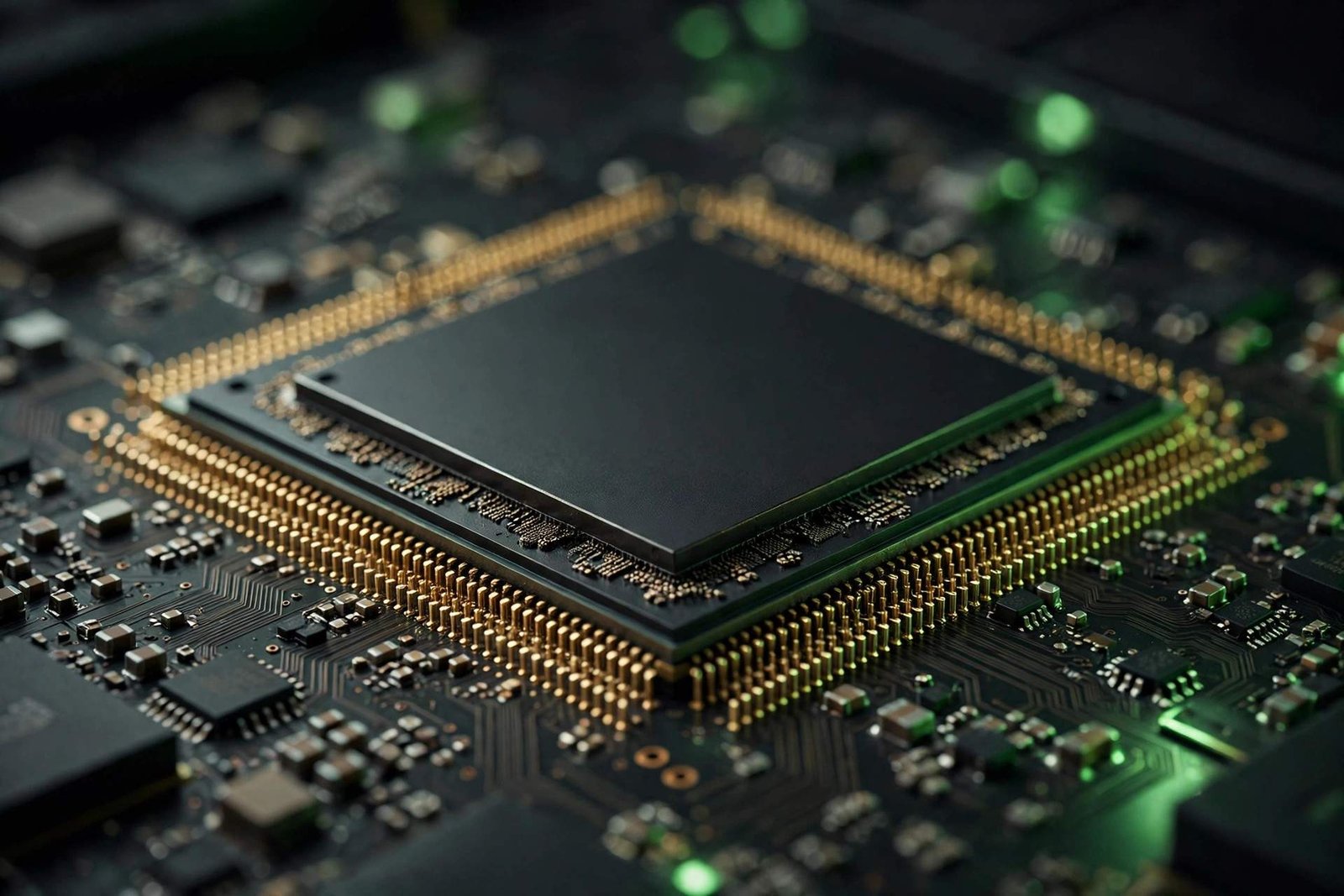
Nvidia said it has ramped production and begun shipping the Vera Rubin NVL72, with racks running at CoreWeave, Google Cloud, Microsoft Azure, Oracle Cloud Infrastructure and Nebius, and coming online soon at SpaceXSI. For Azure customers, the newest Nvidia hardware is now available through the cloud.
Vera Rubin generated nearly $20 billion in its first quarter of production shipments, the fastest product ramp in Nvidia’s history. Interim chief executive Colette Kress told investors it was off to an explosive start.
The ecosystem is widening too. Nvidia announced general availability of Vera Rubin NVL72 systems and Vera CPUs on Oracle Cloud Infrastructure, and of Google Cloud’s Vera Rubin-powered A5X instances. Cisco, Google, Meta, Microsoft and Visionbay are among the companies joining its open architecture work.
Vera Rubin is a full computing platform rather than a single chip: GPUs paired with custom Vera CPUs, built for large-scale AI workloads. Nvidia expects Vera CPU revenue to more than double in fiscal 2028 as Meta and OpenAI adopt the architecture for agentic AI. The platform also swept every MLPerf Training and Endpoints benchmark in the latest round, according to Nvidia.
For anyone whose work depends on AI tools, the Azure detail is the practical takeaway: the compute behind the chatbots, coding assistants and image generators freelancers rely on every day is increasingly Rubin hardware running in Microsoft’s cloud. Our guide to how freelancers can use AI to write client proposals faster shows how that compute reaches ordinary working life.
The first earnings since Jensen Huang’s exit
These were Nvidia’s first results since the departure of Jensen Huang, the co-founder who led the company for more than three decades and became the public face of the AI boom. Huang resigned on 12 November, and longtime chief financial officer Colette Kress is serving as interim chief executive.
The leadership change connects the record quarter to the collapsing share price. The business kept growing at triple-digit rates, but the market sold the stock anyway. The Wall Street Journal’s headline verdict was blunt: faster growth, and Huang will not return as chief executive.
Huang was more than a manager to investors: he had turned a graphics chip company into the central supplier of the AI age, and his departure removed the figure the market trusted to navigate a boom that depends on a few enormous customers. The earnings call did little to settle who leads Nvidia next.
Why the stock fell after record earnings
Nvidia reported its record quarter on 17 November, and the shares fell anyway. By Friday 20 November the stock had dropped 14% in a single day to close at $125.53, its lowest level in a year, after losing about a third of its value over the previous two weeks.
The slide stretches back further than the earnings report: Nvidia had already fallen more than 40% from its October peak of $243.37, reached on 6 October, and November alone accounted for a loss of roughly 25%.
The decline ran for seven consecutive weeks, the longest such losing streak since the 2008 financial crisis, and erased about $2.6 trillion in market value. By Friday the market capitalisation had slipped to about $3.03 trillion, below Alphabet, making Nvidia the fourth-largest company in the United States.
Several forces were at work. Huang’s departure shook confidence in a company whose value rests on judgement calls about capacity, customers and AI spending. Broader doubts about AI valuations were building, with the Nasdaq suffering its worst week since March 2020 and the S&P 500 entering a correction, more than 10% below its recent high.
There is also a structural worry. A small number of hyperscale customers and frontier labs now account for an enormous share of Nvidia’s revenue, and Kress stripped a lofty $200 billion OpenAI revenue projection out of the report in favour of a building-by-building lease guarantee schedule. The demand is real, but that concentration makes investors nervous.
What changed on Monday
Monday 23 November brought a sharp reversal. Nvidia shares rose about 7% in early trading, leading a broad rebound after the Nasdaq’s steepest weekly fall since 2020. Premarket reports put the gain as high as 9%, and AMD, Broadcom and Micron all rose too.
Two weekend developments helped. President Donald Trump said on Truth Social late on Sunday that he hoped the board would rehire Huang as chief executive, and Treasury Secretary Scott Bessent had also called for his reinstatement. Neither changes Nvidia’s governance, but both signalled the leadership question was being taken seriously at the highest level.
Even after the bounce, the damage is striking: the shares remain roughly 48% below their October high, and the company has lost about half its value in six weeks. A single morning’s gain does not repair that.
Checklist: what to watch before buying the Nvidia rebound
A record quarter and a one-day bounce are not the same as a recovery. These signals will show whether Monday was a turning point or a pause.
- Watch whether the board names a permanent chief executive, and whether Huang returns in any role.
- Check whether Vera Rubin revenue keeps growing in the fourth quarter.
- Compare the $130 billion fourth-quarter forecast with the result when it lands in February.
- Track the cloud backlog, now $2.5 trillion, for signs that hyperscale customers are slowing orders.
- Look at whether Azure, Google Cloud and Oracle keep expanding Vera Rubin availability, the clearest sign of real demand.
- Remember the stock is still about 48% below its October high, so volatility is likely to continue.
Frequently asked questions
How much money did Nvidia make in its record quarter?
Nvidia reported revenue of $115.8 billion for the third quarter of fiscal 2027, ended 25 October 2026, up 103% year on year and ahead of forecasts of about $108.9 billion. Net income was $65.3 billion, and non-GAAP earnings per share were $2.68.
What is Vera Rubin and why does it matter?
Vera Rubin is Nvidia’s newest AI computing platform, pairing GPUs with custom Vera CPUs for large-scale AI workloads. It generated nearly $20 billion in its first quarter of production shipments, the fastest ramp in Nvidia’s history, and its NVL72 racks now run at Microsoft Azure, Google Cloud and Oracle Cloud Infrastructure.
Why did Nvidia’s share price fall after record earnings?
Investors were reacting to leadership and valuation worries rather than the results. Huang resigned on 12 November, the stock had already fallen sharply from its October peak, and the wider market was selling AI stocks. The shares lost about a third of their value in two weeks and fell 14% on Friday 20 November to $125.53.
Why did the stock bounce on Monday 23 November?
The shares rose about 7% in early trading as part of a broad technology rebound, helped by weekend statements from President Donald Trump and Treasury Secretary Scott Bessent calling for Huang’s reinstatement.
Who is running Nvidia now that Jensen Huang has left?
Longtime chief financial officer Colette Kress is interim chief executive after Huang’s resignation on 12 November. She led the earnings call, but no permanent successor has been named. Wearable AI is another place the same compute shows up in everyday life: our guide to the best smart rings covers AI sensors on the wrist and finger, and our guide to the best earbuds for gym workouts covers the audio side.
The bottom line
Nvidia has delivered the strongest quarter in its history, powered by a Vera Rubin ramp now running on Azure and the other major clouds, and the market has still cut the company’s value roughly in half in six weeks. The business is growing at triple-digit rates with a $130 billion quarter forecast next; the share price reflects doubt about who leads the company and how long the AI spending boom lasts.
The sensible next step is to watch the leadership decision and the next quarter rather than the daily share price. If a permanent chief executive is named and Vera Rubin keeps shipping at this pace, the record quarter will look like the moment the business proved it could outgrow its founder.
This article reports on Nvidia’s published results and market movements. It is not financial advice, and share prices can fall as well as rise.