

Sharing a game library sounds simple until someone hits “play” at the same time and gets blocked. Valve’s Steam Families feature lets up to six accounts pool their libraries, but it comes with real rules about simultaneous play, eligible titles, and region locks. This guide walks through the actual setup, the mistakes that trip people up, and what to expect once everyone is connected.
What Steam Families Actually Is
Steam Families is Valve’s replacement for the older Family Sharing system. Instead of lending a single library to one person at a time, it creates a group of up to six accounts that can share eligible games with each other. The feature moved out of beta and became the standard way to share libraries on the platform.
The important shift is philosophical. Old Family Sharing treated a library like a book: one reader at a time. Steam Families treats it more like a household shelf, where multiple people can pull different titles at once. That change alone fixed the most common complaint about the old system, which was that two people in the same house could never play two different games from one collection simultaneously.
It is worth being precise about what “sharing” means here. Nobody is transferring ownership. The games stay tied to the purchasing account. What the family group gets is borrowing access under conditions Valve controls, and those conditions can change.
Before You Start: What You Need
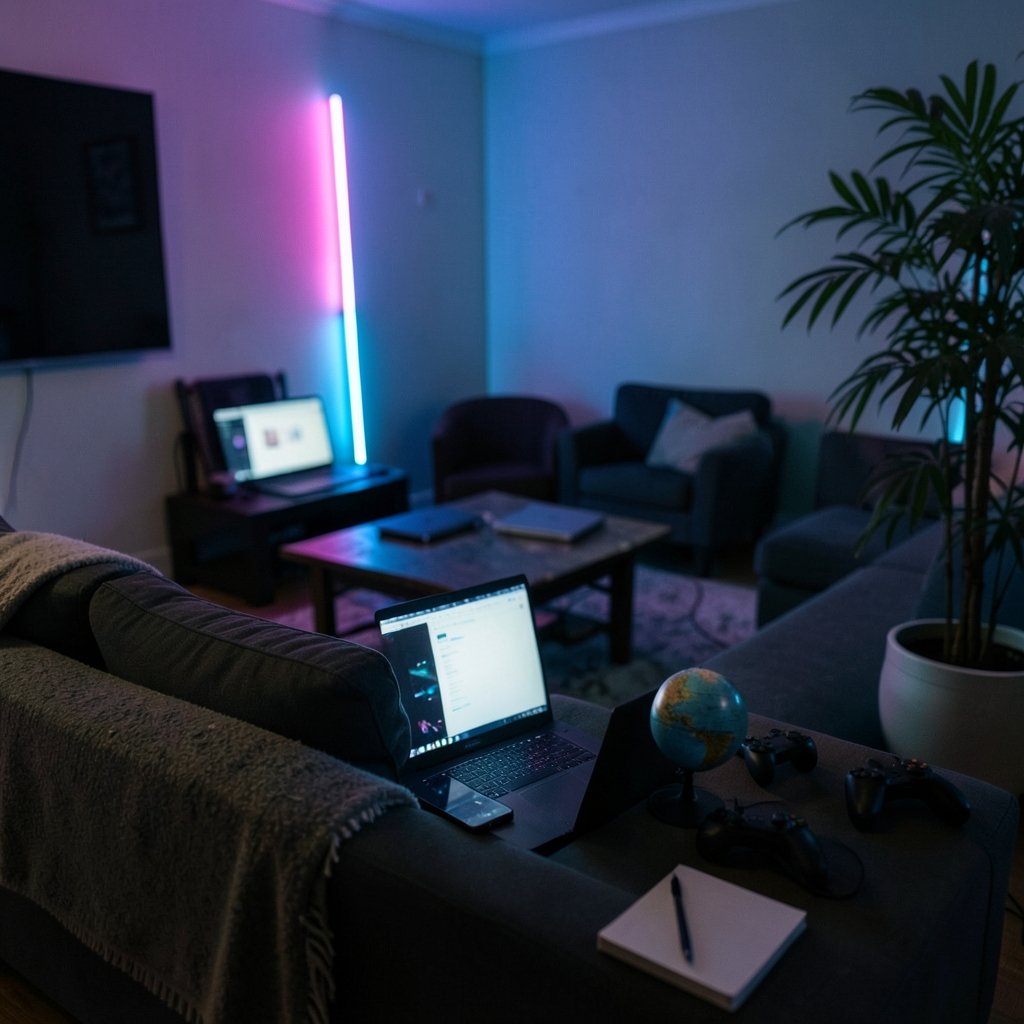
Setup fails most often because of account-level issues, not because the feature is broken. Run through this checklist first.
- A Steam account in good standing. Accounts with certain restrictions or VAC bans on record may not be eligible to join or invite.
- The same country for every member. Steam Families is region-bound. Accounts registered in different countries generally cannot join the same family group.
- No existing family membership. An account can belong to only one Steam Family at a time, so anyone already in a group has to leave it first.
- The Steam client or a browser. Setup works through account settings rather than the store page.
The region rule catches people out constantly. A student studying abroad, a family split between two countries, or someone who moved and never updated their store region will all hit a wall. Check each account’s country in account details before sending invitations, because fixing it afterward means leaving the group and starting over.
Step-by-Step: Setting Up a Steam Family
The exact menu labels shift as Valve updates the client, but the flow is consistent. Here is the practical sequence.
- Open Steam and go to Account Details from the client menu or the web account page.
- Find Family Management (sometimes labeled Steam Families) in the account settings area.
- Choose to create a family and give it a name.
- Invite members by entering their Steam friend code or account name.
- Have each invited person accept the invitation from their own account.
- Confirm the group shows the correct members and their libraries.
Invitations expire, and a pending invite does nothing until it is accepted. If someone says “I clicked it,” make them check the actual confirmation screen rather than the notification.
A common mistake: people invite friends before checking whether those friends own games worth sharing. The group only makes sense if members bring libraries to the table. A family of six where five members own nothing adds administrative overhead and zero value.
The Rules That Actually Matter
Steam Families is generous compared with the old system, but the constraints are where most frustration originates. Understanding them upfront saves arguments.
| Rule | What It Means in Practice |
|---|---|
| Up to six accounts | Small groups work best; a full group of six is legal but harder to coordinate |
| One family per account | Leaving and rejoining is possible but resets access |
| Region-bound membership | All members need accounts in the same country |
| Publisher opt-outs | Some developers disable sharing for their games |
| Subscription and free-to-play titles excluded | Games requiring a paid subscription or free-to-play titles typically do not share |
| Simultaneous play restrictions | Two people generally cannot play the same shared game at once, but different games from the pool usually work |
That last row is the one people misunderstand. Different games from the shared pool can usually run at the same time. The same shared title, borrowed from one owner, generally cannot be played by two people simultaneously. If two family members both want to play the same co-op title together, the reliable path is for each to own a copy.
There is a workaround worth knowing: if one member owns the game and another member’s own library also contains it, each plays their own copy. Sharing is for access, not for multiplying licenses.
Parental Controls Are a Separate Tool
A frequent confusion is treating Steam Families as a parental control system. It is not. Library sharing and Family View are different features with different purposes.
Family View lets an adult restrict what a child account can reach: the store, the community, specific games, and chat features. Steam Families handles library access. A parent who wants both needs to configure both, and the two settings live in different parts of account management.
The practical setup for a household with younger children looks like this: create the family group for library sharing, then separately enable Family View on the child’s account and lock it with a PIN. Skipping the second step means a child can browse the store and community freely even though the library is shared.
Troubleshooting the Most Common Failures
When sharing does not work, the cause is almost always one of a handful of issues. Here is what to check, in order.
The game does not appear for the borrower. Check whether the developer allows family sharing for that title. Some publishers opt out entirely. Check the store page’s feature list on the owner’s account.
“Game is in use” errors. Someone else in the family is playing the same shared title. Wait, or have one person buy their own copy.
Invitation will not send. Verify the invited account’s country matches, that it is not already in another family, and that it has no restrictions blocking participation.
Library vanished after joining. Libraries refresh on sign-in. Restart the client and confirm the family group still lists the correct members.
A member left and lost access. Leaving a family removes access to shared titles immediately. Rejoining requires a fresh invitation and acceptance.
Patience matters here. Steam’s family features have changed repeatedly, and support documentation sometimes lags behind the client. When an error message is vague, the fastest diagnostic is usually to check the family group membership list first, then the specific game’s sharing eligibility.
Sharing Beyond Steam: Other Ways Families Play Together
Steam Families solves one problem: access to a purchased library. It does not solve the broader question of what a household plays together, especially when hardware is uneven or budgets are tight.
For families with mixed devices, the free-to-play catalog is worth a look. There are plenty of free steam games that run on modest hardware and need no sharing at all, which sidesteps every licensing restriction discussed above. If the goal is simply to get everyone into the same game, browsing the best free games on steam is often faster than untangling family group permissions. (Steam (service)))
Co-op titles deserve special mention because they expose the sharing limitation directly. Two people who want to play together usually need two copies, shared library or not. A good starting point is this roundup of the best co op games on steam, which flags titles built for two-player sessions rather than solo play.
And it is worth remembering that not every family game night needs a screen. Board games remain a genuinely competitive alternative for mixed-age groups, and the best family board games for all ages cover the spectrum from quick card games to longer strategy sessions. For households that want a blend of digital and tabletop options, Countryside Games: Family Board Games and Outdoor Fun collects ideas that work without a controller. (Steam Family Sharing)
Practical Tips From Real Setups
A few habits separate smooth family groups from chaotic ones.
Keep the group small. Six is the cap, not the goal. Three or four active members with real libraries beats six accounts where half never play.
Audit before inviting. Ask each prospective member what they own. A group built around one person’s collection is fragile if that person ever leaves.
Document ownership. When two people both want a popular co-op title, decide in advance who buys it. Shared access creates ambiguity about who owns what, and that ambiguity causes friction when someone leaves the group.
Expect publisher changes. Sharing eligibility is set by developers and can change with updates or store policy. A title that shared last year might not share today.
Do not rely on sharing for competitive multiplayer. Anything requiring two simultaneous copies of the same game is a poor fit. Buy two copies or pick a different game.
The pattern across all of these: sharing works best as a convenience for a stable household, not as a substitute for ownership in a group that plays together regularly.
How Steam Families Compares to the Old System
For anyone who used the previous Family Sharing feature, the differences are substantial enough to justify a fresh setup.
| Feature | Old Family Sharing | Steam Families |
|---|---|---|
| Group size | One lender, one borrower at a time | Up to six accounts |
| Simultaneous play | Blocked on the shared library | Different games can run at once |
| Same game, two players | Not possible from one copy | Still generally not possible |
| Setup location | Device authorization | Account-level family group |
| Region rules | Looser in practice | Strictly region-bound |
The headline improvement is concurrency: multiple people pulling different titles from the pool. The headline limitation is unchanged: one copy of a game is still one copy of a game.
Conclusion
Steam Families is the most practical way to stretch a household’s game budget, provided expectations are set correctly. Six accounts can share eligible libraries, different games can run simultaneously, and setup takes minutes once region and account issues are cleared. What it will not do is let two people play the same borrowed title together, and it will not override a publisher’s decision to opt out.
The reliable approach is straightforward: verify every account is in the same country, keep the group small and active, confirm sharing eligibility for the specific games that matter, and buy duplicate copies for anything the household wants to play together. Do that, and the feature quietly does its job. Skip the checks, and the errors will feel random when they are actually predictable.
Frequently Asked Questions
How many people can join a Steam Family?
Up to six accounts can belong to one Steam Family group. Each account must be in the same country, and an account can only be in one family at a time.
Can two family members play the same shared game at once?
Generally no. If one person owns a game and shares it, a second family member usually cannot play that same title simultaneously. Different games from the shared pool can typically run at the same time.
Why is a specific game missing from my shared library?
The most common reasons are that the developer disabled family sharing for that title, the game requires a paid subscription, or it is a free-to-play release. Check the game’s store page features on the owner’s account.
Do I lose my games if I leave a Steam Family?
No. Ownership never transfers. Leaving a family removes your access to other members’ shared games, but your own library stays exactly as it was.
Can family members in different countries share games?
Usually not. Steam Families is region-bound, so accounts registered in different countries generally cannot join the same group. Each member’s account country needs to match.
Is Steam Families the same as parental controls?
No. Steam Families manages library sharing. Family View is a separate feature that restricts a child account’s access to games, the store, and community features, and it must be configured independently.



